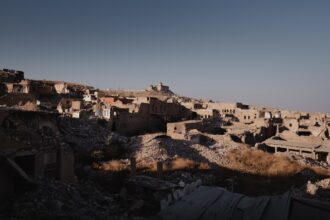
The documentary “Israel’s War of Attrition: A Detailed Historical Insight” offers a comprehensive and nuanced exploration of a critical and often misunderstood period in the Arab-Israeli conflict. Far from a simple recounting of battles, the film delves into the intricate political, military, and human dimensions of the war that raged between Israel and Egypt along the Suez Canal from 1967 to 1970. Through a compelling blend of archival footage, expert interviews, and personal testimonies, the documentary illuminates the motivations, strategies, and devastating consequences of this protracted struggle. It serves as a vital historical document, providing viewers with a deeper understanding of the forces that shaped the Middle East and continue to influence its present-day dynamics.
The Genesis of the Stalemate: Echoes of the Six-Day War
The documentary begins by firmly establishing the historical context for the War of Attrition, tracing its roots directly to the aftermath of the Six-Day War of June 1967. The swift and decisive Israeli victory had fundamentally altered the geopolitical landscape, resulting in the occupation of the Sinai Peninsula, the West Bank, and the Golan Heights. While celebrated as a strategic triumph for Israel, this outcome also created a deeply entrenched territorial dispute and a profound sense of grievance among the defeated Arab nations, particularly Egypt.
The Shifting Sands of Geopolitical Ambitions
The film meticulously details the immediate post-1967 period, highlighting the divergent objectives of the key players. For Egypt, under President Gamal Abdel Nasser, the primary goal was the recovery of the Sinai Peninsula and the restoration of national pride following the humiliating defeat. Nasser, a charismatic pan-Arab leader, was determined to reverse the territorial losses and reassert Egypt’s influence in the region. The documentary underscores that Nasser viewed the occupied Sinai not merely as lost territory but as a direct affront to Egyptian sovereignty and a symbol of Arab humiliation. He was under immense domestic and regional pressure to act, making any perceived Israeli intransigence a significant political liability.
Conversely, Israel, while militarily victorious, found itself in a precarious position. The occupation of new territories presented complex security challenges and diplomatic dilemmas. The documentary explains Israel’s initial strategic calculus: holding onto the occupied territories as bargaining chips for a lasting peace settlement. However, the Arab rejection of UN Security Council Resolution 242, which called for Israeli withdrawal from occupied territories in exchange for peace and recognition, meant that a peaceful resolution remained elusive. The film portrays the Israeli leadership grappling with the question of how to secure its borders and future existence in the face of ongoing Arab hostility and a refusal to negotiate directly.
The Illusion of a Quick Resolution
A significant portion of this initial section is dedicated to dissecting the widespread belief, both within Israel and among international observers, that the Six-Day War had brought about a definitive end to hostilities. The documentary reveals how the swiftness of the 1967 victory fostered a sense of invincibility and perhaps a miscalculation regarding the Arab world’s capacity and willingness to retaliate. It explores the assumption that the sheer military superiority demonstrated by Israel would compel Arab nations to accept the new reality and seek a political accommodation. This section effectively sets the stage by illustrating the initial disconnect between the perceived outcome of the Six-Day War and the simmering resentment and strategic ambitions that would soon ignite a new phase of conflict. The film meticulously shows how the “decisive victory” was, in retrospect, merely a pause before a prolonged and exhausting struggle.
The Israel War of Attrition, a conflict that spanned from 1967 to 1970, is a significant yet often overlooked chapter in Middle Eastern history. For those interested in exploring this topic further, a related article provides an in-depth analysis of the strategies and implications of the war. You can read more about it in this insightful piece available at this link.
The Escalation of Hostilities: From Skirmishes to Strategic Bombing

The documentary meticulously chronicles the gradual escalation from isolated incidents to a full-blown war of attrition. It emphasizes that the conflict was not a sudden eruption but rather a series of increasingly intense engagements that gradually wore down both sides. The strategic rationale behind Egypt’s decision to initiate offensive actions along the canal is explored, moving beyond simplistic notions of aggression to understand the calculated risks involved.
The Opening Salvos: Crossing the Canal
The initial chapters of the War of Attrition, as depicted in the film, were characterized by Egyptian efforts to probe Israeli defenses along the Suez Canal. The documentary highlights the strategic importance of the canal itself, a vital waterway for international trade and a potent symbol of national sovereignty for Egypt. Egyptian artillery units began to shell Israeli positions on the eastern bank with increasing frequency and intensity. These were not random acts of aggression but calculated attempts to disrupt Israeli operations, inflict casualties, and demonstrate Egypt’s resolve. The film utilizes archival footage to showcase the harsh realities of fighting in the desert landscape, the constant threat of artillery fire, and the psychological toll it took on soldiers on both sides.
The Bar-Lev Line Under Pressure
A key focus of the documentary’s examination of the escalation is the Israeli Bar-Lev Line, a heavily fortified defensive system built along the eastern bank of the Suez Canal. The film details the construction of this formidable barrier, intended to repel any Egyptian crossing attempts. However, it also reveals the inherent vulnerabilities of such static defenses against determined and persistent attacks. The documentary illustrates how Egyptian commando raids and artillery barrages, while not breaching the line en masse, began to chip away at its effectiveness and inflict significant casualties on Israeli garrisons. Interviews with former Israeli soldiers provide harrowing accounts of life under constant bombardment, the psychological strain of defending an exposed position, and the growing realization that the Bar-Lev Line was not the impenetrable shield it was designed to be.
Operation Boxer and the Israeli Response
The documentary details Israel’s strategic response to the escalating Egyptian pressure, primarily through a series of air and artillery strikes into Egypt. The introduction of the Israeli Air Force as a decisive factor in the conflict is thoroughly examined. Operations like “Boxer” saw Israeli aircraft target Egyptian military installations deep within Egyptian territory, including airfields, command centers, and radar installations. The film presents the strategic objective behind these strikes: to degrade Egypt’s military capabilities, disrupt its war-making capacity, and compel it to cease offensive actions. The documentary acknowledges the controversial nature of these deep-penetration raids, which often resulted in civilian casualties, and includes interviews that explore the moral and strategic debates within Israel regarding the use of air power. The film avoids a simplistic portrayal, instead showing the complex decision-making processes and the difficult choices faced by military and political leaders.
The Human Cost: Lives Interrupted and Futures Uncertain

Beyond the strategic maneuvers and military hardware, “Israel’s War of Attrition” powerfully underscores the profound human cost of this protracted conflict. The documentary dedicates significant attention to the experiences of the soldiers on the front lines, their families, and the civilians caught in the crossfire. It moves beyond the numbers of casualties to explore the lived realities of war and its enduring impact.
Life in the Trenches: The Soldier’s Perspective
The film offers intimate glimpses into the daily lives of soldiers stationed along the Suez Canal. Through personal testimonies and archival footage, viewers witness the grueling conditions: the relentless heat, the constant threat of shelling, the pervasive fear, and the immense psychological strain. The documentary highlights the development of a unique camaraderie among soldiers facing shared hardship, the rituals they developed to cope with stress, and the profound sense of duty that propelled them forward. Interviews with former soldiers, both Israeli and Egyptian, provide raw and emotional accounts of their experiences. They speak of the moments of intense terror, the grief over fallen comrades, and the lingering psychological scars that often accompany prolonged combat. The film emphasizes that these were not abstract figures in a historical narrative but young men and women whose lives were irrevocably altered by the conflict.
The Home Front: Families on Edge
The documentary also shines a light on the impact of the War of Attrition on the home front. For Israeli families, the constant threat of casualties and the knowledge of loved ones serving in a dangerous zone created an atmosphere of perpetual anxiety. The film depicts scenes of families receiving news from the front, the vigils kept by parents and spouses, and the efforts to maintain a semblance of normalcy amidst the uncertainty. Similarly, for Egyptian families, the war meant the loss of fathers, sons, and brothers, and the disruption of their lives. The documentary touches upon the economic hardships and social dislocations that the prolonged conflict imposed on Egyptian society, diverting resources and attention from development and progress. The film skillfully weaves together these personal narratives, demonstrating how the war was not just fought on a battlefield but also experienced in the hearts and homes of ordinary people.
Civilian Impact and the Shadow of Conflict
The documentary does not shy away from the impact of the conflict on civilians. It explores the consequences of artillery duels and air strikes that sometimes extended beyond military targets. The film discusses the displacement of communities living near the Suez Canal, the destruction of homes and livelihoods, and the constant fear of being caught in the line of fire. The documentary presents interviews with civilians who recall the terror of air raids, the disruption of their daily lives, and the enduring trauma of living in a war zone. It underscores the tragic reality that wars of attrition, by their very nature, often blur the lines between combatants and non-combatants, leading to widespread suffering that extends far beyond the immediate battlefield. The film provides a sobering reminder that the human cost of war is measured not only in military casualties but also in the shattered lives and broken communities.
The Shifting Dynamics: Diplomacy and International Intervention
While the War of Attrition was primarily a military confrontation, the documentary demonstrates that diplomatic efforts and international intervention played a crucial role in shaping its trajectory and eventual cessation. The film meticulously details the various attempts to broker peace and the complex web of international interests that influenced the conflict.
The Quest for Peace: UN Initiatives and External Pressures
The documentary dedicates considerable attention to the role of the United Nations and external powers in seeking a resolution to the conflict. It meticulously details the efforts of UN envoys, particularly Gunnar Jarring, the Swedish diplomat tasked with mediating between Israel and Egypt. The film highlights the challenges faced by these diplomatic initiatives, often undermined by the entrenched positions of the belligerents and the broader geopolitical rivalries of the Cold War era. The documentary showcases the various proposals put forth, including those aimed at achieving a ceasefire, facilitating Israeli withdrawal, and ensuring Israel’s security. It illustrates the immense frustration experienced by diplomats as their efforts repeatedly stalled, caught in the crossfire of competing national interests.
The Superpowers’ Influence: The US and the Soviet Union
A significant aspect of the documentary’s analysis revolves around the influence of the United States and the Soviet Union. The film explains how the superpowers, each with their own strategic interests in the Middle East, sought to manage and ultimately de-escalate the conflict. The United States, a staunch ally of Israel, provided significant military and economic aid, while simultaneously engaging in diplomatic efforts to prevent a wider regional conflagration. The Soviet Union, on the other hand, supported Egypt with substantial military assistance, aiming to bolster its regional influence and challenge American dominance. The documentary explores the delicate balancing act performed by both superpowers, their desire to avoid direct confrontation while also pursuing their own geopolitical agendas. It reveals how shifts in superpower policy and their respective levels of engagement had a direct impact on the willingness of Egypt and Israel to pursue peace.
The Road to a Ceasefire: Exhaustion and Strategic Realignment
The film argues that the eventual cessation of hostilities in August 1970 was not the result of a single breakthrough but rather a culmination of several factors. By 1970, both sides were experiencing significant exhaustion from the prolonged conflict. Israel faced mounting casualties and the logistical challenges of maintaining its forces along the canal, while Egypt, despite significant Soviet military aid, was struggling to achieve a decisive military advantage. The documentary highlights the strategic realignment that occurred, with both nations increasingly receptive to the idea of a ceasefire. The film details the intense diplomatic pressure exerted by the United States, particularly through Secretary of State William Rogers, which played a pivotal role in bringing about the agreement. The documentary concludes this section by emphasizing that the ceasefire, while a welcome respite, did not resolve the underlying issues and merely represented a pause in a larger, ongoing conflict.
The Israel War of Attrition, a conflict that unfolded between 1967 and 1970, is a complex chapter in Middle Eastern history that has been explored in various documentaries. For those interested in a deeper understanding of the geopolitical dynamics and personal stories from this period, a related article can provide valuable insights. You can read more about the intricacies of this conflict in the article available at In the War Room, which delves into the strategies and human experiences that shaped this war.
The Legacy and Lingering Questions: Echoes in the Present Day
| Metric | Details |
|---|---|
| Documentary Title | Israel War of Attrition |
| Subject | War of Attrition (1967-1970) between Israel and Egypt |
| Duration | Approximately 60 minutes |
| Release Year | Varies by production, commonly between 2000-2020 |
| Language | English (with subtitles if original in Hebrew/Arabic) |
| Key Topics Covered | Military strategies, political context, key battles, aftermath |
| Primary Sources | Archival footage, interviews with veterans, expert commentary |
| Audience Rating | Generally rated PG-13 or equivalent |
| Availability | Streaming platforms, educational websites, DVD |
The concluding sections of “Israel’s War of Attrition: A Detailed Historical Insight” move beyond the immediate events of the conflict to explore its enduring legacy and the unresolved questions it left behind. The documentary meticulously examines how the War of Attrition shaped the subsequent decades of Middle Eastern history and continues to influence current geopolitical dynamics.
The Seeds of Future Conflicts: Yom Kippur and Beyond
The documentary powerfully argues that the War of Attrition sowed the seeds for future conflicts, most notably the Yom Kippur War of 1973. It explains how the unresolved territorial disputes and the lingering sense of humiliation among Arab nations, particularly Egypt, fueled a desire for a more decisive victory. The film details how the lessons learned from the War of Attrition, both by Israel in reinforcing its defenses and by Egypt in developing new offensive strategies and acquiring advanced weaponry, directly influenced the planning and execution of the 1973 offensive. The documentary highlights the continuity of strategic objectives and the cyclical nature of the conflict, demonstrating how one phase of hostilities often directly informs the next. It presents the War of Attrition not as an isolated event but as a crucial chapter that set the stage for subsequent confrontations.
The Shifting Sands of Peace: The Camp David Accords and Subsequent Developments
The documentary dedicates significant attention to the long-term implications of the War of Attrition, particularly its influence on the eventual peace process. It highlights how the exhaustion and the strategic reassessment brought about by the 1967-1970 conflict, coupled with subsequent geopolitical shifts, paved the way for a potential breakthrough. The film discusses how the War of Attrition, by demonstrating the high cost of continued military confrontation, created a greater receptiveness to diplomatic solutions. The documentary then transitions to the pivotal Camp David Accords of 1978, exploring how the lessons learned from the prolonged stalemate and the devastating human cost of previous conflicts contributed to the willingness of both Israeli and Egyptian leaders to make unprecedented concessions. The film emphasizes that while the War of Attrition itself did not result in a peace treaty, it was a critical precursor, highlighting the unsustainable nature of the status quo and the urgent need for a political settlement.
Unanswered Questions and the Enduring Quest for Stability
The documentary concludes by reflecting on the unresolved issues and the enduring quest for stability in the Middle East. It reiterates that while the War of Attrition officially ended with a ceasefire, the underlying causes of the Arab-Israeli conflict remained largely unaddressed. The film touches upon the ongoing Palestinian issue, the persistent territorial disputes, and the complex interplay of regional and international interests that continue to fuel instability. The documentary leaves viewers with a profound understanding of the multifaceted nature of the conflict and the immense challenges that lie ahead in achieving a lasting and comprehensive peace. It serves as a stark reminder that historical understanding is not merely an academic exercise but a crucial tool for navigating the present and shaping a more peaceful future. The film’s final moments underscore the cyclical nature of conflict and the perpetual need for dialogue, compromise, and a commitment to diplomacy.

A 3-Year Drought Hit the Hittite Empire. Did It Cause the Collapse?
FAQs
What is the Israel War of Attrition?
The Israel War of Attrition was a conflict that took place between Israel and its neighboring Arab states, primarily Egypt and Jordan, from 1967 to 1970. It was characterized by continuous low-intensity warfare and frequent skirmishes along the borders.
What was the main cause of the Israel War of Attrition?
The main cause of the Israel War of Attrition was the aftermath of the Six-Day War in 1967, where Israel captured the Sinai Peninsula from Egypt and the West Bank from Jordan. The Arab states sought to regain these territories and launched a series of attacks against Israel.
What role did the documentary play in documenting the Israel War of Attrition?
The documentary on the Israel War of Attrition provides a detailed account of the conflict, including the military strategies employed by both sides, the impact on civilians, and the diplomatic efforts to end the hostilities. It features interviews with soldiers, civilians, and political leaders who were involved in the conflict.
Where can I watch the Israel War of Attrition documentary?
The Israel War of Attrition documentary may be available for viewing on streaming platforms, such as Netflix, Amazon Prime, or YouTube. It may also be screened at film festivals, historical museums, or educational institutions.
What lessons can be learned from the Israel War of Attrition?
The Israel War of Attrition serves as a reminder of the devastating impact of prolonged conflicts on both military personnel and civilians. It highlights the importance of diplomatic efforts in resolving disputes and the need for sustainable peace agreements to prevent future conflicts.