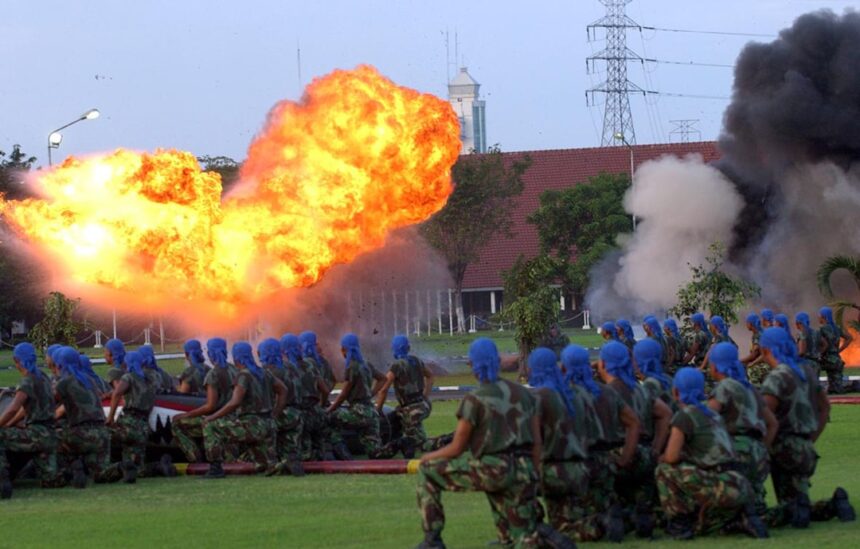
The air in Baghdad crackled with a mixture of apprehension and anticipation. For weeks, the city had been a mosaic of hushed conversations, anxious glances, and a palpable yearning for a decisive turning point. The whispers among the Iraqi population spoke of a ground assault by the Coalition, a force that, in their minds, held the key to their liberation. This wasn’t a new fantasy; the idea of external intervention had been a recurring theme throughout years of hardship. However, with the intensified rhetoric and visible preparations of the Coalition, this particular hope felt more concrete, more tangible.
The Iraqi people, having endured decades of autocratic rule and the subsequent turmoil of sanctions and internal conflict, saw the Coalition ground assault not merely as an invasion, but as a potential catalyst for profound change. The narratives that circulated within the country painted a picture of swift liberation, of the dismantling of a regime that had systematically oppressed and impoverished them.
A Longing for Freedom from Oppression
For generations, the specter of repression had loomed large over Iraqi society. The iron fist of the ruling regime had stifled dissent, curtailed freedoms, and instilled a pervasive atmosphere of fear. Many Iraqis, particularly those who had directly experienced the regime’s brutality, harbored a deep-seated desire to break free from this suffocating grip. They saw the Coalition’s military might as the only force capable of dislodging a deeply entrenched and ruthless power structure. The idea of a ground assault resonated because it promised immediate action, a direct confrontation with the instruments of their subjugation.
The Economic Stagnation and the Promise of Renewal
The economic landscape of Iraq had been devastated by years of mismanagement, war, and international sanctions. The vast oil wealth of the nation had been largely siphoned off by the ruling elite, leaving the majority of the population struggling with poverty, unemployment, and a lack of basic infrastructure. The prospect of a Coalition ground assault was intertwined with the hope for economic reconstruction and a chance at a more prosperous future. It was believed that the removal of the existing regime would pave the way for international investment, the restoration of vital services, and the equitable distribution of national resources.
The Social Fractures and the Hope for Unity
Iraq was a nation deeply divided along sectarian, ethnic, and tribal lines. These divisions had been exacerbated by the ruling regime, which often manipulated them for its own gain. Many Iraqis yearned for a more unified and inclusive society. They hoped that a new era, ushered in by the Coalition’s intervention, would provide an opportunity to heal these wounds and build a nation based on shared citizenship rather than inherited divisions. The ground assault was seen as the necessary prelude to a process of national reconciliation and the establishment of a more equitable social order.
As Iraqi citizens grapple with the implications of a potential coalition ground attack, their expectations and concerns are highlighted in a recent article that delves into the complexities of the situation. The piece discusses the various perspectives within Iraq regarding foreign military involvement and the anticipated outcomes of such actions. For further insights, you can read the full article here: Iraqi Expectations of Coalition Ground Attack.
The Coalition’s Shadow: Perceptions and Expectations
The presence of Coalition forces, even before a full-scale ground assault, cast a long shadow over Iraq. Their air power had already been a significant factor, but the anticipation of their boots on the ground generated a complex mix of hope, fear, and strategic calculations among the Iraqi populace.
The Myth of Invincibility: A Belief in Superior Firepower
For many Iraqis, the Coalition represented an almost mythical force, possessing unparalleled technological superiority and military prowess. The images and narratives of Coalition victories in other conflicts had created a perception of invincibility. This belief fueled the hope that a ground assault would be swift, decisive, and relatively low in terms of Iraqi civilian casualties. They envisioned a swift sweep through the country, overwhelming any resistance with sheer firepower.
As Iraqi citizens grapple with the potential implications of a coalition ground attack, their expectations are shaped by a complex mix of hope and apprehension. Many are looking for insights into how such military actions could influence the stability of their region. A related article discusses the broader implications of coalition strategies and their impact on local populations, providing a comprehensive overview of the situation. For more information, you can read the article here.
The Fear of Collateral Damage: A Lingering Concern
Despite the hope, a significant undercurrent of fear regarding collateral damage persisted. The history of warfare, even in modern times, was replete with instances of civilian suffering during ground operations. Iraqis, having already endured immense hardship, were acutely aware of the potential for their cities and homes to become battlegrounds. This fear was amplified by the uncertainty surrounding the Coalition’s operational plans and their commitment to minimizing civilian harm. They worried about being caught in the crossfire, their lives disrupted, and their communities devastated.
The Geopolitical Calculus: A Spectrum of Interests
The Iraqi population was not a monolithic entity with a single, unified hope. Various groups within society had their own strategic calculations and expectations regarding the Coalition’s involvement. Some saw the Coalition as a liberator, others as a necessary evil, and some as a potential new occupier.
The Majority’s Plea for Liberation
The predominant sentiment among the broader Iraqi population was a desperate plea for liberation. They envisioned a future free from the dictatorial rule, the economic deprivation, and the social repression that had characterized their lives. The ground assault was seen as the direct path to achieving this long-desired freedom.
The Minority’s Apprehension of New Domination
A significant segment of the population, particularly those who had benefited from or been aligned with the existing regime, harbored apprehension. They feared not just the immediate consequences of conflict but also the potential for the Coalition to install a new form of domination, one that might not serve their interests. This group often expressed concerns about the integrity of Iraqi sovereignty and the potential for external influence to dictate the nation’s future.
The Sectarian Divide and Strategic Alliances
The existing sectarian divisions within Iraq meant that different communities viewed the prospect of a Coalition ground assault through their own lenses. Some minority groups, who had felt marginalized or persecuted by the regime, might have seen the Coalition as a potential protector or enabler of their rights. Conversely, dominant groups might have viewed the Coalition with suspicion, fearing a shift in the power balance that could disadvantage them. These diverse perspectives shaped the nuanced hopes and fears surrounding the impending assault.
The Ground Assault: The Mechanics of Hope and Fear
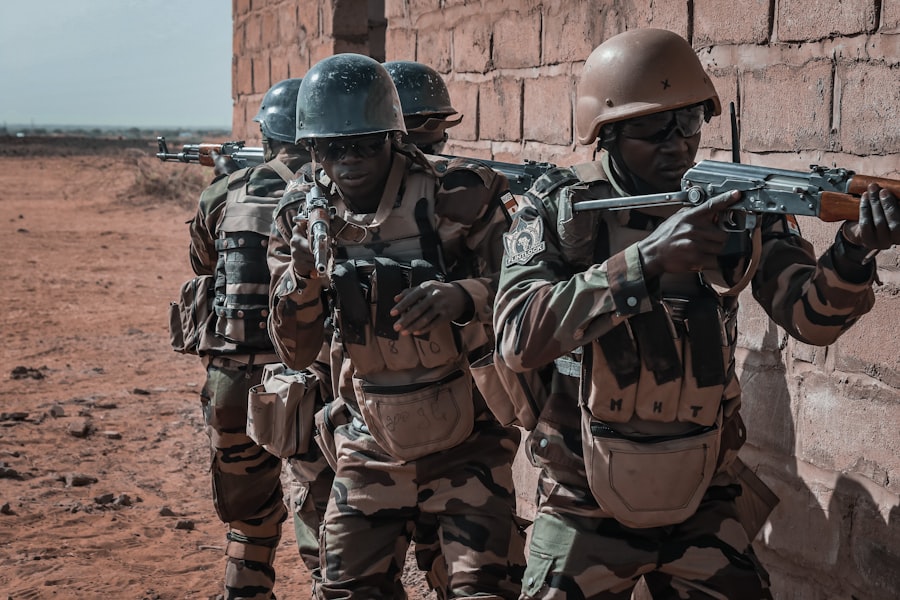
The operational details of a ground assault, as they became apparent, did little to quell the complex emotional landscape of the Iraqi population. The sheer scale of the undertaking, the perceived objectives, and the potential human cost all contributed to a heightened state of anticipation.
The Advance of Armored Columns: A Visible Symbol of Power
The sight of Coalition armored columns beginning their advance was a powerful and unavoidable symbol of the impending ground assault. These metallic behemoths, bristling with weaponry, represented a tangible manifestation of the Coalition’s power. For many Iraqis, this was the moment their hopes had been building towards – the physical arrival of the force that would, they believed, end their suffering. The sheer visual impact of these convoys rolling across the landscape instilled a sense of inevitability, a feeling that the old order was about to be irrevocably swept away.
The Objective of Baghdad: The Symbolic Heart of Power
Baghdad, as the capital and the seat of the ruling regime, held immense symbolic importance. The expectation that the Coalition’s ground assault would ultimately target the capital city amplified the sense of anticipation and dread. The fall of Baghdad would signify the definitive end of the regime’s reign. However, it also meant that Baghdad, a sprawling metropolis with millions of inhabitants, would likely become the epicenter of the conflict, raising concerns about the immense human cost of such a confrontation. The fate of the city, and by extension, the nation, seemed to hang in the balance.
The Urban Warfare Challenge: A Grim Reality
The prospect of urban warfare presented a grim reality that tempered the optimism of some. Cities like Baghdad, Basra, and Mosul were densely populated, making direct confrontation fraught with peril for civilians. The Coalition’s military doctrine, while advanced, often struggled to fully mitigate the risks associated with fighting in built-up areas. Iraqis understood that a ground assault in these environments would inevitably lead to significant destruction and loss of life, a stark reminder of the human price of their long-awaited liberation.
The Aftermath of the Assault: Hopes and Disillusions

The actual implementation of a ground assault, and the subsequent unfolding of events, inevitably led to a recalibration of Iraqi hopes and expectations. The initial euphoria, if present, often gave way to the complex realities of occupation, reconstruction, and the struggle for a stable future.
The Initial Euphoria and the Reality of Disruption
In the immediate aftermath of a successful ground assault, there might have been initial moments of euphoria, a sense of overwhelming relief that the oppressive regime had finally been removed. However, this was often quickly followed by the stark realities of disruption. Essential services would likely be in disarray, infrastructure damaged, and the daily lives of civilians severely impacted. The immediate needs for food, water, and security would overshadow abstract notions of freedom, as the physical challenges of rebuilding became paramount.
The Quest for Stability and Governance: A New Set of Challenges
The removal of the old regime was only the first step. The subsequent challenge for Iraq, and for the Coalition, would be the establishment of a stable and legitimate government. This process was often fraught with difficulties, as competing political factions emerged, and the question of who would lead the nation became a focal point of contention. The hope for a swift transition to a democratic and inclusive government often clashed with the messy and protracted realities of nation-building.
The Long Road to Reconstruction: Hopes for a Better Future
The ultimate hope for the Iraqi people, tied to the ground assault, was the promise of reconstruction and a better future. This encompassed not only the physical rebuilding of their country but also the restoration of their economy, the improvement of their social services, and the establishment of a just and equitable society. The success of the Coalition’s mission, in the eyes of many Iraqis, would ultimately be judged by their ability to facilitate this long and arduous process of national renewal. The ground assault was merely the beginning of a much longer and more complex journey.
The Evolving Narrative: From Liberation to Stability
As the dust settled and the initial shock of the ground assault wore off, the narrative surrounding the Coalition’s presence began to evolve. The initial hope for immediate liberation often transitioned into a more pragmatic focus on long-term stability, security, and the complex challenges of rebuilding a nation fractured by years of conflict and oppression. The ground assault, while a pivotal event, was ultimately understood as a means to an end, with the true measure of its success lying in the capacity of Iraq to forge a sustainable and prosperous future for its people. The hopes that fueled the desire for the assault were now intertwined with the immense task of actualizing those aspirations.

The Invisible Attack That Crippled Iraq’s Army | Desert Storm Documentary
FAQs
What are the expectations of Iraqis regarding a coalition ground attack?
Iraqis are expecting the coalition ground attack to effectively target and eliminate ISIS strongholds and fighters, ultimately leading to the liberation of their cities and towns from ISIS control.
How do Iraqis view the coalition ground attack?
Many Iraqis view the coalition ground attack as a necessary and crucial step in the fight against ISIS, as it is seen as a way to reclaim their territory and restore stability and security to their country.
What are the concerns of Iraqis regarding the coalition ground attack?
Some Iraqis are concerned about the potential for civilian casualties and damage to infrastructure during the coalition ground attack. There are also concerns about the long-term impact of the attack on the stability and security of the region.
What are the hopes of Iraqis for the outcome of the coalition ground attack?
Iraqis hope that the coalition ground attack will significantly weaken ISIS and pave the way for the eventual eradication of the terrorist group from their country. They also hope for the restoration of peace and stability in their communities.
How are Iraqis preparing for the coalition ground attack?
Iraqis are working with the coalition forces to provide intelligence and support for the ground attack. They are also preparing for potential displacement and humanitarian needs that may arise as a result of the attack.