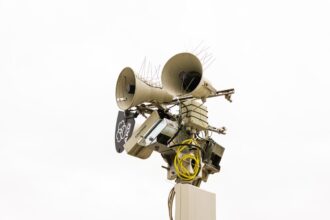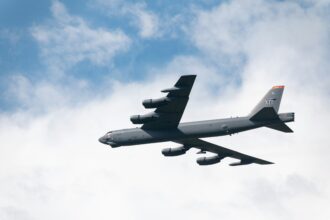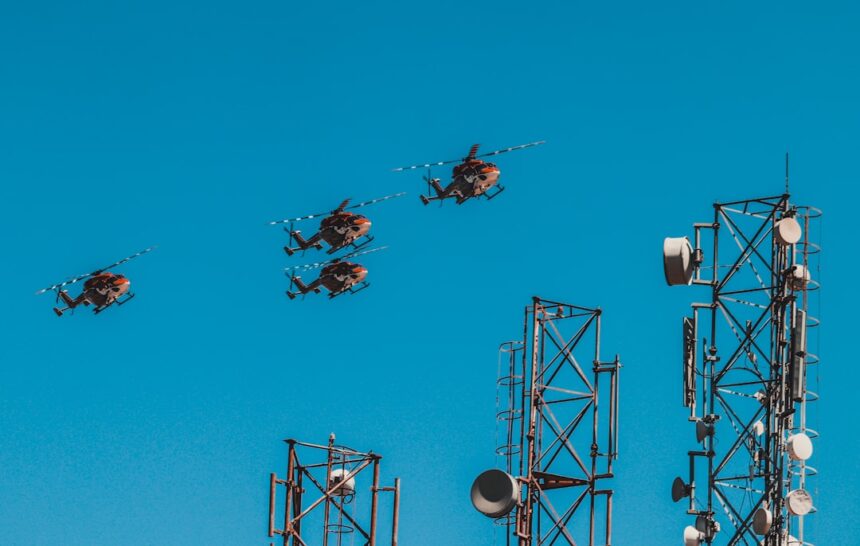
Iranian Special Operations Forces have reportedly invested significantly in developing and integrating advanced radar jamming capabilities into their platforms. This strategic emphasis suggests a deliberate effort to enhance survivability, operational freedom, and tactical advantage in a contested electromagnetic spectrum. The ability to disrupt or deceive enemy radar systems is a cornerstone of modern asymmetric warfare, granting forces the crucial element of surprise and mitigating the effectiveness of surveillance and targeting. Understanding Iranian Special Ops’ approach to mastering radar jamming requires examining the potential technological avenues, operational considerations, and strategic implications.
Minimizing Detection Signatures
For special operations units, remaining undetected is paramount. Aircraft, naval vessels, and ground vehicles operating in clandestine missions face constant threats from sophisticated radar systems employed by adversaries. Effective radar jamming directly addresses this vulnerability. By generating false targets, obscuring genuine signatures, or overwhelming sensor capabilities, these systems can significantly reduce the probability of detection. This allows for ingress and egress from hostile territories with a reduced risk of interception, providing a vital layer of protection for personnel and equipment during sensitive operations. The objective is not necessarily to render enemy radars completely inoperable, but rather to create enough uncertainty and confusion to permit the mission to proceed unimpeded.
Gaining and Maintaining the Element of Surprise
Surprise remains a critical factor in the success of special operations. Radar jamming directly contributes to this by negating a key component of enemy situational awareness. If an adversary cannot reliably detect an incoming force, they cannot effectively prepare defenses or initiate countermeasures. This allows Iranian Special Ops to dictate the timing and location of their actions, maximizing the impact of their operations before an adequate response can be mounted. This silence in the electromagnetic domain is as important as silence on the physical battlefield.
Disrupting Command and Control Networks
Modern warfare relies heavily on networked command and control (C2) systems, many of which are supported by radar-based tracking and identification. By jamming these radars, special operations forces can degrade the enemy’s ability to coordinate their assets, track friendly forces, and direct defensive actions. This disruption can have cascading effects, leading to miscommunication, delayed responses, and a general breakdown in the adversary’s operational effectiveness. The aim is to create a localized “fog of war” that benefits the jamming force.
Protecting Assets and Personnel
Beyond enabling covert operations, radar jamming also serves a defensive purpose. It can protect valuable assets, such as transport aircraft or naval vessels, from weapon systems that rely on radar guidance for targeting. By presenting false targets or obscuring the true signature, jamming systems can decoy incoming threats, ensuring the survival of critical hardware and, more importantly, the personnel operating within them. This protective capability is essential for extending the operational reach and endurance of special operations units.
Recent developments in Iranian military technology have highlighted the capabilities of their radar jamming special operations craft, which are designed to disrupt enemy radar systems and enhance operational stealth. For a deeper understanding of the implications of these advancements, you can read a related article that explores the strategic significance of such technologies in modern warfare. For more information, visit this article.
Technological Threads in Iranian Radar Jamming Development
Directed Energy and Microwave Technologies
Iran’s pursuit of advanced radar jamming likely involves exploration and refinement of directed energy and microwave technologies. These technologies form the foundation of modern electronic warfare (EW) systems. The development of high-power microwave (HPM) devices, for instance, offers the potential to disrupt or damage enemy radar systems through focused energy bursts. While sophisticated HPM weapon systems are complex and resource-intensive, simpler forms of microwave jamming that generate interference can be more readily integrated into specialized platforms. Research and development in solid-state power amplifiers and advanced antenna designs are crucial for creating compact, efficient, and effective jamming emitters.
Cognitive and Adaptive Jamming
The evolution of radar systems, particularly their ability to dynamically change frequencies and employ sophisticated signal processing techniques, necessitates advanced jamming capabilities. Iranian Special Ops may be focusing on developing cognitive or adaptive jamming systems. These systems are designed to analyze incoming radar signals in real-time, identify their characteristics, and then generate tailored jamming signals to counter them. This approach moves beyond simple broadband jamming to a more intelligent and responsive form of electronic warfare, capable of adapting to evolving threats. Such systems require significant computational power and sophisticated algorithms.
Signal Intelligence (SIGINT) Integration
Effective jamming is intrinsically linked to robust signal intelligence (SIGINT). Without accurately identifying enemy radar emissions, jamming efforts can be misdirected or ineffective. Iranian Special Ops likely emphasize the integration of advanced SIGINT platforms and capabilities. This involves deploying sensors capable of detecting, analyzing, and classifying a wide spectrum of radar signals, from search radars to fire-control radars. The data gathered by SIGINT systems enables the development of precise jamming techniques and the creation of electronic order of battle (EOB) libraries, providing crucial intelligence for mission planning.
Miniaturization and Platform Integration
A key challenge in developing effective EW systems for special operations is miniaturization. Special operations platforms, whether they are small boats, helicopters, or unmanned aerial vehicles (UAVs), often have limited space and power resources. Therefore, Iranian efforts likely focus on developing compact and lightweight jamming systems that can be discreetly integrated without significantly impacting the platform’s performance or operational envelope. This might involve the use of specialized integrated circuits, advanced cooling techniques, and modular system designs.
Operational Modalities of Radar Jamming in Special Ops

Stand-off Jamming Operations
One primary modality involves stand-off jamming. This entails deploying jamming assets at a safe distance from the operational area, thereby reducing their own exposure to enemy defenses. Specialized aircraft, such as modified UAVs or dedicated EW platforms, can loiter on the periphery of a mission zone, projecting jamming effects deep into enemy territory. Similarly, naval vessels operating offshore can provide EW support to amphibious or coastal special operations. The effectiveness of stand-off jamming depends on the range and power of the jamming system, as well as the characteristics of the targeted radars.
Integrated Platform Jamming
Another significant approach is the integration of jamming capabilities directly onto the special operations platforms themselves. This can range from subtle electronic countermeasures (ECM) integrated into existing aircraft or naval systems to dedicated jamming pods or modules. For small, fast-moving platforms like raid boats or tactical vehicles, integrated jamming systems provide immediate self-protection and enhance their ability to operate offensively in a contested environment. This approach offers a degree of autonomy and reduces reliance on external EW support.
Cooperative Electronic Warfare
Iranian Special Ops may also be developing cooperative electronic warfare strategies. This involves multiple platforms coordinating their EW efforts to achieve a synergistic effect. For example, one platform might identify a radar signature, while another, positioned to maximize its jamming impact, executes the countermeasure. This coordinated approach can overwhelm even sophisticated defensive systems by distributing the effort and creating complex, unpredictable jamming patterns. It requires robust communication and synchronization protocols between participating assets.
Deception and Spoofing Techniques
Beyond outright denial of radar information, special operations forces can employ sophisticated deception and spoofing techniques. This involves generating false radar returns that mimic friendly forces or redirect enemy sensors away from the true operational area. For instance, a swarm of small UAVs equipped with radar reflectors could be used to create ghost targets, drawing enemy attention and defensive fire away from a primary assault. Sophisticated spoofing can even trick radar systems into believing that an incoming threat is something other than it is, thereby neutralizing its effectiveness.
Challenges and Future Trajectories
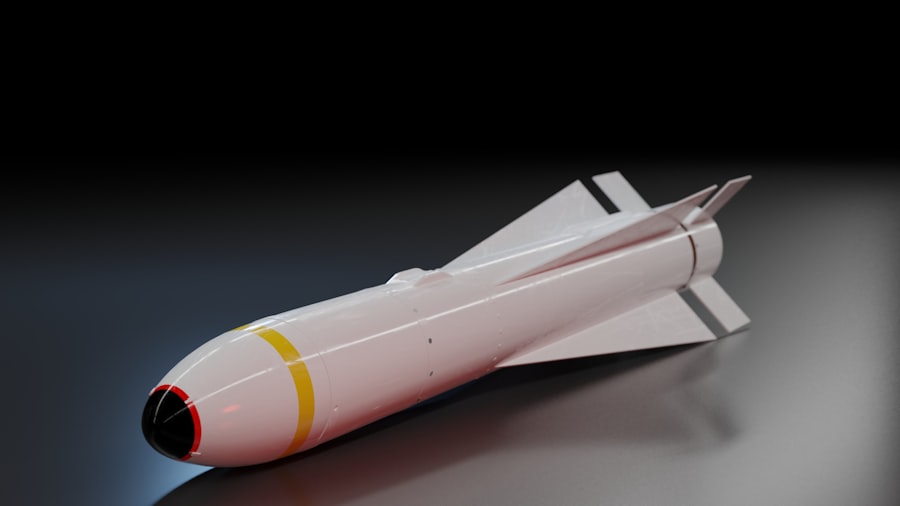
Counter-Countermeasures and Technological Arms Race
The development of radar jamming technology is inherently a reactive process. As jamming capabilities improve, so too do the methods for detecting and countering them. Advanced radar systems are being equipped with improved signal processing, anti-jamming algorithms, and frequency-agile capabilities. This creates a continuous technological arms race, where both sides are constantly seeking an edge. Iranian Special Ops face the challenge of staying ahead of these advancements, requiring sustained investment in research, development, and talent acquisition.
Intelligence and Operational Security
Maintaining operational security surrounding EW capabilities is crucial. The effectiveness of jamming is diminished if adversaries understand the specific techniques and frequencies being employed. Therefore, robust intelligence gathering on enemy radar systems and stringent operational security protocols are essential. Any compromise of intelligence regarding Iran’s EW capabilities would significantly reduce their tactical advantage. The development and deployment of new jamming technologies must be conducted with utmost discretion.
Training and Human Factor
Even the most advanced jamming technology is only as effective as the operators who employ it. Training special operations personnel in the nuances of electronic warfare is a significant undertaking. This includes not only understanding the technical aspects of the equipment but also developing the tactical acumen to employ jamming effectively in dynamic combat scenarios. This requires specialized training academies, realistic simulators, and continuous professional development to ensure that operators can adapt to ever-changing threats and battlefield conditions.
Resource Allocation and Prioritization
Developing and maintaining sophisticated EW capabilities requires substantial financial and human resources. Iran, like any nation, faces competing priorities in defense spending. The decision to invest heavily in radar jamming signifies a strategic choice to prioritize electronic warfare as a critical enabler for its special operations. Future trajectories will depend on the sustained commitment to these investments and the ability to adapt to the evolving threat landscape. This includes balancing the desire for cutting-edge technology with the practicalities of procurement, maintenance, and training.
Recent developments in Iranian military technology have brought attention to their radar jamming special operations craft, which are designed to disrupt enemy radar systems and enhance stealth capabilities. These advancements are part of a broader strategy to strengthen Iran’s asymmetric warfare capabilities in the region. For a deeper understanding of the implications of such technologies, you can read more in this insightful article on the subject. The article provides a comprehensive analysis of Iran’s military innovations and their potential impact on regional security dynamics. To explore further, visit this link.
Strategic Implications of Mastered Radar Jamming
| Metrics | Data |
|---|---|
| Maximum Speed | Unknown |
| Range | Unknown |
| Operational Altitude | Unknown |
| Electronic Warfare Capabilities | Highly advanced radar jamming |
| Stealth Capabilities | Unknown |
Enhanced Regional Power Projection
The mastery of radar jamming offers Iranian Special Ops a significant advantage in projecting power within its regional sphere of influence. By operating with a reduced risk of early detection and interdiction, these forces can conduct more ambitious and impactful missions, whether they involve reconnaissance, direct action, or support for allied groups. This capability allows Iran to exert influence and respond to perceived threats with greater speed, surprise, and impunity, potentially altering the strategic calculus of regional adversaries.
Deterrence through Electronic Superiority
In an environment of asymmetric warfare, credible deterrence is not solely based on conventional military might. The ability to deny an adversary their most potent surveillance and targeting tools can serve as a powerful deterrent. If potential adversaries know that their radar-based defenses can be effectively neutralized, they may be less likely to initiate aggressive actions that could provoke a response from Iranian Special Ops, who can operate with reduced risk. This form of electronic superiority contributes to a broader deterrence posture.
Asymmetric Warfare Doctrine Enhancement
The successful development and integration of advanced radar jamming capabilities underscore Iran’s commitment to evolving asymmetric warfare doctrines. Special operations forces are often at the forefront of adapting to new threats and developing innovative solutions. Mastering radar jamming allows these forces to exploit the vulnerabilities inherent in modern technologically advanced militaries, providing a counterbalance to superior conventional forces. This focus on EW as a force multiplier is a key element of their broader military strategy.
Global Influence and Technological Advancement
While the immediate focus is regional, the development of sophisticated EW technologies by Iran can have broader implications. It signals a growing indigenous defense industrial capability and a commitment to advancing technological expertise in a critical area of modern warfare. This pursuit of technological parity, particularly in fields like electronic warfare, can contribute to Iran’s standing as a significant player in the global defense technology landscape. The knowledge and experience gained in developing these systems can foster further innovation across other defense sectors.
FAQs
What is an Iranian radar jamming special operations craft?
An Iranian radar jamming special operations craft is a type of military vessel designed to disrupt and interfere with enemy radar systems. These craft are equipped with advanced electronic warfare technology to deceive and confuse enemy radar, making it difficult for them to detect and track the vessel.
How does an Iranian radar jamming special operations craft work?
These craft work by emitting electronic signals that interfere with and disrupt enemy radar systems. By jamming the radar signals, the craft can effectively hide from detection and carry out special operations missions without being detected by the enemy.
What are the capabilities of an Iranian radar jamming special operations craft?
Iranian radar jamming special operations craft are equipped with advanced electronic warfare systems that can jam and deceive enemy radar, making it difficult for them to detect and track the vessel. These craft are designed to operate in hostile environments and carry out special operations missions with a reduced risk of detection.
What are the potential uses of an Iranian radar jamming special operations craft?
These craft can be used for a variety of military operations, including reconnaissance, intelligence gathering, and special operations missions. By disrupting enemy radar systems, these craft can operate in contested areas and carry out missions with a reduced risk of detection.
Are Iranian radar jamming special operations craft a significant threat to enemy forces?
Yes, Iranian radar jamming special operations craft pose a significant threat to enemy forces by disrupting their radar systems and making it difficult for them to detect and track the vessel. This capability allows these craft to operate in contested areas and carry out missions with a reduced risk of detection.