The whispers of discontent had grown into a roar, a tempest brewing in the heart of the Middle East. The Shah of Iran, a symbol of Western influence, had been overthrown in the revolution of 1979, replaced by the austere figure of Ayatollah Ruhollah Khomeini. This seismic shift in power sent tremors across the globe, but it was the audacious storming of the United States Embassy in Tehran on November 4, 1979, that truly ignited an international crisis. For 444 days, 52 American diplomats and citizens were held captive, their plight a constant, agonizing presence on global news cycles. While the initial rescue attempts were fraught with peril and ultimately unsuccessful, the saga of the Iran Hostage Crisis was far from over. The world watched, and within the labyrinthine corridors of power in Washington D.C., a determined group began to meticulously plan for a second, more covert, and, they desperately hoped, more successful operation.
The Shadow of Failure and the Genesis of Delta Force
The initial response to the hostage crisis was characterized by a sense of shock and disbelief, followed by a desperate, ultimately ill-fated, rescue attempt. Operation Eagle Claw, launched in April 1980, was a monumental undertaking, a daring gamble born out of a desperate need to extract the captured Americans. The mission, however, was a catastrophic failure, a grim testament to the complexities of operating in hostile territory under immense pressure. A series of unfortunate events – a helicopter malfunction, a mid-air collision, and adverse weather conditions – led to the abandonment of the mission and the tragic loss of eight American servicemen. The failure of Eagle Claw was a profound blow to American prestige and morale. It exposed critical shortcomings in the nation’s ability to conduct complex, joint special operations in a foreign environment. The sting of this defeat was palpable, and it spurred a deep introspection within the U.S. military.
Reassessing Capabilities and Forging a New Path
The wreckage of Eagle Claw wasn’t merely a collection of downed aircraft; it was a stark symbol of inadequacy. The mission highlighted critical deficiencies in intelligence gathering, inter-service cooperation, operational planning, and the very nature of special operations forces available. The Pentagon, under immense public and political pressure, recognized that a fundamental reevaluation was necessary. This period of introspection was not one of despair, but of relentless analysis and a commitment to building a more effective capability. The lessons learned from Eagle Claw were painful, but invaluable. They underscored the need for a dedicated, highly trained, and exceptionally capable force specifically designed for counter-terrorism and hostage rescue missions.
The Birth of a Counter-Terrorism Enigma
In the wake of Eagle Claw’s ignominious end, a consensus emerged: a new breed of special operations unit was required. This unit needed to be more agile, more adaptable, and possess a level of specialized training far beyond that of existing forces. The genesis of this new entity can be traced back to a secret directive from the Secretary of Defense, Harold Brown. The objective was clear: create a highly elite, all-volunteer force capable of conducting a wide range of sensitive special operations missions, including hostage rescue, directly under the Joint Chiefs of Staff. This was the conceptual birth of what would become known as Delta Force, officially designated as the 1st Special Forces Operational Detachment-Delta. The selection and training process for Delta Force were deliberately shrouded in secrecy and designed to be brutally demanding, attracting only the most psychologically resilient and physically capable individuals from elite units like the Army’s Rangers and Special Forces.
The Iran Hostage Crisis was a pivotal moment in U.S. history, marked by the harrowing experiences of American diplomats and citizens held captive. A related article that delves deeper into the second rescue attempt, which ultimately ended in failure, can be found at this link: In the War Room. This article provides a comprehensive analysis of the events surrounding the rescue mission and its implications for U.S. foreign policy.
The Intricate Dance of Intelligence and Planning
The specter of Eagle Claw’s failure loomed large, serving as a constant, sobering reminder of the risks involved. For the nascent Delta Force and the intelligence agencies supporting them, the primary objective was to avoid repeating the same mistakes. This meant an unprecedented investment in understanding the intricate tapestry of the situation within Tehran and the broader geopolitical landscape. Intelligence gathering became an all-consuming effort, a meticulously crafted mosaic pieced together from every available source. The goal was not just to know where the hostages were, but to understand their routines, the security measures in place, the political climate within Iran, and the potential reactions of the Iranian government and its citizens.
Mapping the Hostage Landscape
Understanding the precise locations, living conditions, and daily routines of the 52 hostages was paramount. This involved a multifaceted approach, employing signals intelligence to intercept communications, human intelligence gathered from sources within Iran, and sophisticated aerial surveillance. Agents on the ground worked tirelessly to map the embassy compound, identifying entry and exit points, guard patrols, and potential blind spots. They sought to understand the psychological state of the hostages and their captors, information that would be crucial for developing tactics and contingency plans. The objective was to create a living, breathing picture of the environment, allowing planners to anticipate potential challenges and develop precise countermeasures. Every piece of information, no matter how seemingly insignificant, was scrutinized and integrated into the broader operational picture.
Unraveling the Iranian Psyche and Political Currents
Beyond the physical layout of the embassy, understanding the political and cultural dynamics of Iran was equally critical. The revolutionary fervor that had swept the nation was a powerful force, and the hostage situation had become a potent symbol of Iranian defiance against the United States. Intelligence efforts focused on deciphering the intentions of the ruling clerics, the influence of hardliners, and the potential for a backlash from the Iranian populace. This involved analyzing propaganda, monitoring religious and political gatherings, and understanding the internal power struggles within the Iranian government. The planners needed to anticipate how the Iranian regime might react to a rescue attempt, what their escalation triggers might be, and what potential diplomatic leverage they might wield. This intelligence was not just about military objectives; it was about navigating a complex and volatile political landscape.
The Art of Covert Infiltration and Extraction
With intelligence meticulously gathered and analyzed, the focus shifted to the operational aspect: how to get Delta Force operatives into Tehran undetected, secure the hostages, and exfiltrate them safely. The inherent danger of the mission was amplified by the need for absolute secrecy. Any hint of a planned operation could lead to increased security at the embassy, the dispersal of the hostages, or even summary executions. Therefore, the planning revolved around the principle of surprise and the development of multiple, interconnected infiltration and extraction methodologies.
Stealthy Entry: A Multi-Phased Approach
The primary challenge was to insert a heavily armed and equipped team into a hostile capital without raising suspicion. The lessons from Eagle Claw, where helicopters were a visible and vulnerable element of the infiltration, led to a re-examination of entry vectors. The new plan considered a variety of covert insertion methods, each with its own set of risks and benefits. This included the possibility of clandestine flights, utilizing disguised aircraft or even commercial flights with operatives embedded amongst civilian passengers. There was also exploration into overland infiltration routes, potentially involving cross-border movements and the use of local guides or networks to facilitate passage through less heavily monitored areas. The emphasis was on minimizing the footprint and maximizing the element of surprise, ensuring that the Iranian authorities remained unaware of the impending operation until it was already underway.
The Delicate Balance of Force and Deception
Once inside, the objective was to achieve swift and decisive action. The operational plan emphasized speed and overwhelming force at the critical junctures. However, this was not a brute-force assault. The Delta Force operators were trained in the art of precise, surgical intervention. The plan would have likely involved a combination of highly trained snipers to neutralize external threats, assault teams to breach the embassy and secure the hostages, and perhaps specialized teams to disarm any immediate captors. The element of deception was also crucial. Plans would have been in place to create diversions, sow confusion among the Iranian security forces, and potentially utilize the cover of darkness or even simulated events to mask the true nature of the operation. The goal was to create a window of opportunity, however brief, to execute the rescue with minimal bloodshed and maximum efficiency.
The Unseen Hand: Technological Advancements and Support Networks
The success of any high-risk special operation hinges not only on the bravery and skill of the operatives on the ground but also on the sophisticated technology and robust support networks that enable them. The Iran Hostage Crisis provided a stark impetus for advancements in both these areas. The limitations exposed in Eagle Claw were addressed with a renewed focus on leveraging cutting-edge technology and establishing seamless communication and logistical chains.
The Electronic Shield and Eye in the Sky
In the realm of technology, the second rescue attempt would have undoubtedly benefited from significant advancements. Modern surveillance technology, including highly sophisticated unmanned aerial vehicles (UAVs) equipped with advanced imaging and electronic intelligence gathering capabilities, would have provided real-time situational awareness and the ability to monitor enemy movements without risking manned aircraft. Secure, encrypted communication systems would have been paramount, ensuring that communications between the ground team, command centers, and supporting aircraft remained uncompromised. Furthermore, specialized equipment for breaching fortified positions, disabling electronic security systems, and providing immediate medical support would have been integrated into the operational plan. The objective was to equip the Delta Force operators with the best possible tools to overcome the challenges they would face.
The Crucial Lifeline: Command, Control, and Logistics
Beyond the immediate tactical elements, the success of such an operation would have been dependent on a highly efficient and resilient command, control, and communications (C3) structure. This would have involved a dedicated joint task force, operating from a secure location, with clear lines of authority and seamless coordination between all participating branches of the military and intelligence agencies. Logistical support would have been equally critical, ensuring that the operatives had access to adequate supplies, transportation, and medical evacuation capabilities. This would have included pre-positioned assets, contingency plans for resupply, and agreements with friendly nations for potential staging areas or transit points. The unseen hand of these support networks, operating in the background, would have been the invisible architecture upon which the success of the mission rested.
The Iran hostage crisis was a pivotal moment in U.S. history, and the second rescue attempt, known as Operation Eagle Claw, is often discussed in relation to its complexities and challenges. For a deeper understanding of the events surrounding this operation, you can explore a related article that delves into the planning and execution of the mission. This piece provides valuable insights into the difficulties faced by the rescue team and the broader implications of the crisis. To read more about it, visit this detailed analysis that sheds light on this significant chapter in American foreign policy.
The Lingering Questions and the Shadow of What Might Have Been
| Metric | Details |
|---|---|
| Event | Iran Hostage Crisis Second Rescue Attempt (Operation Eagle Claw) |
| Date | April 24-25, 1980 |
| Location | Desert near Tabas, Iran |
| Objective | Rescue 52 American hostages held at the U.S. Embassy in Tehran |
| Forces Involved | U.S. military special operations units including Delta Force and Air Force personnel |
| Number of Aircraft | 8 helicopters, 5 C-130 transport planes |
| Casualties | 8 U.S. servicemen killed, 1 helicopter destroyed |
| Outcome | Mission aborted due to mechanical failures and a fatal helicopter crash |
| Impact | Led to increased U.S. military reforms and the creation of U.S. Special Operations Command (SOCOM) |
While the world remembers the Iran Hostage Crisis for the eventual release of the hostages through diplomatic means, the shadow of the second rescue attempt lingers, a potent reminder of the lengths to which nations will go in times of crisis. The existence of such a meticulously planned operation, even if it never saw the light of day, speaks volumes about the commitment of the United States to its citizens and the willingness to explore all avenues, however perilous. The very fact that the operation was ultimately deemed too risky or perhaps superseded by diplomatic efforts leaves a tantalizing “what if” hanging in the air.
The Calculation of Risk Versus Reward
The decision to ultimately stand down from a potential second rescue attempt, if indeed one was on the precipice of execution, would have been a complex calculation of immense gravity. The intelligence gathered, the operational plans developed, and the specialized forces trained all pointed towards a capability that could have, under optimal conditions, achieved the objective. However, the assessment of risk would have been the ultimate determinant. The potential for casualties among the hostages, the Delta Force operators, or even Iranian civilians, coupled with the severe geopolitical ramifications of a failed operation, would have weighed heavily on the decision-makers. The possibility of escalating tensions, provoking further retaliatory actions, or even triggering wider regional conflict would have been factored into the equation. The ultimate decision would have been a stark choice between the immediate liberation of the hostages and the potential for catastrophic long-term consequences.
The Legacy of Unexecuted Plans
The Iran Hostage Crisis is a complex historical event with multiple layers of narrative. While the diplomatic resolution is the widely recognized conclusion, the planning and readiness for a second rescue attempt represent a significant, albeit largely untold, chapter. This unseen effort signifies the constant state of preparedness within national security apparatuses, the dedication of elite military units, and the unwavering commitment to protect national interests and citizens abroad. The legacy of such unexecuted plans is one of the quiet, often unseen, efforts that underpin national security, a testament to the fact that even when diplomacy prevails, the readiness for action remains a critical component of a nation’s foreign policy toolkit. The ghost of Operation “Second Dawn,” or whatever it may have been codenamed, serves as a potent reminder of the high-stakes games played in the shadows of international diplomacy and the enduring human desire to rescue those held captive, no matter the cost.
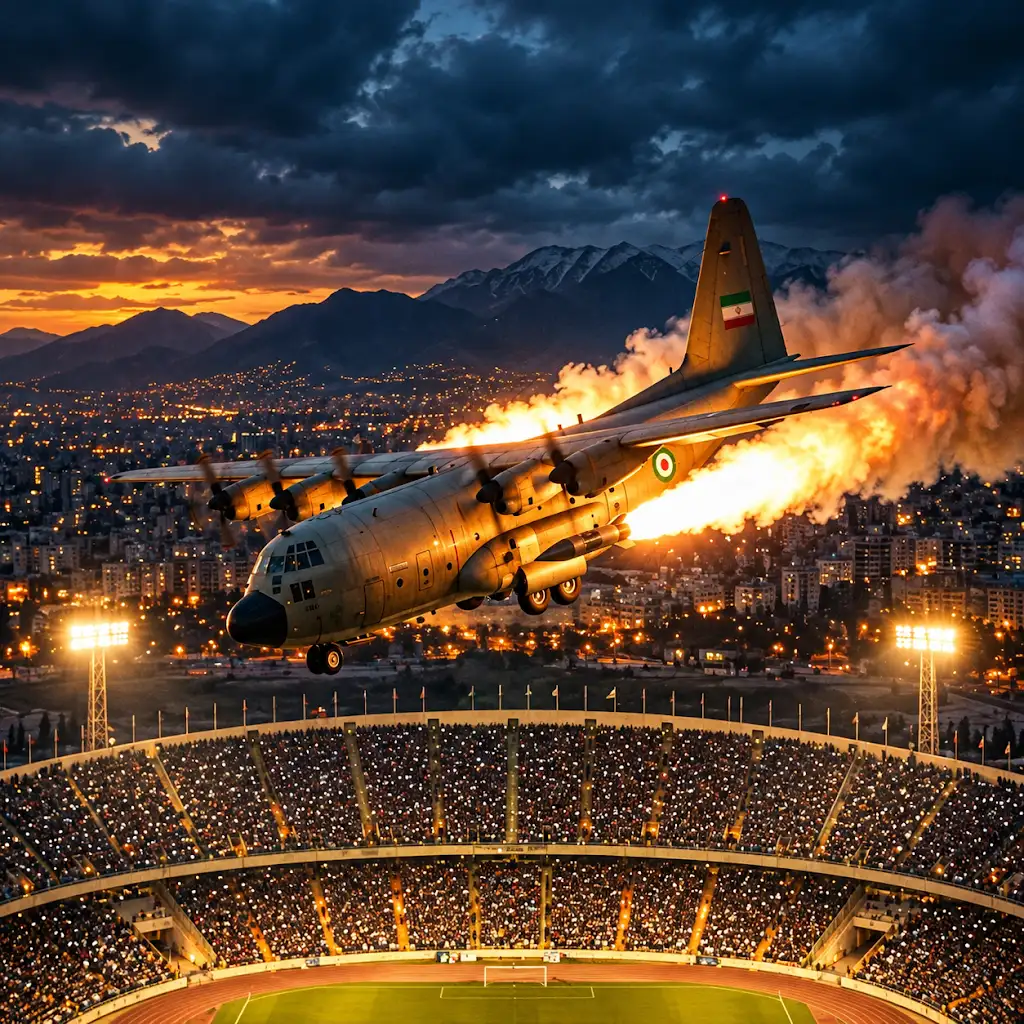
The Secret Plane Built to Land Inside a Stadium
FAQs
What was the Iran Hostage Crisis second rescue attempt?
The Iran Hostage Crisis second rescue attempt was a covert mission known as Operation Eagle Claw, carried out by the United States military in an attempt to rescue 52 American hostages held in the U.S. Embassy in Tehran, Iran.
When did the Iran Hostage Crisis second rescue attempt take place?
Operation Eagle Claw took place on April 24, 1980, during the Iran Hostage Crisis, which had begun on November 4, 1979, when Iranian militants seized the U.S. Embassy in Tehran.
What were the reasons for the failure of the second rescue attempt during the Iran Hostage Crisis?
The Iran Hostage Crisis second rescue attempt failed primarily due to a series of mechanical problems, accidents, and communication failures that occurred during the operation, leading to the mission being aborted.
How many American servicemen lost their lives during the Iran Hostage Crisis second rescue attempt?
During Operation Eagle Claw, eight American servicemen lost their lives when a helicopter collided with a transport aircraft in the Iranian desert, resulting in a tragic accident that further complicated the rescue mission.
What impact did the failure of the second rescue attempt have on the Iran Hostage Crisis?
The failure of the Iran Hostage Crisis second rescue attempt had significant political and military repercussions, leading to a loss of confidence in the U.S. government’s ability to resolve the crisis and prolonging the captivity of the American hostages in Iran.