
The Ionian Crucible: A Naval Standoff in the Mediterranean
The Ionian Sea, a body of water steeped in history and strategically vital, has played host to numerous geopolitical dramas throughout the ages. During the Cold War, its azure depths often mirrored the simmering tensions between the superpowers. One such instance, the “Ionian Sea Cold War Incident,” stands as a stark reminder of how close the world came to a direct naval confrontation, a moment where miscalculation or escalation could have had catastrophic global consequences. This incident, though perhaps less etched in public memory than some of the more overt crises, encapsulates the delicate balance of power, the constant jockeying for influence, and the ever-present threat of nuclear brinkmanship that defined the bipolar world. It was a period where the Mediterranean, a cradle of civilizations, transformed into a chessboard for a global ideological struggle, with naval forces acting as the primary pawns.
The Ionian Sea Cold War incident, a significant event that highlighted the tensions between NATO and the Warsaw Pact, is further explored in a related article that delves into the geopolitical implications of naval confrontations during that era. For a comprehensive analysis of the incident and its aftermath, you can read more in this insightful piece available at In the War Room.
Shadows of the Cold War: The Geopolitical Landscape of the Ionian
The Ionian Sea, situated between Greece, Italy, Albania, and the western coast of the Balkan Peninsula, occupies a critically important maritime crossroads. It provides access to the Adriatic Sea, the Aegean Sea, and ultimately, the Suez Canal and the Indian Ocean. During the Cold War, this strategic positioning made it a focal point of Soviet and NATO naval operations. The region was characterized by a complex web of alliances, neutral nations, and ideological divides, creating a fertile ground for Cold War machinations.
NATO’s Southern Flank: The Strategic Importance of the Mediterranean
For the North Atlantic Treaty Organization (NATO), maintaining a strong presence in the Mediterranean was paramount. The southern flank of the alliance, stretching from the Iberian Peninsula to the eastern Mediterranean, was seen as a potential invasion route for Soviet forces and a crucial area for projecting Western power. Naval bases in Italy, Greece, and Turkey were vital outposts, allowing NATO navies to monitor Soviet movements, deter aggression, and ensure the free flow of vital shipping. The Ionian Sea, being a key transit zone, was a particularly sensitive area for NATO surveillance and projection. The presence of powerful US Sixth Fleet units, alongside the navies of its Mediterranean allies, was a constant assertion of Western resolve.
The Soviet Naval Ambitions: Expanding Influence in Warm Waters
The Soviet Union, conversely, viewed the Mediterranean as a crucial pathway to achieving its goal of global naval parity with the United States. Access to warm-water ports and the ability to project power into this strategically important region were key objectives. Soviet naval deployments in the Mediterranean increased significantly from the 1960s onwards, with the establishment of a permanent Mediterranean Fleet. This deployment served multiple purposes: challenging NATO’s dominance, supporting Soviet allies in the region (such as Syria and Egypt), and providing a forward-deployed strike capability. The Ionian Sea, due to its proximity to key NATO naval bases and its role as a transit route, was a natural area for increased Soviet naval activity.
The Greek and Albanian Factor: Navigational Complexities and Ideological Divides
The presence of Greece, a staunch NATO member, and Albania, a staunchly communist and later isolated nation, within the Ionian Sea’s periphery added further layers of complexity. Greek waters were integral to NATO’s defensive posture, while Albania, under Enver Hoxha’s regime, adopted an increasingly isolationist and anti-Soviet stance after a period of alignment. This created a unique geopolitical dynamic, where naval patrols and exercises in the Ionian had to navigate not only the presence of the opposing superpower but also the sensitivities of regional actors with divergent allegiances. The territorial waters and contiguous zones of these nations were carefully monitored by both sides, adding to the potential for friction.
The Spark Ignites: Escalation in the Ionian Waters
The Ionian Sea Cold War Incident, while multifaceted, often coalesces around a specific series of events that led to a heightened state of alert and a near-confrontation. These incidents rarely occur in a vacuum; they are typically the culmination of a pattern of provocative actions, intelligence gathering, and a heightened sense of mistrust. The Ionian Sea, with its dense naval traffic, offered ample opportunities for such encounters.
Unidentified Vessels and Accusations of Provocation
The catalyst for the Ionian Sea Cold War Incident often involved the presence of unidentified naval vessels operating in close proximity to sensitive NATO installations or during crucial NATO exercises. Accusations of deliberate provocation were rife. NATO forces reported instances of Soviet submarines shadowing their fleets at dangerously close ranges, or of Soviet warships making aggressive maneuvers near allied territorial waters. Conversely, Soviet sources often alleged that NATO vessels were encroaching on their operational areas or conducting aggressive surveillance. The Ionian Sea, with its deep waters and numerous islands, provided excellent cover for submarine operations, making attribution and identification a constant challenge.
The Submarine Shadow Game: A Silent, Deadly Dance
Perhaps the most potent and unnerving aspect of the Ionian Sea incident was the silent, deadly dance of submarines. Both the United States and the Soviet Union possessed advanced submarine fleets, armed with nuclear-tipped ballistic missiles and torpedoes. The ability to track, and potentially neutralize, enemy submarines was a critical component of nuclear deterrence. In the Ionian, these hunter-killer submarines engaged in a high-stakes game of cat and mouse. Incidents of sonar contacts, near collisions, and evasive maneuvers were reportedly common, each encounter carrying the terrifying potential for escalation into a full-blown naval engagement, with the attendant risk of nuclear retaliation. The operational silence of submarines made these encounters particularly fraught, as warning shots were impossible and the intent of a shadowing vessel could be ambiguous.
Naval Exercises and the Brink of Confrontation
Major naval exercises conducted by either side in the Ionian Sea often served as flashpoints. These exercises were designed to test readiness, demonstrate capabilities, and project power. However, they also inevitably brought opposing naval forces into close proximity, increasing the risk of accidental encounters. The Ionian Sea Cold War Incident likely saw a scenario where a routine NATO exercise, perhaps involving carrier strike groups or amphibious landings, was met with a significant Soviet naval response, including the deployment of submarines and surface escorts. The close proximity, coupled with pre-existing tensions and a lack of clear communication channels, could have easily led to a misinterpretation of intentions, with one side perceiving the other’s actions as overtly hostile.
De-escalation and Diplomacy: Pulling Back from the Abyss
The hallmark of the Cold War, despite its inherent dangers, was also its periods of intense diplomatic maneuvering and de-escalation. The Ionian Sea Cold War Incident, like other near-crises, would have inevitably triggered a rapid diplomatic response to prevent a catastrophic escalation. The sheer scale of the potential consequences would have necessitated swift and decisive action from both Washington and Moscow.
Direct Communication Channels: The Hotlines and Backchannels
In moments of extreme tension, the direct communication channels established between the superpowers became invaluable. The “hotline” between Washington and Moscow, though often misunderstood as a direct voice-to-voice telephone, was a secure teletype system designed to facilitate rapid, albeit indirect, communication. Beyond the hotline, informal diplomatic backchannels, often involving trusted intermediaries or ambassadors, would have been activated. These channels were crucial for clarifying intentions, relaying messages, and seeking assurances that could prevent miscalculations from spiraling out of control. The Ionian incident would have seen these channels working overtime.
The Role of Allied and Neutral Nations: Mediating Influences
The involvement of allied nations within NATO, particularly those with direct stakes in the Ionian region like Italy and Greece, would have been significant. They would have likely been consulted by the United States and would have also been urging restraint. Furthermore, neutral nations in the Mediterranean, such as Yugoslavia or Cyprus, might have played a role, however subtle, in facilitating communication or conveying messages of de-escalation. The international community, though divided by the Cold War, would have universally dreaded the prospect of open conflict, creating a subtle pressure for peaceful resolution.
Public Posturing vs. Behind-the-Scenes Diplomacy
While publicly, both the United States and the Soviet Union would have engaged in strong rhetoric and displays of resolve to satisfy domestic audiences and allies, the real work of de-escalation would have occurred behind closed doors. Intelligence agencies would have been working overtime to assess the situation accurately, and military commanders would have been under immense pressure to avoid any action that could be misinterpreted as aggression. The public pronouncements would have been carefully calibrated to convey strength without closing off diplomatic avenues. The Ionian Sea incident would have been a prime example of this dual approach.
The Ionian Sea Cold War incident remains a significant event in maritime history, illustrating the tense geopolitical climate of the era. For those interested in exploring the broader implications of naval confrontations during this period, a related article can provide valuable insights. You can read more about the strategic maneuvers and their consequences in this comprehensive piece on naval warfare at In the War Room. This resource delves into various incidents that shaped naval policies and international relations during the Cold War, offering a deeper understanding of the complexities involved.
Aftermath and Legacy: Lessons Learned from the Ionian Crucible
| Metric | Details |
|---|---|
| Incident Name | Ionian Sea Cold War Incident |
| Date | December 1987 |
| Location | Ionian Sea, Mediterranean Sea |
| Involved Parties | United States Navy, Soviet Navy |
| Type of Incident | Naval confrontation / Submarine tracking |
| Outcome | Increased tensions but no direct conflict |
| Significance | Highlighted Cold War naval surveillance and intelligence operations |
| Casualties | None reported |
The Ionian Sea Cold War Incident, though its precise details may remain somewhat classified or obscured by the fog of war and diplomacy, left an indelible mark on the strategic thinking and operational doctrines of the naval powers involved. The experience served as a potent reminder of the ever-present dangers of superpower confrontation and the critical importance of communication and de-escalation.
Modified Naval Doctrines and Operational Protocols
Following such close calls, naval powers invariably review and revise their operational doctrines and protocols. The Ionian Sea incident likely led to enhanced procedures for identifying unknown vessels, stricter
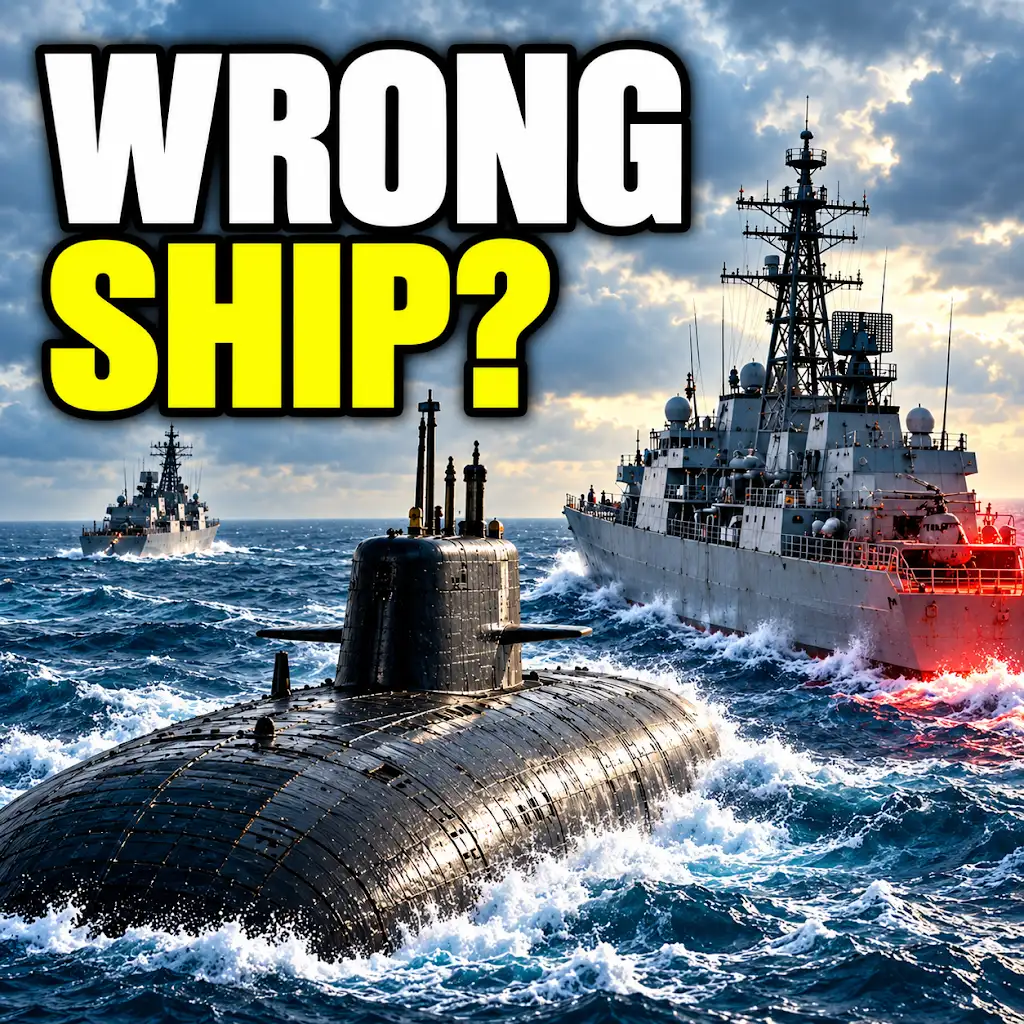
A Soviet Submarine Hit a U.S. Frigate. Was It the Wrong Ship?
FAQs
What was the Ionian Sea Cold War incident?
The Ionian Sea Cold War incident was a confrontation between the United States Navy and the Soviet Navy that took place in the Ionian Sea in September 1973.
What triggered the Ionian Sea Cold War incident?
The incident was triggered by the presence of a Soviet Navy intelligence-gathering vessel, the SSV-33, which was conducting surveillance operations near a U.S. aircraft carrier task force.
How did the United States respond to the Soviet vessel’s presence?
The United States responded by dispatching aircraft and warships to monitor and shadow the Soviet vessel, leading to a tense standoff between the two naval forces.
Were there any direct military engagements during the Ionian Sea Cold War incident?
No direct military engagements occurred during the incident, but both sides closely monitored each other’s movements and actions, raising concerns about a potential escalation.
How was the Ionian Sea Cold War incident eventually resolved?
The incident was eventually resolved through diplomatic channels, with both the United States and the Soviet Union agreeing to de-escalate tensions and avoid further confrontations in the region.