The hum of the emergency generators was a stark contrast to the usual steady thrum of the Titan II missile silo. It was a sound that would soon become synonymous with a catastrophic failure, a testament to the fragility of even the most advanced military technology. The year was 1980, and the United States Air Force faced one of its most harrowing peacetime incidents at the Damascus, Arkansas launch complex. The investigation into the Titan II missile accident was not merely an inquiry into a mechanical malfunction; it was a deep dive into human error, systemic oversights, and the chilling potential for disaster inherent in the nation’s nuclear arsenal.
The morning of September 18, 1980, began like any other at Site 374-2. The intercontinental ballistic missile, a Titan II, stood ready in its silo, a potent symbol of American deterrence. However, a seemingly minor issue was brewing, a precursor to the cataclysm that was about to unfold.
The Initial Spark: A Leaking Fuel Line
The incident that triggered the chain of events was a ruptured fuel line within the missile’s second stage. This was not an immediate explosion, but a slow, insidious leak of hypergolic fuel – a highly volatile substance that ignites on contact with oxidizer. The precise cause of the rupture would become a central point of investigation, but initial assessments pointed towards a combination of factors, including metal fatigue and the inherent dangers of handling such volatile propellants.
Identifying the Culprit: Mechanical or Human?
Investigators would grapple with determining whether the leak was a result of an inherent design flaw, wear and tear on the aging missile, or a mistake made during maintenance procedures. The Titan II program, while a cornerstone of the Cold War arsenal, was not new. These missiles had been in service for years, and the relentless demands of maintaining them were significant.
The Escalation: The Dropped Wrench
The critical turning point, the moment that transformed a potential technical problem into a full-blown emergency, was the accidental dropping of a socket wrench. A repair crew was attempting to tighten a leaking fitting on the fuel line. In the confined and pressurized environment of the silo, the dropped tool became a projectile.
The Impact: Puncturing the Oxidizer Tank
The heavy wrench, falling from a significant height, struck the oxidizer tank of the missile. The impact, though seemingly small in the grand scheme of a multi-megaton weapon, was devastating. It punctured the tank, allowing the highly reactive oxidizer to mix with the leaking fuel.
The Implacable Reaction: Hypergolic Ignition
The hypergolic nature of the Titan II’s fuel meant that the mixture of fuel and oxidizer ignited instantly. This was not a controlled burn, but a violent and uncontrolled chemical reaction that rapidly built pressure within the missile’s casing. The silo, designed to withstand immense force, was about to be tested beyond its intended limits.
The investigation into the Titan II missile accident has revealed critical insights into the safety protocols and operational procedures of the time. For a deeper understanding of the implications of this incident and its impact on missile safety, you can read a related article that discusses the broader context of military accidents and their consequences. For more information, visit this article.
The Aftermath: A Violent Eruption and its Consequences
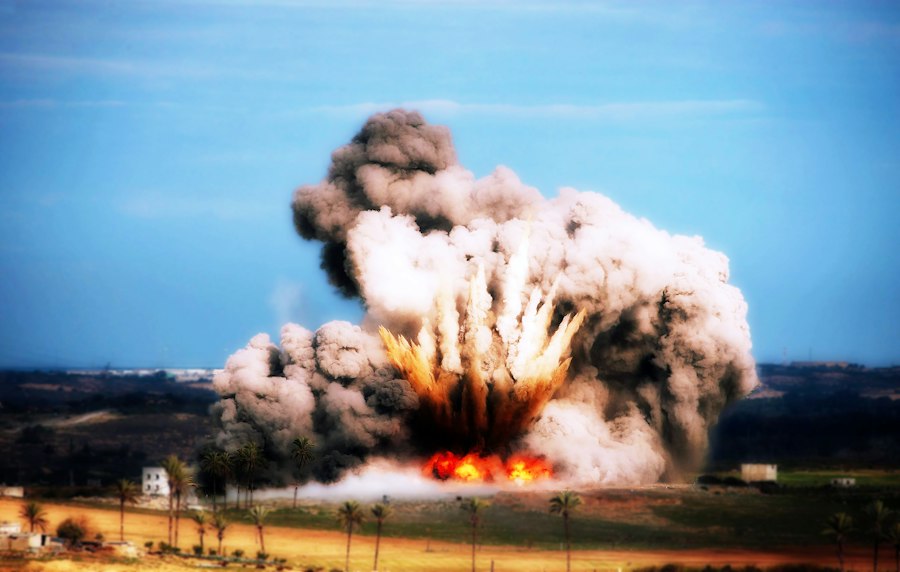
The ignition of the hypergolic propellants inside the silo created a colossal explosion. The force of this internal detonation was immense, far exceeding the blast radius of a conventional bomb. The event would leave a scar on the landscape and a lasting imprint on the minds of those involved.
The Blast and the Collapse
The explosion ripped through the missile, sending shrapnel and debris in all directions. The concrete silo, designed to protect the missile from external threats, was no match for the internal force. The blast caused the roof of the silo to buckle and collapse inward, burying the destroyed missile and much of the surrounding infrastructure under tons of concrete and earth.
The Devastation: A Cratered Landscape
The immediate aftermath revealed a scene of utter devastation. A massive crater marked the location of the silo, a stark reminder of the power unleashed. The surrounding countryside, though spared the direct impact of a nuclear warhead, bore the scars of the accidental detonation.
Emergency Response: A Race Against Time
The explosion triggered an immediate and massive emergency response. First responders, including military personnel and local emergency services, converged on the site, facing a hazardous environment fraught with the risk of further explosions and chemical contamination.
The Unseen Danger: Radiation and Chemical Hazards
While the Titan II did not carry a nuclear warhead, the propellants themselves were highly toxic and corrosive. The potential for radiation leaks from the missile’s nuclear power source for its guidance system, though not the primary explosive agent, added another layer of complexity and danger to the rescue and containment efforts.
The Investigation: Unraveling the Complexities
The investigation into the Titan II accident was an enormous undertaking, involving a multidisciplinary team of engineers, safety experts, and military investigators. Their task was to meticulously piece together the sequence of events, identify the root causes, and recommend measures to prevent future catastrophes.
The Scope of the Inquiry: Beyond a Simple Malfunction
The investigation was not limited to examining the immediate cause of the leak. It delved into the operational procedures, maintenance schedules, and training protocols for the Titan II missile crews. The goal was to understand the systemic factors that contributed to the accident.
Forensic Analysis: Reconstructing the Scene
Forensic experts meticulously examined the debris from the silo, attempting to reconstruct the events that led to the explosion. This involved analyzing metal fragments, identifying the point of impact, and understanding the chemical reactions that occurred.
Identifying Root Causes: A Multi-Faceted Approach
The investigation identified several key root causes that, in combination, led to the accident. These ranged from the seemingly mundane to the critically important.
Human Factors: The Role of Error
The dropped wrench was a clear instance of human error. However, the investigation sought to understand why this error occurred. Was it due to fatigue, inadequate training, or pressure in a high-stakes environment?
Equipment and Maintenance: The Aging Arsenal
The aging nature of the Titan II missiles and the potential for wear and tear on critical components like fuel lines were also scrutinized. The investigation examined the effectiveness of the maintenance programs in place to identify and rectify such issues.
Procedural Deficiencies: Gaps in Safety Protocols
The investigation uncovered deficiencies in the safety protocols governing maintenance procedures within the missile silo. The procedures in place at the time were not deemed adequate to prevent such an accident.
Repercussions and Reforms: Lessons Learned
The Titan II missile accident at Damascus, Arkansas, was a wake-up call for the U.S. military. The incident highlighted the inherent risks associated with nuclear weapons systems and the critical importance of stringent safety measures. The investigation’s findings led to significant reforms.
Overhauling Safety Protocols: A New Standard
The accident prompted a thorough review and overhaul of safety protocols for all missile systems. New procedures were implemented to minimize the risk of human error and ensure the safe handling of volatile materials.
Enhanced Training and Supervision: Preventing Future Mistakes
Training programs were enhanced to emphasize safety procedures, risk assessment, and the importance of meticulous work in hazardous environments. Increased supervision was also implemented to ensure adherence to new protocols.
Technological Improvements: Modernizing the Fleet
The incident also contributed to the eventual retirement of the Titan II missile system. While the missiles themselves were not inherently flawed in their nuclear delivery capabilities, the accident underscored the vulnerabilities associated with their aging infrastructure and the challenges of maintaining such complex systems. This spurred further investment in more modern and secure missile technologies.
Re-evaluation of Risk Management: A Continuous Process
The Titan II incident reinforced the understanding that risk management in the context of nuclear weapons is not a static process. It requires continuous re-evaluation, adaptation, and a commitment to learning from past mistakes.
The investigation into the Titan II missile accident has revealed critical insights into the safety protocols of nuclear weapons systems. For a deeper understanding of the implications of this incident, you can explore a related article that discusses the broader context of missile safety and operational challenges. This comprehensive analysis can be found in the article linked here, which provides valuable perspectives on the lessons learned from such accidents. To read more about this topic, visit this article.
The Enduring Legacy: A Cautionary Tale
| Metric | Details |
|---|---|
| Date of Accident | August 9, 1980 |
| Location | Arkansas, USA (Little Rock Air Force Base) |
| Missile Type | Titan II Intercontinental Ballistic Missile (ICBM) |
| Cause of Accident | Accidental puncture of missile’s fuel tank by a dropped socket wrench during maintenance |
| Resulting Damage | Fuel leak leading to explosion in missile silo |
| Casualties | 1 fatality (Airman David Livingston), 21 injured |
| Investigation Duration | Several months (August 1980 – early 1981) |
| Key Findings | Maintenance procedure errors, inadequate safety protocols, need for improved training |
| Recommendations | Revised maintenance procedures, enhanced safety measures, improved emergency response plans |
| Impact on Titan II Program | Accelerated decommissioning and phase-out of Titan II missiles |
The Titan II missile accident at Damascus, Arkansas, remains a significant event in the history of the Cold War and the American nuclear arsenal. It serves as a stark reminder of the immense power wielded by nations and the catastrophic consequences that can arise from even a single point of failure.
The Human Cost: Lives Lost and Changed
While the immediate explosion did not result in widespread civilian casualties, the accident claimed the lives of two Air Force personnel. Their sacrifice underscored the dangers faced by those tasked with maintaining the nation’s strategic defense. The psychological impact on the survivors and the community surrounding the silo was also profound.
The Environmental Impact: A Lingering Concern
The accidental release of volatile fuels and oxidizers raised concerns about potential long-term environmental contamination. While extensive cleanup efforts were undertaken, the incident left a lasting environmental footprint on the site.
The Nuclear Shadow: A Constant Vigilance
The accident served as a potent reminder that even in peacetime, the threat of accidental nuclear catastrophe is ever-present. It reinforced the need for unwavering vigilance, robust safety measures, and a constant re-evaluation of the risks associated with nuclear weapons.
The Cost of Deterrence: A Price Paid in Vigilance
The Titan II incident underscored that the price of nuclear deterrence extends beyond financial investment. It demands a continuous commitment to safety, a willingness to learn from mistakes, and a profound respect for the immense power that lies dormant in silos across the globe. The investigation into the Titan II missile accident was not just about assigning blame; it was a critical step in ensuring that such a catastrophic event would never again be allowed to unfold. It was a testament to the ongoing, often unseen, efforts to manage the existential risks of the nuclear age.

How a Dropped Socket Destroyed a Titan II Missile
FAQs
What was the Titan II missile accident investigation about?
The Titan II missile accident investigation was conducted to determine the cause of the explosion of a Titan II intercontinental ballistic missile (ICBM) in Arkansas in 1980.
Who conducted the investigation into the Titan II missile accident?
The investigation into the Titan II missile accident was conducted by the United States Air Force, specifically the Air Force Systems Command.
What were the findings of the Titan II missile accident investigation?
The investigation found that the explosion was caused by a fuel leak that occurred during maintenance work on the missile. The leak led to the ignition of the missile’s hypergolic fuel, resulting in the explosion.
Were there any casualties as a result of the Titan II missile accident?
Yes, tragically, there was one fatality and numerous injuries as a result of the Titan II missile accident. The explosion occurred in an underground silo, and the blast caused significant damage.
What were the implications of the Titan II missile accident investigation?
The investigation highlighted the importance of strict safety protocols and procedures when handling and maintaining nuclear weapons. It also led to improvements in safety measures and protocols within the United States Air Force’s missile program.