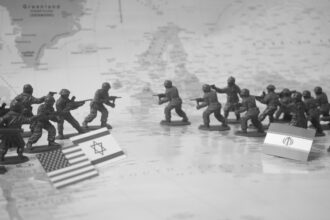
Intelligence’s Role in the Six Day War
The Six Day War of 1967 stands as a pivotal moment in modern Middle Eastern history, a swift and decisive conflict that dramatically reshaped regional geopolitics. While military might and strategic brilliance played crucial roles, the war’s outcome was inextricably linked to the pervasive and often clandestine influence of intelligence. From the pre-war intelligence gathering to the battlefield operations and post-war analysis, intelligence services on all sides worked tirelessly, influencing decisions, shaping perceptions, and ultimately contributing to the dramatic territorial shifts that defined the conflict. This article will delve into the multifaceted role of intelligence in the Six Day War, examining its impact on the prelude, the execution, and the aftermath of this short but transformative war.
The period leading up to the Six Day War was characterized by a palpable increase in regional tensions. Years of simmering animosity between Israel and its Arab neighbors, punctuated by border skirmishes and nationalist fervor, had created an environment ripe for conflict. In this volatile atmosphere, intelligence agencies on both sides were engaged in a high-stakes game of information gathering, analysis, and dissemination, a process that ultimately paved the way for the outbreak of hostilities.
Understanding Arab Intentions: Israeli Intelligence’s Crucial Task
For Israel, the paramount intelligence objective in the months preceding the war was to accurately assess the intentions and capabilities of the surrounding Arab states, particularly Egypt, Syria, and Jordan. Following the closure of the Straits of Tiran by Egypt in May 1967, a move widely perceived as an act of war, Israeli intelligence faced immense pressure to determine whether this was a bluff or a prelude to a coordinated offensive.
Monitoring Military Buildup and Movements
Israeli intelligence agencies, primarily Mossad and Aman (military intelligence), employed a comprehensive array of methods to monitor Arab military activities. This included:
- Human Intelligence (HUMINT): Agents embedded within Arab armies and governments provided invaluable, albeit often fragmented, information. These sources, operating under extreme risk, offered insights into troop deployments, armament acquisitions, and strategic planning. The reliability and authenticity of these reports were constantly scrutinized.
- Signals Intelligence (SIGINT): Intercepting radio communications and other electronic transmissions from Arab military forces provided real-time data on troop movements, command and control orders, and operational readiness. The ability to decrypt these communications was a critical advantage.
- Imagery Intelligence (IMINT): Aerial reconnaissance flights, often conducted under perilous conditions, provided visual confirmation of troop concentrations, airfields, and military infrastructure. The analysis of these images helped Israel map out enemy positions and assess their defensive capabilities.
- Open-Source Intelligence (OSINT): Monitoring Arab media, political pronouncements, and international news reports provided a broader understanding of the prevailing political climate and the public discourse surrounding the escalating crisis.
Assessing the Arab Military Threat: Strengths and Weaknesses
Beyond simply monitoring movements, Israeli intelligence was tasked with a critical assessment of the Arab military threat. This involved analyzing:
- Order of Battle: Determining the precise number of troops, tanks, artillery pieces, and aircraft available to each Arab nation. This was a continuous process, as deployments and reinforcements were ongoing.
- Training and Readiness: Evaluating the combat effectiveness of Arab forces, their level of training, and their preparedness for offensive operations. Reports on the morale and discipline of Arab troops were also crucial.
- Logistical Capabilities: Understanding the ability of Arab armies to sustain operations, including their supply lines, fuel reserves, and maintenance capabilities.
- Command and Control: Assessing the effectiveness of Arab military leadership, their communication networks, and their ability to coordinate complex maneuvers.
The intelligence assessment, while acknowledging the significant numerical superiority of the Arab forces, also highlighted critical weaknesses. These included inter-service rivalries, a lack of coordinated strategy between the Arab states, and an over-reliance on Soviet-supplied equipment which, while modern, was sometimes operated by inadequately trained personnel.
Arab Intelligence’s Blind Spots and Miscalculations
Conversely, Arab intelligence agencies, particularly those of Egypt and Syria, suffered from significant blind spots and miscalculations regarding Israel’s intentions and capabilities. Their assessments were often clouded by ideological fervor, wishful thinking, and a general underestimation of Israeli resolve and ingenuity.
Underestimating Israeli Offensive Capabilities
A pervasive miscalculation on the Arab side was the underestimation of Israel’s offensive capabilities, particularly its air force. Arab intelligence failed to fully grasp the advanced training, sophisticated tactics, and audacious strategic thinking that characterized the Israeli Air Force.
- Assumptions of Defensive Posture: Many Arab planners assumed that Israel, facing a significantly larger combined Arab force, would adopt a defensive posture, waiting to be attacked. This assumption proved fatal.
- Intelligence Failures Regarding Israeli Air Power: Arab intelligence did not adequately anticipate the pre-emptive strike that would cripple the Egyptian air force on the ground. They failed to discern the Israeli doctrine of striking first and striking hard.
- Lack of Real-Time Threat Assessment: Arab intelligence often lacked the real-time capabilities to track Israeli troop movements and air sorties with the same speed and accuracy as their Israeli counterparts.
The Impact of Political Influence on Intelligence
In many Arab states, intelligence organizations were heavily influenced by political agendas and the personal ambitions of leaders. This often led to intelligence being filtered, distorted, or even fabricated to align with pre-conceived notions and political narratives.
- Information Suppression: Unfavorable intelligence that contradicted the prevailing narrative of impending victory was often suppressed or dismissed.
- Overemphasis on Propaganda: The focus was often on projecting an image of strength and readiness, rather than on objectively assessing the true military situation.
- Lack of Independent Analysis: Intelligence agencies often lacked the autonomy to provide unbiased assessments, making them vulnerable to political manipulation.
This confluence of factors left Arab leadership operating with a dangerously flawed understanding of the strategic landscape, setting the stage for the swift and overwhelming Israeli victory.
The intelligence operations leading up to the Six Day War played a crucial role in shaping the conflict’s outcome, as detailed in a related article that explores the strategic decisions made by Israeli leaders based on the intelligence they gathered. This article delves into how the timely and accurate information allowed Israel to launch a preemptive strike against its neighbors, ultimately leading to a swift victory. For further insights into the impact of intelligence on military strategy during this pivotal moment in history, you can read more in this article: here.
The Pre-Emptive Strike: Intelligence in Action
The decision by Israel to launch a pre-emptive air strike on June 5, 1967, was a direct consequence of intelligence assessments that suggested an imminent Arab attack. This audacious move, a calculated risk based on intelligence, fundamentally altered the course of the war from its very inception.
The Intelligence Dossier for Operation Focus
The intelligence dossier that underpinned Operation Focus, the code name for the pre-emptive air strike, was a testament to the effectiveness of Israeli intelligence gathering and analysis. Key intelligence findings that informed this critical decision included:
- Confirmation of Imminent Attack: Intelligence reports indicated that Egyptian forces were actively preparing for an offensive, with troop movements and mobilization orders suggesting an imminent launch.
- Vulnerability of Egyptian Airfields: Reconnaissance flights had identified specific vulnerabilities in the static Egyptian airfields, revealing aircraft parked in close proximity, making them susceptible to a devastating air assault.
- Timing and Coordination: Intelligence suggested a potential coordinated attack from Egypt and Syria, with a synchronized timetable that necessitated an immediate Israeli response.
The Role of Aman and Mossad in Target Selection
Aman, the military intelligence directorate, and Mossad, the external intelligence agency, played pivotal roles in the planning and execution of Operation Focus.
- Aman’s Threat Assessment: Aman provided the crucial assessment of the immediate threat posed by the Egyptian Air Force and other Arab air assets, forming the basis for the pre-emptive strike doctrine.
- Mossad’s Information on Airfield Layouts: Mossad, through its human intelligence networks, provided detailed intelligence on the layout of Egyptian airfields, the types of aircraft present, and their dispersal patterns. This information was crucial for maximizing the effectiveness of the initial air assault.
- Intelligence on Air Defense Systems: Intelligence also focused on identifying and locating Arab air defense systems, allowing for the planning of flight paths and attack vectors that would minimize Israeli losses.
The Devastating Effectiveness of the First Strike
The intelligence gathered and analyzed led to a meticulously planned and executed air strike that achieved remarkable success.
- Surprise and Speed: The strike was launched during the early morning hours, catching the Egyptian air force completely by surprise. The speed and ferocity of the attack overwhelmed their defenses.
- Targeting Aircraft on the Ground: The primary objective was to destroy as many enemy aircraft as possible while they were still on the tarmac, a tactic directly informed by intelligence on their positioning.
- Crippling Arab Air Power: Within hours, the Egyptian Air Force was effectively neutralized, severely hindering its ability to support ground operations and defend its territory. Similar strikes were then carried out against Syrian and Jordanian air forces.
The success of Operation Focus, a direct manifestation of superior intelligence, gave Israel air supremacy for the remainder of the war, a critical advantage that shaped every subsequent battle.
Intelligence on the Battlefield: Shaping Ground Operations

Once the skies were secured, intelligence continued to play a vital role in guiding and shaping the ground operations of the Six Day War. The ability to provide real-time battlefield intelligence to advancing Israeli forces was instrumental in their rapid and decisive victories.
Real-Time Battlefield Intelligence for Advancing Forces
As Israeli ground forces pushed into enemy territory, the need for up-to-the-minute intelligence became paramount.
- Electronic Warfare and SIGINT: During ground operations, Signals Intelligence (SIGINT) units were crucial in intercepting enemy radio communications. This provided vital information on:
- Enemy Unit Locations: Pinpointing the positions of Arab armor, infantry, and artillery.
- Command and Control Orders: Understanding enemy movements and defensive strategies as they were being issued.
- Enemy Morale and Readiness: Gauging the effectiveness of Arab resistance and identifying potential collapse points.
- Aerial Reconnaissance and Forward Air Controllers: Israeli aircraft, guided by intelligence, conducted reconnaissance missions to identify enemy positions, obstacles, and potential flanking routes. Forward Air Controllers (FACs) integrated with ground units, relaying real-time visual intelligence and directing air support.
- HUMINT from Captured Prisoners and Locals: Information gathered from captured enemy soldiers and local populations provided valuable tactical intelligence, including details about minefields, ambush points, and the strength of enemy fortifications.
Guiding Tank Formations and Infantry Advances
The intelligence gathered directly influenced the movement and tactical decisions of Israeli ground forces.
- Avoiding Ambushes and Minefields: Intelligence reports helped tank commanders and infantry leaders avoid known enemy strongholds, minefields, and well-prepared ambush positions, reducing casualties and maintaining momentum.
- Identifying Weak Points in Defenses: By identifying gaps in Arab lines or areas where defenses were weak, intelligence allowed Israeli forces to concentrate their attacks for maximum effect.
- Exploiting Enemy Disorganization: As Arab forces became disorganized due to the initial air strikes and the speed of the Israeli advance, intelligence helped identify these pockets of disarray, allowing for rapid exploitation.
The Sinai Campaign: Intelligence and the Egyptian Collapse
In the Sinai Peninsula, the Israeli ground offensive was heavily reliant on intelligence.
- Understanding Egyptian Defensive Lines: Intelligence had mapped out the extensive Egyptian defensive fortifications, including trenches and strongpoints. However, it also revealed potential weaknesses and gaps in these lines.
- Exploiting the Speed of the Israeli Advance: The rapid Israeli armor advance, guided by intelligence about the terrain and enemy positions, overwhelmed the slower-moving Egyptian forces.
- Intelligence on Retreat Routes: As Egyptian forces began to retreat, intelligence helped identify the routes they were taking, allowing Israeli forces to cut off escape and secure captured matériel.
The Golan Heights Campaign: Intelligence and the Syrian Retreat
The capture of the Golan Heights also showcased the importance of intelligence.
- Mapping Syrian Fortifications: Israeli intelligence had detailed maps of the formidable Syrian fortifications on the Golan. However, it also identified potential routes of assault and weaknesses in their defenses.
- Intelligence on Syrian Troop Dispersal: As the fighting intensified, intelligence indicated that Syrian forces were more dispersed than initially anticipated, allowing for concentrated Israeli attacks.
- Effective Coordination of Air and Ground Assets: Intelligence facilitated the seamless coordination between Israeli air support and ground forces, a crucial factor in overcoming the heavily fortified Syrian positions.
Intelligence and Post-War Analysis: Shaping the Future

The Six Day War did not end with the last shot fired. The intelligence gathered during the conflict, and the subsequent analysis of that information, had profound and lasting implications for the region. It informed diplomatic strategies, military doctrine, and the ongoing geopolitical landscape.
The Intelligence Legacy of Captured Territories
The capture of the West Bank, Gaza Strip, East Jerusalem, the Sinai Peninsula, and the Golan Heights by Israel presented a new and complex intelligence challenge.
- Understanding Occupied Populations: Intelligence agencies were tasked with understanding the demographics, political sentiments, and potential resistance within these newly occupied territories. This involved:
- Monitoring Palestinian and Syrian Civilian Activity: Assessing levels of dissent, identifying key leaders, and understanding social dynamics.
- Countering Insurgency and Terrorism: Developing strategies to prevent and respond to acts of resistance and terrorism.
- Managing Border Security: Intelligence played a crucial role in securing Israel’s new, expanded borders, including identifying potential infiltration routes and monitoring cross-border activities.
- Assessing the Strategic Value of Captured Territories: Intelligence analysis informed Israel’s decisions regarding the long-term strategic importance of these territories, influencing settlement policies and defensive planning.
The Intelligence Arms Race
The war intensified the intelligence arms race in the Middle East. Both Israel and its Arab neighbors invested heavily in their intelligence capabilities, seeking to avoid the miscalculations of 1967.
- Technological Advancements: The war spurred advancements in SIGINT, IMINT, and other intelligence technologies, with both sides seeking to gain an edge.
- Increased Espionage and Counter-Espionage: The post-war period saw a surge in espionage activities as nations attempted to glean insights into each other’s military programs, political intentions, and intelligence methods.
- The Role of Superpowers: The involvement of the United States and the Soviet Union in supporting their respective allies also fueled the intelligence gathering efforts, with both superpowers seeking to understand the evolving regional dynamics.
Re-evaluating Arab Military Capabilities and Doctrine
The devastating defeat suffered by the Arab armies prompted a comprehensive re-evaluation of their military doctrines, training, and equipment. Intelligence played a key role in this process.
- Post-Mortem Intelligence Analysis: Arab intelligence agencies, albeit with a significant setback, began to analyze the reasons for their defeat. This involved:
- Identifying Intelligence Failures: A critical examination of where and how their intelligence gathering and analysis had gone wrong.
- Learning from Israeli Tactics: Studying Israeli military tactics and operational procedures, seeking to understand how they achieved such rapid success.
- Influence on Military Reforms: The findings of these analyses, however imperfect, influenced military reforms in Egypt, Syria, and other Arab nations, leading to a greater emphasis on combined arms operations, improved command and control, and a more realistic assessment of capabilities.
The Yom Kippur War: A Rehearsal of Intelligence Lessons?
While the Six Day War was a clear Israeli victory, the subsequent Yom Kippur War in 1973, though initially marked by Arab successes, ultimately demonstrated the continued challenges and evolutions in intelligence. The initial Arab surprise attack in 1973 highlighted shortcomings in Israeli intelligence, while the subsequent Israeli counter-offensive showcased the enduring importance of their intelligence gathering and analytical capabilities. The lessons learned, or not learned, from the Six Day War undoubtedly shaped the intelligence landscape that led to the conflict in 1973.
The role of intelligence in shaping the outcomes of the Six Day War is a fascinating topic that highlights how critical information can influence military strategy and decision-making. For a deeper understanding of this subject, you can explore a related article that delves into the intricacies of intelligence operations during this pivotal conflict. The insights provided in this piece illustrate how Israel’s intelligence capabilities played a crucial role in preemptive strikes and overall military success. To read more about this, visit this article which offers a comprehensive analysis of the events leading up to the war and the intelligence strategies employed.
The Human Element: Spies, Sources, and Secrets
| Aspect | Impact |
|---|---|
| Intelligence gathering | Provided crucial information on enemy movements and intentions |
| Strategic planning | Enabled preemptive strikes and effective deployment of forces |
| Tactical advantage | Allowed for precise targeting and swift military actions |
| Situational awareness | Helped in adapting to changing battlefield conditions |
| Decision-making | Informed leaders for making timely and effective decisions |
Beyond the technological marvels of signals interception and aerial reconnaissance, the human element was, and remains, critical to intelligence operations. The Six Day War was won and lost, in part, by the courage and ingenuity of individual spies and the information they managed to extract.
The Role of Human Intelligence (HUMINT)
Human Intelligence, the oldest form of espionage, played a significant role in the intelligence landscape of the Six Day War.
- Infiltrators and Agents: Operatives embedded within military establishments and intelligence agencies of enemy states provided invaluable insights that technology alone could not always replicate. These individuals often risked their lives to pass on information about troop movements, political intentions, and operational plans.
- Defectors and Double Agents: The defection of individuals from enemy ranks, or the successful cultivation of double agents, provided unique perspectives and often confirmed or contradicted information obtained through other means.
- Liaison with Local Populations: In contested territories or during military campaigns, intelligence agencies often relied on local contacts and informants to gather information about enemy movements, civilian sentiment, and potential threats.
The Risks and Rewards of Human Sources
The life of a human source is fraught with peril.
- Risk of Discovery and Retribution: Discovery often meant severe punishment, including imprisonment, torture, or execution.
- Psychological Toll: Maintaining a double life and constantly living with the threat of exposure took a significant psychological toll on agents.
- The Value of Unfiltered Information: Despite the risks, human sources could provide context, nuance, and insights that were impossible to glean from technical means. A single well-placed agent could reveal a critical strategic plan or a critical vulnerability.
The Art of Deception and Counter-Intelligence
Intelligence is not solely about gathering information; it is also about preventing the enemy from doing the same and, crucially, about deceiving the enemy.
- Deception Operations: Both sides likely employed deception tactics to mislead the other about their true intentions, capabilities, and troop dispositions. This could range from minor ruses to elaborate disinformation campaigns.
- Counter-Intelligence Measures: Protecting one’s own secrets was as important as obtaining those of the enemy. Counter-intelligence efforts aimed to:
- Identify and Neutralize Enemy Agents: Actively seeking out and apprehending enemy spies operating within their borders.
- Protect Classified Information: Implementing security protocols to safeguard sensitive documents, communications, and operational plans.
- Misinformation and Double-Bluff: Deliberately feeding false information to enemy intelligence to mislead their planning.
The Information War Beyond the Battlefield
The information war was not confined to the battlefield. It extended into the political and diplomatic arenas, where intelligence shaped perceptions and influenced decision-making at the highest levels. The careful curation and selective release of intelligence could bolster a nation’s narrative and influence international opinion, a subtle but powerful aspect of the intelligence role.
Conclusion: The Enduring Impact of Intelligence
The Six Day War serves as a profound case study in the critical role of intelligence in modern warfare. The swift and decisive victory of Israel was not merely a product of superior military hardware or strategy, but rather a testament to the effectiveness of its intelligence apparatus. From the meticulous pre-war analysis that led to the pre-emptive strike, to the real-time battlefield intelligence that guided advancing forces, intelligence was woven into the very fabric of the conflict.
Conversely, the profound miscalculations and blind spots of Arab intelligence agencies contributed significantly to their devastating defeat. The political interference, ideological biases, and technological limitations that hampered their efforts left them unprepared for the speed, audacity, and precision of the Israeli assault.
The legacy of intelligence in the Six Day War extends far beyond the battlefield. It shaped the territorial map of the Middle East, influenced regional power dynamics for decades, and spurred an ongoing intelligence arms race. The lessons learned, and sometimes forgotten, from this transformative conflict continue to inform the strategies and operations of intelligence agencies worldwide, underscoring the enduring and often unseen power of intelligence in shaping the course of history. The war demonstrated that in the intricate dance of international relations and armed conflict, information is not just power; it is the very foundation upon which victory or defeat is built.
The Intelligence System That Won the Six-Day War Before It Began
FAQs
1. What role did intelligence play in the Six Day War?
Intelligence played a crucial role in the Six Day War, as both Israel and its Arab neighbors relied heavily on intelligence gathering to assess each other’s military capabilities and intentions.
2. How did intelligence impact the outcome of the Six Day War?
Intelligence allowed Israel to preemptively strike and neutralize the air forces of Egypt, Jordan, and Syria, giving them a significant advantage in the conflict. Additionally, accurate intelligence on enemy troop movements and positions enabled Israel to execute successful military operations.
3. What were some key intelligence successes during the Six Day War?
One of the key intelligence successes was Israel’s ability to accurately assess the Arab military buildup and intentions leading up to the war. This allowed Israel to prepare and execute a preemptive strike that crippled the Arab air forces.
4. Were there any intelligence failures during the Six Day War?
One notable intelligence failure was the underestimation of the Arab forces’ capabilities by some Israeli intelligence agencies. This led to initial doubts about the feasibility of a preemptive strike, which were eventually overcome by more accurate intelligence assessments.
5. How did intelligence shape the post-war landscape in the Middle East?
The intelligence successes of the Six Day War solidified Israel’s military and strategic position in the region, while also leading to a reevaluation of intelligence capabilities and priorities among Arab nations. The war also highlighted the importance of intelligence in modern warfare and its impact on geopolitical dynamics.