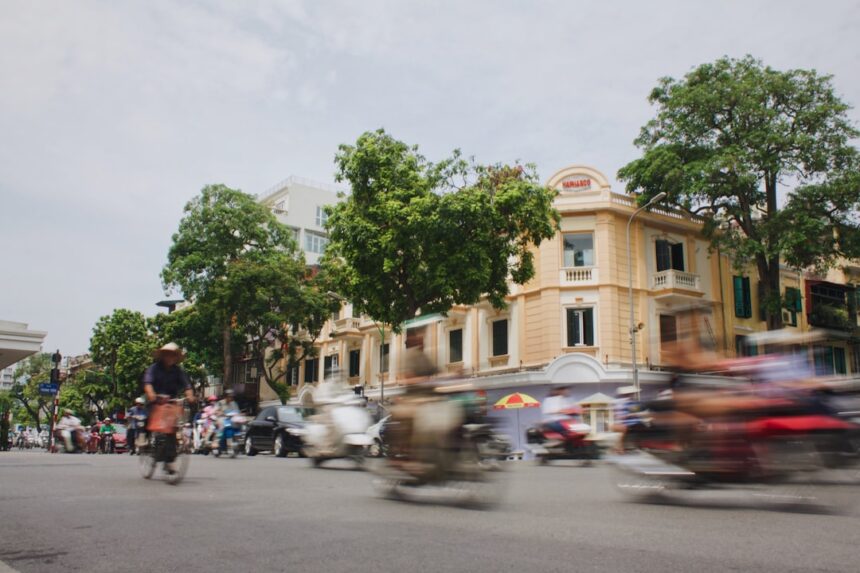
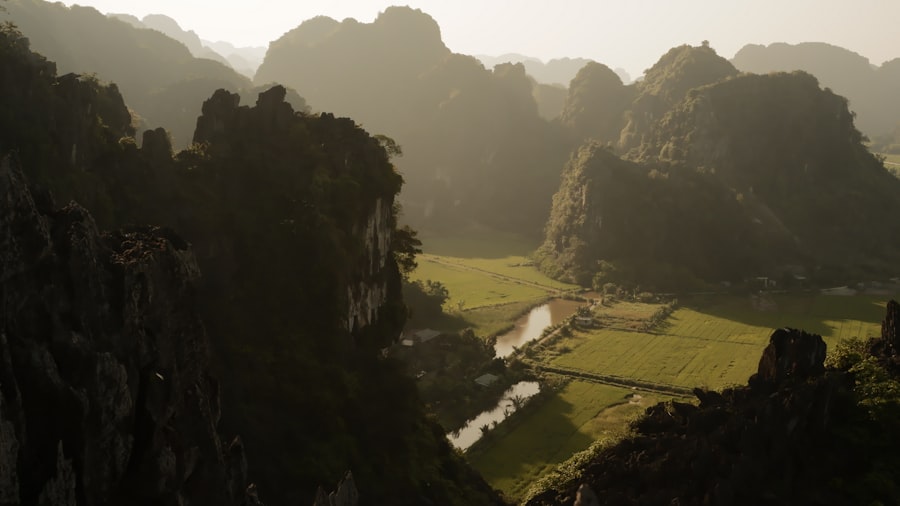
A recent comprehensive study, meticulously conducted across various regions of Vietnam, has yielded a wealth of insights into the nation’s dynamic socio-economic landscape, its evolving cultural norms, and the resilience of its people. This extensive research, encompassing both empirical studies and ethnographic observations, paints a vivid picture of a country in profound transformation, balancing its rich heritage with the rapid currents of modernization. The group, a consortium of international and Vietnamese researchers, dedicated years to immersing themselves in diverse communities, from the bustling metropolises of the south to the serene agricultural heartlands and the remote mountainous areas in the north. Their findings offer a nuanced understanding of the challenges and opportunities that define contemporary Vietnam, moving beyond superficial generalizations to capture the intricate realities of daily life.
The study’s overarching aim was to provide a holistic perspective, recognizing that no single discipline could fully encapsulate the complexities of a nation as multifaceted as Vietnam. Therefore, the research integrated methodologies from sociology, anthropology, economics, public health, and environmental science. This interdisciplinary approach allowed for the triangulation of data, strengthening the validity of the conclusions drawn. The observations were not confined to urban centers, which often dominate global perceptions of Vietnam, but deliberately extended to rural villages, ethnic minority communities, and coastal regions, ensuring a representative cross-section of the population. The insights gleaned are not merely academic; they hold significant implications for policy-making, international development, and fostering deeper cultural understanding.
Understanding Economic Transformation and its Social Ramifications
The economic reforms, often referred to as Đổi Mới, initiated in 1986, have undeniably reshaped Vietnam’s trajectory. The study delved deeply into the tangible effects of this economic liberalization, observing how it has permeated every stratum of society. The shift from a centrally planned economy to a socialist-oriented market economy has spurred unprecedented growth, lifting millions out of poverty and creating new avenues for entrepreneurial ventures. However, this rapid ascent is not without its complexities, and the research highlights the nuanced social consequences of these economic shifts.
The Rise of the Middle Class and Shifting Consumption Patterns
One of the most prominent observations is the burgeoning middle class, particularly in urban areas. The study documented a significant increase in disposable income, leading to a transformation in consumption patterns. This is evident in the growing demand for imported goods, modern housing, and leisure activities. Researchers observed the proliferation of shopping malls, international fashion brands, and a heightened interest in travel and education. This evolving consumer landscape reflects not only increased affluence but also a growing exposure to global trends and aspirations. The study also noted the impact of social media in shaping these aspirations, with online platforms acting as powerful conduits for information and influence. The aspirations of younger generations, in particular, are increasingly influenced by globalized lifestyles, creating a dynamic tension with traditional values. This rising middle class is not homogenous, and the study identified variations in their consumption habits based on income levels, geographic location, and cultural background.
Rural-Urban Divide and Emerging Inequalities
Despite the overall economic progress, the study underscored the persistent and, in some instances, widening rural-urban divide. While cities are experiencing rapid development, many rural areas, particularly those in remote or disadvantaged regions, lag behind. This economic disparity translates into differential access to education, healthcare, and infrastructure. The research observed instances of rural-to-urban migration driven by the pursuit of better economic opportunities, leading to social challenges in both sending and receiving communities. The study highlighted the impact of this migration on family structures, with many young adults leaving their aging parents behind. Furthermore, the concentration of investment and development in urban centers has, in some cases, exacerbated inequalities, creating new social stratification. The study also noted the growing disparity between different sectors of the economy, with some industries experiencing explosive growth while others remain relatively stagnant.
Entrepreneurship and the Spirit of Innovation
The study recognized the remarkable entrepreneurial spirit that pervades Vietnamese society. From small family-run businesses to burgeoning tech startups, individuals are actively seeking opportunities to innovate and succeed. Researchers were particularly struck by the resilience and adaptability of small business owners, who often operate with limited resources but possess an unwavering determination. The study documented numerous examples of individuals who have successfully navigated complex regulatory environments and competitive markets to build thriving enterprises. This spirit of entrepreneurship is a key driver of Vietnam’s economic dynamism and represents a significant source of national pride. The research also explored the role of informal networks and social capital in supporting entrepreneurial endeavors, highlighting the importance of trust and relationships in the Vietnamese business context. The study identified challenges faced by entrepreneurs, such as access to finance, bureaucratic hurdles, and the need for improved business management skills.
The Studies and Observations Group (SOG) Vietnam played a crucial role in covert operations during the Vietnam War, and understanding its impact can be further explored in a related article. For a deeper insight into the strategies and missions undertaken by SOG, you can read more at this article.
Cultural Evolution Amidst Globalization
Vietnam’s cultural landscape is a fascinating blend of ancient traditions and the pervasive influence of globalization. The study sought to understand how these forces interact, shaping the beliefs, practices, and social norms of the Vietnamese people. The observations revealed a dynamic interplay, with some traditions adapting to new contexts while others face challenges in their preservation.
The Enduring Influence of Confucianism and Ancestor Worship
Despite the influx of Western ideas, the study confirmed the enduring influence of Confucian principles and ancestor worship. These deeply ingrained cultural values continue to shape family dynamics, social hierarchies, and ethical considerations. Researchers observed the continued importance placed on filial piety, respect for elders, and the maintenance of harmonious social relationships. Ancestor worship, a cornerstone of Vietnamese spiritual life, remains a significant practice, with families regularly paying homage to their deceased relatives. This continuity provides a sense of identity and belonging, anchoring individuals within a larger historical and familial narrative. The study also noted the ways in which these traditions are being reinterpreted and adapted in contemporary settings, sometimes blending with modern practices. For instance, younger generations may express their filial piety in different ways, such as providing financial support or ensuring their parents’ well-being in their old age.
Youth Culture, Modernity, and Identity Formation
The study paid particular attention to the evolving cultural landscape among Vietnamese youth. Exposed to a globalized media environment and increasingly interconnected through digital platforms, young people are forging new identities that often blend traditional values with contemporary influences. Researchers observed a growing interest in K-pop, Western fashion, and global social trends, alongside a continued appreciation for Vietnamese culture. This creates a unique hybrid identity, where youth navigate the complexities of belonging to both a local and a globalized world. The study also noted the emergence of new forms of artistic expression and social activism among young people, reflecting their engagement with contemporary issues and their desire to shape the future of their nation. The research identified instances where young people are actively questioning or re-evaluating traditional norms, leading to shifts in social expectations and personal choices.
The Role of Religion and Spirituality in Modern Vietnam
The study explored the diverse religious and spiritual landscape of Vietnam, noting the coexistence of Buddhism, Catholicism, Taoism, and indigenous beliefs, alongside a growing secularization. While traditional religious practices remain prevalent, particularly in rural areas, the study also observed a nuanced engagement with spirituality in urban settings. Many individuals find solace and community in religious institutions, while others explore personal spiritual journeys outside of organized religion. The research highlighted the adaptive nature of religious practices, with many communities finding ways to integrate their faith into their daily lives and modern societal structures. The study also noted the government’s approach to religious affairs, which aims to balance freedom of worship with national stability. The influence of spiritual beliefs on social cohesion and individual well-being was a recurring theme.
Health and Well-being: Navigating Challenges and Progress
The study examined the health and well-being of the Vietnamese population, recognizing the intricate relationship between socio-economic factors, environmental changes, and public health outcomes. Significant progress has been made in various health indicators, yet persistent challenges remain, particularly in ensuring equitable access to quality healthcare.
Advances in Healthcare Access and Public Health Initiatives
The research acknowledged the substantial improvements in healthcare access and the effectiveness of various public health initiatives. The study documented the expansion of healthcare facilities, increased vaccination rates, and a reduction in infant and maternal mortality. Government-led programs addressing infectious diseases like HIV/AIDS and tuberculosis have yielded positive results. The increasing awareness of health and hygiene among the population, particularly in urban areas, was also noted. The study highlighted the dedication of healthcare professionals working in challenging conditions, often with limited resources. The increased availability of information about health and wellness through digital channels has also contributed to greater health consciousness.
Emerging Health Concerns and Environmental Factors
Despite these advances, the study identified emerging health concerns and the significant impact of environmental factors. The rapid urbanization and industrialization have led to increased air and water pollution, contributing to respiratory illnesses and other health problems. The changing dietary habits, characterized by increased consumption of processed foods, are also contributing to a rise in non-communicable diseases such as diabetes and cardiovascular disease. The study observed the disproportionate impact of these environmental and lifestyle changes on vulnerable populations, including the elderly and those living in industrial areas. The research also touched upon the mental health challenges faced by individuals navigating the pressures of modern life, including stress and anxiety. The long-term health consequences of exposure to environmental toxins, such as those associated with Agent Orange, continue to be a concern in certain regions.
The Role of Traditional Medicine and Holistic Health Practices
The study recognized the continued importance of traditional medicine and holistic health practices in Vietnam. Alongside modern medical treatments, many Vietnamese people continue to rely on herbal remedies, acupuncture, and other traditional healing methods for various ailments. Researchers observed that these practices often complement Western medicine, providing a sense of continuity and cultural connection to healing. The study noted the growing interest in these practices among some segments of the younger generation, who are seeking more natural and holistic approaches to health and wellness. The integration of traditional and modern healthcare approaches is an area of ongoing development, with potential for improved patient outcomes. The study also explored the cultural beliefs surrounding illness and healing, which often inform the choices individuals make regarding their health.
Environmental Sustainability: Balancing Development and Conservation
Vietnam’s rapid economic development has placed significant pressure on its natural environment. The study investigated the intricate balance between development imperatives and the urgent need for environmental conservation, observing both the challenges and the growing commitment to sustainability.
The Impact of Industrialization and Urbanization on Natural Resources
The research highlighted the considerable environmental impact of rapid industrialization and urbanization. Deforestation, habitat destruction, and the depletion of natural resources were observed in various regions. The study documented the challenges associated with managing industrial waste, controlling pollution, and ensuring the sustainable use of water resources. The expansion of agricultural lands, often at the expense of natural ecosystems, was also a concern. The impact of these environmental changes on biodiversity and local ecosystems was a key focus of the research. The study noted the increasing instances of natural disasters, such as floods and droughts, which are exacerbated by environmental degradation.
Emerging Environmental Awareness and Conservation Efforts
Despite the environmental challenges, the study also observed a growing environmental awareness among the Vietnamese population and an increasing commitment to conservation efforts. Researchers documented initiatives ranging from community-based waste management programs to government-led reforestation projects and the establishment of protected areas. There is a growing recognition of the link between environmental health and human well-being. The study also noted the influence of international organizations and NGOs in supporting and promoting sustainable practices. The engagement of civil society organizations in environmental advocacy and awareness campaigns was a positive development. The research identified a generational shift in environmental attitudes, with younger Vietnamese showing a greater concern for ecological issues.
Climate Change Vulnerability and Adaptation Strategies
The study addressed Vietnam’s significant vulnerability to climate change. The country’s long coastline and its reliance on agriculture make it particularly susceptible to rising sea levels, increased frequency of extreme weather events, and changes in rainfall patterns. Researchers observed the challenges faced by coastal communities in adapting to these changes, including saltwater intrusion and increased erosion. The study also highlighted the government’s efforts to develop and implement adaptation strategies, such as investing in climate-resilient infrastructure and promoting sustainable agricultural practices. The research emphasized the need for continued investment and international cooperation to address the complex challenges posed by climate change. The study also explored the socio-economic implications of climate change impacts, particularly on food security and displacement.
The Studies and Observations Group Vietnam has been a significant focus in discussions about covert operations during the Vietnam War. For those interested in a deeper exploration of military strategies and their implications, a related article can be found on In The War Room, which delves into various aspects of military history and operations. You can read more about it in this insightful piece here.
Social Cohesion and Community Life: The Fabric of Vietnamese Society
The study sought to understand the dynamics of social cohesion and the fabric of community life in Vietnam, recognizing the importance of strong social bonds in a rapidly changing society. Observations revealed a complex interplay of traditional community structures and evolving social interactions.
The Importance of Family and Kinship Networks
The family unit remains the fundamental building block of Vietnamese society. The study consistently observed the deep importance placed on family ties, with extended families often living in close proximity and providing mutual support. Kinship networks play a crucial role in social life, influencing decisions related to education, marriage, and employment. The study documented instances of strong intergenerational solidarity, where elders are respected and cared for by younger family members. This emphasis on family provides a vital source of social capital and stability. The research also noted the increasing mobility of families, with some members working in different cities or even countries, creating new challenges for maintaining close family connections.
Community Engagement and Social Capital
Beyond the immediate family, the study explored the vitality of community engagement. Researchers observed a strong sense of collective responsibility and mutual assistance within villages and neighborhoods. This social capital manifests in various forms, from helping neighbors with agricultural tasks to organizing community events and supporting those in need. The study noted the role of local associations and informal groups in fostering a sense of belonging and collective action. While modernization and urbanization may be altering the nature of these interactions, the underlying commitment to community well-being remains evident. The research identified the challenges faced by new urban dwellers in establishing strong community connections in increasingly anonymous settings.
Social Harmony and Conflict Resolution
Maintaining social harmony is a deeply valued principle in Vietnamese culture. The study observed a general preference for resolving conflicts through mediation and consensus-building, often within family or community structures. Overt public confrontation is generally avoided, with an emphasis placed on preserving face and maintaining good relationships. However, the study also acknowledged that societal changes, such as increased economic disparities and evolving social norms, can create new sources of tension. The research explored the mechanisms through which these tensions are managed and the evolving approaches to conflict resolution in a more complex society. The study also highlighted the role of local authorities and traditional leaders in mediating disputes.
In conclusion, the insights gleaned from this extensive study and observation group in Vietnam offer a profound and multifaceted understanding of a nation in constant motion. It is a country that artfully navigates the currents of globalization while holding firm to its rich cultural heritage, a nation striving for economic prosperity while grappling with the imperative of environmental sustainability, and a society where strong familial and community bonds provide a bedrock of resilience. These observations serve as a vital resource for anyone seeking to comprehend the complexities and dynamism of contemporary Vietnam, underscoring its significance on the global stage and the ongoing journey of its remarkable people.

The Vietnam Plot That Made Soldiers Fear Their Own Guns
FAQs
What is the Studies and Observations Group (SOG) in Vietnam?
The Studies and Observations Group (SOG) was a highly classified, multi-service United States special operations unit which conducted covert unconventional warfare operations prior to and during the Vietnam War.
What was the primary mission of the Studies and Observations Group (SOG) in Vietnam?
The primary mission of the Studies and Observations Group (SOG) was to conduct reconnaissance, sabotage, psychological warfare, and rescue operations in enemy-controlled territory.
When was the Studies and Observations Group (SOG) active in Vietnam?
The Studies and Observations Group (SOG) was active in Vietnam from 1964 to 1972.
What were some of the key accomplishments of the Studies and Observations Group (SOG) in Vietnam?
The Studies and Observations Group (SOG) was credited with gathering valuable intelligence, conducting successful rescue missions, and disrupting enemy operations through sabotage and psychological warfare.
What is the legacy of the Studies and Observations Group (SOG) in Vietnam?
The Studies and Observations Group (SOG) is remembered for its daring and innovative tactics, as well as its significant contributions to the overall U.S. military effort in Vietnam.