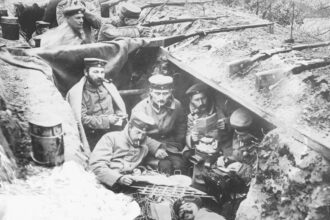
The air hung thick with the scent of damp earth and the metallic tang of fear. This was the Vietnam of hushed whispers and shadowed movements, a Vietnam rarely seen by the public eye. “Inside Vietnam: Covert Operations” seeks to pull back the curtain on this clandestine world, offering a glimpse into the missions that unfolded far from the glare of battlefield cameras and the pronouncements of generals. This documentary doesn’t focus on the sweeping offensives or the iconic images of the war. Instead, it delves into the shadows, exploring the often brutal and morally ambiguous realm of special forces operations, intelligence gathering, and the unseen battles fought by individuals operating under extreme pressure.
This documentary immediately establishes the distinct nature of covert operations, setting them apart from conventional warfare. It argues that these missions were not merely extensions of open conflict but a different breed of warfare altogether, relying on secrecy, deception, and the specialized skills of a select few. The film meticulously crafts a narrative that emphasizes the psychological toll and the unique ethical quandaries faced by those involved.
The Spectre of Secrecy
The paramount importance of secrecy in covert operations is a recurring theme. The film illustrates how the success or failure of a mission often hinged on the ability of operatives to remain undetected. This wasn’t just about physical stealth; it extended to the very existence of the units and their objectives. The documentary uses archival footage, often grainy and fragmented, to underscore the clandestine nature of these endeavors. It speaks to the deep compartmentalization of information, where even those involved in the broader war effort might have had no knowledge of these specialized activities. This section meticulously outlines the layers of secrecy, from the initial planning stages to the exfiltration of operatives, highlighting the constant vigilance required to maintain plausible deniability. The film uses interviews with former operatives and intelligence analysts to paint a vivid picture of the immense pressure to keep these missions classified, a pressure that often extended beyond the battlefield and into their personal lives. The filmmakers explore the paradox of these operations: the necessity of their existence for strategic advantage versus the inherent difficulty of justifying actions that could not be publicly acknowledged.
Beyond the Battlefield: Intelligence and Influence
“Inside Vietnam: Covert Operations” broadens the definition of covert action beyond purely military engagements. It showcases how intelligence gathering and psychological operations were integral components of these clandestine efforts. The documentary argues that understanding the enemy’s intentions, morale, and infrastructure was as crucial as any direct confrontation.
The Whispers of Intelligence
A significant portion of the documentary is dedicated to the critical role of intelligence. It explores the methods employed to gather information, from human intelligence sources deep within enemy territory to sophisticated electronic surveillance. The film avoids sensationalism, instead focusing on the meticulous and often dangerous work of intelligence operatives. Interviews with former intelligence officers reveal the intricate webs of contacts they cultivated, the risks they undertook to extract vital information, and the ethical tightropes they often walked. The documentary highlights specific instances where intelligence gathered through covert means directly impacted strategic decisions, potentially averting larger casualties or achieving specific political objectives. It delves into the psychological fortitude required for these individuals, operating under constant suspicion and the burden of knowing secrets that could have far-reaching consequences. The filmmakers also touch upon the inherent challenges of verifying intelligence, especially in a chaotic environment like Vietnam, where misinformation and deception were rampant.
The Art of Psychological Warfare
The documentary also examines the less visible but equally potent weapon of psychological warfare. It illustrates how covert operations were used not only to achieve tactical objectives but also to undermine enemy morale and sow discord. This included propaganda dissemination, misinformation campaigns, and attempts to influence local populations. The film provides examples of operations designed to exploit existing divisions within Vietnamese society or to create new ones. Former operatives recount how they utilized psychological tactics to create a sense of unease and uncertainty among enemy combatants and sympathizers. The ethical implications of manipulating populations are implicitly raised, though the documentary primarily focuses on the strategic rationale behind these actions within the context of the war. The effectiveness and long-term consequences of such operations are also briefly explored, hinting at the complexities of wielding influence in a foreign land.
For those interested in the intricacies of covert operations during the Vietnam War, the documentary featured on the website offers a compelling exploration of the strategies and tactics employed by various factions. To delve deeper into the subject, you can also read a related article that discusses the impact of these covert operations on the overall war effort. Check it out here: Vietnam War Covert Operations.
Elite Units: The Spearhead of Secrecy
The film introduces the specialized units that formed the backbone of Vietnam’s covert operations. These were not the regular infantry but highly trained individuals chosen for their resilience, adaptability, and specialized skills. The documentary meticulously details the rigorous selection and training processes that forged these elite operatives.
Selection Under Fire
The selection process for these covert units was depicted as exceptionally stringent, even more so than for standard special forces. The documentary emphasizes that candidates were not only tested on their physical prowess and combat skills but also on their psychological fortitude, their ability to operate independently, and their capacity for critical thinking under immense pressure. Interviews with former trainers and operatives reveal the intense scrutiny individuals underwent, the psychological evaluations, and the simulated stress scenarios designed to identify those who could thrive in the unforgiving environment of covert operations. The film highlights that simply being a good soldier was not enough; candidates needed a unique blend of intellect, courage, and an almost innate ability to remain calm and decisive in the face of extreme danger and uncertainty. The sheer difficulty of passing these selection criteria meant that only a tiny fraction of the military personnel were ever considered for these roles, further emphasizing the elite nature of these units.
Training for the Unseen
The training regimen for these covert operatives was described as unparalleled in its intensity and specialization. The documentary illustrates how trainees were subjected to a curriculum that went far beyond conventional military training. This included advanced reconnaissance techniques, infiltration and exfiltration methods, demolition, unarmed combat, survival skills in hostile environments, and the art of deception and disguise. The film uses reenactments and archival footage to convey the demanding nature of this training, which often pushed individuals to their absolute limits. A key aspect highlighted is the emphasis on adaptability and improvisation, as operatives often had to operate with incomplete information and in unpredictable circumstances. The documentary stresses that this training was designed not just to impart skills but to instill a mindset of constant awareness, resourcefulness, and an unwavering commitment to the mission, no matter the personal cost.
Missions in the Shadowlands: Case Studies and Controversies

“Inside Vietnam: Covert Operations” delves into specific, albeit often anonymized, missions, offering concrete examples of the types of operations undertaken. This section is where the documentary grapples with the inherent controversies and ethical dilemmas associated with such clandestine activities.
The Ghost Patrols: Infiltration and Sabotage
The documentary provides detailed accounts of reconnaissance and sabotage missions conducted deep within enemy territory. These “ghost patrols,” as they were sometimes known, involved small teams infiltrating enemy lines to gather intelligence, disrupt supply lines, or neutralize key targets. The film uses a combination of survivor testimonies, declassified mission logs (where available), and expert analysis to reconstruct these operations. The immense bravery and calculated risk involved are palpable. Operatives recount the constant threat of discovery, the painstaking navigation through dense jungle and enemy-controlled areas, and the adrenaline-fueled moments of executing their objectives. The documentary doesn’t shy away from the brutal realities of these missions, including the necessary use of force and the psychological impact of operating in such an environment. The filmmakers emphasize that these missions were often considered high-risk, low-return operations in terms of public recognition, but vital for gaining a strategic edge.
The Dirty Wars: Morality and Ambiguity
This section is perhaps the most challenging and thought-provoking. The documentary confronts the moral ambiguities inherent in covert operations. It explores instances where the lines between necessary military action and questionable ethical conduct became blurred. While the film avoids overt condemnation, it presents scenarios that raise serious questions about the methods employed. Interviews with former operatives and military historians discuss the pressures of war, the dehumanization that can occur, and the difficult decisions made under duress. The documentary acknowledges that some operations may have involved actions that, in retrospect, are difficult to justify. This is where the film encourages viewers to consider the complex realities of war and the burden of responsibility placed upon individuals tasked with operating in the ethical gray areas. The filmmakers aim to foster a nuanced understanding, acknowledging the strategic imperatives while also prompting reflection on the human cost and the long-term implications of certain tactics.
The Unseen Consequences: Psychological and Societal Impact
Beyond the immediate battlefield, the documentary also examines the lasting consequences of these covert operations, both on the operatives themselves and on the societies in which they operated. The psychological toll on individuals who carried out these missions is a significant focus.
The Ghosts Within: The Operative’s Burden
The film dedicates considerable time to the psychological impact on the operatives. Many of these individuals returned from Vietnam carrying the weight of their experiences, often unable to fully articulate the horrors they had witnessed or the difficult choices they had made. The documentary features interviews with veterans who speak of post-traumatic stress, difficulty reintegrating into civilian life, and the profound sense of isolation that comes with having participated in missions that could not be openly discussed. The filmmakers suggest that the secrecy surrounding these operations, while necessary for their execution, also exacerbated the psychological burden on the individuals involved. The inability to share their experiences with loved ones or even fellow veterans of conventional units created a unique form of suffering. The documentary highlights the immense resilience required to overcome these challenges, but also acknowledges the lasting scars that many carried.
Ripples in the Pond: The Legacy of Covert Action
The documentary also touches upon the broader societal and geopolitical consequences of these covert operations. It raises questions about the long-term effectiveness of certain strategies, the unintended consequences of intervention, and the ethical framework within which such operations should be conducted. While the film primarily focuses on the Vietnam War era, it implicitly suggests that the lessons learned from these covert actions continue to be relevant in contemporary discussions about national security and foreign policy. The filmmakers aim to leave the audience with a deeper understanding of the complexities of covert warfare and its enduring impact, prompting reflection on the balance between national interest and ethical considerations.
The Veil of Deniability: Accountability and Legacy

A crucial aspect explored in “Inside Vietnam: Covert Operations” is the concept of deniability and its implications for accountability. The very nature of these operations meant that official responsibility was often murky, leading to questions about who was ultimately answerable for their outcomes.
The Architecture of Plausible Deniability
The documentary meticulously dissects the mechanisms that allowed for plausible deniability. This involved intricate command structures, layered communications, and the careful selection of operatives who understood the importance of operating off the books. The film highlights how the success of a covert operation was often measured not only by its mission achievement but also by its ability to remain unattributed. This meant that even if an operation went awry, the government could credibly deny any involvement. The documentary features interviews with legal experts and historians who discuss the legal and ethical implications of such architectures, particularly in relation to international law and human rights. The filmmakers aim to show how this concept of deniability, while strategically advantageous in wartime, created a system where accountability could be elusive.
The Scars of Silence: Untold Stories and Unacknowledged Sacrifices
This section powerfully addresses the individuals whose stories remain untold and whose sacrifices unacknowledged due to the nature of their involvement in covert operations. The documentary argues that the secrecy that protected these missions also served to erase the individuals who carried them out from public memory. The filmmakers attempt to give voice to some of these individuals, sharing their experiences and highlighting the personal costs of their service. The film suggests that the lack of public recognition and the inability to openly discuss their contributions contributed to a sense of alienation and a feeling of being forgotten. The documentary serves as an attempt to rectify this silence, acknowledging the profound sacrifices made by those who operated in the shadows, often without the fanfare or public gratitude afforded to those in conventional military roles. It underscores the idea that true understanding of the Vietnam War requires acknowledging these unseen battles and the individuals who fought them.
The documentary on Vietnam War covert operations provides a gripping insight into the clandestine activities that shaped the conflict. For those interested in exploring this topic further, a related article can be found at this link, which delves into the strategic decisions made by military leaders during that tumultuous period. The combination of firsthand accounts and expert analysis in both the documentary and the article offers a comprehensive understanding of the complexities involved in the war.
Conclusion: Lessons from the Shadows
| Operation Name | Duration | Objective |
|---|---|---|
| Operation Phoenix | 1965-1972 | To gather intelligence and neutralize Viet Cong infrastructure |
| Operation Rolling Thunder | 1965-1968 | To bomb North Vietnamese targets and disrupt supply lines |
| Operation Menu | 1969-1970 | To bomb North Vietnamese sanctuaries in Cambodia |
| Operation Ranch Hand | 1962-1971 | To spray herbicides, including Agent Orange, to destroy jungle cover |
“Inside Vietnam: Covert Operations” concludes by drawing out the broader lessons from the clandestine activities of the Vietnam War. It argues that understanding these operations is crucial for comprehending the full scope of the conflict and for informing future approaches to national security and foreign policy. The documentary doesn’t offer easy answers but encourages a deeper, more critical engagement with the complexities of warfare.
The Enduring Relevance of the Unseen
The film emphasizes that the methods and challenges of covert operations explored in the context of Vietnam remain relevant today. The documentary suggests that the strategic landscape has evolved, but the fundamental principles of intelligence gathering, psychological operations, and the use of specialized units continue to be employed in modern conflicts. The filmmakers encourage viewers to consider the ethical frameworks that should govern such operations and the importance of maintaining oversight and accountability, even in the pursuit of national security. The documentary serves as a stark reminder that the most impactful aspects of warfare are not always the most visible.
A Call for Nuance and Understanding
Ultimately, “Inside Vietnam: Covert Operations” is a call for nuance and understanding. It moves beyond simplistic narratives of heroism or villainy, instead presenting a complex and often unsettling portrait of individuals operating under extreme duress in the morally ambiguous theater of war. The documentary challenges viewers to grapple with the difficult questions raised by covert operations and to recognize the profound impact of these unseen battles on the course of history and the lives of those involved. It suggests that a true appreciation of the Vietnam War, and indeed of conflict in general, requires looking beyond the obvious and acknowledging the critical, often grim, work that takes place in the shadows.
The Vietnam Plot That Made Soldiers Fear Their Own Guns
FAQs
What is the Vietnam War covert operations documentary about?
The Vietnam War covert operations documentary explores the secret missions and activities conducted by various parties during the Vietnam War, shedding light on the covert operations that took place during this tumultuous period in history.
Who produced the Vietnam War covert operations documentary?
The Vietnam War covert operations documentary was produced by [Insert Production Company Name], a renowned documentary production company known for its in-depth and well-researched historical documentaries.
What are some of the key covert operations covered in the documentary?
The documentary covers a range of covert operations, including CIA activities, special forces missions, espionage, and sabotage operations carried out by both the United States and North Vietnamese forces during the Vietnam War.
Where can I watch the Vietnam War covert operations documentary?
The documentary is available for viewing on [Insert Streaming Service Name] and may also be available for purchase or rental on various digital platforms.
What makes the Vietnam War covert operations documentary unique?
The documentary features rare archival footage, interviews with key figures involved in covert operations, and expert analysis, providing a comprehensive and insightful look into the secretive aspects of the Vietnam War.