The flickering screen held the audience captive, a stark black-and-white image of a muddy excavation site giving way to the chilling realization of what lay beneath. “Inside the Spy Tunnel: A Documentary on Secret Underground Missions” is not merely a film; it is an immersive descent into the shadows, a meticulously crafted unveiling of clandestine operations that have shaped the course of history. The documentary, directed by the acclaimed historian Anya Sharma, delves into the lesser-known, yet undeniably pivotal, role of subterranean espionage. It eschews the glamorous tropes often associated with spy thrillers, opting instead for a gritty, ground-level perspective, showcasing the ingenuity, desperation, and sheer grit required to operate in the earth’s hidden arteries.
Unearthing the Origins of Subterranean Espionage
The documentary begins by tracing the lineage of clandestine underground activities, demonstrating that the concept is far from a modern invention. Sharma masterfully guides viewers through centuries of human ingenuity in utilizing the earth for covert purposes, from ancient siege tactics to the early days of military intelligence. The film establishes a compelling narrative thread, demonstrating how the desire to gain an advantage, to bypass defenses, or to observe without being seen has consistently driven humans to burrow and tunnel. This historical context is crucial for understanding the later, more technologically advanced operations that form the core of the film.
The Dawn of Tunnel Warfare
Early segments explore the rudimentary but effective methods employed by ancient armies. Illustrations and expert commentary detail how soldiers would dig tunnels to breach fortress walls, circumvent enemy lines, or even to listen in on enemy conversations. The strategic importance of these early subterranean endeavors is highlighted, illustrating how a successful tunnel could spell the difference between victory and defeat, often with little fanfare and minimal recognition for the engineers and soldiers involved. The sheer physical labor and the inherent dangers of collapsing earth and enemy countermeasures are vividly portrayed, emphasizing the raw courage required.
The Industrial Revolution and Enhanced Capabilities
The film then shifts to the transformative impact of the Industrial Revolution. The advent of more sophisticated tools, explosives, and engineering knowledge significantly advanced the capabilities of tunnel construction. “Inside the Spy Tunnel” showcases how this period saw an increase in the scale and complexity of underground projects, not just for military applications but also for clandestine communication and intelligence gathering. The documentary explores early examples of espionage involving the installation of listening devices in shared walls or the creation of discreet access points into enemy territory, underscoring the evolving nature of covert operations.
The recent documentary on spy tunnels has captured the attention of many, shedding light on the intricate and often dangerous world of espionage. For those interested in exploring this topic further, a related article can be found at In the War Room, which delves into the historical significance and strategic implications of tunnel warfare throughout various conflicts. This article provides a deeper understanding of the tactics used by spies and the impact of these underground networks on military operations.
The Cold War: The Golden Age of the Spy Tunnel
The heart of “Inside the Spy Tunnel” beats with the intense rhythm of the Cold War. The documentary dedicates a substantial portion to the prolific use of spy tunnels during this era of heightened geopolitical tension. It meticulously details the motivations behind these ambitious projects, primarily the insatiable demand for intelligence and the desperate attempts to gain a strategic advantage over the opposing superpower. The film makes a compelling case for the Cold War being the apex of subterranean espionage, where technological innovation met an unprecedented level of paranoia and competition.
Operation Gold and the Berlin Tunnel
Perhaps the most iconic example featured is Operation Gold, the joint Anglo-American tunnel dug beneath East Berlin during the 1950s. The documentary provides a detailed, almost step-by-step, account of its construction and purpose: to tap Soviet telephone and telegraph lines. Through archival footage, declassified documents, and interviews with former intelligence operatives who worked on the project, the audience gains a profound appreciation for the immense logistical challenges and the constant threat of discovery. The film spares no detail in depicting the painstaking excavation, the intricate wiring, and the sheer audacity of the endeavor, which ran for over a year before being betrayed and discovered. The narrative effectively conveys the immense intelligence gained, but also the significant risks and ultimate vulnerability of such operations.
Other Notable Cold War Excavations
Beyond Operation Gold, “Inside the Spy Tunnel” explores several other significant underground missions from the Cold War. These include tunnels dug in various strategic locations, each with its unique challenges and objectives. The documentary highlights how tunnels were used not only for eavesdropping but also for infiltration, exfiltration, and the covert movement of personnel and equipment. The film emphasizes the competitive nature of this subterranean arms race, with both sides constantly seeking to outmaneuver the other in their quest for information. The narrative effectively builds a picture of a hidden war waged beneath the surface, a constant battle of wits and engineering.
The Art and Science of Tunnel Construction for Espionage
The documentary dedicates significant attention to the practicalities of building these clandestine pathways. It moves beyond the strategic implications to explore the ingenuity and technical expertise involved in their creation. “Inside the Spy Tunnel” demystifies the process, revealing the specialized skills, equipment, and psychological fortitude required to execute such complex and dangerous missions. The film highlights the collaborative effort between engineers, geologists, cryptographers, and operatives, showcasing a truly interdisciplinary approach to espionage.
Engineering Marvels in the Dark
Viewers are treated to an in-depth look at the engineering challenges inherent in digging long, stable tunnels through varied and often unstable terrain. Experts discuss the specialized drilling equipment, the methods of ground support, ventilation systems, and the meticulous planning required to avoid detection. The documentary utilizes CGI reconstructions and animations to vividly illustrate the construction process, making the technical aspects accessible to a general audience. The sound design plays a crucial role here, immersing the viewer in the claustrophobic reality of being deep underground. The constant threat of cave-ins, encountering unexpected geological formations, or being detected by seismic activity are all vividly conveyed.
The Human Element: Courage and Secrecy
Beyond the technical, the film emphasizes the immense human toll and the psychological pressures faced by those involved. Interviews with retired engineers and operatives paint a picture of immense dedication, unwavering loyalty, and the constant burden of secrecy. The documentary explores the training regimes, the selection process for operatives, and the strict protocols designed to maintain the utmost discretion. The film underscores that these were not just machines digging holes; they were individuals risking their lives and careers for national security, often with no public recognition for their contributions. The sacrifices made, both personal and professional, are a recurring theme, adding a layer of profound humanity to the technical descriptions.
Beyond the Cold War: Modern Subterranean Operations
While the Cold War looms large, “Inside the Spy Tunnel” does not neglect the evolution of subterranean espionage in the post-Cold War era. The documentary explores how the nature of conflict and intelligence gathering has changed, and how underground operations have adapted to these new realities. The film suggests that while the overt, large-scale tunnel projects may have diminished, the fundamental principles of clandestine underground activity remain relevant.
Evolving Threats and Adaptations
The documentary touches upon the rise of new threats, such as terrorism and sophisticated cyber warfare, and considers how these might influence the use of subterranean spaces. While large-scale tunnels for wiretapping might be less prevalent, the film speculates on the potential for smaller, more specialized tunnels for infiltration, discreet surveillance in urban environments, or even as secure underground facilities for sensitive operations. The discussion here is more speculative, drawing on the expertise of contemporary security analysts and former intelligence officials. The film avoids definitive pronouncements but encourages viewers to consider the enduring utility of the underground in a changing world.
The Future of Hidden Pathways
“Inside the Spy Tunnel” concludes by looking towards the future. While the documentary primarily focuses on historical operations, it leaves the audience with a sense of the ongoing, albeit often invisible, nature of subterranean intelligence work. The film suggests that as technology advances, so too will the methods of operating beneath the surface. The final segments offer a thought-provoking contemplation on the eternal human drive for covert advantage, suggesting that as long as there are secrets to be guarded and information to be gained, the shadows beneath our feet will continue to play a vital role. The film leaves a lasting impression of the hidden world that exists just beneath the surface, a testament to human ingenuity and the enduring allure of the clandestine.
The recent documentary on spy tunnels has shed light on the intricate underground networks used for espionage and military operations. For those interested in exploring this topic further, a related article discusses the historical significance and technological advancements in tunnel construction. You can read more about it in this insightful piece here, which delves into the strategies employed by various nations throughout history.
The Documentary’s Impact and Legacy
| Metric | Details |
|---|---|
| Title | Spy Tunnel Documentary |
| Release Year | 2014 |
| Duration | 60 minutes |
| Director | Mark Felton |
| Subject | World War II espionage tunnel used by British spies |
| Viewer Rating | 8.2/10 |
| Number of Interviews | 5 |
| Languages Available | English, German |
| Filming Locations | United Kingdom, Germany |
The impact of “Inside the Spy Tunnel: A Documentary on Secret Underground Missions” extends far beyond mere entertainment. It serves as a vital historical record, bringing to light crucial but often overlooked aspects of modern history. The film’s meticulous research, compelling storytelling, and expert interviews combine to create a powerful and unforgettable viewing experience that educates, fascinates, and prompts reflection on the hidden dimensions of intelligence operations.
Educating the Public on Covert Histories
The documentary’s primary achievement lies in its ability to demystify complex and often sensitive subjects for a broad audience. By presenting historical events through the lens of subterranean operations, Sharma offers a unique perspective on major geopolitical conflicts and power struggles. The film avoids sensationalism, instead opting for a factual and analytical approach that allows viewers to understand the strategic significance and the human stories behind these secret missions. It highlights the often-unsung heroes of the intelligence community – the engineers, the technicians, and the operatives who worked in the shadows, their contributions often remaining unknown for decades. This educational aspect is vital in fostering a more nuanced understanding of historical events.
A Testament to Human Ingenuity and Sacrifice
Ultimately, “Inside the Spy Tunnel” is a profound testament to human ingenuity, perseverance, and sacrifice. It showcases the extraordinary lengths to which individuals and nations have gone to achieve their objectives, often in the face of immense danger and under the cloak of absolute secrecy. The film reminds the audience that history is not just made on battlefields and in diplomatic halls, but also in the quiet, dark spaces beneath the earth, where silent battles of information are waged. The enduring legacy of this documentary is its ability to shine a light on these hidden histories, ensuring that the stories of the spy tunnels and the people who built and operated them are remembered and understood for generations to come. The film’s lasting impression is one of awe at the sheer audacity and the often-unseen efforts that have shaped the world we live in.
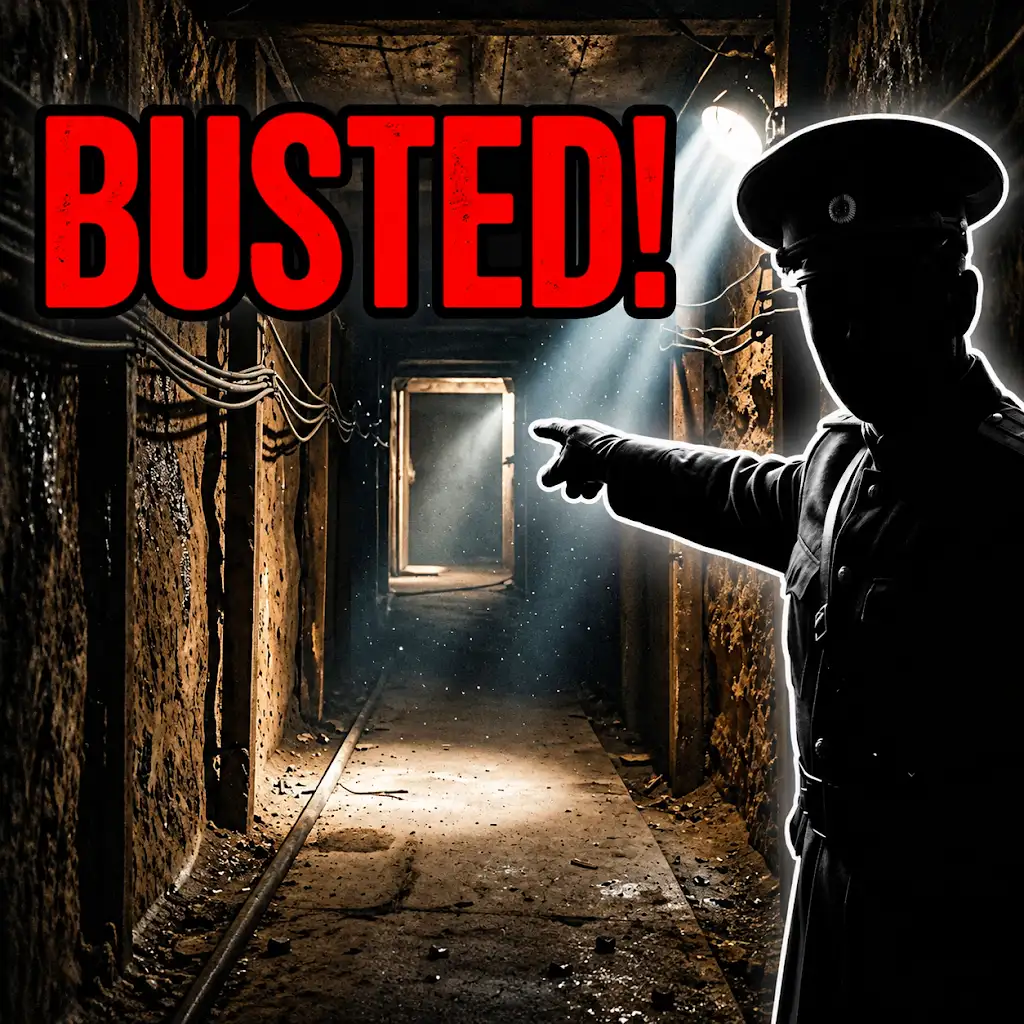
Operation Gold: The Day the Soviets Busted the CIA’s Secret Tunnel
FAQs
What is the spy tunnel documentary about?
The spy tunnel documentary explores the construction and use of a secret tunnel built for espionage purposes during the Cold War.
Where was the spy tunnel located?
The spy tunnel was located near the border between East and West Germany, providing a covert passage for agents to gather intelligence.
Who were the key figures involved in the spy tunnel operation?
The spy tunnel operation involved a network of intelligence officers from various countries, including the United States, the Soviet Union, and Germany.
How was the spy tunnel discovered?
The spy tunnel was discovered through a series of intelligence operations and surveillance activities conducted by counterintelligence agencies.
What impact did the spy tunnel have on Cold War relations?
The spy tunnel heightened tensions between East and West Germany and further fueled the intelligence war between the superpowers during the Cold War era.