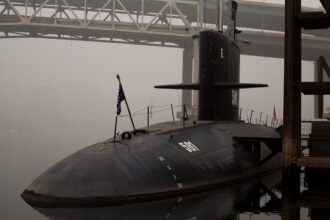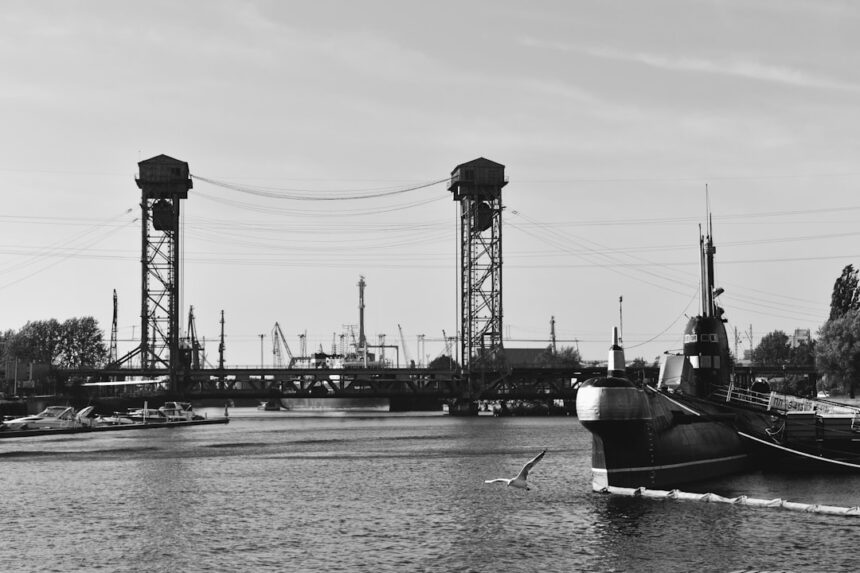
The icy grip of the North Atlantic was a constant, unforgiving presence. Within the confines of the Soviet submarine B-59, a metal leviathan designed for stealth and deadly purpose, this external chill was mirrored by an internal tension, a palpable anxiety that clung to the damp air like the pervasive smell of diesel and human sweat. This was not a routine patrol; this was a journey into the heart of a global crisis, a testament to the perilous dance of nuclear brinkmanship that defined the Cold War. The year was 1962, and the world teetered on the precipice of annihilation, a precipice that B-59, a diesel-electric submarine carrying nuclear-tipped torpedoes, was intimately, terrifyingly close to.
The Soviet Union, a nation forged in revolution and locked in ideological combat with the West, viewed the world through a prism of suspicion and strategic necessity. The Cold War was not merely a political rivalry; it was a relentless arms race, a constant assessment of threats and a desperate bid for strategic advantage. For the Soviet Navy, this meant the relentless pursuit of undersea dominance, the creation of a silent, unseen force capable of challenging the naval might of NATO.
The Backbone of the Soviet Fleet: Diesel-Electric Submarines
While the United States was rapidly developing its fleet of nuclear-powered submarines, the Soviet Union still relied heavily on diesel-electric technology. These submarines, while slower and with a more limited submerged endurance than their nuclear counterparts, were cheaper to produce and offered a significant advantage in terms of stealth. Their ability to run on diesel engines while surfaced or snorkeling meant they could conserve battery power and remain undetected for extended periods. B-59, a Project 641 (Foxtrot class) submarine, was a prime example of this philosophy. These were workhorses of the Soviet fleet, designed for reconnaissance, anti-ship warfare, and the critical mission of projecting Soviet power into disputed waters.
The Design Philosophy: Endurance and Stealth
The Project 641 submarines were built for long patrols, designed to operate far from Soviet shores and remain hidden for weeks on end. Their robust construction, coupled with advanced (for the time) sonar and acoustic baffling, aimed to make them virtually invisible to enemy detection. The crews, hardened and disciplined, were trained to endure prolonged periods in cramped, often uncomfortable conditions, a testament to their dedication and the demands of their service. B-59, like its sister ships, was a symbol of this commitment to a silent, potent naval presence.
The story of the Soviet submarine B-59 is a fascinating glimpse into Cold War tensions and the precarious nature of nuclear warfare. For those interested in learning more about the events surrounding this submarine and its critical moment during the Cuban Missile Crisis, I recommend reading a related article that delves deeper into the historical context and implications of the incident. You can find it here: Inside Soviet Submarine B-59.
A World on the Brink: The Cuban Missile Crisis
October 1962. The world held its breath as the United States discovered Soviet missile installations being constructed in Cuba, just 90 miles off the coast of Florida. This revelation ignited the Cuban Missile Crisis, the closest the world had ever come to a full-scale nuclear war. The strategic implications were immense: Soviet nuclear missiles in Cuba would drastically alter the balance of power, placing a significant portion of the United States within range of immediate nuclear strike.
The American Response: The Naval Blockade
President John F. Kennedy responded to the crisis with a naval blockade, or “quarantine” as it was diplomatically termed, around Cuba. This was a bold, calculated move, designed to prevent further Soviet military shipments from reaching the island while initiating tense diplomatic negotiations. The blockade meant that Soviet vessels en route to Cuba would have to decide whether to challenge the US Navy, a decision fraught with unimaginable consequences.
The Soviet Strategy: Testing the Boundaries
For the Soviet Union, the deployment of missiles in Cuba was a strategic gamble, an attempt to level the playing field and deter a potential US invasion of the island. The submarines of the Soviet fleet were tasked with supporting this strategy, operating in the waters surrounding Cuba, often in close proximity to American naval forces. B-59, with its nuclear armament, was thrust into the heart of this dangerous game.
B-59’s Perilous Mission
Within the steel hull of B-59, the crew was unaware of the full extent of the global crisis unfolding above them. Their mission was a standard patrol in the Atlantic, but the increasing tensions and the presence of American warships suggested something more significant was at play. The claustrophobic environment of the submarine, already demanding, became a pressure cooker as the crew grappled with uncertainty and the looming threat of confrontation.
The Unseen Enemy: American Patrols
The waters around Cuba were a hive of activity. American destroyers, frigates, and other submarines were actively searching for Soviet vessels, eager to intercept any attempts to breach the blockade. B-59, designed for stealth, was attempting to evade detection, but the constant threat of sonar pings and the looming presence of enemy ships created an atmosphere of heightened alert. Every shadow on the sonar screen, every distant thrum, was a potential threat.
The Nuclear Torpedoes: A Loaded Gun
The most terrifying aspect of B-59’s mission was its armament. It carried three nuclear-tipped torpedoes, weapons of mass destruction capable of leveling entire cities. The presence of these weapons aboard a submarine operating in such close proximity to a potential conflict zone was a stark reminder of the stakes involved. The crew, though trained, carried the immense responsibility of these devastating tools, a burden that weighed heavily on their minds.
The Escalation in the Atlantic
As B-59 navigated the dark waters, the situation grew increasingly volatile. American naval vessels, determined to enforce the blockade and identify any Soviet submarines, began to employ increasingly aggressive tactics. Depth charges, though not intended to destroy, were used as signals and to force submarines to the surface. For the crew of B-59, these were not mere signals; they were terrifying reminders of their vulnerability and the potential for escalation.
The Depth Charge Barrage: A Test of Resilience
On October 27, 1962, B-59 experienced a harrowing ordeal. American destroyers, suspecting the submarine’s presence, began dropping non-lethal depth charges around it. The explosions reverberated through the hull, shaking the submarine and its occupants. The crew, already operating with limited air and under extreme stress, faced the terrifying possibility that these “practice” charges could become real, leading to the submarine’s destruction and a catastrophic loss of life.
The Crucial Decision: To Launch or Not to Launch?
Within B-59, the situation reached a critical juncture. The relentless depth charge attacks, the lack of communication with Moscow, and the perceived threat of imminent destruction created an unbearable psychological pressure on the commanding officers. Three senior officers on board, including Captain Valentin Savitsky, believed that war was imminent and that they had the authority to launch a nuclear torpedo.
The Role of Vasili Arkhipov
It was here that the actions of one man became historically significant: Vasili Arkhipov, the flotilla commander who was also aboard B-59. While Savitsky and two other officers were convinced that they should retaliate with a nuclear strike, Arkhipov, a more cautious and experienced officer, argued against it. He understood the catastrophic consequences of such an action and the potential for a global nuclear war. His calm reasoning and his refusal to authorize the launch of a nuclear weapon likely averted a global catastrophe. This moment, shrouded in the secrecy of the Cold War, represents a profound instance of individual courage and critical judgment under immense pressure.
The story of the Soviet submarine B-59 is a fascinating glimpse into Cold War tensions and the precarious nature of nuclear warfare. For those interested in exploring more about the events that unfolded during this critical moment in history, you can read a detailed account in a related article that delves into the submarine’s mission and its near brushes with disaster. This piece not only highlights the bravery of the crew but also examines the broader implications of their actions during a time of heightened global anxiety. To learn more, check out this insightful article here.
The Aftermath and the Legacy
| Metrics | Data |
|---|---|
| Submarine Name | B-59 |
| Country | Soviet Union |
| Length | 90 meters |
| Displacement | 2,400 tons |
| Speed | 13 knots (surfaced), 16 knots (submerged) |
| Armament | 10 torpedo tubes, 22 torpedoes |
The Cuban Missile Crisis was eventually resolved through tense negotiations, with the Soviet Union agreeing to remove its missiles from Cuba in exchange for a US pledge not to invade the island and the secret removal of US Jupiter missiles from Turkey. The world breathed a collective sigh of relief, but the lessons learned from this near-catastrophe were profound and lasting.
The Near Miss: A Stark Warning
The events aboard B-59 serve as a chilling reminder of how close the world came to nuclear war. The potential for miscalculation, miscommunication, and the overwhelming pressure of command decisions in a high-stakes environment were laid bare. The incident highlighted the inherent dangers of nuclear proliferation and the need for de-escalation and diplomatic solutions.
The Unsung Hero: Vasili Arkhipov’s Contribution
Vasili Arkhipov’s quiet courage and his refusal to succumb to the pressure to launch a nuclear weapon have rightfully earned him recognition as an unsung hero of the Cold War. His actions represent a pivotal moment where one individual’s judgment and moral fortitude likely saved millions of lives. His story is a testament to the importance of individual responsibility even within the rigid structures of military command.
Lessons for the Future: The Enduring Relevance
The story of B-59 and the Cuban Missile Crisis continues to hold relevance today. In an era of renewed geopolitical tensions and the ongoing threat of nuclear weapons, the lessons of restraint, communication, and the critical importance of avoiding escalation are more vital than ever. The journey of B-59, a journey into the heart of the Cold War’s most dangerous confrontation, serves as a potent reminder of the fragility of peace and the profound responsibility that comes with the power to wage war. The metal hull of that Soviet submarine, submerged in the dark Atlantic, carried not just a crew, but the fate of the world.
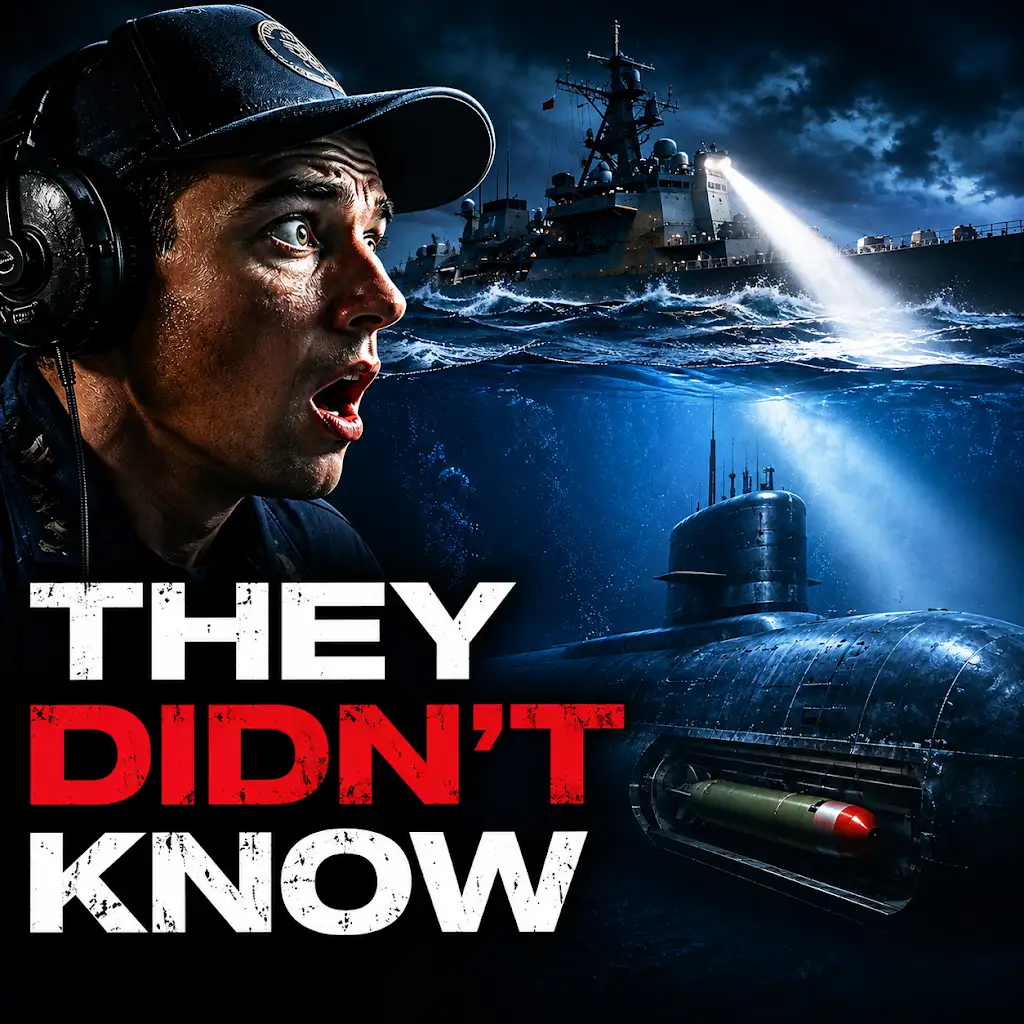
The U.S. Navy Didn’t Know This Submarine Had a Nuclear Torpedo
FAQs
1. What was the purpose of Soviet submarine B-59?
Soviet submarine B-59 was a Project 641 (NATO reporting name: Foxtrot-class) diesel-electric attack submarine. Its primary purpose was to conduct anti-submarine warfare and reconnaissance missions for the Soviet Navy during the Cold War.
2. What was the significance of Soviet submarine B-59 during the Cuban Missile Crisis?
Soviet submarine B-59 played a significant role during the Cuban Missile Crisis in October 1962. It was one of four Foxtrot-class submarines sent to Cuba by the Soviet Union, carrying nuclear-armed torpedoes. B-59’s presence in the Caribbean heightened tensions between the United States and the Soviet Union, leading to a critical moment in the crisis.
3. What happened to Soviet submarine B-59 during the Cuban Missile Crisis?
During the Cuban Missile Crisis, Soviet submarine B-59 was located and subjected to depth charging by U.S. Navy destroyers near Cuba. The submarine was out of communication with Moscow and unaware of the unfolding events on the surface. The crew, suffering from extreme heat and lack of oxygen, debated whether to use their nuclear torpedoes in self-defense.
4. How did the Cuban Missile Crisis end for Soviet submarine B-59?
The Cuban Missile Crisis ended for Soviet submarine B-59 when the U.S. Navy ships ceased their depth charging and allowed the submarine to surface. The crew, unaware of the resolution of the crisis, eventually returned to the Soviet Union. The incident aboard B-59 remained largely unknown to the public until many years later.
5. What is the legacy of Soviet submarine B-59 in history?
The legacy of Soviet submarine B-59 in history is its role in the Cuban Missile Crisis, which brought the world to the brink of nuclear war. The incident highlighted the dangers of miscommunication and the potential for catastrophic consequences during tense international standoffs. It also underscored the importance of diplomacy and communication in resolving conflicts between nuclear-armed powers.