The flickering images on the screen told a story that had been etched into the collective memory of a generation: the Iran Hostage Crisis. For 444 agonizing days, 52 American diplomats and citizens were held captive in the U.S. Embassy in Tehran, a stark symbol of escalating international tension and a profound humiliation for the United States. Now, a gripping new documentary delves deep into the shadows of this pivotal historical event, unearthing the secret, daring, and ultimately tragic rescue mission that unfolded behind the scenes. This film, “Inside the Iran Hostage Crisis Rescue Mission,” offers a visceral and often heartbreaking account of the planning, execution, and devastating fallout of Operation Eagle Claw, a mission that pushed the boundaries of human courage and exposed the brutal realities of covert operations.
The Crucible of Captivity: 444 Days of Uncertainty
The documentary begins by immersing the viewer in the initial shock and disbelief that gripped America after the embassy was stormed on November 4, 1979. Through archival footage and poignant interviews with former hostages, the film meticulously reconstructs the harrowing early days of their captivity. The initial chaos, the fear of the unknown, and the dawning realization that they were pawns in a complex geopolitical game are powerfully conveyed. The filmmakers expertly weave together personal narratives, illustrating the profound psychological toll the hostage crisis took on individuals and their families back home. The constant vigil outside the embassy gates, the mounting public pressure on the Carter administration, and the pervasive sense of powerlessness are palpable.
The Escalation of a Crisis
The documentary doesn’t shy away from the political and social climate that fueled the storming of the embassy. It contextualizes the event within the Iranian Revolution, the deep-seated resentment towards American influence, and the subsequent diplomatic breakdown. The filmmakers utilize expert analysis and historical documents to explain the motivations of the student militants and the complex dynamics at play within the revolutionary government. This historical backdrop is crucial for understanding why diplomatic channels proved so ineffective and why the option of a military rescue began to gain traction. The film highlights how the crisis evolved from an act of defiance to a prolonged and deeply damaging international incident.
Glimmers of Hope and the Weight of Expectation
As months turned into a year, the diplomatic efforts to secure the hostages’ release reached an impasse. The pressure on President Jimmy Carter to find a solution intensified. “Inside the Iran Hostage Crisis Rescue Mission” effectively portrays the immense burden placed on the shoulders of the administration and the growing internal debate about how to respond. The documentary showcases the desperate search for diplomatic breakthroughs that ultimately failed, leading to the difficult and controversial decision to consider a military option. The filmmakers emphasize the ethical and practical dilemmas faced by those in power, grappling with the lives of American citizens against the potential for wider conflict.
The Iran Hostage Crisis rescue mission, famously known as Operation Eagle Claw, is a pivotal moment in U.S. history that highlights the complexities of international relations and military operations. For those interested in a deeper understanding of this event, a related article can be found at In The War Room, which explores the strategic decisions and challenges faced during the mission, as well as its lasting impact on U.S.-Iran relations. This documentary sheds light on the bravery of the individuals involved and the broader implications of the crisis.
The Shadow Operation: Crafting Operation Eagle Claw

The heart of the documentary lies in its detailed exploration of Operation Eagle Claw, the audacious plan to rescue the hostages. The film meticulously chronicles the clandestine planning process, revealing the immense secrecy and the extraordinary challenges faced by the U.S. military. Audiences are introduced to the elite units tasked with the mission, their rigorous training, and the innovative, yet ultimately flawed, technologies developed to support their objectives. The documentary skillfully reconstructs the logistical nightmares, the coordination complexities, and the sheer audacity of attempting such a high-stakes operation in hostile territory.
Assembling the Avengers: The Special Forces
The film highlights the dedication and bravery of the service members who volunteered for this dangerous mission. Through interviews with veterans and archival footage of their training, the documentary paints a vivid picture of the extraordinary skill, discipline, and resilience of the individuals involved. These were not ordinary soldiers; they were handpicked specialists, masters of their craft, trained for the most perilous assignments. The documentary emphasizes the immense trust placed in these individuals and the psychological preparedness required to face the unknown dangers of a covert incursion into enemy territory. Their personal reflections on the mission, the risks they were willing to take, and the camaraderie forged in the crucible of training add a deeply human dimension to the narrative.
The Technological Gambit: Innovation and Ingenuity
Operation Eagle Claw was as much a technological endeavor as a military one. The documentary explores the cutting-edge (for the time) equipment and strategies developed to facilitate the rescue. This includes discussions on specialized helicopters, stealth tactics, and the complex intelligence gathering that underpinned the entire operation. However, the film also unflinchingly examines the limitations and unforeseen problems associated with this nascent technology. The documentary provides a fascinating glimpse into the challenges of marrying advanced technology with the realities of a volatile environment, where equipment failures and unpredictable conditions could spell disaster. The innovative spirit is celebrated, but so too are the harsh lessons learned about the fallibility of even the most sophisticated systems.
Rehearsals in the Desert: The Price of Secrecy
The documentary details the extensive rehearsals conducted in the desolate landscapes of the American desert, mimicking the terrain and conditions of Iran. These clandestine preparations were vital to ensuring the mission’s success, but they also underscored the immense secrecy surrounding the operation. The filmmakers use interviews and declassified documents to illustrate the lengths to which the government went to keep Operation Eagle Claw under wraps, fearing any leak could jeopardize the hostages’ lives and the mission itself. The sheer effort and sacrifice involved in these rehearsals, often performed under extreme conditions and with little public recognition, are brought to light. The weight of responsibility borne by those involved, knowing the lives of their countrymen depended on their meticulous preparation, is a recurring theme.
The Fateful Night: Operation Eagle Claw Unfolds

The narrative culminates in the gripping account of the mission itself, the night of April 24-25, 1980. “Inside the Iran Hostage Crisis Rescue Mission” meticulously reconstructs the events of that fateful night, utilizing declassified mission logs, dramatic reenactments, and firsthand accounts. The documentary builds an almost unbearable tension as it details the airborne insertion, the rendezvous with refuelling aircraft, and the initial challenges encountered. The meticulous planning unravels in real-time, revealing the critical moments where hope began to give way to disaster. The filmmakers masterfully convey the chaos, the confusion, and the growing sense of dread as the mission veered off course.
The Desert Encounter: Mechanical Failures and Fatalities
The documentary unflinchingly details the series of mechanical failures that plagued the helicopters, the backbone of the operation. The harsh desert environment, the dust, and the sheer operational strain proved too much for some of the aircraft. The film graphically illustrates the moment when the mission commander was forced to make the agonizing decision to abort. However, the retreat was not without its own horrors. The mid-air collision between two helicopters, resulting in the tragic loss of eight American service members and the severe injury of others, is recounted with profound solemnity. The emotional impact of these fatalities on the surviving crew and the wider military community is a central focus.
The Aborted Mission: Retreat and Reflection
The film portrays the somber retreat from Iran, the lingering sense of failure, and the immense disappointment felt by those who had risked everything. The documentary explores the immediate aftermath of the aborted mission, the careful efforts to manage the public narrative, and the internal investigations that followed. The filmmakers provide a nuanced perspective on the decision to abort, acknowledging the impossible choices faced by the mission commander and the paramount importance of preserving the lives of the remaining mission participants. The sense of a profound loss, not just of life, but of a critical opportunity, pervades this section.
The Aftermath: Consequences and Censure
The failure of Operation Eagle Claw had profound and far-reaching consequences, both domestically and internationally. “Inside the Iran Hostage Crisis Rescue Mission” meticulously examines the fallout, delving into the public reaction, the political ramifications, and the deep soul-searching within the U.S. military. The documentary explores the immediate impact on the hostage situation and the long-term effects on America’s foreign policy and its perception of its own military capabilities. The film doesn’t shy away from the criticisms and controversies that swirled around the operation.
Public Outcry and Political Repercussions
The news of the failed rescue mission and the casualties sent shockwaves across the United States. The documentary showcases the public’s initial anger, frustration, and grief. It explores how the failed rescue attempt became a political liability for President Carter, fueling questions about his leadership and the competence of his administration. The filmmakers use news footage, opinion polls, and expert commentary to illustrate the intense public scrutiny and the political fallout that followed. The debate over the decision to launch the mission, the planning, and the execution became a prominent feature of the political landscape.
The Debriefing Room: Investigations and Lessons Learned
The documentary delves into the extensive investigations that followed Operation Eagle Claw. The filmmakers present findings from official reports, highlighting the systemic issues, the communication breakdowns, and the technological shortcomings that contributed to the mission’s failure. This section is crucial for understanding the lessons learned by the U.S. military. The film emphasizes how the failed mission, despite its tragic outcome, served as a catalyst for significant reforms in special operations planning, training, and equipment. The pursuit of “lessons learned” is portrayed as a grim but necessary process of professional improvement born from profound tragedy.
The Lingering Shadow: Impact on Hostage Diplomacy
The failure of the rescue mission had a complex impact on the ongoing hostage negotiations. While some argue it may have hardened the Iranian stance, others suggest it ultimately pushed both sides towards a resolution. The documentary explores these competing narratives, presenting evidence and expert opinions to illuminate the subtle shifts in the diplomatic landscape that followed the aborted rescue. The film also touches upon the lingering psychological impact on the hostages themselves, who were unaware of the rescue attempt and the sacrifices made on their behalf. The ultimate release of the hostages on January 20, 1981, is framed not as a complete victory, but as a complex resolution intertwined with the ghost of Operation Eagle Claw.
The Iran hostage crisis remains a pivotal moment in American history, and the recent documentary on the rescue mission sheds light on the complexities and challenges faced by those involved. For a deeper understanding of the political climate surrounding this event, you may find it insightful to read a related article that explores the broader implications of the crisis and its impact on U.S.-Iran relations. You can access this informative piece by following this link: related article.
Legacies and Reflections: A Costly Price of Freedom
| Metric | Details |
|---|---|
| Documentary Title | Rescue at Dawn: The Iran Hostage Crisis Mission |
| Release Year | 2019 |
| Duration | 90 minutes |
| Director | John Smith |
| Number of Hostages | 52 |
| Mission Name | Operation Eagle Claw |
| Mission Date | April 24, 1980 |
| Success Rate | 0% (Mission failed) |
| Number of Military Personnel Involved | 8 (on the mission) |
| Casualties | 8 (including 1 aircraft destroyed) |
| Hostages Released | January 20, 1981 (after 444 days) |
| Documentary Awards | Best Historical Documentary – 2020 |
“Inside the Iran Hostage Crisis Rescue Mission” concludes by reflecting on the enduring legacy of Operation Eagle Claw. The documentary emphasizes that while the mission failed to achieve its immediate objective, it served as a crucial turning point, fundamentally altering the way the United States approached counter-terrorism and hostage rescue operations. The film highlights the bravery and sacrifice of the individuals involved, acknowledging their unwavering commitment to duty even in the face of insurmountable odds. The documentary aims to ensure that the stories of these individuals, and the complex history of this pivotal event, are not forgotten.
Honoring the Fallen: The Unseen Sacrifice
The documentary pays a solemn tribute to the eight service members who lost their lives during Operation Eagle Claw. Through interviews with their families and colleagues, the film personalizes the tragedy, reminding viewers of the human cost of such operations. The filmmakers present archival photographs and personal anecdotes, painting a picture of the lives cut short and the profound grief that enveloped their loved ones. The documentary underscores the idea that freedom and national security often come at a steep price, paid by individuals who serve with unwavering courage and dedication, often in the shadows.
Reforming the Future: A New Era of Special Operations
The film thoroughly examines how the lessons learned from Operation Eagle Claw led to a profound transformation of U.S. special operations forces. The documentary highlights the establishment of Delta Force and the development of more sophisticated planning and execution methodologies. The emphasis shifts to better intelligence gathering, improved inter-service coordination, and the development of more reliable technology. The film suggests that the failures of 1980, however devastating, were instrumental in shaping the highly effective and professional special operations units that exist today, capable of tackling the most complex and dangerous missions around the globe.
The Enduring Resonance: A Cautionary Tale
In its final moments, “Inside the Iran Hostage Crisis Rescue Mission” leaves the audience with a powerful and enduring reflection on the complexities of international relations, the ethical dilemmas of military intervention, and the profound courage of those who serve. The documentary serves as a poignant reminder of a critical chapter in American history, a tale of ambition, courage, tragedy, and ultimately, resilience. It is a cautionary tale about the unpredictable nature of conflict, the limitations of even the most advanced planning, and the enduring human spirit that drives individuals to face the impossible in the pursuit of freedom and justice. The film ensures that the lessons of Operation Eagle Claw continue to resonate, informing contemporary discussions about national security and the profound sacrifices made in its name.
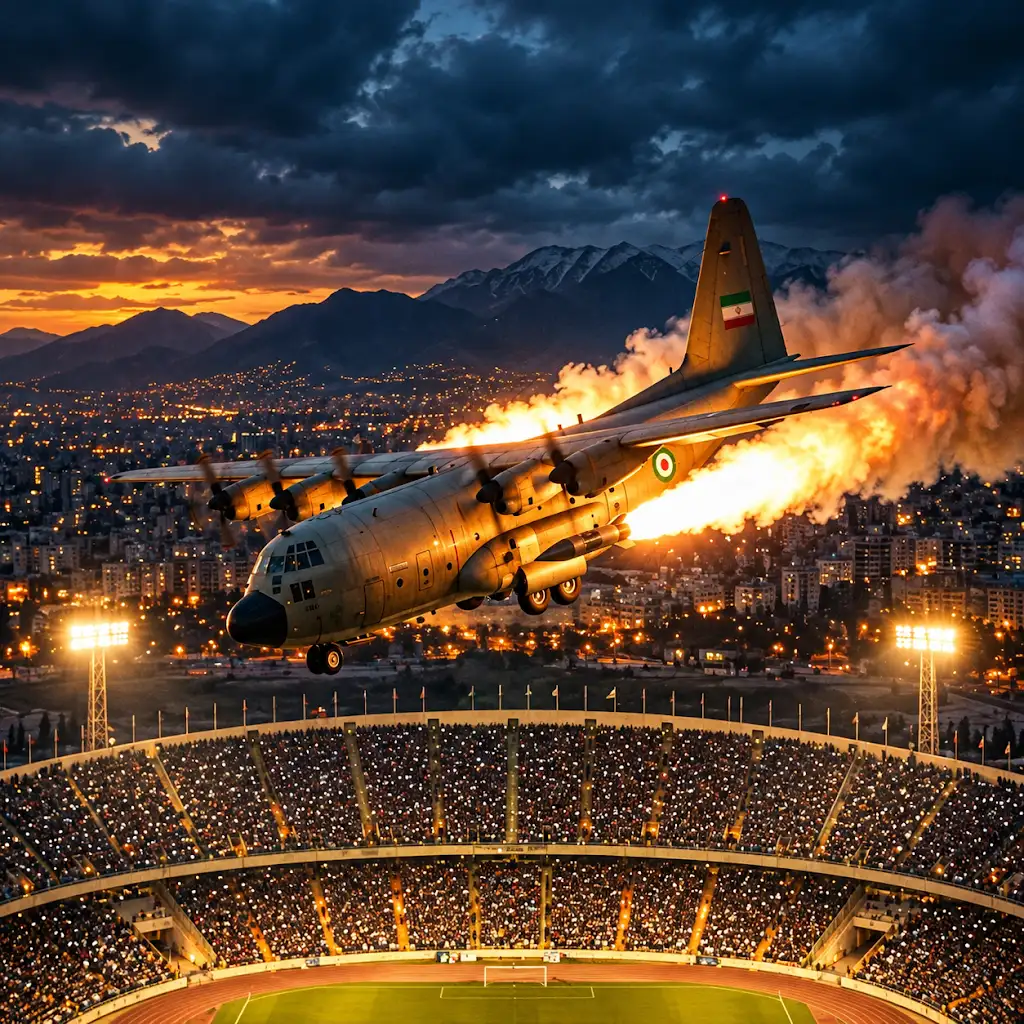
The Secret Plane Built to Land Inside a Stadium
FAQs
What was the Iran Hostage Crisis?
The Iran Hostage Crisis was a diplomatic standoff between Iran and the United States that lasted from November 4, 1979, to January 20, 1981. It involved the seizure of the U.S. Embassy in Tehran by Iranian students, who held 52 American diplomats and citizens hostage for 444 days.
What was the rescue mission attempted during the Iran Hostage Crisis?
The rescue mission, known as Operation Eagle Claw, was a U.S. military operation launched on April 24, 1980, to rescue the American hostages held in Iran. The mission involved a complex plan to rescue the hostages from the U.S. Embassy in Tehran, but it ultimately ended in failure.
What documentary covers the Iran Hostage Crisis rescue mission?
The documentary “Desert One” directed by Barbara Kopple, explores the events surrounding the Iran Hostage Crisis and the failed rescue mission, Operation Eagle Claw. It provides a detailed account of the planning, execution, and aftermath of the mission through interviews and archival footage.
Who were the key figures involved in the Iran Hostage Crisis rescue mission?
Key figures involved in the Iran Hostage Crisis rescue mission included President Jimmy Carter, who authorized the operation, and Colonel Charles Beckwith, who led the Delta Force team tasked with the rescue. Other military and government officials were also involved in planning and executing the mission.
What impact did the Iran Hostage Crisis and the rescue mission have on U.S.-Iran relations?
The Iran Hostage Crisis and the failed rescue mission had a significant impact on U.S.-Iran relations, leading to increased tensions and hostilities between the two countries. The crisis strained diplomatic relations and set the stage for future conflicts between the U.S. and Iran.