The Joint Special Operations Command (JSOC) is a shadowy and potent entity within the U.S. military, responsible for some of the nation’s most sensitive and dangerous missions. While much of its operational detail remains classified, understanding its internal structure is crucial to grasping its effectiveness. At its core, JSOC is not a monolithic organization but a dynamic nexus of specialized units, orchestrated and directed to achieve specific strategic objectives. Its strength lies in its ability to fuse intelligence, special operations forces (SOF), and advanced technological capabilities into a cohesive and lethal force. This article delves into the inner workings of JSOC, focusing on its task force structure, the mechanisms by which it operates, and the fundamental principles that underpin its existence.
The establishment of JSOC in 1980, in the wake of the failed Operation Eagle Claw, was a direct response to perceived shortcomings in the coordination and execution of special operations missions. The aborted attempt to rescue American hostages in Iran highlighted a critical need for a unified command that could synchronize the disparate special operations capabilities of the different military branches. Initially, JSOC was a relatively modest organization, primarily serving as a coordinating body. However, its role and influence have expanded exponentially over the subsequent decades, particularly in the post-9/11 era, as the U.S. engaged in protracted counter-terrorism operations.
The Need for a Unified Command
Prior to JSOC, special operations units operated largely independently within their respective services – Army, Navy, Air Force, and Marine Corps. This fragmentation often led to communication breakdowns, duplicated efforts, and a lack of centralized strategic direction. The failures of earlier operations underscored the necessity of a joint command that could overcome inter-service rivalries and ensure seamless integration of SOF assets.
The Impact of the Post-9/11 Era
The September 11, 2001, terrorist attacks fundamentally reshaped the landscape of American national security and, consequently, the operational tempo and significance of JSOC. The global war on terror demanded a more agile, responsive, and precise approach to dealing with asymmetric threats. JSOC, with its inherent capabilities for clandestine operations, intelligence gathering, and direct action, found itself at the forefront of these efforts. This period saw a significant increase in its resources, personnel, and operational scope, solidifying its position as a premier instrument of U.S. foreign policy and national security.
The Joint Special Operations Command (JSOC) task force structure is a complex and highly specialized framework designed to execute a variety of missions with precision and efficiency. For a deeper understanding of this intricate structure and its operational implications, you can refer to a related article that delves into the nuances of JSOC’s organization and its role in modern warfare. To explore this topic further, visit this insightful article.
The Core Pillars: Intelligence and Special Operations Forces
The effectiveness of JSOC is fundamentally rooted in the symbiotic relationship between its highly sophisticated intelligence apparatus and its elite Special Operations Forces (SOF). These two components are not merely co-located but deeply integrated, enabling a continuous cycle of intelligence gathering, analysis, target selection, and precise execution.
The Intelligence Dominance
JSOC’s intelligence arm is arguably its most crucial asset. It comprises a vast network of human intelligence (HUMINT), signals intelligence (SIGINT), imagery intelligence (IMINT), and open-source intelligence (OSINT) capabilities. This intelligence is not passively collected; it is actively gathered, processed, and disseminated with a speed and precision that allows for near real-time operational adjustments. The ability to identify, track, and understand adversaries at a granular level is what enables JSOC to conduct highly targeted and effective missions.
HUMINT: The Human Element
Human intelligence, gathered by clandestine operatives and sources on the ground, provides JSOC with invaluable insights into the intentions, plans, and movements of adversaries. This often involves deep cover operations, informant networks, and strategic elicitation, all conducted with the utmost discretion.
SIGINT and IMINT: The Technical Reach
Signals intelligence intercepts communications and electronic emissions, while imagery intelligence provides visual confirmation and situational awareness through satellites, drones, and reconnaissance aircraft. These technical capabilities offer a broad and deep understanding of the operational environment.
The Fusion of Intelligence
The true power of JSOC’s intelligence lies in its fusion. Raw data from various sources is analyzed, correlated, and synthesized to create a comprehensive intelligence picture. This allows for the identification of patterns, the prediction of enemy actions, and the isolation of key targets, making operations both safer and more effective.
The Elite Operators: Special Operations Forces
The SOF units assigned to JSOC represent the apex of military training, discipline, and operational capability. These are not ordinary soldiers, sailors, airmen, or Marines; they are individuals selected for their exceptional physical and mental fortitude, their adaptability, and their mastery of specialized skills. Their training encompasses a wide range of disciplines, from direct action and special reconnaissance to unconventional warfare and hostage rescue.
Tier 1 Operators: The Pinnacle of SOF
Within JSOC, the designation “Tier 1” is often used to refer to the most specialized and capable units. These are the units that undertake the most high-risk, high-stakes missions, often operating in denied or hostile territories with minimal support. Their training is continuous and their readiness is absolute.
Specialization and Interoperability
While SOF units possess distinct specialties – such as direct action, counter-terrorism, or intelligence gathering – JSOC emphasizes their interoperability. Operators are trained to work seamlessly with other SOF components, as well as with conventional military forces and interagency partners, ensuring a unified approach to mission accomplishment.
The Task Force Construct: A Dynamic and Adaptable Framework
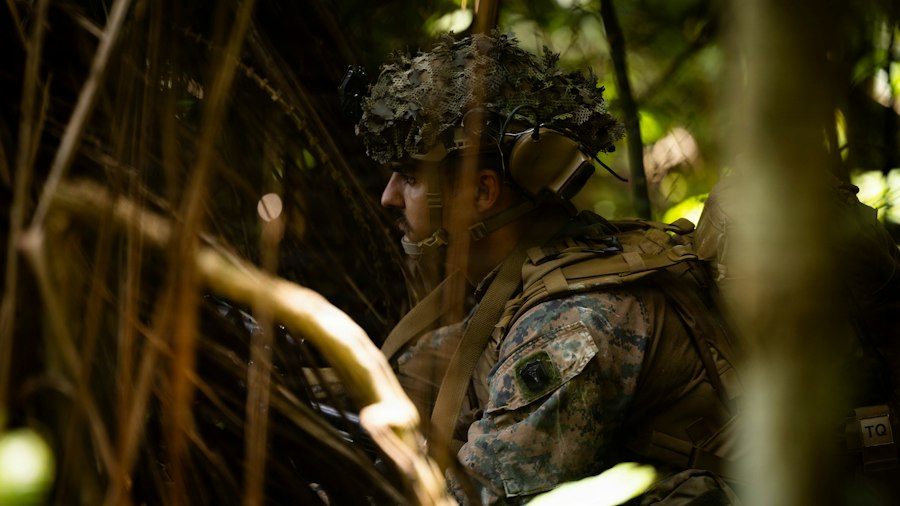
The operational heart of JSOC lies in its task force structure. These task forces are not static organizational charts but fluid, mission-specific entities that are assembled and dissolved as needed. This construct allows JSOC to rapidly deploy the right capabilities to address a particular threat or achieve a specific objective, without the encumbrance of traditional military bureaucracy.
The Principle of Mission Command
Task forces operate under the principle of mission command, empowering commanders at lower levels to make decisions and take action within the commander’s intent. This decentralized approach fosters initiative, speed, and adaptability, crucial attributes for operations in complex and rapidly evolving environments.
Custom-Built Teams for Specific Missions
When a specific mission is identified, JSOC can draw upon its vast pool of personnel and assets to assemble a tailored task force. This might include operators from different SOF units, intelligence analysts, technical specialists, medical personnel, and even liaison officers from other government agencies. The composition of the task force is dictated solely by the demands of the mission.
Direct Action Task Forces
These task forces are designed for rapid assaults, raids, and the neutralization of high-value targets. They are characterized by their speed, precision, and overwhelming force at the point of contact.
Special Reconnaissance Task Forces
Focused on intelligence gathering and surveillance, these task forces operate deep behind enemy lines to observe, report, and provide vital information for future operations. Their emphasis is on stealth, persistence, and the ability to evade detection.
Unconventional Warfare Task Forces
These forces are trained to operate with and support indigenous resistance movements, often in politically sensitive or denied areas. Their expertise lies in building capacity, providing training, and conducting covert operations.
The Role of the Commander
The commander of a JSOC task force is a critical figure. They are responsible for translating the strategic objectives set by JSOC leadership into actionable plans, managing the resources allocated to the task force, and ultimately ensuring the mission’s success. The commander must possess exceptional leadership qualities, strategic acumen, and a deep understanding of both their own forces and the operational environment.
The Integration of Support and enablers
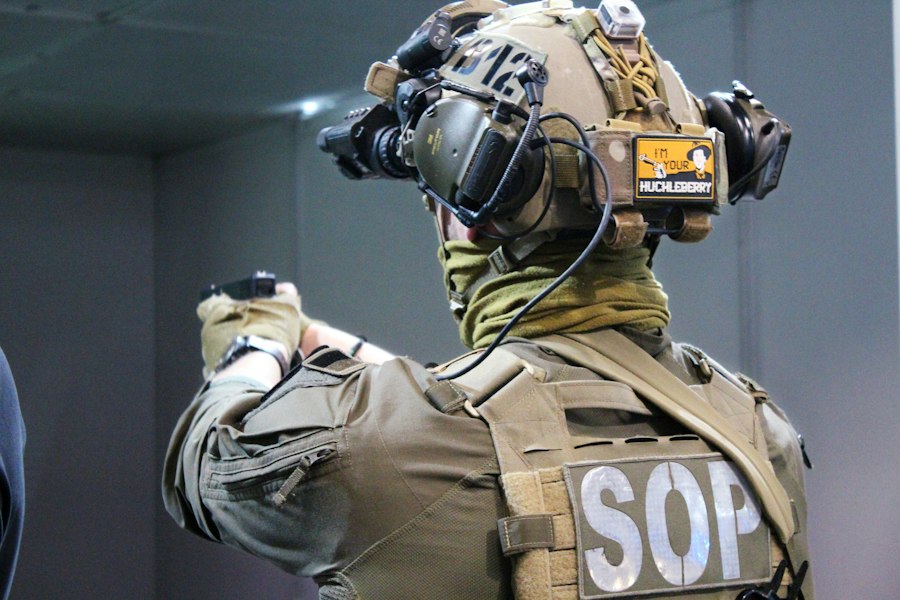
No SOF operation, regardless of how elite the operators, can succeed without robust and often specialized support elements. JSOC’s task force structure is designed to seamlessly integrate these “enablers,” ensuring that operators have the logistical, medical, technological, and fire support necessary to accomplish their missions.
Logistical Prowess
The ability to sustain operations in remote and austere environments is paramount. JSOC task forces rely on sophisticated logistical chains that can deliver supplies, equipment, and personnel where and when they are needed, often under challenging circumstances. This includes air transport, resupply missions, and the establishment of forward operating bases.
Medical Expertise on the Front Lines
Specialized medical teams, often comprised of highly experienced combat medics and surgeons, are an integral part of many JSOC task forces. Their ability to provide immediate and advanced medical care in the field can be the difference between life and death for wounded operators and, in some cases, for individuals encountered during operations.
Technological Superiority
JSOC invests heavily in cutting-edge technology to enhance its operational capabilities. This includes advanced communication systems, surveillance platforms, unmanned aerial vehicles (UAVs), cyber warfare tools, and specialized weaponry. These technologies serve as force multipliers, extending the reach and effectiveness of the task forces.
Unmanned Systems Integration
Drones and other unmanned systems play a crucial role in reconnaissance, surveillance, and even direct action roles, providing valuable situational awareness and reducing risk to human operators.
Advanced Communications and Data Exploitation
Secure and resilient communication networks are vital for command and control. JSOC also leverages advanced data analytics to process and exploit intelligence gathered through various means.
Fire Support Coordination
When direct kinetic action is required, JSOC task forces can integrate with various fire support assets, including close air support from dedicated SOF aircraft, artillery, and naval gunfire. The precise coordination of these assets is essential for minimizing collateral damage and maximizing mission effectiveness.
The Joint Special Operations Command (JSOC) task force structure is a complex and highly specialized framework designed to execute a variety of missions. For a deeper understanding of how this structure operates and its implications for modern warfare, you can explore a related article that delves into the intricacies of JSOC’s organization and its operational effectiveness. This insightful piece can be found at In the War Room, where it provides a comprehensive overview of the command’s strategic significance in contemporary military engagements.
The Strategic Imperative and Oversight
| Component | Description | Primary Role | Typical Personnel |
|---|---|---|---|
| JSOC Headquarters | Central command and control element | Strategic planning, coordination, and oversight | Senior officers, planners, intelligence analysts |
| Delta Force (1st SFOD-D) | Elite Army special operations unit | Counterterrorism, hostage rescue, direct action missions | Highly trained operators, intelligence support |
| SEAL Team Six (DEVGRU) | Naval special warfare unit | Maritime counterterrorism, direct action, reconnaissance | Naval special warfare operators, intelligence personnel |
| 24th Special Tactics Squadron | Air Force special operations unit | Combat control, pararescue, tactical air control | Combat controllers, pararescuemen, TACPs |
| Intelligence Support Group (ISG) | Multi-service intelligence unit | Signals intelligence, human intelligence, analysis | Analysts, linguists, technical specialists |
| Support and Logistics | Provides operational support | Logistics, communications, medical, and technical support | Support personnel, medics, communications experts |
The operations conducted by JSOC are not undertaken in a vacuum. They are driven by overarching national security strategies and are subject to a multi-layered system of oversight to ensure accountability and adherence to legal and ethical standards.
Strategic Guidance and Mission Assignment
JSOC receives its strategic direction from the highest levels of government, including the President of the United States, the Secretary of Defense, and the National Security Council. Missions are assigned based on intelligence assessments and national policy objectives.
Interagency Collaboration
While primarily a military command, JSOC frequently collaborates with other government agencies, such as the Central Intelligence Agency (CIA), the Federal Bureau of Investigation (FBI), and the Department of State. This interagency cooperation is crucial for intelligence sharing, operational planning, and the holistic approach to national security challenges.
The Fusion of Military and Intelligence Operations
The lines between military and intelligence operations have become increasingly blurred in the context of modern asymmetric warfare. JSOC’s structure facilitates this fusion, allowing for the seamless integration of intelligence gathering and action.
Legal and Ethical Frameworks
JSOC operates within a strict legal and ethical framework, subject to both domestic and international laws. All operations are scrutinized for legality and proportionality, and strict rules of engagement are enforced. Oversight mechanisms are in place to ensure that JSOC’s actions remain consistent with U.S. values and international norms.
Congressional Oversight
The U.S. Congress, through its intelligence and armed services committees, exercises oversight over JSOC’s activities, including its budget, operations, and overall strategic direction.
Internal Review and Accountability
Within JSOC itself, there are robust internal review processes and accountability mechanisms designed to ensure discipline and adherence to standards.
In conclusion, the Joint Special Operations Command, through its sophisticated task force structure, represents a paradigm of adaptability, precision, and integration within the U.S. military. By meticulously blending elite special operations forces with unparalleled intelligence capabilities, and by employing a flexible, mission-driven task force construct, JSOC remains a potent and indispensable instrument in addressing the most complex and challenging threats to national security. Understanding this internal architecture is key to appreciating the profound impact this secretive command has on global security.
Why SEAL Team Six Got the Bin Laden Raid — Not Delta Force
FAQs
What is JSOC?
JSOC stands for Joint Special Operations Command, which is a component command of the United States Special Operations Command (USSOCOM). It is responsible for overseeing special operations forces from multiple branches of the U.S. military.
What is the task force structure within JSOC?
JSOC organizes its operations into task forces, which are specialized units focused on specific missions or regions. These task forces are made up of elite special operations forces from various branches of the military, such as Navy SEALs, Army Rangers, and Delta Force operators.
How are task forces within JSOC structured?
Task forces within JSOC are typically organized based on their mission objectives. They may be structured by function (such as counterterrorism or hostage rescue) or by region (such as the Middle East or Africa). Each task force is led by a senior officer who oversees operations and coordinates with other units.
What is the role of JSOC task forces?
JSOC task forces are responsible for conducting highly sensitive and classified operations, often in support of national security objectives. These operations can include direct action missions, special reconnaissance, counterterrorism activities, and unconventional warfare.
How does JSOC task force structure contribute to U.S. national security?
The specialized and agile nature of JSOC task forces allows them to respond quickly to emerging threats and carry out missions with precision and effectiveness. By leveraging the expertise and capabilities of elite special operations forces, JSOC task forces play a critical role in protecting U.S. interests and combating terrorism around the world.