Inside JSOC: The Secret World of Intelligence Operations
The Joint Special Operations Command (JSOC) operates in the shadows, a powerful and enigmatic entity within the United States military. Unlike conventional units, JSOC is not designed for large-scale conflicts or public displays of prowess. Instead, its mandate lies in the realm of the clandestine, the precise, and the extraordinarily sensitive. Its operations, often shrouded in secrecy, are crucial to national security, dealing with threats that conventional forces are ill-equipped to handle. Understanding JSOC requires peeling back layers of carefully constructed opacity to glimpse the intricate machinery of modern intelligence operations and the elite individuals who drive them.
The establishment of JSOC was a direct response to a profound national trauma and a stark realization of strategic shortcomings. The failed Operation Eagle Claw in 1980, an attempt to rescue American hostages held in Iran, exposed critical deficiencies in inter-agency coordination and the specialized capabilities needed for complex hostage rescue and counter-terrorism missions. The mission, plagued by mechanical failures, poor planning, and a lack of unified command, resulted in the deaths of eight American servicemen and the Iranian public humiliation of the United States. This catastrophic failure served as a powerful catalyst for reform.
The Legacy of Delta Force and DEVGRU
Prior to the formal creation of JSOC, specialized units were already being developed to address emerging threats. Among the most prominent were Delta Force (1st Special Forces Operational Detachment-Delta) and the Naval Special Warfare Development Group (DEVGRU), formerly known as SEAL Team Six. Delta Force, established in 1977, was conceived as a highly specialized counter-terrorism unit capable of conducting direct action missions, hostage rescues, and clandestine operations. DEVGRU, formed in 1980 in the wake of Eagle Claw, was specifically designed to counter maritime terrorism and conduct sensitive special operations in coastal and naval environments. These units, operating with a high degree of autonomy and secrecy, laid the groundwork for the integrated command structure that JSOC would later embody. Their existence highlighted the growing need for a centralized command to synchronize their efforts and leverage their unique skill sets.
The Formalization of a Command Structure
The need to consolidate and better manage these elite, often disparate, special operations forces became increasingly apparent in the years following the Iran hostage crisis. The Department of Defense recognized that a dedicated command was necessary to pool resources, share intelligence, and coordinate missions that required the combined expertise of various special operations components. This led to the formal establishment of the Joint Special Operations Command (JSOC) in 1980. The aim was not to absorb the individual units but to provide a unifying umbrella, a strategic brain, and an operational conductor for their highly specialized and often highly classified activities.
For those interested in a deeper understanding of JSOC intelligence operations, the documentary “Inside the Shadows: JSOC’s Secret War” provides an in-depth look at the complexities and challenges faced by the Joint Special Operations Command. This film explores the intricate balance between national security and ethical considerations in covert operations. To learn more about this topic, you can check out the related article at In The War Room, which offers additional insights and analysis on the implications of JSOC’s activities in modern warfare.
The Mission Imperative: Precision, Secrecy, and Deterrence
JSOC’s mission set is defined by its extreme sensitivity and the high stakes involved. It is not a force for nation-building or broad-spectrum peacekeeping. Instead, its operations are surgical, targeted, and designed to achieve specific, often time-critical, objectives that lie beyond the scope of conventional military or intelligence agencies. The emphasis is on achieving desired outcomes with minimal collateral damage, zero operational footprint, and absolute deniability where possible.
Counter-Terrorism Operations: The Sharp End of the Spear
At the forefront of JSOC’s operational tempo is counter-terrorism. This encompasses a vast spectrum of activities, from disrupting terrorist plots before they materialize to neutralizing high-value targets who pose an imminent threat. JSOC units are trained and equipped to operate in hostile environments, often behind enemy lines, to achieve their objectives. This can involve direct action raids, intelligence gathering, and precision strikes. The constant threat posed by non-state actors and extremist groups necessitates a ready and highly capable force that can respond rapidly and effectively to emerging dangers. The success of JSOC in this domain is often measured by the threats that never materialize, the attacks that are averted through proactive intervention.
Counter-Proliferation and WMD Interdiction
Beyond terrorism, JSOC also plays a critical role in countering the proliferation of weapons of mass destruction (WMD). This can involve intelligence gathering to identify illicit WMD programs, interdicting shipments of prohibited materials, and, if necessary, taking direct action to dismantle WMD capabilities. The potential consequences of WMD falling into the wrong hands are catastrophic, making JSOC’s role in preventing such scenarios absolutely vital. These operations are often conducted under the utmost secrecy, as premature disclosure could jeopardize the mission or escalate tensions.
Special Reconnaissance and Intelligence Gathering
JSOC’s operational capabilities extend to highly specialized reconnaissance and intelligence gathering missions. This involves deploying small, highly trained teams into denied areas to collect vital information about enemy forces, infrastructure, or capabilities. The information gathered by these teams is often critical for strategic decision-making and can directly inform future operations. The ability of JSOC personnel to operate undetected for extended periods, gather actionable intelligence, and extract safely is a testament to their exceptional training and discipline.
The Personnel: Elite Operators and Strategic Minds
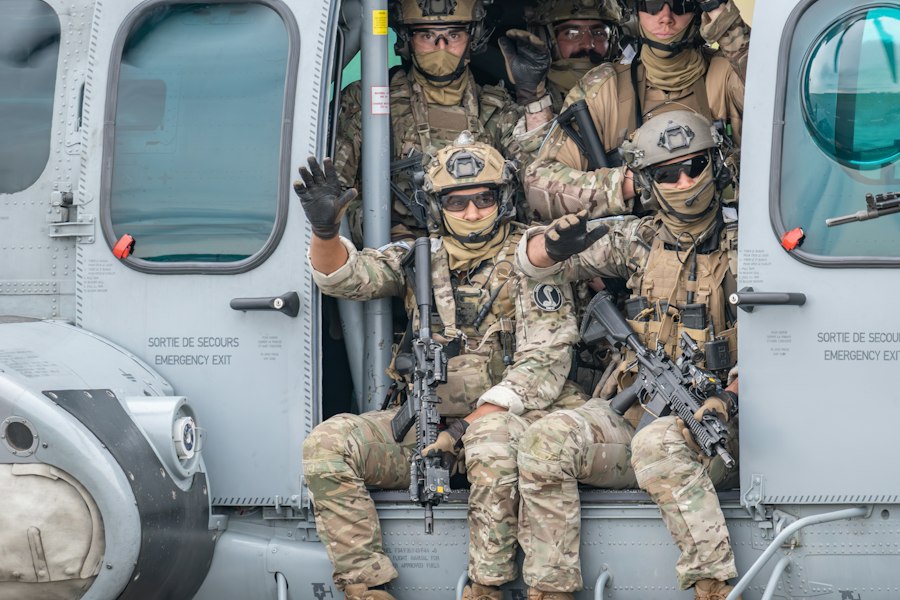
The effectiveness of JSOC hinges on the caliber of its personnel. Selection and training are among the most rigorous in the world, designed to identify and cultivate individuals with exceptional physical, mental, and psychological fortitude. These are not simply soldiers; they are highly intelligent, adaptable, and resourceful operatives who can function effectively in chaotic and high-pressure environments.
The Grueling Selection Process
The path to becoming a JSOC operator is arduous and unforgiving. Candidates, typically drawn from experienced special operations forces like Army Rangers, Special Forces, SEALs, and Air Force Special Tactics, must undergo a multi-stage selection process that is designed to push them to their absolute limits. This process involves extensive physical fitness tests, psychological evaluations, and simulated operational scenarios that assess their problem-solving skills, leadership potential, and ability to operate under extreme stress. Failure is common, and only the most resilient and capable individuals are deemed fit for JSOC service.
Specialized Training Regimes
Once selected, JSOC operators embark on a continuous cycle of highly specialized training. This training goes far beyond standard military doctrine, encompassing a vast array of skills. These include advanced combat tactics, close-quarters battle (CQB), intelligence analysis, foreign languages, cultural understanding, survival skills, advanced medical techniques, and the use of cutting-edge technology. The training is dynamic and constantly evolving to address emerging threats and adapt to new operational challenges. The emphasis is on building multi-disciplinary capabilities, ensuring that operators can adapt to any situation.
The Importance of Intelligence Analysts and Support Staff
While the focus often falls on the operators who execute missions, the success of JSOC is equally dependent on its cadre of intelligence analysts, support staff, and logistical personnel. These individuals work behind the scenes, often in highly classified environments, to process vast amounts of intelligence, plan missions, and ensure that operators have the resources and information they need to succeed. The seamless integration of intelligence and operations is a hallmark of JSOC’s effectiveness. Analysts are not just passive observers; they are active participants in the operational planning process, providing crucial insights and real-time updates.
The Operational Framework: Secrecy, Integration, and Technology
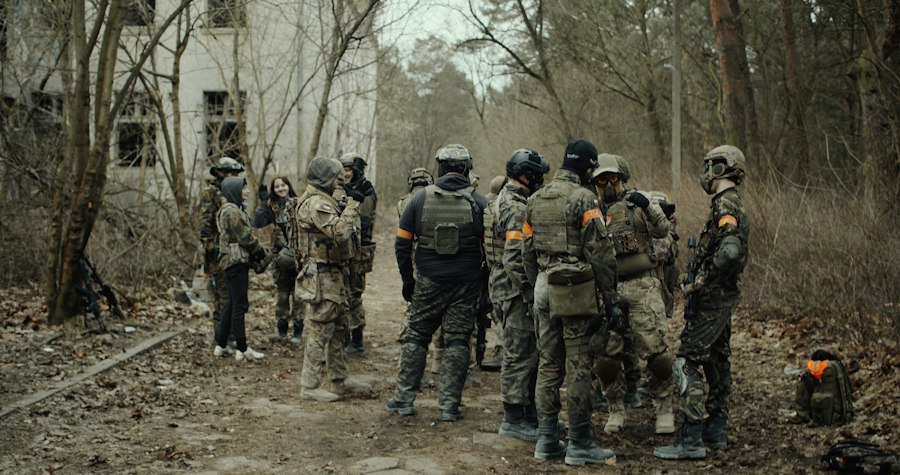
JSOC’s operations are characterized by a deep commitment to secrecy, a sophisticated integration of capabilities, and the leveraging of advanced technologies. These elements are not mere add-ons but are fundamental to its ability to conduct sensitive missions effectively and with minimal risk.
The Veil of Secrecy: Operational Security (OPSEC)
Secrecy is not just a preference for JSOC; it is an operational imperative. The utmost importance is placed on maintaining operational security (OPSEC) at every level. This involves meticulous planning to ensure that missions remain undetected from initiation to execution and exfiltration. Information compartmentalization, strict access controls, and robust communication security are paramount. The ability to operate with a low signature and avoid attribution is crucial for achieving strategic objectives and preventing escalation. The psychological impact of knowing an adversary is operating with impunity but without knowing where or when is a significant deterrent.
Jointness and Interagency Cooperation
Despite its specialized nature, JSOC operates under the principle of “jointness,” meaning it integrates capabilities from all branches of the U.S. military. This allows it to draw upon the unique strengths of each service, whether it’s the aviation assets of the Air Force, the maritime expertise of the Navy, or the ground forces of the Army. Furthermore, JSOC often collaborates with other government agencies, including the Central Intelligence Agency (CIA), the National Security Agency (NSA), and the Federal Bureau of Investigation (FBI), to leverage their intelligence-gathering capabilities and share information. This interagency synergy is vital for comprehensive threat assessment and effective response.
The Role of Advanced Technology
Technology plays a pivotal role in JSOC’s operations. From advanced intelligence, surveillance, and reconnaissance (ISR) platforms to cutting-edge communication systems, unmanned aerial vehicles (UAVs), and specialized weaponry, JSOC is at the forefront of military technology adoption. The development and deployment of these technologies enable operators to gather information more effectively, strike with greater precision, and operate with enhanced survivability. The constant pursuit of technological superiority ensures that JSOC remains a decisive force in the face of evolving threats. This includes not only hardware but also sophisticated software for data analysis, predictive modeling, and secure communication.
The documentary on JSOC intelligence operations provides a fascinating insight into the covert activities of one of the most elite military units in the world. For those interested in exploring this topic further, a related article offers an in-depth analysis of the strategic implications of these operations and their impact on modern warfare. You can read more about it in this insightful piece at In the War Room, which delves into the complexities and challenges faced by intelligence agencies today.
Challenges and Criticisms: The Shadow of Controversy
| Metric | Description | Value | Source |
|---|---|---|---|
| Documentary Title | Name of the documentary focused on JSOC intelligence operations | JSOC: Inside America’s Secret War | Official Release |
| Runtime | Total length of the documentary | 90 minutes | Film Details |
| Release Year | Year the documentary was released | 2023 | Film Database |
| Number of Interviews | Count of interviews with JSOC personnel and intelligence experts | 15 | Documentary Content |
| Operations Covered | Number of JSOC operations discussed in the documentary | 5 | Documentary Synopsis |
| Intelligence Techniques Highlighted | Types of intelligence gathering methods featured | Signals Intelligence, Human Intelligence, Cyber Operations | Documentary Content |
| Audience Rating | Average viewer rating on major platforms | 8.2/10 | Review Aggregators |
| Production Company | Company responsible for producing the documentary | Shadow Media Productions | Credits |
While JSOC’s achievements are often celebrated in classified circles, its operations are not without their challenges and criticisms. The very nature of its clandestine activities can lead to complex ethical dilemmas and public scrutiny when unintended consequences arise.
The Dilemma of Unintended Consequences
Despite meticulous planning, operations in complex and volatile environments carry an inherent risk of unintended consequences. Civilian casualties, misidentification of targets, or the escalation of local conflicts are potential outcomes that can lead to significant reputational damage and political fallout. JSOC operates under intense pressure to achieve its objectives, and the blurred lines between combatants and non-combatants in certain operational theaters can present profound ethical challenges. Investigations into such incidents are often lengthy and fraught with political sensitivities.
Oversight and Accountability in the Shadows
The secrecy that shrouds JSOC’s operations also raises questions about oversight and accountability. While congressional committees and internal review boards exist, the limited public information available makes it difficult for the broader public to fully understand the scope and nature of JSOC’s activities. Ensuring that this powerful entity remains accountable to democratic principles and legal frameworks while maintaining operational secrecy is a delicate balancing act. The debate over transparency versus operational necessity is a perennial one.
The Evolving Threat Landscape and Future of JSOC
The global security landscape is constantly shifting, presenting JSOC with new and evolving threats. The rise of cyber warfare, hybrid threats, and the increasing sophistication of non-state actors require continuous adaptation and innovation. JSOC’s future will depend on its ability to anticipate these changes, integrate new capabilities, and maintain its unparalleled effectiveness in the shadows. The question remains how to maintain the edge in an increasingly connected and transparent world while continuing to operate effectively in the clandestine realm. The adaptation to emergent technologies and doctrines will be crucial for its continued relevance.
In conclusion, the Joint Special Operations Command represents the apex of specialized military capabilities within the United States. Its existence is a testament to the nation’s commitment to confronting threats that lie beyond the reach of conventional forces. Operating in the shadows, JSOC embodies precision, secrecy, and an unwavering dedication to national security. While its work often remains hidden, its impact is felt in the averted crises and the threats neutralized before they can reach the homeland. Understanding JSOC is to understand a critical, albeit often invisible, component of modern global security strategy. The commitment to excellence, the relentless pursuit of perfection, and the unwavering dedication to mission accomplishment are the hallmarks of this extraordinary organization.
Why SEAL Team Six Got the Bin Laden Raid — Not Delta Force
FAQs
What is JSOC?
JSOC stands for Joint Special Operations Command, which is a component command of the United States Special Operations Command (USSOCOM). It is a secretive military unit responsible for conducting highly classified and sensitive counterterrorism and intelligence operations.
What are JSOC intelligence operations?
JSOC intelligence operations involve gathering, analyzing, and disseminating intelligence to support special operations missions. These operations often involve highly trained personnel conducting surveillance, reconnaissance, and targeting of high-value individuals or enemy targets.
What is the purpose of the JSOC intelligence operations documentary?
The purpose of the JSOC intelligence operations documentary is to provide insight into the secretive world of JSOC and its intelligence operations. It aims to shed light on the role of JSOC in conducting covert missions and gathering intelligence to support national security objectives.
Is JSOC involved in any controversial operations?
Yes, JSOC has been involved in controversial operations, including targeted killings of high-value targets, capture or kill missions, and drone strikes in various countries. These operations have raised ethical and legal concerns regarding the use of lethal force and the impact on civilian populations.
How can I watch the JSOC intelligence operations documentary?
The JSOC intelligence operations documentary may be available on streaming platforms, such as Netflix, Amazon Prime Video, or Hulu. It may also be available for purchase or rental on platforms like iTunes or Google Play. Check the official website of the documentary or the streaming platforms for more information on how to watch it.