JSOC Task Forces: Covert Operations Unveiled
The shadows are where legends are forged and conflicts are quietly decided. Within the labyrinthine world of special operations, few entities command as much awe and mystique as the Joint Special Operations Command (JSOC). While its existence was once a closely guarded secret, JSOC has gradually become a recognized, albeit still largely opaque, force in the global security landscape. At the heart of its formidable capabilities lie its highly specialized task forces, the tip of the spear in America’s most sensitive and perilous missions. This article delves into the inner workings of these covert operations, aiming to unveil the intricate tapestry of planning, execution, and the unique challenges faced by the elite units operating under JSOC’s umbrella.
The inception of JSOC itself was a direct response to a catastrophic failure. The ill-fated Operation Eagle Claw in 1980, the failed attempt to rescue American hostages held in Iran, exposed critical deficiencies in inter-service cooperation and the need for a unified command structure for special operations. This realization spurred the creation of JSOC in 1980, initially under the U.S. Army, but quickly evolving into a joint command drawing personnel and resources from all branches of the U.S. military. The early years were characterized by a focus on developing specialized skills, clandestine intelligence gathering, and the ability to execute high-risk rescue and counter-terrorism missions.
Post-Cold War Landscape and the Rise of Asymmetric Threats
As the geopolitical landscape shifted dramatically with the end of the Cold War, the nature of warfare transformed. The threat of large-scale conventional conflict receded, replaced by a surge in asymmetric warfare, terrorism, and insurgency. This evolution necessitated a corresponding adaptation within JSOC. The command began to reorient its focus towards combating non-state actors, dismantling terrorist networks, and conducting operations in environments where traditional military engagement was either impossible or politically untenable. The task forces, in turn, became more agile, adaptable, and specialized to address these emerging threats.
The Strategic Imperative of Secrecy
The very nature of JSOC’s mission dictates an unparalleled level of secrecy. The success of its operations often hinges on surprise, deception, and the ability to act without attribution. This secrecy extends from the operational level to the very existence of certain task forces and the specific missions they undertake. This has led to a culture of extreme discretion, where operational details are compartmentalized and known only to those with a direct need-to-know. The “need-to-know” principle is not merely a bureaucratic guideline; it is a fundamental tenet that underpins the security and efficacy of JSOC’s clandestine efforts.
The Unseen Hand: JSOC’s Role in National Security
JSOC’s task forces operate as the unseen hand of American foreign policy and national security. They are deployed to neutralize immediate threats, gather critical intelligence, disrupt enemy capabilities, and often serve as a potent deterrent. Their missions can range from direct action against high-value targets to complex, long-term intelligence-gathering operations designed to preempt future threats. The strategic implications of their successes are often far-reaching, preventing attacks, stabilizing volatile regions, and protecting U.S. interests without the overt footprint of conventional military intervention.
Joint Special Operations Command (JSOC) task forces operate with a high degree of secrecy and precision, often executing complex missions that require coordination among various military branches and intelligence agencies. For a deeper understanding of the inner workings of these elite units, you can explore the article available at this link, which delves into the strategies, challenges, and successes of JSOC operations in modern warfare.
The Elite Cadre: Structure and Recruitment
The individuals who comprise JSOC task forces are not merely soldiers; they are the apex predators of the special operations world. Recruitment into these units is a brutal and relentless process, designed to identify and cultivate individuals possessing an extraordinary combination of physical prowess, mental fortitude, and unwavering ethical grounding. The selection criteria are exceptionally stringent, filtering out all but the most exceptional candidates.
Rigorous Selection Processes: Beyond Physical Fitness
While extreme physical conditioning is a prerequisite, it is only the initial hurdle. Candidates are subjected to psychological evaluations, stress tests, and intricate problem-solving scenarios designed to assess their decision-making under extreme pressure, their ability to adapt to rapidly changing circumstances, and their capacity for independent thought. Teamwork and leadership potential are also heavily scrutinized, as these operators must function seamlessly within small, highly cohesive units. The selection process is intentionally designed to be grueling, mirroring the high-stakes environments these operators will face.
The Unseen Specializations: Diverse Skillsets within Task Forces
Within each task force, a multitude of specialized skills are cultivated. These are not limited to combat proficiency. Operators develop expertise in areas such as:
Intelligence Gathering and Analysis
The ability to gather, process, and analyze vast amounts of intelligence is paramount. This includes mastering various forms of surveillance, HUMINT (Human Intelligence), SIGINT (Signals Intelligence), and geospatial analysis. Operators are trained to identify patterns, interpret complex data sets, and provide actionable intelligence to commanders.
Technical and Technological Proficiency
Modern covert operations are heavily reliant on cutting-edge technology. Operators are proficient in a wide array of technical disciplines, including advanced communication systems, electronic warfare, cyber operations, and the use of specialized reconnaissance and surveillance equipment.
Cultural and Linguistic Acumen
Operating in foreign lands requires a deep understanding of local cultures, customs, and languages. Task force members often receive extensive training in specific languages and cultural nuances to facilitate effective interaction, information gathering, and the prevention of unintended diplomatic incidents.
Advanced Medical and Tactical Skills
Beyond standard combat medicine, operators possess advanced trauma care skills, including field surgery and the ability to stabilize critically wounded individuals in austere environments. Their tactical skills encompass everything from close-quarters battle and counter-assault to unconventional warfare and hostage rescue.
The Importance of Interoperability and Jointness
A defining characteristic of JSOC is its inherent joint nature. Task forces are not solely comprised of one service branch. They are carefully assembled units with personnel drawn from the Army, Navy, Air Force, and Marine Corps, each bringing unique expertise and perspectives. This interoperability is crucial for seamless integration with conventional forces and allied special operations units when necessary. The ability to operate effectively across different organizational cultures and doctrines is a testament to their extensive joint training.
The Art of Planning: Precision and Foresight
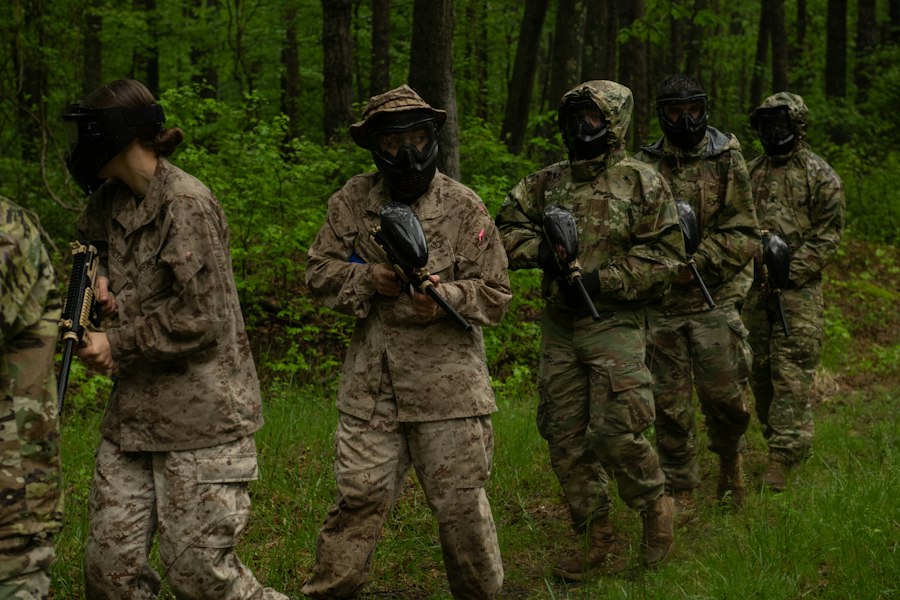
The planning phase for JSOC operations is a meticulous, multi-layered process that can span months, or even years. It involves an intricate dance of intelligence gathering, risk assessment, and the development of contingency plans to address virtually any conceivable scenario. The stakes are incredibly high, and a single oversight can have devastating consequences.
Intelligence as the Foundation: Unraveling the Unknown
The bedrock of any JSOC operation is intelligence. Task forces are supported by an array of intelligence assets, both organic and those provided by dedicated intelligence agencies. This intelligence is gathered through a variety of clandestine means, including:
HUMINT Operations
The cultivation of human sources in hostile territories is a critical component of intelligence gathering. Operators develop skills in building rapport, eliciting information, and conducting clandestine meetings to gather insights into enemy plans, capabilities, and intentions.
SIGINT and ELINT
Intercepting enemy communications and electronic emissions provides invaluable insights into their operations. This includes deciphering encrypted messages, tracking movements, and identifying key personnel.
Geospatial Intelligence (GEOINT)
Advanced satellite imagery, aerial reconnaissance, and drone surveillance provide detailed topographical and situational awareness, crucial for planning ingress, egress, and operational objectives.
Open-Source Intelligence (OSINT)
While often overlooked, the analysis of publicly available information can provide crucial context and clues, especially in the initial stages of intelligence gathering.
Risk Assessment and Mitigation: Preparing for the Worst
Every operation carries inherent risks. JSOC task forces employ a rigorous risk assessment methodology, identifying potential threats to personnel, mission success, and collateral damage. This includes:
Enemy Capabilities and Intentions
A thorough understanding of the adversary’s strengths, weaknesses, tactics, and likely responses is essential.
Environmental Factors
Navigating complex terrains, unpredictable weather, and politically sensitive areas requires careful consideration and planning.
Operational Security (OPSEC)
Maintaining secrecy throughout the planning and execution phases is paramount. This involves meticulous control of information, secure communication channels, and deception strategies.
Contingency Planning: The “What If” Scenarios
The planning process is not linear. It involves developing multiple contingency plans to address unforeseen circumstances, such as unexpected enemy resistance, equipment failure, or the need for immediate exfiltration.
Rehearsals and Simulations: Mastering the Mission
Once a plan is formulated, it is subjected to extensive rehearsals and simulations. These can range from tabletop exercises to full-scale field rehearsals in environments that closely replicate the operational area. This iterative process allows operators to internalize the plan, identify potential friction points, and build muscle memory for critical actions. The goal is to achieve a level of proficiency that allows for execution even under extreme duress.
Execution: The Crucible of Covert Operations
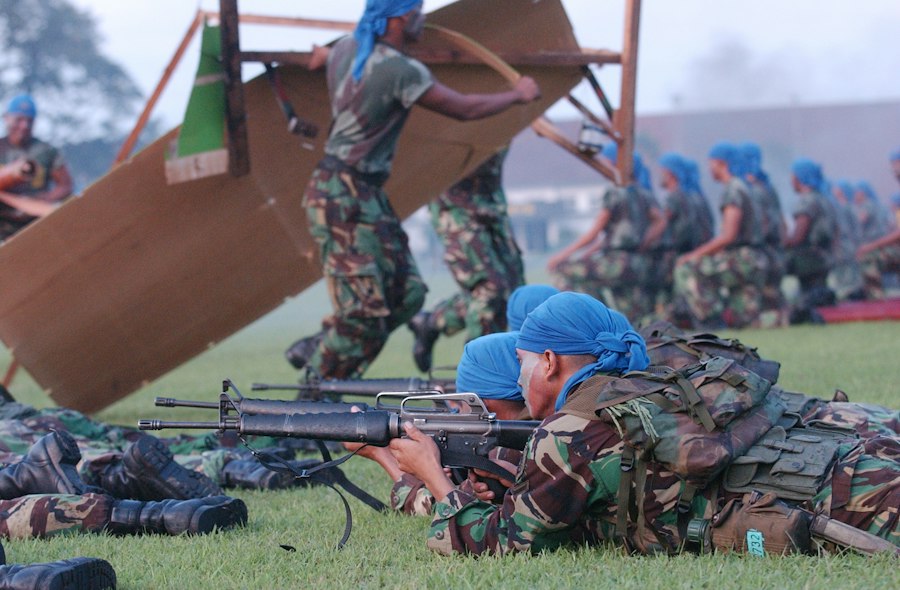
The execution phase is where years of training and meticulous planning are put to the ultimate test. It is a period of intense pressure, where split-second decisions can mean the difference between success and catastrophic failure. The hallmarks of JSOC operations are precision, surprise, and minimal collateral damage.
The Element of Surprise: Striking Without Warning
Surprise is a fundamental weapon in the JSOC arsenal. Operations are typically conducted under the cover of darkness, utilizing stealthy insertion methods, and at times and locations that the adversary is least expecting. This element of surprise maximizes the chances of achieving mission objectives quickly and with minimal resistance.
Insertion and Infiltration: Reaching the Objective Discreetly
The methods of insertion and infiltration are as varied as the missions themselves. They can include:
Helicopter and Aircraft Operations
Low-level flights, night vision operations, and specialized aircraft allow for rapid insertion into remote or denied areas.
Maritime Operations
Submarines, specialized vessels, and underwater insertion techniques are employed for operations in coastal or maritime environments.
Ground Infiltration
Long-range patrols, parachute drops, and clandestine movement on foot are utilized for entering hostile territory.
Unconventional Entry
This can involve utilizing existing infrastructure, bypassing checkpoints, or even creating discreet entry points.
Direct Action and Precision Strikes
When neutralization of specific targets is required, JSOC task forces execute direct action missions with unparalleled precision. This involves:
High-Value Target (HVT) Capture or Neutralization
These missions are often the most high-profile, aiming to eliminate or apprehend individuals posing a significant threat to national security.
Sabotage and Disruption Operations
Targeting critical enemy infrastructure or capabilities to degrade their operational effectiveness.
Hostage Rescue
The most time-sensitive and high-risk operations, demanding immediate and decisive action.
Exfiltration: Vanishing Without a Trace
Just as critical as insertion is a successful exfiltration. The objective is to extract personnel and equipment safely and discreetly, leaving minimal evidence of their presence. This often involves pre-planned extraction points, rapid extraction methods, and the ability to adapt to changing egress routes. The goal is to disappear as seamlessly as they arrived.
The Joint Special Operations Command (JSOC) task forces operate with a level of secrecy and precision that is often the subject of analysis and discussion among military experts. For those interested in understanding the intricacies of these elite units, a related article can provide valuable insights into their operational strategies and missions. You can explore this further in the article available at In the War Room, which delves into the complexities of JSOC’s role in modern warfare.
The Challenges and Ethical Considerations
| Metric | Description | Typical Value/Range |
|---|---|---|
| Number of Task Forces | Total active JSOC task forces operating simultaneously | 3-5 |
| Personnel per Task Force | Approximate number of operators and support staff assigned | 100-300 |
| Mission Types | Common operations conducted by JSOC task forces | Counterterrorism, hostage rescue, direct action, reconnaissance |
| Deployment Duration | Typical length of deployment for a task force on a mission | Several weeks to months |
| Interagency Coordination | Level of cooperation with CIA, NSA, and other agencies | High |
| Operational Tempo | Frequency of missions conducted per month | 1-4 missions |
| Intelligence Support | Integration of real-time intelligence in operations | Continuous and critical |
| Command Structure | Hierarchy and reporting lines within JSOC task forces | Highly centralized under JSOC leadership |
The clandestine nature of JSOC operations, while often necessary, presents a unique set of challenges and raises complex ethical considerations. The immense power wielded by these elite units comes with a profound responsibility.
The Fog of War and Operational Clarity
Despite meticulous planning, the chaos of real-world conflict can introduce unforeseen variables. The “fog of war” is a constant challenge, and operators must be able to make rapid, informed decisions with incomplete information. The psychological toll of operating in such environments, where life and death decisions are made in seconds, is immense.
Collateral Damage and Rules of Engagement
Minimizing collateral damage and civilian casualties is a paramount concern, even in the most sensitive operations. JSOC units adhere to strict rules of engagement, which are often more restrictive than those faced by conventional forces. The ethical tightrope walk between achieving mission objectives and protecting innocent lives is a constant burden.
Accountability and Oversight in the Shadows
The inherent secrecy surrounding JSOC operations makes robust oversight and accountability a complex but vital undertaking. Ensuring that these powerful units are acting within legal and ethical boundaries requires sophisticated mechanisms of oversight, often involving both congressional committees and internal review processes. The challenge lies in balancing the need for operational security with the democratic imperative of transparency and accountability.
The Psychological Impact on Operators
The demands placed upon JSOC operators are not solely physical. The constant exposure to violence, the moral dilemmas they face, and the need to compartmentalize their emotions can have a significant psychological impact. Comprehensive mental health support and resilience training are therefore crucial components of their overall welfare. The ability to decompress and reintegrate into civilian life after intense operational deployments is a critical and often overlooked aspect of their service.
The Geopolitical Ramifications of Covert Action
The success or failure of JSOC operations can have significant geopolitical ramifications. A well-executed operation can foster stability and deter adversaries, while a botched mission can lead to international outcry, diplomatic crises, and unintended escalations. The strategic calculus of deploying these forces requires a deep understanding of the global landscape and the potential ripple effects of their actions.
The Future of JSOC Task Forces: Adaptation and Evolution
The landscape of global security is constantly shifting, and JSOC task forces must continuously adapt to remain effective. The challenges of the future will demand even greater agility, technological sophistication, and a nuanced understanding of complex geopolitical dynamics.
The Rise of Cyber and Information Warfare
The battlefield is increasingly extending into the digital realm. Future JSOC operations will likely see a greater emphasis on cyber warfare, information operations, and the ability to disrupt enemy capabilities through non-kinetic means. This will require operators with advanced technical skills and a deep understanding of information ecosystems.
Countering Hybrid Threats
The increasing prevalence of hybrid threats, which blend conventional military tactics with irregular warfare, terrorism, and cyber-attacks, will necessitate a more integrated and adaptable approach from JSOC. Task forces will need to be proficient in operating across multiple domains and in countering a diverse range of adversaries.
The Importance of International Cooperation
In an increasingly interconnected world, international cooperation will be paramount. JSOC task forces will likely engage in more joint operations with allied special operations forces, sharing intelligence, best practices, and operational capabilities to address common threats. Building trust and interoperability with partner nations is a critical component of future success.
Technological Advancement and Innovation
The relentless pace of technological innovation will continue to shape the future of covert operations. JSOC will need to embrace advancements in artificial intelligence, autonomous systems, advanced sensing technologies, and secure communication platforms to maintain its operational edge. The ability to leverage and adapt to new technologies will be crucial for remaining at the forefront of special operations.
The Enduring Need for Elite Human Capital
Despite the increasing reliance on technology, the human element remains the most critical factor in the success of any JSOC operation. The ability to recruit, train, and retain exceptionally skilled, adaptable, and morally grounded individuals will continue to be the bedrock of JSOC’s enduring effectiveness. The development of leaders who can navigate complex challenges and inspire their teams will be essential for the command’s future.
Why SEAL Team Six Got the Bin Laden Raid — Not Delta Force
FAQs
What is JSOC?
JSOC stands for Joint Special Operations Command, which is a component command of the United States Special Operations Command (USSOCOM). It is responsible for overseeing special operations forces from multiple branches of the U.S. military.
What are JSOC task forces?
JSOC task forces are specialized units within JSOC that are formed to carry out specific missions or operations. These task forces are composed of highly trained personnel from various special operations units, such as Navy SEALs, Army Rangers, and Delta Force.
How do JSOC task forces operate?
JSOC task forces operate with a high degree of autonomy and flexibility, allowing them to respond quickly to emerging threats or opportunities. They are known for their ability to conduct precision strikes, capture or kill high-value targets, and gather intelligence in hostile environments.
What is the role of JSOC task forces in counterterrorism operations?
JSOC task forces play a crucial role in counterterrorism operations by conducting direct action missions against terrorist organizations and individuals. They work closely with intelligence agencies to gather information, plan operations, and execute targeted strikes against high-profile threats.
How are JSOC task forces different from conventional military units?
JSOC task forces are distinct from conventional military units in that they are specifically trained and equipped for special operations missions that require a high level of skill, precision, and secrecy. They often operate in small teams and are capable of carrying out missions in austere and challenging environments.