Deep within the classified shadows of American military might resides the Joint Special Operations Command (JSOC). It is an entity shrouded in secrecy, an organization built not for public recognition but for the execution of the most sensitive and dangerous missions the United States can conceive. While much of its operational detail remains locked away, glimpses into its capabilities and the ethos that drives its operators paint a picture of an elite force honed to surgical precision, capable of operating in the most challenging environments imaginable. This article will delve into the world of JSOC, exploring its origins, its command structure, the types of missions it undertakes, the rigorous selection and training processes, and the profound impact it has had on global security.
The establishment of JSOC was not an overnight creation but a response to perceived shortcomings in the execution of special operations during critical historical moments. The shadowy origins of this command can be traced back to the aftermath of the Iran hostage crisis in 1980. The failed Operation Eagle Claw, a daring but ultimately disastrous attempt to rescue American hostages held in Tehran, highlighted significant deficiencies in inter-service coordination and the overall effectiveness of special operations forces. This debacle served as a stark catalyst for change, prompting a fundamental re-evaluation of how the United States planned and conducted its most sensitive overseas operations.
The Catalyst: Operation Eagle Claw’s Impact
The ill-fated Operation Eagle Claw, launched in April 1980, was intended to be a swift and decisive rescue mission. However, a series of catastrophic failures, including a helicopter crash due to sandstorm conditions and a subsequent aborted mission, resulted in the loss of eight American lives and the humiliation of a failed attempt. The public nature of this failure, coupled with the perceived lack of preparedness and integrated command, spurred immediate calls for reform.
The Birth of Delta Force and the Need for Unified Command
In the wake of Eagle Claw, the need for a dedicated, highly specialized counter-terrorism unit became undeniable. This led to the official establishment of the 1st Special Forces Operational Detachment-Delta, commonly known as Delta Force. However, the existence of such a unit, alongside other specialized units from different branches of the military, underscored the persistent problem of fragmented command and control. There was a recognized need for a higher echelon to synchronize these disparate elements, ensuring seamless integration and preventing the very coordination failures that plagued Eagle Claw.
Formalizing Special Operations: The Goldwater-Nichols Act and JSOC’s Rise
The landmark Goldwater-Nichols Department of Defense Reorganization Act of 1986 was a pivotal moment for the U.S. military as a whole, but it had a particularly profound impact on special operations. The act mandated the creation of unified combatant commands and significantly strengthened the roles of the Chairman of the Joint Chiefs of Staff and the commanders of these commands. It was within this evolving landscape that the Joint Special Operations Command (JSOC) was formally established in 1987. JSOC was envisioned as the nexus for planning, coordinating, and executing the most clandestine and high-stakes special operations missions, bringing together the specialized capabilities of the Army, Navy, Air Force, and Marine Corps under a single, cohesive operational umbrella. Its evolution has been a continuous process of refinement, adapting to new threats and technological advancements to maintain its edge.
Inside the intricate operations of Joint Special Operations Command (JSOC), one can gain a deeper understanding of the complexities and challenges faced by elite military units. For a more comprehensive look at the strategic implications and real-world applications of these missions, I recommend reading the article available at In The War Room. This resource provides valuable insights into the operational tactics and decision-making processes that define JSOC’s critical role in national security.
The Pillars of Power: JSOC’s Command and Component Units
JSOC is not a monolithic entity but a command and control structure that directs and integrates a collection of the most elite special operations units from across the U.S. armed forces. This decentralized yet highly coordinated approach allows JSOC to leverage the unique strengths and specialized skill sets of each component unit, tailoring the right team for the specific demands of any given mission. Understanding the primary component units provides crucial insight into the breadth of JSOC’s capabilities.
Army Special Operations Forces: The Vanguard
The U.S. Army’s contributions to JSOC are arguably the most well-known, particularly the storied units that form its backbone. These units are selected for their exceptional discipline, resilience, and specialized combat skills, making them the primary operators for many of JSOC’s most demanding missions.
1st Special Forces Operational Detachment-Delta (Delta Force): The Direct Action Specialists
Often considered the spearhead of JSOC, Delta Force is renowned for its proficiency in direct action, hostage rescue, counter-terrorism, and clandestine operations. Their selection process is notoriously rigorous, attracting only the most physically and mentally capable soldiers who undergo extensive and highly classified training. Delta operators are masters of infiltration, exfiltration, close-quarters combat, and precision targeting, capable of operating in any environment and under immense pressure.
1st Battalion, 75th Ranger Regiment: The Elite Infantry and Reconnaissance Force
While the Rangers are an organic unit of the U.S. Army Special Operations Command (USASOC), a select element of the 75th Ranger Regiment often operates under JSOC’s direct command for specific missions. The Rangers are known for their rapid deployment capabilities, their exceptional infantry skills, and their role in reconnaissance and direct action missions, often serving as a potent force multiplier or as a rapidly deployable element for initial phases of larger operations.
Naval Special Warfare Command: The Maritime Masters
The U.S. Navy’s Special Warfare Command (NAVSPECWARCOM) provides JSOC with unmatched capabilities in maritime and amphibious operations. These elite units are trained to operate in and from the water, making them indispensable for missions requiring deep-sea insertion, coastal assault, and operations in littoral environments.
Naval Special Warfare Development Group (DEVGRU): The Navy’s Elite Counter-Terrorism Unit
DEVGRU, often colloquially referred to as “Seal Team Six,” is the Navy’s premier counter-terrorism and special operations unit. Akin to Delta Force, DEVGRU operators are selected from the ranks of the U.S. Navy SEALs and undergo an equally demanding and classified training regimen. They specialize in maritime counter-terrorism, direct action, special reconnaissance, and unconventional warfare, with a particular emphasis on operations in littoral and sub-aquatic environments.
U.S. Navy SEALs (Sea, Air, Land Teams): The Versatile Maritime Warriors
While not all SEAL teams fall under JSOC’s direct purview, selected SEAL platoons and elements are frequently integrated into JSOC operations, particularly when their unique maritime expertise is required. SEALs are renowned for their amphibious capabilities, their ability to operate in diverse environments, and their proficiency in a wide range of special operations, from reconnaissance to direct action.
Air Force Special Operations Command: The Air Superiority and Support Specialists
The U.S. Air Force contributes specialized aviation and support capabilities that are critical for JSOC’s success. Their unique expertise ensures that JSOC units can be deployed and supported in remote and hostile territories, often under the cover of darkness or in challenging weather conditions.
24th Special Tactics Squadron: The Elite Battlefield Airmen
The 24th Special Tactics Squadron, part of the Air Force’s 720th Special Tactics Group, provides JSOC with highly trained battlefield airmen. These individuals are experts in tactical air control, special reconnaissance, combat search and rescue, and casualty evacuation. They are crucial for establishing air access, directing air strikes, and ensuring the safe extraction of JSOC operators and assets in contested airspace.
Marine Corps Forces Special Operations Command: The Amphibious Specialists
The U.S. Marine Corps, with its strong tradition of amphibious operations and expeditionary warfare, also contributes specialized units to JSOC. Their adaptability and combat-hardened nature make them valuable assets for missions requiring a ground presence in complex environments.
Marine Raiders: The Elite Special Operations Forces
Marine Raiders, part of the Marine Corps Forces Special Operations Command (MARSOC), are highly trained special operations forces capable of conducting a wide range of missions including direct action, special reconnaissance, and foreign internal defense. Their unique skill sets and combat experience, particularly in unconventional warfare and complex terrain, complement JSOC’s overall capabilities.
The Spectrum of Operations: JSOC’s Mission Profile
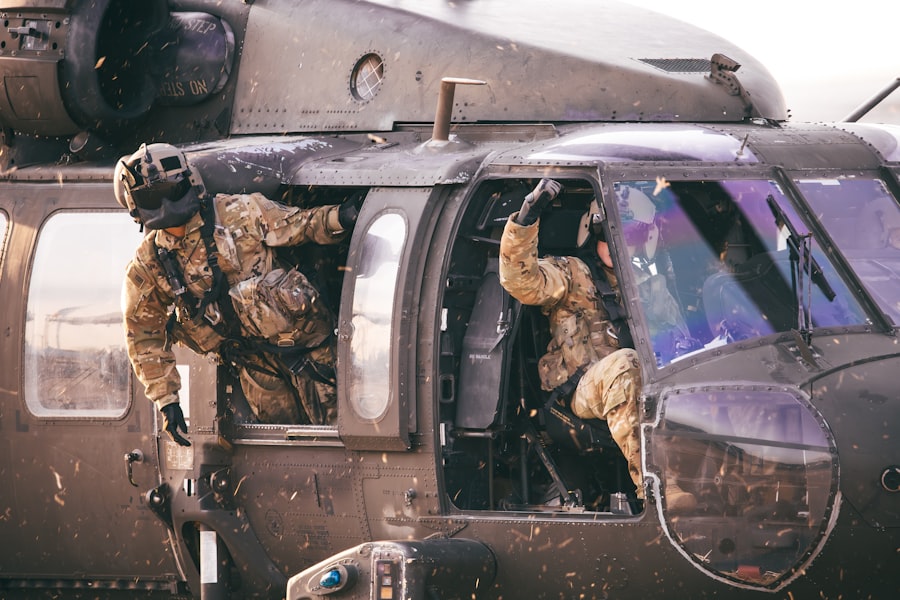
The missions undertaken by JSOC are as diverse as they are sensitive, often operating in the gray areas of international conflict and counter-terrorism. The command is designed to tackle threats that are too complex, too dangerous, or too politically sensitive for conventional military forces. While the specifics of many JSOC operations are classified, their general mission profile can be understood by examining the types of challenges they are designed to address.
Direct Action: Precision Strikes Against High-Value Targets
One of JSOC’s most recognized roles is in direct action operations. These are swift, surgical strikes aimed at neutralizing or capturing high-value targets, such as terrorist leaders, enemy combatants, or critical infrastructure. These missions demand meticulous planning, flawless execution, and the ability to operate with extreme speed and precision. Examples often involve raids on fortified enemy compounds, the capture of individuals in hostile territory, or the destruction of enemy assets that pose an immediate threat.
Special Reconnaissance: Intelligence Gathering in Hostile Territories
Special reconnaissance is another critical component of JSOC’s mission set. This involves discreetly infiltrating hostile or denied areas to gather vital intelligence on enemy forces, their capabilities, and their intentions. These operations often require operators to remain hidden for extended periods, meticulously observing and reporting on enemy activities. The intelligence gathered can be crucial for informing broader military strategies and preventing attacks.
Counter-Terrorism: Disrupting and Defeating Terrorist Networks
Given the evolving global threat landscape, counter-terrorism remains a cornerstone of JSOC’s mandate. This encompasses a wide range of activities aimed at disrupting, degrading, and ultimately defeating terrorist organizations. It includes operations to eliminate terrorist leadership, disrupt their financing and recruitment, and prevent attacks before they can occur. JSOC’s ability to operate unilaterally and clandestinely allows them to pursue terrorist threats wherever they may emerge, often in regions where traditional diplomatic or military engagement is not feasible.
Hostage Rescue: The Ultimate Test of Skill and Courage
The rescue of hostages is a mission that demands the absolute pinnacle of special operations capabilities. JSOC units are trained and equipped to conduct high-risk hostage rescue operations in any environment, from urban centers to remote wilderness. These missions require split-second decision-making, extraordinary courage, and the ability to overcome significant obstacles to secure the lives of hostages. The success of such operations hinges on meticulous intelligence, precise tactical planning, and the unwavering resolve of the operators involved.
Unconventional Warfare and Foreign Internal Defense: Building Capacity and Stability
Beyond direct kinetic operations, JSOC also plays a vital role in building the capacity of partner nations and supporting stability in volatile regions through unconventional warfare and foreign internal defense missions. This can involve training and advising foreign military forces, assisting in counter-insurgency operations, and supporting the development of internal security capabilities. These long-term, often clandestine, engagements are crucial for preventing the rise of threats before they can metastasize and destabilize entire regions.
The Crucible: Selection and Training for JSOC Operators
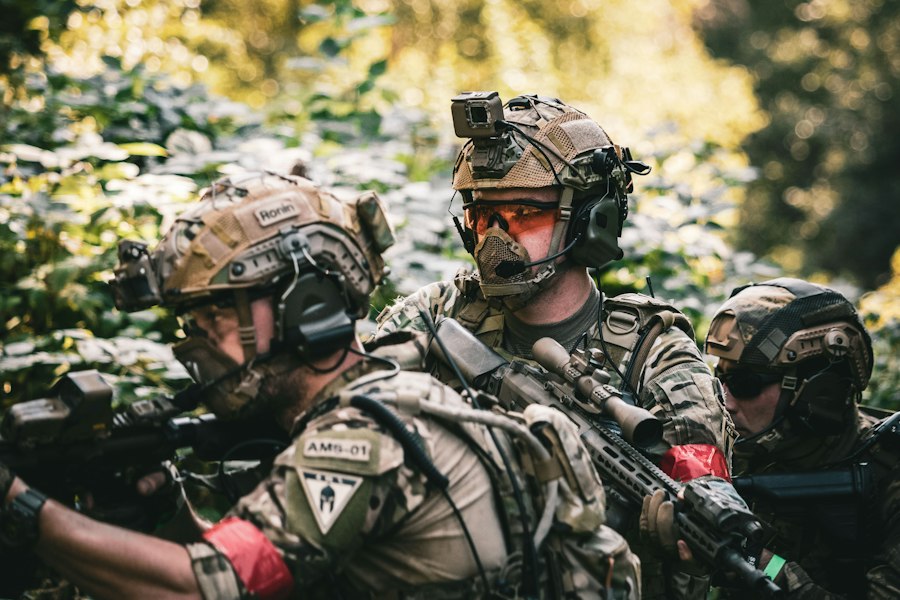
The caliber of JSOC’s success lies not only in its advanced technology and sophisticated planning but, more importantly, in the extraordinary individuals who comprise its ranks. The selection process for JSOC units is universally recognized as one of the most demanding and psychologically taxing in the world. Only the most resilient, intelligent, and physically capable individuals will even have a chance to join these elite ranks.
The Gauntlet: Rigorous Selection Criteria
Candidates for JSOC units are drawn from the most experienced and highly decorated members of their respective branches of service. They are subjected to exhaustive physical fitness tests, psychological evaluations, and extensive background checks. The criteria go beyond mere physical prowess; candidates must demonstrate exceptional problem-solving skills, unwavering integrity, advanced decision-making abilities under extreme stress, and a profound understanding of teamwork and leadership. The rejection rate is extraordinarily high, with many individuals failing to meet the stringent standards.
The Path to Mastery: Advanced and Classified Training
Once selected, individuals embark on a continuous and highly classified training regimen that pushes the boundaries of human capability. This training is not a one-time event but an ongoing process of refinement and skill enhancement. It encompasses a vast array of disciplines, often tailored to the specific operational needs of the unit.
Physical and Mental Endurance: Pushing the Limits
Training at the JSOC level places an immense emphasis on developing both peak physical conditioning and unparalleled mental resilience. Operators endure grueling physical exercises, prolonged periods of sleep deprivation, and simulated combat scenarios designed to test their breaking points and build their ability to function effectively under extreme duress. This focus on mental fortitude is as critical as physical strength, as operators must maintain focus and make life-or-death decisions in chaotic and high-stakes environments.
Specialized Skills: From Marksmanship to Unconventional Tactics
The specialized skill sets acquired by JSOC operators are extensive and continuously updated. This includes advanced marksmanship with a wide variety of firearms, proficiency in hand-to-hand combat, expertise in explosives and demolition, advanced medical training, and mastery of various insertion and extraction techniques, including airborne operations, maritime operations, and clandestine vehicle operations. Furthermore, operators receive extensive training in intelligence gathering, surveillance, reconnaissance, and communications, often utilizing cutting-edge technology.
Language and Cultural Acumen: Operating in a Globalized World
In an increasingly interconnected world, JSOC operators are often required to operate in diverse cultural and linguistic environments. Therefore, training often includes the acquisition of foreign languages and a deep understanding of cultural nuances. This allows operators to interact effectively with local populations, gather intelligence, and operate with greater sensitivity and success in complex international settings. The ability to build rapport and navigate cultural differences can be as critical as combat prowess in achieving mission objectives.
Inside the complex world of Joint Special Operations Command missions, understanding the intricacies of their operations is crucial for grasping the broader implications of modern warfare. For those interested in delving deeper into this topic, a related article provides valuable insights into the strategies and challenges faced by these elite forces. You can explore this further in the article available at this link, which highlights key aspects of their covert operations and the impact they have on global security.
The Shadow of Secrecy: JSOC’s Operational Framework and Impact
| Metric | Description | Typical Values | Notes |
|---|---|---|---|
| Mission Duration | Average length of JSOC missions | Hours to several days | Varies based on objective complexity |
| Team Size | Number of operators involved per mission | 4-12 personnel | Small, highly specialized teams |
| Success Rate | Percentage of missions achieving objectives | Estimated 90%+ | Exact figures classified |
| Casualty Rate | Percentage of personnel injured or killed | Low single digits (%) | Highly trained operators minimize risk |
| Target Types | Common mission targets | High-value individuals, terrorist cells, weapons caches | Focus on strategic impact |
| Insertion Methods | Typical ways teams enter operational areas | Helicopter, parachute, ground infiltration | Chosen based on mission environment |
| Extraction Methods | Typical ways teams exit operational areas | Helicopter, ground vehicles, stealth exfiltration | Often coordinated with insertion method |
| Intelligence Support | Level of intelligence integration | Real-time ISR, signals intelligence, human intelligence | Critical for mission planning and execution |
The very nature of JSOC’s mission necessitates a high degree of secrecy. Its operations are often conducted in the shadows, away from the public eye, to protect operatives, preserve operational effectiveness, and maintain strategic ambiguity. This secrecy, while essential for the execution of its duties, also contributes to its enigmatic reputation.
The Intelligence Nexus: Connecting the Dots
JSOC operates at the nexus of intelligence gathering and operational execution. It works closely with the broader U.S. intelligence community, including the CIA and other agencies, to receive actionable intelligence and to provide feedback from the field. This seamless integration ensures that JSOC operations are based on the most accurate and up-to-date information, maximizing the chances of success and minimizing risk. The ability to rapidly translate intelligence into kinetic action is a hallmark of JSOC’s operational prowess.
Technological Superiority: The Edge in a High-Tech World
While JSOC’s primary asset is its human capital, it also leverages cutting-edge technology to maintain its advantage. This includes advanced surveillance and reconnaissance equipment, sophisticated communication systems, state-of-the-art weaponry and protective gear, and specialized vehicles and aircraft designed for clandestine operations. The continuous investment in and adaptation of new technologies are crucial for JSOC to remain effective against evolving threats.
Strategic Impact: Shaping Global Security
The impact of JSOC’s operations on global security is undeniable, though often unacknowledged. By neutralizing terrorist threats, disrupting illicit networks, and supporting allies, JSOC plays a crucial role in maintaining international stability and protecting U.S. interests. Its ability to conduct operations that would be impossible or politically unfeasible for conventional forces allows the United States to address threats proactively and decisively. While its actions may not always be visible, the ripple effects of successful JSOC missions contribute to a safer global landscape.
The Ethical Quandary: Balancing Secrecy and Accountability
The clandestine nature of JSOC operations, while operationally necessary, also raises important questions regarding accountability and transparency. The inherent secrecy surrounding its activities can make it challenging to fully assess its impact and to ensure that all operations adhere to legal and ethical standards. While oversight mechanisms are in place, the classified nature of the work often limits public understanding and scrutiny. This presents an ongoing challenge in balancing the need for operational security with the principles of democratic oversight.
The Enduring Legacy: JSOC’s Role in Modern Warfare
The Joint Special Operations Command stands as a testament to the evolution of modern warfare and the increasing demand for specialized, highly capable forces. It represents the United States’ commitment to confronting its most complex security challenges with surgical precision and unwavering resolve. While much of its work remains in the shadows, its impact on global security and its enduring legacy are undeniable. As threats continue to evolve, JSOC will undoubtedly remain at the forefront, a silent guardian operating in the most demanding corners of the world, a testament to the extraordinary capabilities of its operators and the critical importance of its missions. Its existence, though often unseen, is a vital component of America’s national defense strategy, a force multiplier that operates where others cannot, or will not, go.
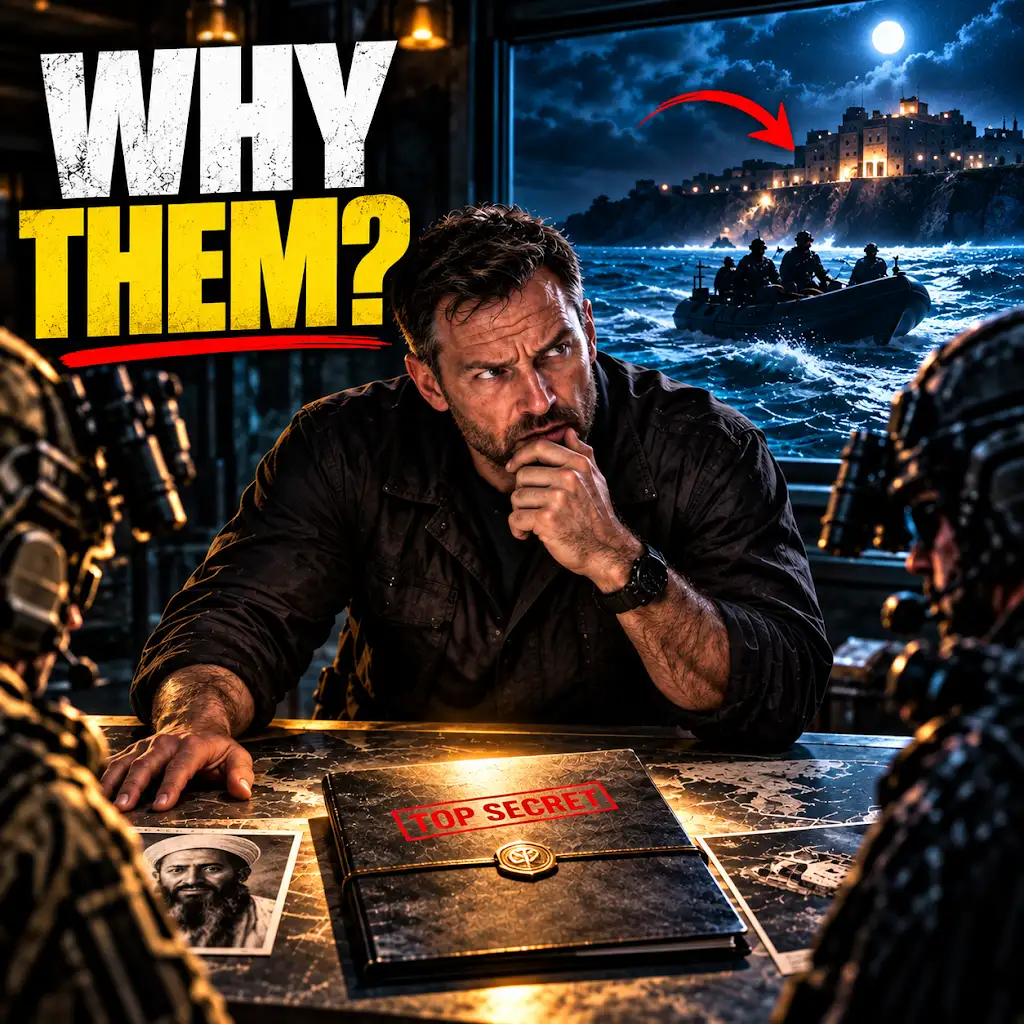
Why SEAL Team Six Got the Bin Laden Raid — Not Delta Force
FAQs
What is Joint Special Operations Command (JSOC)?
Joint Special Operations Command (JSOC) is a component command of the United States Special Operations Command (USSOCOM) and is responsible for conducting classified and clandestine missions around the world.
What types of missions does JSOC undertake?
JSOC undertakes a variety of missions, including counterterrorism operations, hostage rescue missions, special reconnaissance, direct action, and unconventional warfare.
What makes JSOC unique compared to other special operations forces?
JSOC is unique in that it brings together elite special operations forces from different branches of the U.S. military, such as Navy SEALs, Army Delta Force, and Air Force Special Tactics Squadrons, to work together on highly sensitive and high-risk missions.
How does JSOC operate in terms of command structure?
JSOC operates under a streamlined and flexible command structure that allows for rapid decision-making and execution of missions. It is able to operate independently or in conjunction with other military units and government agencies.
What is the significance of JSOC missions in the global war on terror?
JSOC missions have played a crucial role in the global war on terror, particularly in targeting high-value individuals, disrupting terrorist networks, and gathering intelligence to prevent future attacks. Their operations have been instrumental in degrading and defeating terrorist organizations such as Al-Qaeda and ISIS.