
The Soviet Union, a nation forged in the crucible of ideological struggle and technological ambition, left an indelible mark on the history of aviation. Its aircraft, often born of necessity and driven by a potent blend of military imperative and scientific curiosity, represent a unique chapter in aerospace engineering. From the roaring engines of World War II fighters to the sleek forms of advanced strategic bombers and groundbreaking passenger jets, Soviet innovation carved a distinct path, shaping global aeronautical development and leaving a legacy that continues to resonate today. This exploration delves into the key innovations of Soviet aircraft design, examining their context, impact, and enduring influence.
The Genesis of Soviet Air Power
The foundations of Soviet aviation were laid in the tumultuous early decades of the 20th century. The Bolshevik Revolution and the subsequent civil war underscored the strategic importance of air power, prompting a rapid, albeit often rudimentary, development of domestic aircraft manufacturing capabilities. The interwar period witnessed a significant push towards industrialization and technological self-sufficiency, a drive that extended forcefully into the aeronautical sector. This era was characterized by a focus on robust, rugged designs, often inspired by foreign technologies but adapted to Soviet conditions and manufacturing limitations. The emphasis was on mass production and operational simplicity, principles that would continue to inform Soviet aircraft design for decades.
Early Pioneering Efforts and Foreign Influence
Before the establishment of a truly indigenous design philosophy, Soviet engineers keenly studied and, where possible, adapted existing foreign designs. Early aircraft were often licensed copies or heavily modified versions of Western European and American machines. However, this period also saw the emergence of genuine Soviet innovation, driven by the unique demands of the vast Soviet landscape and the growing military requirements. The development of specialized aircraft for reconnaissance, bombing, and close air support began to take shape, laying the groundwork for future advancements.
The Great Patriotic War and the Birth of Iconic Designs
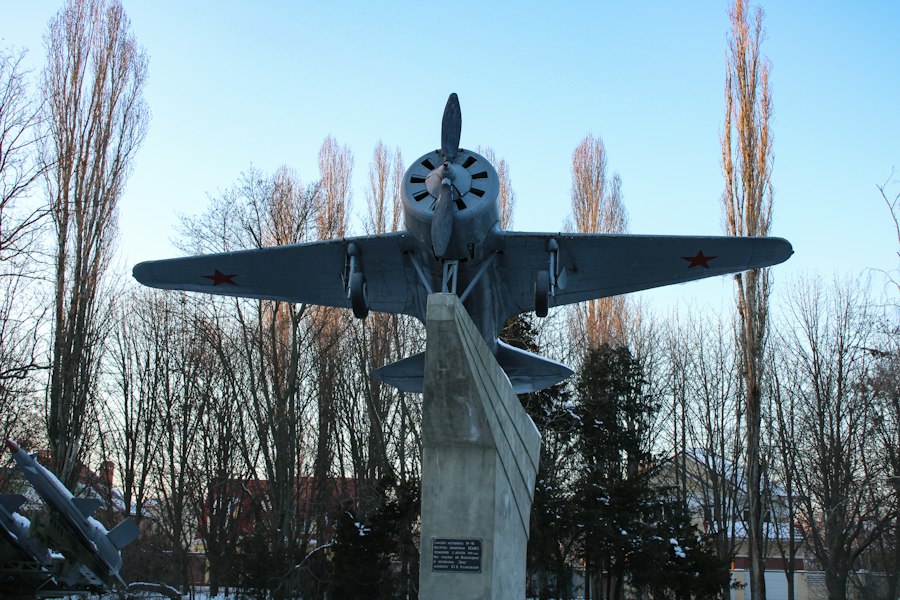
World War II, or the Great Patriotic War as it is known in Russia, was a defining moment for Soviet aviation. The sheer scale of the conflict necessitated rapid design iteration and mass production of effective combat aircraft. It was during this period that some of the most iconic Soviet aircraft were born, designed by brilliant minds like Semyon Lavochkin and Aleksandr Yakovlev. These aircraft were not always the most technologically sophisticated in terms of electronics or complex systems, but they excelled in areas crucial for the Eastern Front: ruggedness, ease of maintenance, high performance at lower altitudes, and sheer numbers. The rapid evolution of fighter aircraft, from the early Polikarpov I-16 “Rata” to the legendary Yakovlev Yak-3 and the potent Lavochkin La-5, demonstrated an impressive ability to learn, adapt, and innovate under extreme pressure.
Soviet Union aircraft design has always been a fascinating topic, showcasing the innovative engineering and strategic thinking that characterized the era. For those interested in exploring this subject further, a related article can be found at this link, which delves into the various aircraft developed during the Cold War and their impact on military aviation.
Innovations in Fighter and Attack Aircraft Design
The relentless demands of aerial combat on the Eastern Front spurred remarkable innovation in Soviet fighter and attack aircraft. Designers faced the challenge of producing aircraft that could effectively counter German Luftwaffe designs while being mass-producible and operable in often harsh conditions. This led to a distinct design philosophy that prioritized performance, simplicity, and firepower.
The Legacy of the Yak and La Series
The Yakovlev (Yak) and Lavochkin (La) fighter families stand as testaments to Soviet ingenuity during World War II. The Yakovlev design bureau, led by Aleksandr Yakovlev, produced a series of highly successful fighters, culminating in the Yak-1, Yak-3, and Yak-9. These aircraft were renowned for their exceptional maneuverability, speed, and pilot visibility, often outperforming their German counterparts in dogfights. The Yak-3, in particular, is considered by many to be one of the finest piston-engine fighters of the war. Similarly, the Lavochkin design bureau, under Semyon Lavochkin, developed the LaGG-3, which evolved into the highly effective La-5 and its successor, the La-7. These aircraft, powered by formidable Shvetsov radial engines, offered a potent combination of speed, climbing ability, and heavy armament, making them formidable opponents for the Luftwaffe. The emphasis on wood and fabric construction, while seemingly less advanced than the all-metal designs of some Western nations, allowed for rapid and efficient production, crucial for sustaining the Soviet war effort.
The Rise of Ground Attack Aircraft
Beyond air superiority, the Soviet Union also placed a significant emphasis on ground attack capabilities. The Ilyushin Il-2 Shturmovik, a heavily armored attack aircraft, became the most produced military aircraft in history. Its design was revolutionary, featuring an armored “bathtub” that protected the pilot and gunner, a powerful engine, and a formidable array of cannons, rockets, and bombs. The Il-2 was a brutal and highly effective weapon, capable of devastating enemy armor and infantry. Its development showcased a clear understanding of tactical needs on the Eastern Front, where close air support was vital for the success of ground operations. The persistence of this design, with its successor the Il-10, highlighted the Soviet commitment to specialized attack roles.
Advancements in Bomber and Transport Aircraft

While fighters often capture the most attention, Soviet innovation also extended to the crucial realms of strategic bombing and efficient transport. The development of long-range bombers was a key objective, driven by the desire to project power and strike at distant targets. Simultaneously, the vastness of the Soviet Union necessitated the creation of reliable and capable transport aircraft to move troops, equipment, and supplies across immense distances.
The Long-Range Bomber Ambitions
The ambition for long-range bombing capabilities was a persistent theme in Soviet aviation. Early efforts included the Tupolev ANT-42, a precursor to later designs. The war years saw the development of aircraft like the Petlyakov Pe-8, a four-engine heavy bomber that, while not produced in large numbers, demonstrated significant technical prowess. Post-war, the focus shifted to developing bombers capable of delivering nuclear payloads and projecting Soviet power globally. This led to the development of aircraft such as the Tupolev Tu-95 “Bear,” a strategic bomber that, with its distinctive turboprop engines, remains in service today, a testament to its robust design and adaptability. The Tu-95’s ability to carry nuclear cruise missiles and its long-range operational capacity made it a cornerstone of Soviet strategic deterrence throughout the Cold War.
The Backbone of Soviet Logistics: Transport Aircraft
The sheer geographical expanse of the Soviet Union and the logistical challenges of maintaining a vast military and industrial complex demanded effective transport aviation. The Antonov design bureau became synonymous with powerful and reliable transport aircraft. The Antonov An-2, a versatile biplane, proved to be incredibly robust and adaptable, finding roles in everything from agricultural spraying to passenger transport and cargo hauling across remote regions. It is one of the most produced aircraft of the 20th century and remains in widespread use. Later, the Antonov An-12, a four-engine turboprop, became the workhorse of Soviet military airlift, capable of carrying significant payloads over long distances. The An-12’s success paved the way for larger and more sophisticated designs, culminating in the massive An-22 and the even larger An-124 “Ruslan,” one of the world’s largest cargo aircraft. These transport aircraft were not just tools for logistics; they were vital arteries that connected the vast Soviet territory, enabling economic development and military projection.
The Jet Age and Supersonic Achievements
The advent of jet propulsion ushered in a new era of aviation, and the Soviet Union was quick to embrace this transformative technology. Driven by the need to match and surpass Western jet capabilities, Soviet engineers embarked on ambitious programs that resulted in groundbreaking designs, particularly in the realm of supersonic flight.
Early Jet Fighters and the MiG Legacy
The immediate post-war years saw the Soviet Union rapidly reverse-engineer captured German jet technology and develop its own indigenous jet engines. The Mikoyan-Gurevich (MiG) design bureau, already a prominent name in piston-engine fighters, emerged as a leader in jet aircraft development. The MiG-15, a swept-wing jet fighter, became one of the most produced jet fighters in history. Its performance, particularly at higher altitudes, made it a formidable adversary during the Korean War, where it famously clashed with American F-86 Sabres. The MiG-15 demonstrated the Soviet Union’s ability to quickly assimilate and improve upon new technologies. This was followed by increasingly capable designs like the MiG-17, MiG-19 (the first Soviet supersonic fighter), and the iconic MiG-21 “Fishbed,” which became a ubiquitous symbol of Soviet air power and one of the most produced supersonic aircraft ever. These aircraft, characterized by their speed, maneuverability, and increasingly sophisticated weaponry, underscored the intense competition of the Cold War arms race.
The Pursuit of Supersonic Speed: Bombers and Interceptors
The pursuit of supersonic speed was not limited to fighters. Soviet engineers also aimed to develop supersonic bombers and interceptors. The Tupolev Tu-144, a supersonic transport aircraft that rivaled the British-French Concorde, showcased a willingness to push the boundaries of passenger aviation, though operational challenges ultimately limited its commercial success. In the military sphere, the development of high-speed interceptors like the Sukhoi Su-9 and Su-11 was crucial for defending Soviet airspace against high-altitude bomber threats. The Sukhoi design bureau, known for its emphasis on aerodynamics and agility, also produced highly capable fighter-bombers like the Su-7 and its successor, the Su-17/20/22 “Fitter,” which offered excellent low-level performance and a significant payload capacity. These aircraft represented the Soviet Union’s growing confidence and capability in advanced jet technologies.
The evolution of aircraft design in the Soviet Union is a fascinating topic that highlights the innovative approaches taken during the Cold War era. One notable aspect is the emphasis on versatility and performance, which can be seen in various aircraft models that emerged during this period. For those interested in exploring this subject further, a related article can be found at In The War Room, where the intricate details of Soviet aviation advancements are discussed in depth.
The Enduring Impact and Legacy
| Aircraft Model | Role | First Flight | Max Speed (km/h) | Range (km) | Notable Features |
|---|---|---|---|---|---|
| MiG-15 | Jet Fighter | 1947 | 1075 | 1200 | First successful swept-wing jet fighter |
| Tu-95 | Strategic Bomber | 1952 | 920 | 15000 | Four turboprop engines, long range |
| Su-27 | Air Superiority Fighter | 1977 | 2500 | 3500 | High maneuverability, advanced avionics |
| MiG-25 | Interceptor/Reconnaissance | 1964 | 3000+ | 1080 | One of the fastest military aircraft |
| Il-2 Sturmovik | Ground Attack | 1939 | 400 | 720 | Heavily armored, widely produced |
The innovations of Soviet aircraft design extend far beyond the battlefield and the flight path. Their impact has been profound and multifaceted, influencing subsequent aerospace developments, shaping global military strategies, and leaving a cultural imprint that continues to be felt.
Technological Contributions and Global Influence
Soviet aircraft design contributed significantly to the global aerospace landscape. The ruggedness, simplicity, and operational efficiency of many Soviet designs influenced aircraft development in many other nations, particularly those seeking reliable and cost-effective solutions. The development of specialized ground attack aircraft, exemplified by the Il-2, directly impacted air support doctrine worldwide. The successful integration of turboprop technology in the Tu-95 demonstrated its viability for long-range strategic missions, a concept that influenced later aircraft. Furthermore, the sheer volume of Soviet aircraft produced meant that these designs were widely distributed, often through military aid programs, exposing engineers and pilots globally to Soviet aeronautical principles.
The Human Factor: Design Bureaus and Pilots
Behind every successful Soviet aircraft was a dedicated team of engineers and designers, often working under immense pressure and with limited resources. The legendary design bureaus, such as Mikoyan-Gurevich, Sukhoi, Tupolev, Ilyushin, and Antonov, fostered a unique environment of innovation and competition. These bureaus attracted some of the brightest minds, who were driven by a shared vision and a strong sense of national pride. The pilots who flew these machines also played a crucial role, providing invaluable feedback that led to design refinements and further innovations. The bravery and skill of Soviet pilots, particularly during World War II, were instrumental in validating and improving the effectiveness of their aircraft.
Post-Soviet Era and Continued Relevance
Even after the dissolution of the Soviet Union, many of its aircraft designs continued to be produced, operated, and modernized by successor states and other nations. The legacy of Soviet aeronautical engineering is evident in the continued service of aircraft like the An-124, the Tu-95, and numerous MiG and Sukhoi variants. Furthermore, the knowledge and experience gained during the Soviet era have informed the development of new aircraft by Russian and Ukrainian aerospace companies. While the geopolitical landscape has changed, the fundamental engineering principles and innovative spirit that characterized Soviet aircraft design remain a significant part of aviation history, a testament to the enduring power of human ingenuity in the pursuit of flight.

The Soviet Warship That Learned to Fly
FAQs
What were some notable Soviet Union aircraft designs?
Some notable Soviet Union aircraft designs include the MiG-21, Su-27, Tu-95, and Il-2 Sturmovik. These aircraft played significant roles in various military operations and are well-known for their performance and capabilities.
How did Soviet Union aircraft design differ from Western designs?
Soviet Union aircraft design often focused on simplicity, ruggedness, and ease of maintenance, in contrast to the more complex and technologically advanced designs of Western aircraft. Soviet aircraft were also known for their heavy armor and powerful armaments.
What impact did Soviet Union aircraft design have on aviation history?
Soviet Union aircraft design had a significant impact on aviation history by introducing innovative technologies and influencing the development of military aircraft worldwide. Soviet aircraft were known for their agility, speed, and firepower, shaping the future of aerial warfare.
Who were some influential Soviet aircraft designers?
Some influential Soviet aircraft designers include Sergei Ilyushin, Alexander Yakovlev, and Artem Mikoyan. These designers were responsible for creating iconic aircraft that played crucial roles in Soviet military operations and contributed to the advancement of aviation technology.
How did Soviet Union aircraft design evolve over time?
Soviet Union aircraft design evolved significantly over time, transitioning from biplanes and early monoplanes to advanced jet fighters and strategic bombers. The design philosophy shifted to incorporate new technologies, materials, and aerodynamic principles, leading to the development of cutting-edge aircraft designs.