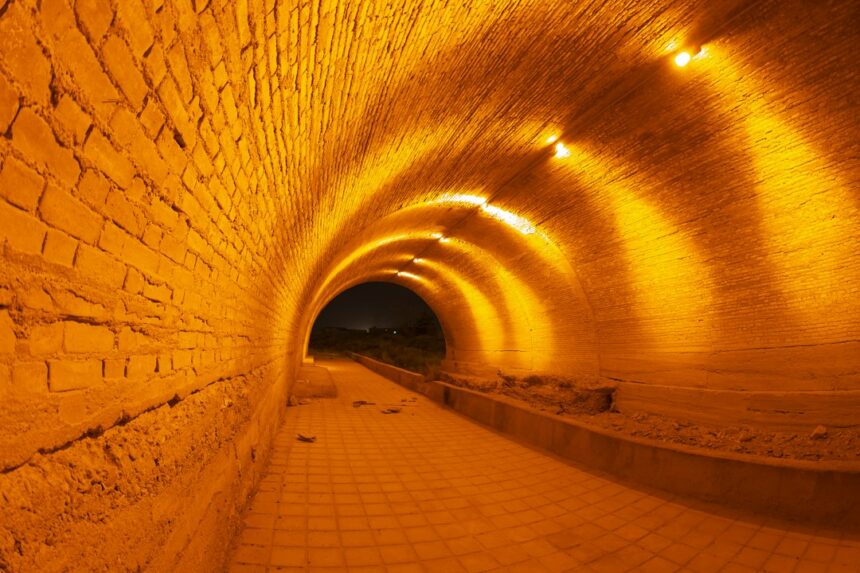
Modern tunnel engineering stands as a testament to human ingenuity, a discipline constantly pushing the boundaries of what is possible to create subterranean pathways for transportation, utilities, and critical infrastructure. These ambitious projects, whether burrowing beneath bustling metropolises, traversing challenging geological formations, or extending beneath the ocean’s depths, are inherently complex, demanding innovative solutions to overcome a myriad of obstacles. The field is characterized by a dynamic interplay between cutting-edge technology and an enduring understanding of geological principles, where advancements in machinery, materials, and project management techniques are continually employed to tackle evolving challenges. This ongoing evolution is not merely about digging deeper or faster; it involves a sophisticated approach to safety, environmental sustainability, and the integration of tunnels into wider urban and regional planning.
Advancements in Excavation Technologies
The very act of creating a tunnel has been revolutionized by advancements in excavation technology. From historical manual labor to the colossal machines of today, the pace and efficiency of tunnel construction have seen exponential growth. These innovations are not only about speed but also about precision, safety, and minimizing environmental impact.
The Reign of the Tunnel Boring Machine (TBM)
The Tunnel Boring Machine (TBM) has become the cornerstone of modern large-scale tunnel construction. These sophisticated electromechanical giants are capable of excavating through a wide range of geological conditions with remarkable efficiency and control. The evolution of TBMs has seen them become increasingly adaptable, with different types designed for specific ground conditions, from soft ground to hard rock.
Shielded TBMs for Soft Ground
For tunnels passing through unconsolidated materials like clay, sand, and gravel, shielded TBMs are indispensable. These machines feature a protective shield that encircles the excavation face, preventing the ingress of ground material and supporting the newly created tunnel lining. The cutterhead, equipped with rotating discs and cutters, breaks up the soil, which is then transported away by a conveyor belt system. Modern shielded TBMs incorporate advanced sensor technology to monitor ground pressure, water infiltration, and excavation parameters, allowing for real-time adjustments to maintain stability and safety. The continuous excavation and immediate lining installation provided by these TBMs significantly reduces the risk of collapse and minimizes disturbance to the surrounding environment.
Hard Rock TBMs: The Roller Cutter Revolution
In hard rock environments, TBMs equipped with roller cutters have become the industry standard. These machines utilize a powerful cutterhead fitted with large, hardened steel discs that crush and break the rock. The excavated rock fragments are then swept into a central chute and conveyed out of the tunnel. The design of hard rock TBMs focuses on immense power, robust construction, and efficient dust suppression systems. Innovations in cutterhead design, material science for the cutters, and hydraulic power systems have led to increased penetration rates and reduced wear, making these machines more economical and effective for long tunnel drives through challenging rock strata. The ability of hard rock TBMs to operate continuously with minimal intervention is a major advantage in remote or difficult-to-access locations.
Immersive Technologies and Digital Twins
Beyond the physical machines, the digital realm is profoundly impacting tunnel engineering. Building Information Modeling (BIM) is now standard practice, allowing for detailed 3D modeling of the tunnel, its surrounding geology, and all project components. This digital representation facilitates better planning, clash detection, and visualization.
The Rise of the Digital Twin
A significant evolution is the development of “digital twins” for tunnels. This involves creating a dynamic virtual replica of the physical tunnel, continuously updated with real-time data from sensors embedded within the structure and its environment. These digital twins allow engineers to monitor the tunnel’s performance, predict potential issues such as settlement or stress concentrations, and simulate the impact of various operational scenarios. For example, a digital twin can simulate the effects of increased train loads on a tunnel lining or predict the impact of nearby construction activities on the existing tunnel structure. This proactive approach to monitoring and maintenance is crucial for ensuring the long-term safety and integrity of underground infrastructure.
Augmented and Virtual Reality in Design and Construction
Augmented Reality (AR) and Virtual Reality (VR) are also finding practical applications. VR can be used for immersive training of construction crews, allowing them to experience hazardous scenarios in a safe, simulated environment. AR overlays digital information, such as utility lines or structural details, onto the real-world view of the construction site, aiding workers in accurate placement and identification of components. This not only enhances safety but also improves efficiency by reducing the need for constant physical checks and referencing of paper plans.
Tunnel engineering is a fascinating field that encompasses various aspects of design, construction, and maintenance of underground structures. For those interested in exploring more about the latest advancements and challenges in this area, a related article can be found at In the War Room. This resource provides insights into innovative techniques and technologies that are shaping the future of tunnel construction, making it a valuable read for engineers and enthusiasts alike.
Navigating Complex Geological and Geotechnical Challenges
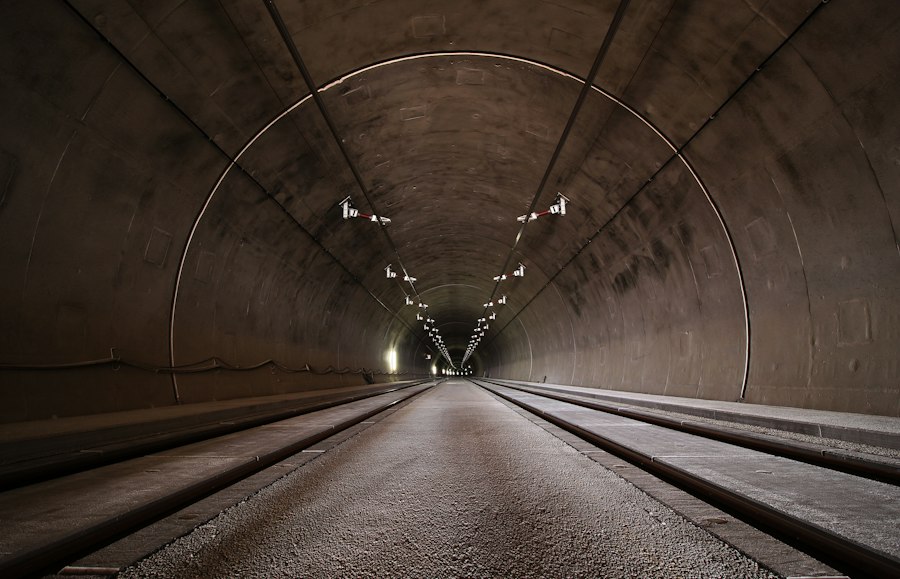
The ground itself presents the most formidable and variable challenges in tunnel engineering. Understanding and mitigating the risks associated with diverse geological formations, groundwater, and seismic activity are paramount to successful project delivery.
Unforeseen Ground Conditions and Their Mitigation
The unpredictability of subsurface conditions is a perennial concern. Unforeseen geological formations, such as pockets of soft clay within hard rock, or the presence of gas-filled voids, can drastically alter excavation progress and pose significant safety risks.
Advanced Ground Investigation Techniques
To combat this unpredictability, sophisticated ground investigation techniques are employed. These go beyond traditional boreholes and laboratory testing. Geophysical methods like seismic refraction, ground-penetrating radar (GPR), and electrical resistivity tomography (ERT) provide continuous subsurface profiles, helping to identify anomalies and map geological layers with greater detail. Cone penetration tests (CPTs) offer real-time geotechnical data, providing information on soil strength and stratigraphy. Advanced downhole logging techniques, including optical and acoustic televiewer surveys, provide detailed visual and acoustic data of borehole walls, revealing fractures and rock quality. The integration of data from multiple investigation methods allows for the creation of highly detailed and accurate geological models.
Innovative Ground Improvement and Support Systems
When challenging ground conditions are identified, engineers deploy a range of innovative ground improvement and support systems. For water-bearing ground, ground freezing or grouting techniques can be employed to temporarily solidify the soil or rock, making it stable for excavation. Advanced sprayed concrete formulations with rapid setting times and enhanced durability are used for initial tunnel support. Self-drilling rock bolts and self-sealing injection systems are employed in fractured rock masses to provide immediate and effective reinforcement. The development of lightweight, high-strength composite materials for tunnel linings offers an alternative to traditional concrete and steel, potentially reducing construction time and material costs.
Managing Groundwater Inflow and Hydrostatic Pressure
Water is an ever-present adversary in tunnel construction. Significant groundwater inflow can destabilize the excavation face, lead to flooding, and exert considerable hydrostatic pressure on the tunnel lining, potentially compromising its structural integrity.
Advanced Dewatering and Drainage Systems
Modern tunnel projects employ sophisticated dewatering and drainage systems. These include powerful high-capacity pumps, extensive wellpoint systems, and innovative drainage layers that channel water away from the excavation face and towards collection sumps. The design of these systems must account for the long-term performance of the tunnel, ensuring that permanent drainage measures are incorporated to manage groundwater levels throughout the tunnel’s operational life. Geotechnical engineers also utilize numerical modeling to predict groundwater flow patterns and pressure distribution, allowing for optimized design of drainage and sealing measures.
Waterproofing and Sealing Technologies
Effective waterproofing and sealing are critical to prevent water ingress. Advanced membrane systems, often multi-layered and highly durable, are installed on the exterior of the tunnel lining. These membranes are designed to withstand the harsh subterranean environment and provide a robust barrier against water. Injection resins, capable of expanding and filling voids and cracks, are also used for targeted sealing of leaks during construction and for remedial work on existing tunnels. The selection of appropriate materials and installation techniques is crucial for long-term watertightness.
Addressing Seismic Hazards
In earthquake-prone regions, designing tunnels to withstand seismic forces is a critical consideration. The dynamic nature of seismic loading requires specialized engineering approaches.
Seismic Design Principles and Performance-Based Design
Tunnel linings in seismic zones are designed to accommodate ground deformations and resist inertial forces induced by earthquakes. This often involves using more flexible lining designs, incorporating isolation bearings, or employing energy-dissipation devices. Performance-based seismic design is increasingly used, where engineers set specific performance objectives for the tunnel under various seismic scenarios, such as preventing collapse or maintaining operational capacity. This approach allows for a more nuanced and optimized design compared to traditional prescriptive codes.
Advanced Analytical and Numerical Modeling
Advanced analytical and numerical modeling techniques are essential for simulating seismic response. Finite element analysis (FEA) models are used to assess the stress and strain distribution within the tunnel lining and surrounding ground during an earthquake. These models can incorporate complex soil-structure interaction phenomena and seismic wave propagation. The development of sophisticated ground motion prediction models and the availability of detailed seismic hazard maps inform these analyses, ensuring that designs are robust against anticipated seismic events.
Innovations in Materials Science and Construction Techniques
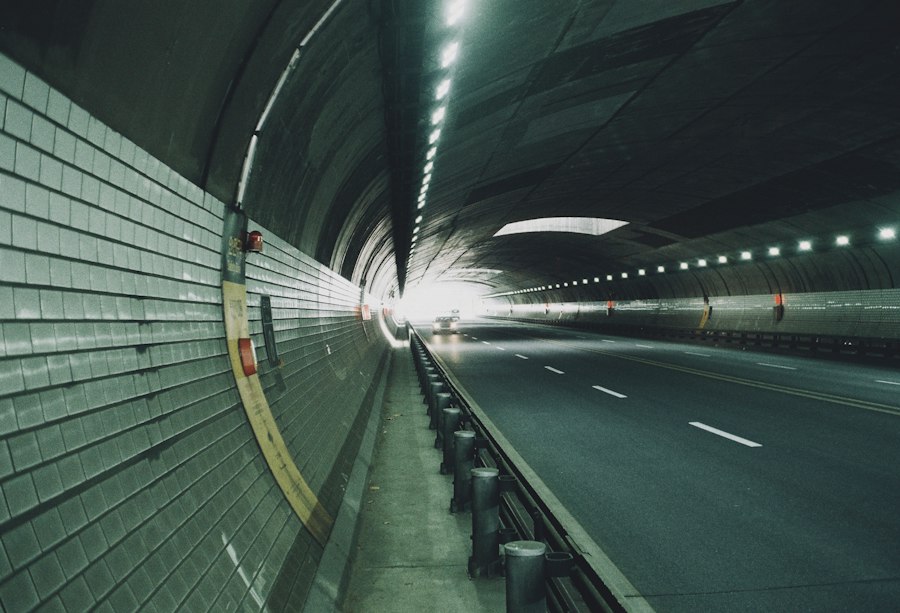
Beyond excavation, the materials used for tunnel linings and the methods employed to install them are undergoing continuous innovation, driven by the need for enhanced durability, sustainability, and cost-effectiveness.
High-Performance Concrete and Composite Materials
The traditional materials of concrete and steel are being augmented and, in some cases, replaced by advanced alternatives that offer superior properties.
Self-Healing Concrete and Ultra-High Performance Concrete (UHPC)
Self-healing concrete, incorporating microcapsules of healing agents or bacteria that produce calcium carbonate when exposed to water and air, is a significant development for tunnel linings. These innovative concretes can autonomously repair small cracks, extending the service life of the tunnel and reducing maintenance costs. Ultra-High Performance Concrete (UHPC) offers exceptional strength, durability, and resistance to abrasion and chemical attack, making it ideal for demanding tunnel environments, particularly where high loads or aggressive conditions are expected. Its lower permeability also contributes to improved watertightness.
Fiber-Reinforced Polymers (FRPs) and Advanced Composites
Fiber-Reinforced Polymers (FRPs), such as those made from carbon or glass fibers embedded in a polymer matrix, are gaining traction as lightweight, corrosion-resistant alternatives to steel reinforcement in concrete. FRPs offer high tensile strength and can significantly reduce the weight of tunnel lining segments, simplifying transportation and installation. Advanced composite materials are also being explored for tunnel segments, offering tailor-made properties for specific applications, including improved fire resistance and enhanced seismic performance.
Prefabrication and Modular Construction
The shift towards prefabrication and modular construction techniques is significantly impacting tunnel engineering, offering advantages in terms of speed, quality control, and safety.
Segmental Lining Systems and Advanced Grouting
The most widespread application of prefabrication is in the form of precast concrete segmental linings, particularly for TBM-driven tunnels. These segments are manufactured off-site in controlled factory conditions, ensuring high quality and dimensional accuracy. The segments are then transported to the tunnel face and erected by the TBM’s internal erector mechanism. The annular gap between the excavated ground and the erected lining is then filled with specialized grout. Innovations in grout technology, including faster setting times, reduced shrinkage, and improved flowability, are critical for ensuring a solid connection between the segments and the ground, which is essential for load transfer and waterproofing.
Modular Tunnel Components and Robotic Assembly
The concept of modular construction is extending beyond just lining segments. Some projects are exploring the use of fully prefabricated tunnel modules that can be assembled on-site or even submerged into position. Robotic assembly is also being integrated into the construction process, with automated systems used for tasks like segment erection, bolt tightening, and even spraying concrete, further enhancing efficiency and reducing human exposure to hazardous environments. These advancements promise to revolutionize how tunnels are built, making them faster, safer, and more sustainable.
Sustainability and Environmental Considerations
Modern tunnel engineering is increasingly defined by its commitment to environmental stewardship and sustainable practices. The subterranean nature of tunnels inherently offers some environmental benefits, but the construction process itself can have significant impacts that require careful management.
Minimizing Environmental Footprint
The focus is on reducing the ecological impact of tunnel construction throughout its lifecycle.
Sustainable Material Sourcing and Waste Reduction
Efforts are being made to source construction materials sustainably, prioritizing recycled content and locally sourced aggregates where possible. The efficient use of materials and the implementation of rigorous waste management strategies are critical. This includes the recycling of excavated spoil for use in landscaping or as aggregate in new construction, as well as minimizing concrete waste through precise mix designs and efficient placement. The development of low-carbon concrete mixes and alternative binders is also a growing area of research and implementation.
Noise and Vibration Control
Tunnel construction can generate significant noise and vibrations, impacting surrounding communities and ecosystems. Advanced techniques for noise and vibration mitigation are employed, including the use of acoustic barriers, vibration dampening systems for machinery, and careful scheduling of disruptive activities. Monitoring of noise and vibration levels throughout the construction period is essential to ensure compliance with environmental regulations and to address any community concerns promptly.
Environmental Impact Assessments and Mitigation Strategies
Comprehensive Environmental Impact Assessments (EIAs) are standard practice, identifying potential risks and proposing mitigation measures.
Biodiversity Protection and Habitat Restoration
For tunnels passing through sensitive ecological areas, detailed biodiversity assessments are conducted. Mitigation strategies may include establishing wildlife crossings, relocating protected species, and implementing habitat restoration plans post-construction. The careful planning of tunnel alignments to avoid critical habitats is a primary objective.
Groundwater Management and Surface Water Protection
Protecting groundwater resources and surface water bodies from contamination during construction is a paramount concern. This involves the implementation of robust dewatering systems with filtration and treatment of discharged water, as well as the use of impermeable barriers to prevent the ingress of pollutants into water sources. Runoff management plans are also essential to prevent erosion and sedimentation of nearby waterways.
Long-Term Environmental Benefits of Underground Infrastructure
While construction has impacts, the long-term operational benefits of tunnels often outweigh them.
Reduced Surface Congestion and Land Use
By moving transportation and utilities underground, tunnels significantly reduce surface congestion, freeing up valuable land for green spaces, housing, or other community uses. This can lead to more livable and sustainable urban environments.
Improved Air Quality and Reduced Emissions
Shifting traffic from surface roads to underground tunnels can lead to a reduction in surface air pollution and noise. Furthermore, the efficiency of underground transit systems, particularly electric-powered rail, contributes to lower greenhouse gas emissions compared to surface-based transportation. The ability to integrate climate control systems within underground environments can also lead to more energy-efficient operations compared to exposed infrastructure.
Tunnel engineering is a fascinating field that encompasses various aspects of design, construction, and maintenance of underground passages. For those interested in exploring this topic further, a related article can provide valuable insights into the latest advancements and challenges faced in the industry. You can read more about these developments in the comprehensive overview found in this article, which delves into innovative techniques and case studies that highlight the importance of tunnel engineering in modern infrastructure.
The Future of Tunnel Engineering: Automation, AI, and the Smart Tunnel
| Metric | Description | Typical Range/Value | Unit |
|---|---|---|---|
| Tunnel Length | Total length of the tunnel constructed or planned | 100 – 50,000 | meters |
| Coverage Depth | Depth of overburden or soil/rock above the tunnel crown | 5 – 200 | meters |
| Cross-Sectional Area | Area of the tunnel cross-section | 10 – 150 | square meters |
| Ground Coverage Ratio | Ratio of tunnel cross-sectional area to the surface area affected | 0.01 – 0.1 | dimensionless |
| Support Coverage | Percentage of tunnel surface covered by support structures (e.g., shotcrete, lining) | 80 – 100 | percent |
| Excavation Coverage | Percentage of planned tunnel excavation completed | 0 – 100 | percent |
| Instrumentation Coverage | Extent of monitoring instruments installed along the tunnel | 70 – 100 | percent |
| Waterproofing Coverage | Percentage of tunnel surface treated with waterproofing membranes | 60 – 100 | percent |
The trajectory of tunnel engineering points towards increasing automation, the integration of artificial intelligence, and the creation of “smart tunnels” that are self-monitoring and adaptive.
The Role of Automation and Robotics
Automation is set to transform every phase of tunnel construction.
Autonomous TBM Operation and Robotic Inspection
The development of TBMs with enhanced autonomous capabilities is a key area of focus. These machines can be programmed to navigate complex alignments, optimize excavation parameters, and even perform self-diagnostics, reducing the need for constant human supervision in potentially hazardous underground environments. Robotic systems are also being developed for detailed internal inspections of tunnels, capable of navigating confined spaces and collecting high-resolution imagery and sensor data, which can be analyzed to identify defects or signs of wear.
Automated Segment Erection and Grouting
Robotic arms and automated systems are increasingly being employed for the precise erection of tunnel lining segments and for the accurate application of grout. This not only increases speed and efficiency but also ensures consistent quality and reduces the risk of human error. The integration of AI in these robotic systems allows for adaptive control, enabling them to respond to real-time conditions on the construction site.
Artificial Intelligence in Design and Operations
AI is poised to revolutionize the decision-making processes in tunnel engineering.
Predictive Analytics for Geotechnical Risks and Maintenance
AI algorithms can analyze vast datasets from ground investigations, historical project data, and sensor readings to predict potential geotechnical risks, such as ground settlement or water inflow, with greater accuracy. This enables proactive mitigation measures to be implemented before issues arise. Furthermore, AI can be used for predictive maintenance of tunnel infrastructure, analyzing structural health monitoring data to forecast when repairs will be needed, optimizing maintenance schedules and minimizing disruptions.
AI-Powered Design Optimization and Simulation
AI can assist engineers in optimizing tunnel designs by rapidly exploring a multitude of parameters and configurations to find the most efficient, cost-effective, and structurally sound solutions. Machine learning models can be trained on past project data to identify design patterns that lead to successful outcomes and avoid common pitfalls. AI-powered simulations can also provide more realistic and dynamic assessments of tunnel behavior under various operational and environmental conditions.
The Concept of the Smart Tunnel
The ultimate vision is a tunnel that is not just a passive structure but an intelligent, interconnected system.
Integrated Sensor Networks and Real-Time Monitoring
Future tunnels will be equipped with extensive networks of embedded sensors monitoring everything from structural integrity, temperature, humidity, and air quality to traffic flow and energy consumption. This data will be continuously transmitted to a central command center for real-time monitoring and analysis.
Adaptive Operations and Enhanced Safety Features
The data collected by sensor networks will enable adaptive tunnel operations. For example, ventilation systems can automatically adjust to optimize air quality based on real-time pollutant levels. In case of emergencies, smart tunnels can automatically reroute traffic, activate emergency lighting, and guide evacuation procedures. Enhanced safety features, such as integrated fire detection and suppression systems, advanced communication networks, and real-time incident management capabilities, will be standard. The concept of a “smart tunnel” represents the culmination of ongoing technological advancements, promising safer, more efficient, and more sustainable underground infrastructure for the future.

Operation Gold: The Day the Soviets Busted the CIA’s Secret Tunnel
FAQs
What is tunnel engineering?
Tunnel engineering is a branch of civil engineering that deals with the design, construction, and maintenance of tunnels for various purposes such as transportation, water conveyance, and utilities.
What are the different types of tunnels in tunnel engineering?
There are several types of tunnels, including road tunnels, rail tunnels, water supply tunnels, sewer tunnels, and utility tunnels. Each type serves a specific purpose and requires different design considerations.
What are the key challenges in tunnel engineering?
Some of the key challenges in tunnel engineering include geological conditions, groundwater management, ventilation, safety measures, and environmental impact assessments. Engineers must address these challenges to ensure the successful construction and operation of tunnels.
How is tunnel construction typically carried out?
Tunnel construction involves several stages, including site investigation, design, excavation, support system installation, and lining. Different methods such as cut-and-cover, bored tunnels, and immersed tube tunnels can be used depending on the project requirements.
What are some notable tunnel engineering projects around the world?
Some notable tunnel engineering projects include the Channel Tunnel connecting England and France, the Gotthard Base Tunnel in Switzerland, the Tokyo Bay Aqua-Line in Japan, and the SMART Tunnel in Malaysia. These projects showcase the advancements in tunnel engineering technology and innovation.