
Industrial policy, often a complex and debated topic, holds a profound and often underestimated influence on a nation’s military strength. It is not merely about economic growth or job creation; it directly underpins the capacity for defense, innovation, and ultimately, national security. The ability of a state to project power, deter aggression, and protect its interests is intrinsically linked to the robustness and strategic direction of its industrial base. From the raw materials that fuel war machines to the sophisticated technologies that define modern warfare, industrial policy acts as the silent architect of military might.
The historical trajectory of military strength is inextricably tied to the evolution of state intervention in industrial development. From the nascent stages of industrialization, governments recognized the critical link between economic capacity and military capability. Early modern states, seeking to consolidate power and expand their influence, actively fostered industries that could supply their armed forces. This foundational understanding set the stage for the intricate relationship between industrial policy and military strength that persists today.
The Mercantilist Imperative and Arms Production
During the mercantilist era, national wealth was equated with the accumulation of precious metals and a favorable balance of trade. This economic philosophy directly translated into a focus on developing domestic industries that could reduce reliance on foreign imports and generate exportable goods, including those for military purposes. Naval power, for instance, was a paramount concern for many European nations, leading to deliberate policies that encouraged shipbuilding, timber production, and the iron industry.
State-Sponsored Arsenals and Shipyards
Governments established and directly controlled arsenals and shipyards to ensure a consistent and specialized supply of weaponry and vessels. These state-run enterprises were not driven by market forces alone but by the strategic imperative of equipping and maintaining a formidable military. The efficiency and capacity of these state-owned facilities were direct indicators of a nation’s ability to wage war and defend its territories.
Protectionist Measures to Foster Domestic Industries
Protectionist policies, such as tariffs and import restrictions, were crucial tools in shielding emerging domestic industries from foreign competition. This allowed nascent arms manufacturers and related sectors to grow under a supportive domestic environment, eventually contributing to a more self-sufficient defense industrial base. The development of muskets, cannons, and later, more complex firearms, was often a direct beneficiary of such protectionist strategies.
The Industrial Revolution’s Transformation of Warfare
The advent of the Industrial Revolution marked a seismic shift in both industrial capacity and military technology. This period witnessed an acceleration in the pace of innovation and the mass production of goods, directly impacting the scale and nature of warfare. Governments that effectively harnessed the power of industrialization found themselves possessing a significant military advantage over those that did not.
Mass Production of Weapons and Ammunition
The ability to mass-produce firearms, artillery, and ammunition became a defining characteristic of modern armies. Factories, powered by new technologies like steam engines, could churn out standardized weaponry at unprecedented rates. Industrial policies that encouraged investment in manufacturing infrastructure and skilled labor directly contributed to the logistical capacity needed to supply vast armies on the battlefield.
Advancements in Metallurgy and Engineering
Developments in metallurgy and engineering were crucial for producing stronger, more durable, and more effective weaponry. The ability to create high-quality steel, for example, revolutionized cannon production and the construction of ironclad warships. Industrial policies that supported research and development in these fields, often through partnerships with universities and private firms, were vital for staying ahead of rivals.
The Rise of Naval Power and Industrial Capacity
Naval power became increasingly dependent on industrial might. The construction of steam-powered warships, with their complex machinery and armored hulls, required a sophisticated industrial base capable of producing engines, boilers, and large quantities of metal. Nations that led in industrialization, such as Britain, were able to build and sustain dominant navies, projecting power across the globe.
Industrial policy plays a crucial role in shaping military power by influencing the development and production of defense technologies and capabilities. A related article that delves deeper into this topic is available at In the War Room, where the intersection of economic strategies and military readiness is explored. This analysis highlights how government initiatives can bolster national security by fostering innovation and ensuring a robust defense industrial base.
Strategic Industries and National Defense: The Modern Framework
In the contemporary landscape, industrial policy continues to play a pivotal role in shaping military strength, albeit with a greater emphasis on advanced technologies and specialized sectors. Governments strategically identify and support “strategic industries” that are deemed essential for national security, recognizing that their development and resilience are paramount to maintaining a credible defense posture.
The Importance of the Defense Industrial Base (DIB)
The Defense Industrial Base (DIB) refers to the network of companies and facilities that design, develop, produce, and maintain military equipment and systems. A robust and capable DIB is a cornerstone of national security, ensuring a nation’s ability to equip its forces with cutting-edge technology and to respond effectively to evolving threats. Industrial policies are specifically designed to foster and protect this vital ecosystem.
Ensuring Supply Chain Resilience
One of the primary objectives of industrial policy concerning the DIB is to ensure supply chain resilience. This involves identifying potential vulnerabilities in the supply chain for critical components and raw materials and implementing measures to mitigate risks. This can include encouraging domestic production of key inputs, diversifying suppliers, and building strategic stockpiles. The COVID-19 pandemic, for instance, highlighted the fragility of global supply chains and underscored the importance of domestic industrial capacity.
Fostering Innovation and Technological Advancement
Industrial policy plays a crucial role in stimulating innovation within the defense sector. This can be achieved through government funding for research and development (R&D), grants for advanced manufacturing technologies, and incentives for private sector investment in cutting-edge defense technologies. The aim is to ensure that a nation’s military remains at the forefront of technological capability.
Maintaining a Skilled Workforce
A critical, yet often overlooked, aspect of the DIB is the availability of a skilled workforce. This includes engineers, technicians, scientists, and skilled manufacturing labor. Industrial policies that support STEM education, vocational training, and apprenticeships are essential for ensuring that the defense industry has access to the talent it needs to operate and innovate.
The Role of Emerging Technologies and Industrial Strategy
The rapid pace of technological change necessitates an adaptive and forward-looking industrial policy. Nations must anticipate the next generation of military capabilities and strategically invest in the industries that will produce them. This requires foresight, collaboration between government, academia, and industry, and a willingness to embrace new paradigms.
Semiconductors and Advanced Computing
Semiconductors are the bedrock of modern electronics, powering everything from battlefield communication systems to sophisticated missile guidance. Industrial policies that support domestic semiconductor manufacturing, research, and design are crucial for national security, as reliance on foreign sources can create significant strategic vulnerabilities. This includes government investment in fabs, R&D initiatives, and trade policies that protect intellectual property.
Artificial Intelligence (AI) and Robotics
The integration of AI and robotics into military systems is transforming warfare. Industrial policies focused on these areas aim to develop indigenous capabilities in AI research, autonomous systems, and advanced robotics. This involves funding research institutions, fostering AI startups, and integrating AI into defense procurement processes. The ethical implications and control mechanisms for AI in military applications are also critical considerations within industrial policy frameworks.
Cybersecurity and Information Warfare
In the digital age, cybersecurity is as vital as physical defense. Industrial policies that promote the development of robust cybersecurity capabilities, including advanced threat detection, secure network infrastructure, and cyber defense expertise, are paramount. Furthermore, policies aimed at fostering capabilities in information warfare, disinformation countermeasures, and the secure dissemination of information are increasingly important.
Economic Statecraft and Geopolitical Influence: Industrial Policy as a Tool
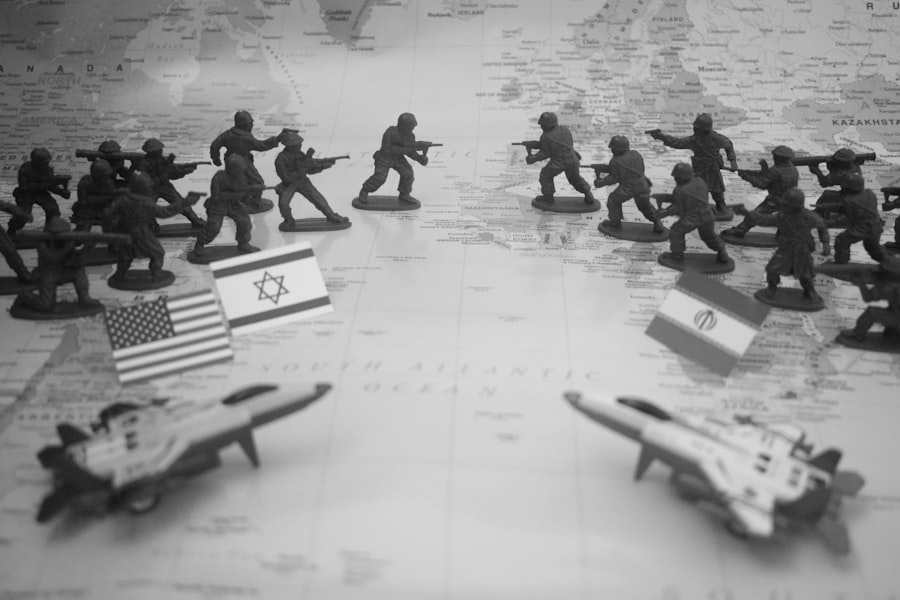
Beyond direct military applications, industrial policy serves as a potent tool for economic statecraft and the projection of geopolitical influence. By strategically developing key industries, nations can enhance their economic competitiveness, secure access to critical resources, and build alliances, all of which indirectly bolster their military standing and global relevance.
Shaping Global Markets and Resource Access
Industrial policies can be designed to shape global markets and secure access to critical resources necessary for both industrial and military production. This can involve trade agreements that favor domestic industries, investments in resource-rich countries, and the development of alternative supply chains to reduce dependence on potentially unreliable sources.
Control over Critical Raw Materials
Access to raw materials such as rare earth elements, lithium, and cobalt is increasingly vital for the production of advanced military technologies. Industrial policies can focus on securing domestic reserves, diversifying sources of supply, and developing recycling and substitution technologies to mitigate reliance on any single supplier.
Export Control and Technology Transfer
Industrial policy also encompasses the strategic management of technology transfer and export controls. By carefully regulating the export of sensitive technologies, nations can prevent potential adversaries from acquiring capabilities that could threaten their security. Conversely, controlled technology sharing can be used to build partnerships and strengthen alliances.
The Geopolitical Leverage of Industrial Dominance
Nations that achieve dominance in key industrial sectors often wield significant geopolitical leverage. Their economic prosperity and technological prowess can translate into greater political influence, the ability to set international standards, and the capacity to shape global norms and agendas. This, in turn, enhances their security and their ability to project power.
Alliance Building Through Industrial Cooperation
Industrial policy can be leveraged to foster strong alliances. Collaborative R&D projects, joint ventures, and reciprocal trade agreements in strategic sectors can deepen economic ties and create mutual dependencies that strengthen security partnerships. These industrial collaborations can often lead to interoperability of military systems and seamless cooperation in times of crisis.
The “Soft Power” of Technological Leadership
Leadership in technological innovation, driven by effective industrial policy, can generate significant “soft power.” A nation renowned for its technological advancements can attract talent, foster international collaboration, and establish its economic and military models as desirable for others. This can lead to increased diplomatic influence and a more favorable global security environment.
Challenges and Criticisms of Industrial Policy for Military Strength

While the benefits of industrial policy for military strength are evident, the implementation of such policies is not without its challenges and criticisms. Striking the right balance between government intervention and market forces, avoiding inefficiencies, and ensuring accountability are critical considerations.
The Risk of Market Distortion and Inefficiency
One of the primary criticisms of industrial policy is the risk of government intervention distorting market signals and leading to inefficiencies. Subsidies, trade protections, and directed investments, if poorly conceived or implemented, can prop up uncompetitive industries, stifle genuine innovation, and lead to misallocation of resources. This can ultimately weaken the overall economic base, which underpins military strength.
Picking Winners and Losers: The Government’s Role
A significant challenge lies in the government’s ability to accurately “pick winners” – identifying industries and technologies that will be strategically important in the future. Bureaucratic decision-making may not always align with market realities or technological advancements, leading to investments in the wrong areas.
Rent-Seeking and Corruption
The concentration of economic power and government support can also create opportunities for rent-seeking and corruption. Industries may lobby for preferential treatment, diverting resources away from genuine innovation and towards political influence. robust oversight and transparent processes are essential to mitigate these risks.
The International Ramifications of Industrial Policy
Industrial policies, particularly those aimed at fostering domestic defense industries, can have significant international ramifications. Protectionist measures can lead to trade disputes and retaliatory actions, while the aggressive pursuit of technological dominance can fuel geopolitical tensions and an arms race.
Trade Wars and Retaliation
When nations implement aggressive industrial policies, such as imposing high tariffs on imported defense components or subsidizing their own industries heavily, it can trigger trade wars and retaliatory measures from other countries. This can disrupt global trade, harm economies, and create instability.
The Global Arms Race and Escalation Risks
If industrial policies are perceived as being solely geared towards outcompeting rivals militarily, they can contribute to a global arms race. This escalates tensions, increases the risk of conflict, and diverts resources from other critical areas of national and global development.
The Dynamic Nature of Threats and Technological Obsolescence
The rapid pace of technological change and the evolving nature of threats pose a constant challenge to industrial policy. What is considered state-of-the-art today can become obsolete tomorrow. Industrial policies must be flexible and adaptable, capable of responding to unforeseen developments and ensuring that the defense industrial base can pivot to meet new demands.
The Need for Agility and Adaptability
A rigid industrial policy that focuses on entrenched technologies or specific companies can quickly become outdated. The military industrial complex needs to be agile, able to retool and adapt to new technological paradigms, and resilient in the face of shifting geopolitical landscapes.
Foreseeing Future Threats
Accurate foresight into future threats is incredibly difficult. Industrial policies must therefore incorporate mechanisms for continuous assessment and adaptation, fostering a culture of innovation and responsiveness within the defense sector. This includes fostering strong linkages between intelligence agencies, military strategists, and the industrial base.
Industrial policy plays a crucial role in shaping military power, as it directly influences a nation’s ability to produce advanced technologies and sustain its defense capabilities. For a deeper understanding of this relationship, you can explore a related article that discusses how strategic investments in key industries can enhance military readiness and innovation. This insightful piece can be found at In the War Room, where the complexities of industrial policy and its impact on national security are examined in detail.
Conclusion: The Enduring Nexus of Industry and Defense
| Country | Industrial Policy | Military Power |
|---|---|---|
| United States | Emphasizes defense industry innovation and technology development | Has the largest military budget and advanced weaponry |
| China | Invests heavily in domestic defense industry and technology | Has rapidly modernized its military and expanded its global presence |
| Russia | Focuses on domestic arms production and military modernization | Has a significant nuclear arsenal and advanced military technology |
In conclusion, the impact of industrial policy on military strength is undeniable and enduring. Throughout history, and continuing into the present day, the strategic direction and robustness of a nation’s industrial base have been fundamental determinants of its ability to defend itself, project power, and secure its interests. From the early days of state-sponsored arsenals to the sophisticated development of AI and advanced propulsion systems, industrial policy has been the silent enabler of military might.
The contemporary era, characterized by rapid technological advancement and complex geopolitical dynamics, only amplifies this connection. Nations that effectively implement industrial policies that foster innovation, ensure supply chain resilience, and cultivate a skilled workforce in strategic sectors will be better positioned to maintain their security and influence on the global stage. However, the implementation of such policies must be approached with caution, mindful of the potential for market distortions, international friction, and the inherent challenges of navigating a rapidly evolving technological and geopolitical landscape. Ultimately, a well-conceived and adaptable industrial policy is not merely an economic strategy; it is a cornerstone of national security and a prerequisite for sustained military strength in the 21st century.

China’s Invisible Chokehold on Modern Weapons
FAQs
What is industrial policy?
Industrial policy refers to the government’s strategic intervention in the economy to promote the development of specific industries or sectors. This can include measures such as subsidies, tax incentives, trade protection, and investment in infrastructure.
How does industrial policy shape military power?
Industrial policy can shape military power by influencing the development and production of key defense technologies and equipment. Governments can use industrial policy to support the domestic defense industry, ensure a secure supply of critical materials, and promote innovation in military technology.
What are some examples of industrial policy impacting military power?
Examples of industrial policy impacting military power include government investment in defense research and development, subsidies for defense contractors, and regulations that promote domestic production of military equipment. Additionally, trade policies and export controls can also impact a country’s military power.
How does industrial policy differ across countries?
Industrial policy differs across countries based on their specific economic and geopolitical priorities. Some countries may prioritize the development of specific defense technologies, while others may focus on building a robust domestic defense industry. Additionally, the level of government intervention and the specific measures used can vary.
What are the potential implications of industrial policy on military power?
The potential implications of industrial policy on military power include the ability to maintain technological superiority, ensure a secure supply of critical defense materials, and support domestic defense industry capabilities. However, industrial policy can also lead to trade tensions and geopolitical competition between countries.