The frigid air of Oahu on December 7, 1941, held a deceptive stillness, a stark contrast to the cataclysm that was about to erupt. For years, tensions had been simmering between the United States and the Empire of Japan, a slow-burning fuse fueled by territorial ambitions, economic sanctions, and a clash of ideologies. The Imperial Japanese Navy, with meticulous planning and a daring gamble, launched a surprise attack on the American naval base at Pearl Harbor, forever etching this date into the annals of history. This audacious assault, intended to cripple the American Pacific Fleet and secure Japan’s dominance in the region, ultimately served as the igniting spark for the United States’ full entry into World War II.
The relationship between the United States and Japan in the years leading up to World War II was characterized by a complex interplay of cooperation and escalating rivalry. While initial diplomatic ties were forged in the late 19th century, a fundamental divergence in national interests began to emerge. Japan, a rapidly industrializing nation with limited natural resources, harbored expansionist ambitions, particularly in East Asia. The United States, meanwhile, viewed itself as a protector of regional stability and an advocate for the Open Door Policy, which aimed to ensure equal trading opportunities for all nations in China.
Japan’s Expansionist Dreams
Following its victory in the Sino-Japanese War of 1894-1895 and the Russo-Japanese War of 1904-1905, Japan emerged as a formidable power in East Asia. The nation’s leadership, influenced by ideologies of nationalism and imperial destiny, sought to establish a “Greater East Asia Co-Prosperity Sphere,” a concept that envisioned Japanese leadership and economic dominance over Asian nations. This ambition led to increasing incursions into Chinese territories, most notably the invasion of Manchuria in 1931 and the full-scale war against China that began in 1937. These actions directly challenged American interests and the principles of international law, setting the stage for future confrontation.
American Economic Sanctions and Diplomatic Standoffs
The United States, increasingly concerned by Japan’s aggressive actions, responded with a series of diplomatic protests and economic sanctions. Initially, these measures were relatively mild, but as Japan’s military campaigns intensified, so did the American response. In 1940, the United States imposed an embargo on scrap iron and steel exports to Japan, a critical commodity for its war machine. This was followed in July 1941 by a complete oil embargo, a devastating blow to Japan, which was heavily reliant on imported oil. This act effectively choked off Japan’s access to vital fuel supplies, pushing its leaders to consider drastic measures to secure alternative sources, primarily in the Dutch East Indies. The diplomatic channels between Washington and Tokyo became increasingly fraught, with both sides unwilling to compromise on their fundamental objectives.
The Tripartite Pact and Shifting Alliances
In September 1940, Japan solidified its position by signing the Tripartite Pact with Germany and Italy. This pact created a military alliance between the three Axis powers and was explicitly aimed at deterring the United States from entering the burgeoning global conflict. For Japan, it signaled a clear alignment against the Western powers and provided a potential strategic advantage should war erupt. For the United States, it represented a growing threat and further amplified concerns about Japanese intentions in the Pacific. The diplomatic landscape was rapidly changing, with alliances solidifying and the possibility of a wider conflict looming larger.
The surprise attack on Pearl Harbor by the Imperial Japanese Navy on December 7, 1941, marked a pivotal moment in World War II, leading to the United States’ entry into the conflict. For a deeper understanding of the strategic implications and the events leading up to this historic assault, you can read a related article that explores the naval tactics and political motivations behind the attack. For more information, visit this article.
The Strategy Behind the Surprise: Operation Z
The decision to attack Pearl Harbor was not a sudden impulse but the culmination of extensive planning and strategic deliberation within the Imperial Japanese Navy. Admiral Isoroku Yamamoto, Commander-in-Chief of the Combined Fleet, was the primary architect of this audacious plan, which aimed to achieve a decisive blow against the American Pacific Fleet in a single, swift strike.
Admiral Yamamoto’s Vision
Admiral Yamamoto, a graduate of Harvard University and a seasoned naval strategist, possessed a profound understanding of American industrial capacity and its potential for wartime production. He recognized that a prolonged war with the United States would be a losing proposition for Japan. His primary objective was therefore to cripple the American Pacific Fleet at its home base, thereby buying Japan time to consolidate its conquests in Southeast Asia and establish a defensive perimeter. He believed that a devastating surprise attack would demoralize the American public and government, potentially forcing them to negotiate a peace settlement favorable to Japan.
The “Kido Butai” – The Striking Force
The spearhead of the Pearl Harbor attack was the Kido Butai, a specially formed task force comprising six aircraft carriers: Akagi, Kaga, Sōryū, Hiryū, Shōkaku, and Zuikaku. These carriers, accompanied by a screen of battleships, cruisers, destroyers, and submarines, represented the pinnacle of Japanese naval power. The plan was to launch a multi-wave aerial assault from a considerable distance, catching the American forces completely unprepared. The carriers would launch their aircraft in stages, overwhelming the defenses of Pearl Harbor with a torrent of bombs and torpedoes.
The Target: A Strategic Naval Base
Pearl Harbor was chosen as the target for several crucial reasons. It was the principal base for the U.S. Pacific Fleet, housing the majority of its battleships, cruisers, destroyers, and submarines. Its location in Hawaii provided a strategic advantage, allowing the Japanese fleet to operate within striking distance of the American mainland. The harbor’s layout, with ships moored in close proximity, made it particularly vulnerable to torpedo attacks, a weapon the Japanese had modified for shallow-water use. The element of surprise was paramount, and the isolation of Hawaii made a successful pre-emptive strike more feasible.
The Day of Infamy: The Attack Unfolds
The morning of December 7, 1941, dawned clear and calm over Oahu, a deceptive prelude to the storm that was about to break. At approximately 6:00 AM, the first wave of Japanese aircraft, launched from the carriers of the Kido Butai, began their approach. The unsuspecting American forces were caught completely off guard, enjoying a Sunday morning of leisure and routine.
The First Wave: The Initial Assault
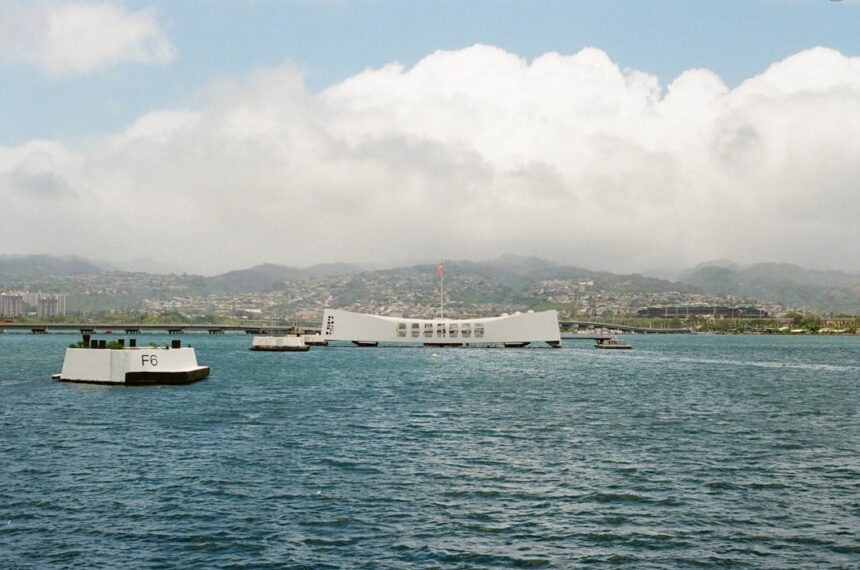
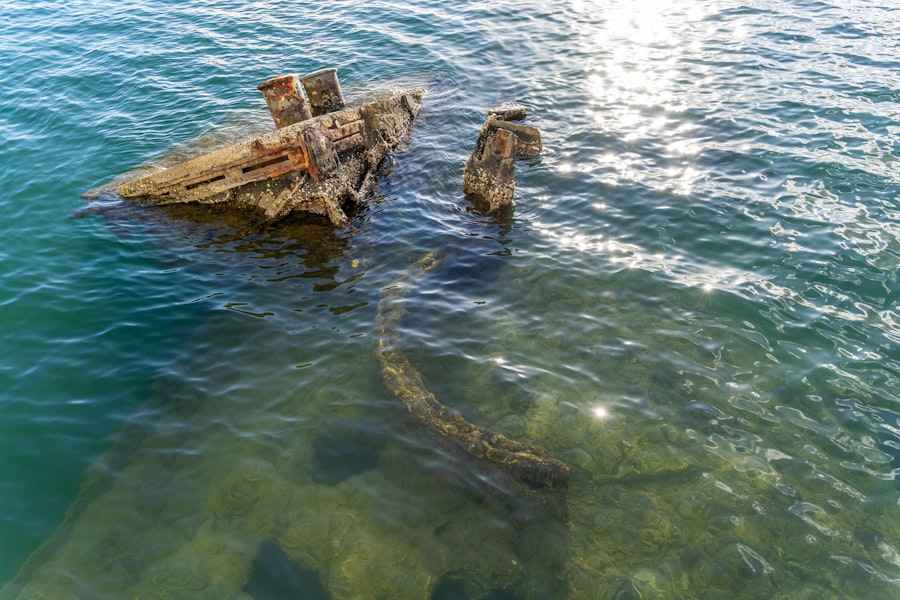
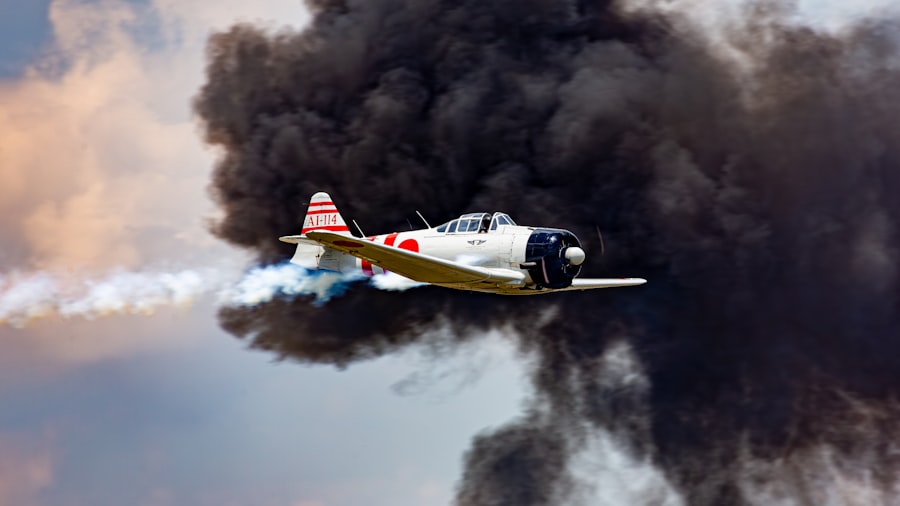
The initial assault commenced at 7:55 AM Hawaiian time. A wave of nearly 183 aircraft, including bombers, torpedo planes, and fighter escorts, descended upon Pearl Harbor. The primary targets were the battleships moored along “Battleship Row.” Torpedo planes, flying low over the water, unleashed their deadly payloads, while dive bombers targeted ships and airfields with devastating accuracy. The element of surprise was complete; antiaircraft defenses were slow to respond, and many aircraft on the ground were destroyed before they could even taxi. The iconic USS Arizona was struck by a bomb that detonated its forward magazine, causing an explosion that ripped the battleship apart and killed over 1,100 of its crew.
The Second Wave: Continued Destruction
A second wave of approximately 171 aircraft, launched around 8:40 AM, continued the onslaught. This wave focused on a wider range of targets, including remaining battleships, cruisers, destroyers, and naval facilities. The damage inflicted by this second wave compounded the devastation of the first. While the Japanese aircraft inflicted immense damage, they also encountered more organized resistance as American sailors and airmen scrambled to defend themselves. However, the sheer ferocity and scale of the attack overwhelmed the defenders.
The Human Cost: Casualties and Heroism
The human cost of the attack was staggering. Of the 2,403 Americans killed, 2,117 were servicemen and 286 were civilians. Among the servicemen, 1,177 were from the USS Arizona. The wounded numbered 1,109. Amidst the chaos and destruction, acts of immense bravery and sacrifice were witnessed. Sailors, wounded and injured, continued to fight fires and man antiaircraft guns. Others risked their lives to rescue trapped comrades. The heroism displayed that day would become a defining element of the American narrative of the attack.
The Aftermath: A Nation Awakened
The attack on Pearl Harbor was a profound shock to the American public and its leadership. The carefully crafted illusion of peace was shattered, and the nation was thrust into a global conflict of unprecedented scale. The immediate aftermath was a period of immense grief, anger, and a resolute determination to retaliate.
Roosevelt’s “Date Which Will Live in Infamy”
The day after the attack, President Franklin D. Roosevelt addressed a joint session of Congress, famously declaring December 7, 1941, as “a date which will live in infamy.” His impassioned speech galvanized the nation and secured the overwhelming passage of a declaration of war against Japan. The United States, which had strived for neutrality, was now fully committed to the Allied cause.
The Mobilization of a Nation
The attack on Pearl Harbor acted as a catalyst for a massive mobilization of American resources and manpower. Factories that had been producing civilian goods were rapidly converted to the production of aircraft, ships, tanks, and munitions. Millions of men and women enlisted in the armed forces, transforming the United States into an arsenal of democracy. The war effort became a unifying force for the nation, with citizens from all walks of life contributing to the monumental task of defeating the Axis powers.
The Strategic Implications: A Pyrrhic Victory for Japan
While the attack on Pearl Harbor achieved its immediate tactical objectives of crippling the Pacific Fleet, its strategic implications were ultimately detrimental to Japan. The surprise attack, while devastating in its immediate impact, galvanized American public opinion and solidified their resolve to fight. Instead of forcing negotiations, it ensured a total war. The loss of battleships, though significant, was less critical than the survival of the American aircraft carriers, which were at sea during the attack. These carriers would prove instrumental in the subsequent naval battles of the Pacific War. Furthermore, the attack pushed the United States’ formidable industrial might fully into the war effort, a force that Japan, with its limited resources, could not ultimately match.
The surprise attack on Pearl Harbor by the Imperial Japanese Navy marked a pivotal moment in World War II, leading to the United States’ formal entry into the conflict. This event not only changed the course of the war but also reshaped global military strategies. For a deeper understanding of the implications and aftermath of this attack, you can read a related article that explores the broader context of the conflict and its lasting effects on international relations. To learn more, visit this insightful article.
The Legacy of Pearl Harbor: A Turning Point in History
| Metrics | Data |
|---|---|
| Attack Date | December 7, 1941 |
| Number of Ships | 8 battleships, 3 cruisers, 3 destroyers, 4 submarines |
| Number of Aircraft | 353 |
| Casualties | 2,403 killed, 1,178 wounded |
| Damage | 4 battleships sunk, 4 battleships damaged, 188 aircraft destroyed |
The attack on Pearl Harbor remains one of the most significant events of the 20th century, a pivotal moment that reshaped the global political landscape and ushered in a new era of international relations. Its legacy continues to be studied, debated, and remembered.
The Dawn of the Pacific War
The attack on Pearl Harbor marked the official commencement of the Pacific War, a brutal and protracted conflict that would rage for over three and a half years. The initial Japanese victories in Southeast Asia and the Pacific were formidable, but the United States, with its immense industrial capacity and fighting spirit, would eventually turn the tide. The battles that followed, from Midway to Iwo Jima, were hard-fought and costly, but they ultimately led to the eventual defeat of Japan.
The End of Naval Supremacy and the Rise of Air Power
The attack underscored the growing importance of naval aviation and the obsolescence of battleships as the primary instruments of naval power. The success of carrier-based aircraft in sinking multiple battleships at Pearl Harbor demonstrated the vulnerability of even the most heavily armored vessels to aerial assault. This realization fundamentally altered naval doctrine and strategy, paving the way for the dominance of aircraft carriers in future naval warfare.
A Reminder of the Dangers of Surprise and the Cost of War
The attack on Pearl Harbor serves as a perpetual reminder of the devastating consequences of surprise attacks and the immense human and material cost of war. It highlights the importance of vigilance, intelligence gathering, and diplomatic efforts to avert conflict. The memory of that fateful Sunday continues to resonate, a solemn testament to the sacrifices made and a stark warning about the fragility of peace. The echoes of the explosions and the cries of those who perished on December 7, 1941, continue to reverberate through history, a somber and enduring legacy.

Japan Won Pearl Harbor—So Why Did It Lose the War?
FAQs
What was the Imperial Japanese Navy’s involvement in the attack on Pearl Harbor?
The Imperial Japanese Navy launched a surprise military strike on the United States naval base at Pearl Harbor, Hawaii, on the morning of December 7, 1941. The attack was a preemptive strike intended to prevent the U.S. Pacific Fleet from interfering with Japan’s planned military expansion in Southeast Asia.
How did the attack on Pearl Harbor impact the United States?
The attack on Pearl Harbor resulted in significant damage to the U.S. Pacific Fleet, including the sinking of several battleships and the loss of over 2,400 American lives. The attack prompted the United States to enter World War II, leading to a declaration of war against Japan the following day.
What were the consequences for the Imperial Japanese Navy after the attack on Pearl Harbor?
The attack on Pearl Harbor ultimately led to a series of decisive naval battles in the Pacific theater of World War II, including the Battle of Midway and the Guadalcanal Campaign. These battles resulted in significant losses for the Imperial Japanese Navy and ultimately contributed to Japan’s defeat in the war.
What role did Admiral Isoroku Yamamoto play in the planning of the attack on Pearl Harbor?
Admiral Isoroku Yamamoto, the commander-in-chief of the Combined Fleet of the Imperial Japanese Navy, was the mastermind behind the planning and execution of the attack on Pearl Harbor. He recognized the strategic importance of crippling the U.S. Pacific Fleet in order to secure Japan’s military objectives in the Pacific.
How did the attack on Pearl Harbor impact the course of World War II?
The attack on Pearl Harbor marked a turning point in World War II, as it brought the United States into the conflict and galvanized public support for the war effort. The subsequent Allied victory over the Imperial Japanese Navy and other Axis powers ultimately led to the end of the war in 1945.