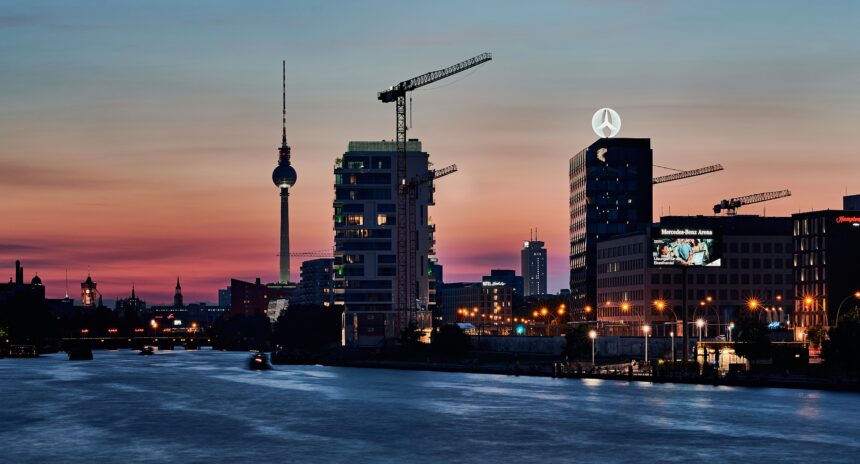
The chill of early summer in 1948 was laced with a new and more insidious cold: the fear of isolation. For the citizens of West Berlin, a vibrant metropolis embedded within the Soviet occupation zone of Germany, the unthinkable had happened. On June 24th, the Soviet Union, citing a dispute over currency reform in the Western sectors of Germany, severed all rail, road, and canal access to the Western zones of Berlin. The city, divided amongst the Allied powers – the United States, Great Britain, and France in the West, and the Soviet Union in the East – was effectively cut off. What followed was a testament to human resilience and ingenuity, a period where ordinary citizens and determined leaders forged an unprecedented response to a geopolitical crisis: the Berlin Airlift, an operation that ensured West Berlin’s survival and became a potent symbol of defiance against Soviet aggression.
The immediate aftermath of the blockade was a palpable sense of dread. West Berlin, a city of over two million people, relied heavily on land and water routes for its essential supplies. Food, fuel, medicine, and raw materials – everything that sustained daily life and industry – flowed in through the established arteries. The Soviet blockade wasn’t merely an inconvenience; it was a deliberate attempt to starve the Western sectors into submission, to force the Allied powers to abandon their commitment to the city, and ultimately, to absorb the entirety of Berlin into the Soviet sphere of influence. The stakes were immeasurably high, not just for Berliners, but for the future of post-war Europe.
The Political Chess Match
The blockade was not a spontaneous act, but a calculated move in the escalating Cold War. Following World War II, Germany and its capital, Berlin, were divided into four occupation zones. However, the Western Allies, recognizing the strategic importance and symbolic weight of Berlin, maintained their presence in the western sectors, creating an island of democratic influence deep within Soviet-controlled territory. The introduction of the Deutsche Mark in the Western zones on June 20th, 1948, a move designed to stabilize the Western German economy, was perceived by the Soviets as a provocation and a step towards the formal division of Germany. Their response was swift and decisive, aiming to demonstrate their dominance and undermine Western resolve.
The Currency Reform and Soviet Justifications
The Western Allies’ decision to introduce the new Deutsche Mark in their occupation zones of Germany, including West Berlin, was a crucial catalyst for the blockade. The Soviets argued that this unilateral action violated existing agreements and threatened the economic integrity of their zone. They claimed to be acting to protect the interests of East Germany and to prevent the “Western plutocrats” from undermining Soviet authority. This justification, however, was widely seen as a pretext for a more ambitious geopolitical objective: to assert Soviet control over Berlin and to push the Western Allies out of the city.
The Fear of the Unknown
For the citizens of West Berlin, the initial days of the blockade were marked by uncertainty and a growing sense of vulnerability. Rumors swirled, and the specter of Soviet tanks rolling into the city loomed large. The constant presence of Soviet military patrols and checkpoints along the borders of the Western sectors served as a stark reminder of their precarious position. The future of their city, their homes, and their way of life hung in the balance, dependent on the decisions made by distant politicians and the actions of foreign powers.
West Berlin’s survival during the blockade of 1948-1949 is a remarkable story of resilience and ingenuity, as detailed in the article found at In the War Room. The city’s inhabitants faced immense challenges as Soviet forces cut off all ground access, yet they relied on the Berlin Airlift, which became a symbol of hope and determination. The coordinated efforts of the United States and its allies to deliver supplies by air not only sustained the population but also demonstrated the commitment to defending democracy in the face of adversity. This article provides an in-depth analysis of the strategies employed and the human spirit that prevailed during this critical period in history.
The Unlikely Solution: Operation Vittles
As the reality of the blockade sunk in, it became clear that conventional military means of breaking the siege were too risky. Direct confrontation with Soviet forces could easily escalate into a third world war. The Allied powers, particularly the United States, quickly recognized that a purely military solution was untenable. Instead, an audacious and unprecedented plan began to take shape, a plan that would redefine the concept of logistical support and showcase the power of aerial transportation: the Berlin Airlift, code-named “Operation Vittles” by the Americans and “Operation Plainfare” by the British.
The Birth of an Aerial Lifeline
The idea of supplying an entire city by air was, at the outset, met with skepticism. The sheer scale of the undertaking was daunting. West Berlin required thousands of tons of food, coal, and other essential goods daily. The existing infrastructure, primarily Tempelhof, Gatow, and later Tegel airports, was not equipped to handle such a sustained and massive influx of aircraft. Yet, faced with the stark alternative of abandoning Berlin to Soviet control, Allied leaders committed to the seemingly impossible. The decision to launch the airlift was a bold declaration of intent, a commitment to the principle that a free city would not be surrendered to coercion.
Early Challenges and Skepticism
The initial days of the airlift were fraught with difficulties. The aircraft available were not designed for such heavy cargo loads, and the weather over Berlin was often unpredictable, leading to delays and cancellations. Air traffic control systems were rudimentary, and coordinating the constant stream of planes required immense skill and coordination. Many military planners and even some politicians privately doubted the long-term viability of the operation, fearing that it would ultimately fail to deliver sufficient supplies to sustain the population.
The Allied Commitment: A United Front
Despite the immense challenges and the inherent risks, the United States, Great Britain, and France presented a united front in their determination to keep West Berlin supplied. This was more than just a military operation; it was a profound political statement about the commitment of the Western democracies to the freedom of the German people. The decision to undertake the airlift, at significant cost and with considerable risk, underscored the ideological divide of the Cold War and demonstrated a willingness to defend democratic values against Soviet expansionism.
The Ingenuity of the Airlift: More Than Just Flying
The Berlin Airlift was far more than simply a series of flights. It was a triumph of logistical planning, engineering innovation, and sheer human determination. The operation demanded constant adaptation, the development of new procedures, and the relentless optimization of every aspect of the process. It was a testament to what could be achieved when nations united with a common purpose.
The “Rosinenbomber” and the Human Touch
A particularly poignant and enduring symbol of the airlift was the “Rosinenbomber” (raisin bomber) initiative. Pilots, recognizing the morale-boosting effect it would have on the children of Berlin, began dropping small packages of candy and gum, tied to handkerchief parachutes, from their aircraft. This simple act of kindness, initiated by pilot Gail Halvorsen, became a powerful symbol of hope and connection, bridging the gap between the Allied forces and the besieged population. It transformed the impersonal mechanics of a massive military operation into a deeply human endeavor.
Gail Halvorsen and the Birth of a Tradition
The story of Gail Halvorsen, a young American pilot, is emblematic of the spirit of the airlift. He began dropping candy for the children he saw gathered near the Tempelhof Airport fence, creating makeshift parachutes from handkerchiefs. His actions, initially unauthorized, quickly gained popularity and were soon replicated by other pilots. The candy drops became a daily highlight for the children and a powerful propaganda tool for the West, demonstrating the compassion and goodwill of the Allied forces.
Technological Adaptations and Innovations
The sheer scale of the airlift necessitated significant technological adaptations and innovations. Aircraft were modified to carry heavier loads, and new navigation systems were developed to cope with the dense air traffic. The constant flow of planes required a highly sophisticated air traffic control system, and the Allies developed new methods for optimizing landing and takeoff sequences. The development of specialized cargo planes, like the Douglas C-54 Skymaster, played a crucial role in increasing the airlift’s capacity.
Improving Aircraft Efficiency and Cargo Capacity
The existing aircraft fleet was not sufficient to meet the demands of the airlift. Extensive modifications were made to transport planes to increase their cargo capacity and fuel efficiency. New loading and unloading techniques were developed to minimize turnaround times on the ground. The introduction of larger and more capable aircraft, often adapted from military transport models, significantly boosted the overall tonnage that could be delivered daily.
Ground Operations: The Unsung Heroes
The success of the airlift was not solely dependent on the pilots in the sky. A vast network of ground personnel worked tirelessly behind the scenes. Mechanics kept the planes flying, loaders meticulously packed and unpacked cargo, and air traffic controllers managed the complex ballet of aircraft in the air and on the ground. Their dedication and tireless efforts were as crucial to the airlift’s success as the flights themselves.
The Logistics of Loading and Unloading
The efficiency of ground operations was paramount. Teams of dedicated workers developed sophisticated systems for loading and unloading cargo. The speed at which planes could be serviced and sent back into the air directly impacted the airlift’s overall capacity. Innovations in cargo handling and the sheer dedication of these ground crews ensured that the planes were never grounded for longer than absolutely necessary.
The Resilience of the Berliners: Enduring the Hardship
While the airlift provided the vital sustenance, it was the unwavering spirit of the West Berliners that truly defined the city’s survival. They endured rationing, hardship, and the constant threat of renewed Soviet pressure with remarkable fortitude. Their resilience was not passive; it was an active demonstration of their commitment to freedom and their refusal to be intimidated.
Daily Life Under Rationing
Life in West Berlin during the blockade was a stark exercise in austerity. Food, fuel, and other essential goods were strictly rationed. Families learned to make do with less, and the absence of many everyday comforts became a harsh reality. Yet, despite the deprivation, the sense of community and solidarity remained strong. Neighbors looked out for each other, and a shared determination to see the blockade through permeated the city.
Food and Fuel Shortages: A Daily Struggle
The impact of the blockade on daily life was immediate and severe. Food stores became bare, and the availability of coal for heating and cooking dwindled. The daily struggle for basic necessities became a grim reality for many. Yet, the Berliners adapted. They learned to cultivate victory gardens, conserved every scrap of fuel, and found creative ways to supplement their meager rations. This shared experience of hardship, paradoxically, fostered a deeper sense of unity.
Maintaining Morale and a Sense of Normalcy
Despite the immense pressures, the citizens of West Berlin made extraordinary efforts to maintain their morale and a sense of normalcy. Cultural events, though scaled back, continued. Schools remained open, and workplaces strived to maintain operations. The city refused to descend into despair, choosing instead to project an image of defiance and determination. The sounds of life – laughter, music, and the general hum of a city – continued, a stark contrast to the silence the Soviets likely envisioned.
Cultural Life and Community Spirit
The preservation of cultural life was a crucial aspect of maintaining morale. Theaters, cinemas, and concert halls, though operating under difficult conditions, continued to offer a semblance of normalcy and escapism. Community gatherings and public events, even in their simplified forms, fostered a sense of shared purpose and collective strength. The belief that they were not alone, that the world was watching and supporting them, fueled their resolve.
The Symbolism of Resistance
The West Berliners’ steadfast refusal to capitulate transformed them into international symbols of resistance against totalitarianism. Their courage in the face of overwhelming pressure resonated across the globe, inspiring solidarity and support. The image of ordinary citizens enduring hardship for the sake of freedom became a powerful indictment of Soviet aggression.
The “Trümmerfrauen” and their Legacy
The “Trümmerfrauen” (Rubble Women) who had worked tirelessly to clear the debris of the war, embodied the resilience of Berlin. During the blockade, their spirit of hard work and determination continued to inspire. Their legacy of rebuilding and perseverance was a crucial element in the city’s ability to withstand the siege.
During the tense period of the Berlin Blockade, West Berlin’s survival hinged on the resilience and ingenuity of its citizens and the unwavering support from the Allied forces. The airlift operation, which became a symbol of hope, ensured that essential supplies reached the isolated city despite the Soviet blockade. For a deeper understanding of the strategies employed during this critical time, you can read a related article that explores the various tactics and challenges faced by the Allies in maintaining West Berlin’s lifeline. This insightful piece can be found here.
The Success of the Airlift: A Victory for Freedom
| Metrics | Data |
|---|---|
| Duration of Blockade | June 24, 1948 – May 12, 1949 |
| Airlift Operations | Over 200,000 flights delivering supplies |
| Supplies Delivered | Over 2.3 million tons of food, fuel, and other essentials |
| Number of Airlift Personnel | Over 277,000 personnel involved |
| Citizens Supported | Over 2 million West Berlin citizens |
After nearly a year, on May 12, 1949, the Soviet Union lifted the blockade. The Berlin Airlift had succeeded. It had not only kept West Berlin alive but had also achieved a significant victory in the ideological struggle of the Cold War. The operation demonstrated the resolve of the Western Allies, the resilience of the German people, and the power of innovation and international cooperation.
The Tonnage Delivered: A Triumph of Logistics
The sheer scale of the tonnage delivered by the airlift is staggering. Over the course of its operation, Allied aircraft transported millions of tons of supplies, including coal, food, and medical provisions. The continuous flow of planes, landing and taking off at regular intervals, created a remarkable feat of aerial logistics, ensuring that West Berlin never ran out of the essentials.
The Final Tonnage and Impact on Daily Life
By the time the blockade was lifted, the airlift had delivered an astounding amount of cargo. The most critical deliveries were coal for heating and power, and food to prevent starvation. The tonnage of these essential supplies directly translated into the survival and well-being of over two million people, averting a humanitarian catastrophe and maintaining the city’s functioning.
The Political Fallout: A Shifting Cold War Landscape
The Berlin Airlift had profound political consequences. It solidified the division of Germany and Germany’s integration into the Western alliance. It also demonstrated the limitations of Soviet power and the determination of the United States to counter Soviet influence in Europe. The airlift became a cornerstone of Cold War propaganda, showcasing the moral and practical superiority of the Western bloc.
The Formation of NATO and West Germany
The blockade and the successful airlift significantly accelerated the formation of the North Atlantic Treaty Organization (NATO) in April 1949. The perceived Soviet threat galvanized Western European nations and North America into creating a collective defense pact. Furthermore, the crisis directly contributed to the establishment of the Federal Republic of Germany (West Germany) in May 1949 and the German Democratic Republic (East Germany) in October 1949, formalizing the division of the country.
The Enduring Legacy: A Symbol of Hope and Defiance
The Berlin Airlift remains an enduring symbol of human resilience, ingenuity, and the unwavering commitment to freedom. It stands as a testament to what can be achieved when people unite against oppression, even in the face of seemingly insurmountable odds. The memory of the airlift continues to inspire, reminding the world that even in the darkest of times, hope and determination can prevail.
The “Luftbrücke” in German Memory
In Germany, the airlift is remembered with immense gratitude and pride as the “Luftbrücke” (Air Bridge). It represents a pivotal moment in the nation’s post-war history, a time when the world rallied to support a city under siege. The memorials and commemorations dedicated to the airlift serve as a constant reminder of the sacrifices made and the values that were defended.
How 90 Seconds Kept 2 Million People Alive
FAQs
1. What was the Berlin Blockade?
The Berlin Blockade was a Soviet attempt to cut off West Berlin from the rest of the world by blocking all land and water routes into the city in 1948.
2. How did West Berlin survive the blockade?
West Berlin survived the blockade through the Berlin Airlift, where the United States and its allies flew in supplies such as food, fuel, and other necessities to the city for over a year.
3. What was the significance of the Berlin Airlift?
The Berlin Airlift was significant as it demonstrated the resolve of the Western powers to support West Berlin and thwart Soviet attempts to isolate the city. It also marked a turning point in the Cold War.
4. How long did the Berlin Blockade last?
The Berlin Blockade lasted from June 24, 1948, to May 12, 1949, when the Soviet Union finally lifted the blockade.
5. What impact did the Berlin Blockade have on the city and its residents?
The Berlin Blockade had a profound impact on the city and its residents, leading to shortages of essential supplies and heightened tensions between the Western powers and the Soviet Union. However, the successful airlift bolstered the morale of West Berliners and strengthened their ties with the Western allies.