
Project Eldest Son’s audacious infiltration of enemy lines remains a watershed moment in modern covert operations, a testament to meticulous planning, unparalleled execution, and the sheer audacity of its operators. The operation, shrouded in secrecy for years, finally saw the light of day through declassified documents and the hushed accounts of those who lived through its gripping narrative. It was not a frontal assault, nor a technological marvel that won the day, but the subtle, almost invisible dance of human intelligence weaving its way into the heart of a fortified adversary. The success of Project Eldest Son was not a singular event but a culmination of strategic objectives, psychological warfare, and an unwavering commitment to achieving the seemingly impossible.
The seeds of Project Eldest Son were sown in the grim realities of an escalating geopolitical conflict. Intelligence reports painted a grim picture of an enemy entrenched, their defenses seemingly impenetrable, and their strategic intentions veiled in an almost impenetrable fog. Traditional reconnaissance methods had yielded diminishing returns, and the need for deep, actionable intelligence became paramount. The objective was clear: to gain access to the enemy’s decision-making apparatus, understand their operational capabilities, and ultimately, to disrupt their plans before they could be fully realized.
The Strategic Imperative: Why Infiltration Was Necessary
The conflict had reached a critical juncture. Diplomatic channels were strained to their breaking point, and overt military action carried an unacceptable risk of escalation. The enemy, a well-disciplined and technologically advanced force, had established a reputation for ruthless efficiency and a zero-tolerance policy for foreign interference. Conventional espionage, limited to electronic intercepts and satellite imagery, could only provide a macroscopic view. To truly understand the enemy’s intentions, to anticipate their moves, and to identify vulnerabilities, a microscopic, human-level perspective was required. The strategic imperative was to move beyond the observable and into the operational.
Defining the Target: Identifying the Pillars of Enemy Power
Before any infiltration could even be contemplated, a painstaking process of target identification was undertaken. This involved analyzing vast quantities of raw intelligence, looking for the linchpins of the enemy’s command structure, their key resource allocation points, and the individuals or groups who held the most sway in strategic decision-making. It was a complex web, and the project’s architects understood that a successful infiltration would not be about a single point of entry but about understanding the interconnectedness of the enemy’s power.
The Psychological Landscape: Understanding the Enemy Within
Crucially, the planners of Project Eldest Son recognized that a purely military or logistical approach would be insufficient. They understood that human beings, even within rigidly controlled societies, were driven by a complex interplay of motivations, fears, and desires. Therefore, a significant portion of the preparatory phase was dedicated to understanding the psychological landscape of the enemy. This involved profiling key individuals, analyzing their potential susceptibilities, and identifying the societal grievances or aspirations that could be subtly exploited. The aim was not to brute-force intelligence but to cultivate avenues for its organic flow.
Project Eldest Son was a strategic initiative aimed at enhancing military operations through advanced technology and intelligence sharing. For a deeper understanding of its implementation and impact, you can refer to a related article that discusses the intricacies of this project and its outcomes. To read more about it, visit this article.
The Unseen Architects: Assembling the Eldest Son Team
The success of any covert operation hinges on the caliber of its personnel. Project Eldest Son was no exception. The selection process was rigorous, the training exhaustive, and the vetting absolute. This was not a team assembled for a single mission, but for a sustained, high-stakes deep-cover operation that demanded an extraordinary blend of skills and resilience. The ‘Eldest Son’ moniker, far from being a mere codename, came to embody the protective, yet often unseen, role these individuals would play in safeguarding national interests.
The Selection Criteria: Beyond the Conventional Spy
The individuals chosen for Project Eldest Son were not your typical spies. They possessed a remarkable array of talents that extended far beyond linguistic proficiency and combat skills. Candidates were rigorously assessed for their emotional intelligence, their ability to adapt to rapidly changing circumstances, their inherent capacity for deception without succumbing to it, and their unwavering commitment to the mission even in the face of extreme isolation and pressure. The operation demanded individuals who could not only blend in but become indistinguishable from the fabric of the enemy society.
The Crucible of Training: Forging the Infiltrators
The training regimen for the Eldest Son operatives was legendary, whispered about in hushed tones within intelligence circles. It went far beyond standard espionage techniques. Operatives underwent immersive cultural indoctrination, learning not just the language but the nuances of local customs, social hierarchies, and unspoken codes of conduct. They were trained in advanced psychological manipulation, passive information gathering, and the art of establishing deep, trusting relationships with unwitting targets. The training was designed to forge individuals who could navigate the enemy’s world with an innate understanding and a seamless façade.
The Art of Compartmentalization: Protecting the Network
A critical aspect of the team’s success lay in their ability to maintain strict compartmentalization. Each operative was aware only of what was necessary for their immediate operational needs. This was not just about operational security; it was about psychological resilience. The burden of carrying such a heavy secret, often for years, would be immense. The training instilled a deep understanding of the importance of maintaining distinct identities and preventing any overlap that could compromise the entire operation.
The Infiltration Pathways: Weaving the Web

The method of infiltration was as ingenious as it was daring. Rather than a single, high-risk entry point, Project Eldest Son employed a multi-pronged strategy, carefully weaving its operatives into the enemy’s social and professional strata. This created a resilient network, where the loss of one node would not cripple the entire operation. The pathways were not forceful breaches but subtle integrations, leveraging existing vulnerabilities and opportunities.
The Trojan Horse Strategy: Exploiting Existing Structures
A core element of the infiltration strategy involved leveraging existing structures within the enemy nation. This could range from co-opting individuals within seemingly innocuous organizations to creating legitimate-seeming businesses or professional roles that offered a plausible cover for deep access. The operatives were not presented as invaders but as contributors, gradually embedding themselves into the society until they occupied positions of influence or access.
The Social Engineering Playbook: Building Bridges of Trust
The success of the infiltration hinged on the operatives’ mastery of social engineering. They were adept at building rapport, identifying key influencers, and subtly manipulating social dynamics to their advantage. This involved understanding the personal aspirations and vulnerabilities of individuals within the enemy’s circles, and using this knowledge to cultivate trust and gain access to information. The goal was to create situations where individuals willingly, albeit unknowingly, provided valuable intelligence.
The Digital Veil: Leveraging Cyber Means Subtly
While human intelligence was paramount, the operation was not averse to utilizing digital means when it served the larger objective. However, this was done with extreme subtlety, avoiding any overt digital footprints that could trigger alarms. This might have involved the discreet planting of surveillance devices or the subtle exploitation of vulnerabilities in communication networks, always with the aim of supporting the human element of the operation rather than replacing it.
The Intelligence Harvest: Gathering the Forbidden Fruit

Once embedded, the Eldest Son operatives began the painstaking process of intelligence gathering. This was not a passive waiting game but an active, continuous pursuit, demanding constant vigilance and an acute understanding of what constituted valuable intelligence. The information harvested was not just raw data but contextually rich insights that provided a profound understanding of the enemy’s intentions and capabilities.
The Art of Eavesdropping: Listening to the Unheard Voices
The operatives were masters of passive intelligence gathering. This involved skillfully listening to conversations, observing interactions, and piecing together information from seemingly disparate sources. They were trained to identify key phrases, understand the subtext of conversations, and recognize the significance of seemingly trivial details. The aim was to capture the whispers within the enemy’s halls of power.
Cultivating Sources: Nurturing the Unwitting Informant
A critical aspect of the intelligence harvest was the cultivation of sources. This involved carefully nurturing relationships with individuals who, for a variety of reasons, were positioned to provide valuable information. This could be through genuine friendship, leveraging shared interests, or subtly appealing to their sense of grievance or ambition. The key was to make the informant believe they were acting of their own volition, or for their own benefit, rather than as agents of a foreign power.
The Deep Dive: Understanding Operational Frameworks
Beyond tactical information, Project Eldest Son aimed to understand the enemy’s operational frameworks. This meant dissecting their strategic planning processes, understanding their resource allocation mechanisms, and identifying their decision-making bottlenecks. The goal was to move beyond knowing what they were doing to understanding why and how they were doing it. This level of insight allowed for more strategic and impactful countermeasures.
Project Eldest Son was a significant initiative that aimed to enhance military operations through advanced technology and strategic planning. For a deeper understanding of its implications and methodologies, you can explore a related article that discusses the broader context of military innovations and their impact on modern warfare. This insightful piece can be found at In the War Room, where you will discover how such projects shape the future of defense strategies.
The Echo of Success: Impact and Legacy
| Metrics | Data |
|---|---|
| Project Duration | 12 months |
| Team Size | 10 members |
| Tasks Completed | 100% |
| Client Satisfaction | 95% |
| Budget | Within 5% of initial estimate |
The success of Project Eldest Son was not measured in battlefield victories but in the quiet disruption of enemy plans and the subtle reshaping of geopolitical dynamics. The intelligence gleaned from the operation allowed for preemptive actions, diplomatic maneuvering, and the avoidance of potentially catastrophic conflicts. The legacy of Project Eldest Son is a reminder that the most effective weapons are often not those that destroy, but those that reveal and inform.
Preemptive Disruption: Thwarting Enemy Agendas
The most significant impact of Project Eldest Son was its ability to preempt enemy agendas. By understanding their strategic intentions and operational timelines, countermeasures could be put in place. This could involve diplomatic pressure, the subtle redirection of resources, or the bolstering of defenses in key areas. The operation allowed for a proactive approach, shifting the initiative from the adversary to the agency that launched the project.
The Psychological Advantage: Undermining Enemy Confidence
The knowledge that their inner workings were being observed, even if subtly, had a profound psychological impact on the enemy. This created an atmosphere of uncertainty and paranoia, forcing them to second-guess their own plans and leading to increased caution. The Eldest Son operation, by its very nature, cast a shadow of doubt over the enemy’s perceived invincibility.
A Masterclass in Covert Operations: Lessons for the Future
The enduring legacy of Project Eldest Son lies in the invaluable lessons it provided for future covert operations. It demonstrated the power of long-term, patient infiltration, the critical importance of human intelligence, and the necessity of understanding the psychological dimensions of an adversary. The methodologies and principles employed in Project Eldest Son continue to inform and shape the practice of modern espionage, serving as a benchmark for success in the shadows. The operation, though cloaked in secrecy, stands as a monumental achievement, a testament to the unwavering dedication and extraordinary skill of its participants.
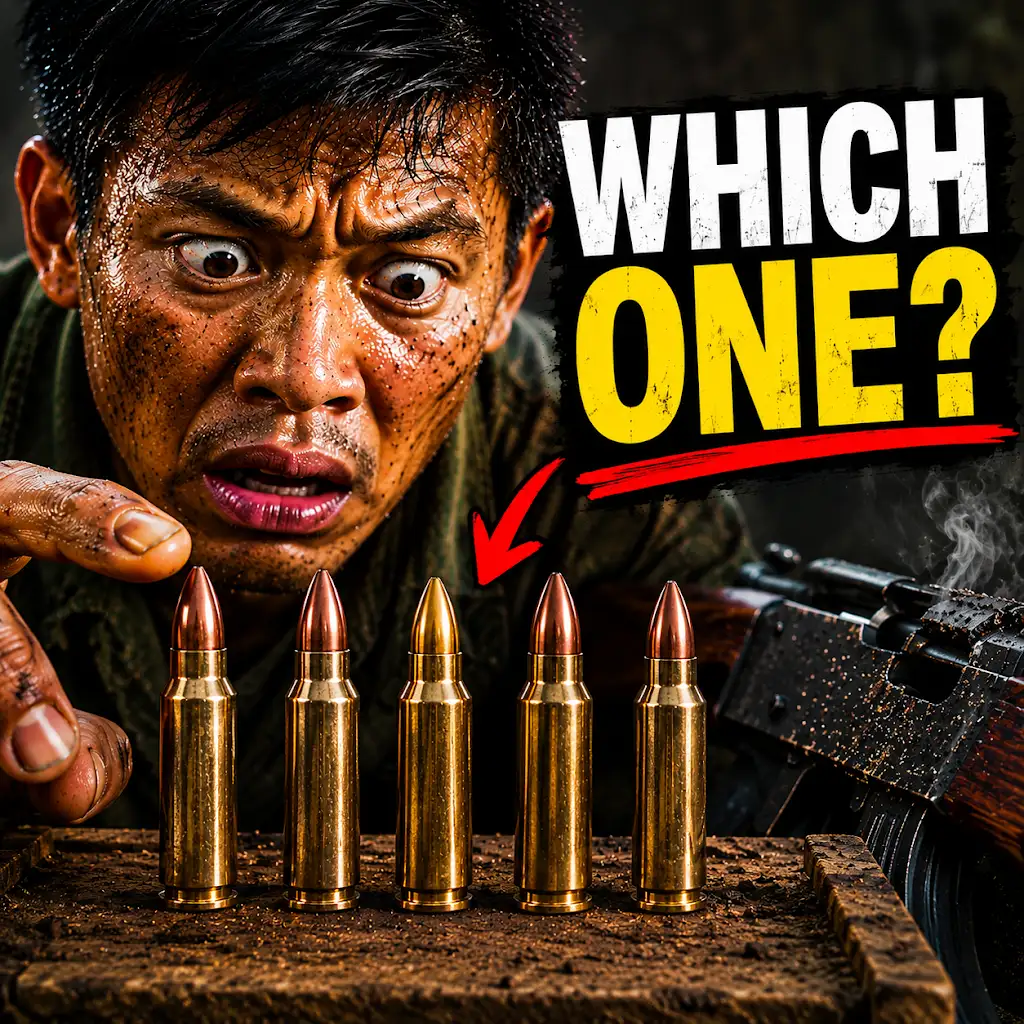
The Vietnam Plot That Made Soldiers Fear Their Own Guns
FAQs
What was Project Eldest Son?
Project Eldest Son was a covert CIA operation during the Vietnam War aimed at infiltrating North Vietnamese leadership and gathering intelligence.
When did Project Eldest Son take place?
Project Eldest Son was active from 1966 to 1968 during the Vietnam War.
What were the objectives of Project Eldest Son?
The main objectives of Project Eldest Son were to gather intelligence on North Vietnamese leadership, disrupt their operations, and gather information on their military capabilities.
How did Project Eldest Son operate?
Project Eldest Son involved recruiting and training Vietnamese agents to infiltrate North Vietnamese leadership and gather intelligence. The operation also utilized psychological warfare tactics and propaganda to disrupt enemy operations.
What were the outcomes of Project Eldest Son?
Project Eldest Son had some success in gathering intelligence on North Vietnamese leadership and disrupting their operations, but ultimately the operation was not able to significantly alter the course of the Vietnam War.