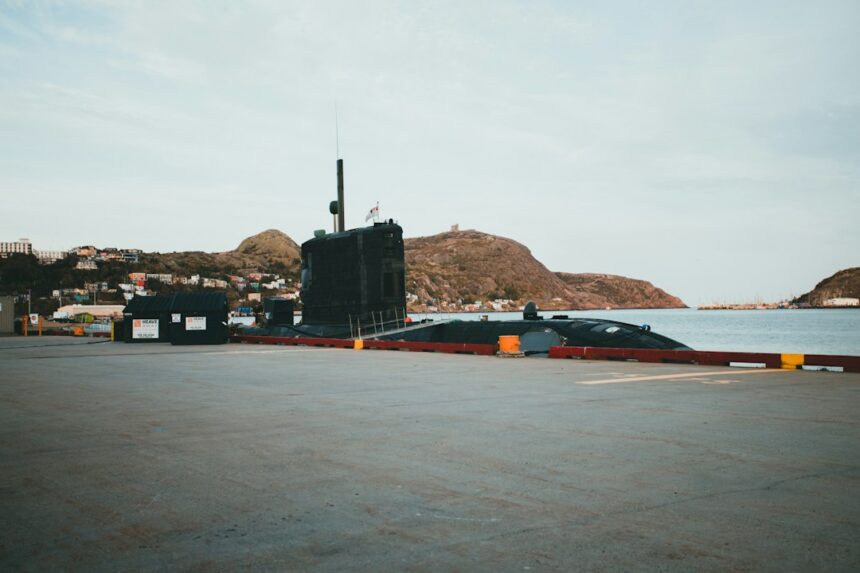
Genesis of a Giant: The Conception of HMS Sovereign
The Royal Navy, a maritime force forged in centuries of global engagement and strategic necessity, has long relied on its submarine arm to project power, gather intelligence, and deter potential adversaries. Within this vital component of naval power, the name “Sovereign” evokes a particular legacy, one of formidable capability and unwavering presence. The story of HMS Sovereign is not merely a chronicle of a single vessel, but a reflection of evolving naval technology, strategic doctrine, and the enduring commitment to national security. The genesis of HMS Sovereign, in essence, lies in the continuous quest for naval supremacy and the imperative to maintain a silent, unseen advantage in the increasingly complex maritime theatre.
The post-World War II era marked a pivotal transition in naval warfare. The advent of nuclear propulsion and ballistic missiles fundamentally reshaped the strategic landscape. While conventional submarines had proven their worth in the Second World War and the early Cold War, a new generation of underwater platforms was required to counter the emerging threats and to project power across vast distances. The United Kingdom, a nation with a deeply ingrained maritime heritage and significant global interests, recognized the necessity of developing a submarine force that could rival and, where possible, surpass its strategic competitors. The concept of a dedicated ballistic missile submarine, a potent nuclear deterrent, began to take shape in the minds of naval planners and defense strategists.
The development of such a sophisticated platform was not a singular event but a complex process involving considerable research, development, and technological innovation. The challenges were immense, encompassing advancements in nuclear reactor technology, sonar capabilities, weapons systems, and the very hull design required to withstand the pressures of deep diving while maintaining stealth. The initial conceptualization of what would eventually become the Sovereign class involved extensive studies into the most effective means of delivering a strategic nuclear deterrent. The lessons learned from earlier submarine designs, both British and foreign, were meticulously analyzed, informing the design principles and operational requirements. This period of gestation was characterized by a blend of theoretical exploration and practical engineering, laying the groundwork for a class of submarines that would define the UK’s strategic deterrence for decades to come. The vision was clear: to create a vessel capable of sustained underwater operations, carrying a significant and survivable nuclear payload, and remaining undetected by any adversary. This ambitious goal necessitated a fundamental reimagining of submarine design and operational philosophy.
The history of the HMS Sovereign submarine is a fascinating topic that delves into the advancements in naval technology and the strategic importance of submarines in modern warfare. For those interested in exploring this subject further, a related article can be found at this link, which provides an in-depth analysis of the evolution of submarine design and its impact on naval operations throughout the years.
Design and Engineering: Crafting a Silent Guardian

The construction of HMS Sovereign, and indeed the entire Sovereign class, represented a monumental undertaking in naval engineering and industrial collaboration. These were not simply ships; they were highly complex, self-contained underwater cities, designed for extended deployments and capable of delivering a devastating strategic response. The design philosophy centered on achieving an unprecedented combination of stealth, survivability, and operational effectiveness. Every facet of the vessel, from its hull form to its internal systems, was meticulously engineered to meet these exacting requirements.
The hull design itself was a critical element in achieving stealth. Unlike earlier submarines, the Sovereign class featured a teardrop-shaped hull, optimized for hydrodynamics and acoustic signature reduction. This streamlined profile minimized water resistance, allowing for quieter and more efficient transit through the water. The outer hull was constructed from specialized steel alloys designed to absorb sonar pings rather than reflect them, a crucial factor in evading detection. The internal layout was equally innovative, with a layered system of noise reduction measures. Machinery was mounted on resilient rafts to dampen vibrations, and extensive use of sound-absorbing materials was incorporated throughout the vessel. The reactor compartment, the heart of the submarine, was particularly well-insulated to minimize any acoustic emanations.
The Power Within: Nuclear Propulsion
At the core of HMS Sovereign’s operational capability lay its advanced nuclear propulsion system. This technology was not merely about speed or endurance; it was the enabler of strategic deterrence. The Rolls-Royce PWR (Pressurized Water Reactor) provided virtually unlimited power, allowing the submarine to remain submerged for months at a time, a crucial advantage for maintaining a constant state of readiness and evading detection. The design of the reactor compartment was a feat of engineering in itself, ensuring safety and reliability under extreme conditions. The ability to operate submerged for extended periods without the need to surface for refueling or to recharge batteries was a revolutionary leap in submarine warfare. It allowed HMS Sovereign and its sisters to be strategically positioned anywhere in the world’s oceans, a constant, unseen threat to potential aggressors.
Beneath the Waves: Stealth and Survivability
Stealth was paramount in the design of HMS Sovereign. The Royal Navy understood that the effectiveness of its deterrent rested on the ability of the submarine to remain undetected. This led to a relentless pursuit of acoustic quieting. Advanced sonar systems, both passive and active, were developed to detect threats while minimizing the submarine’s own acoustic footprint. The selection of materials for the hull and internal components, the precise balancing of machinery, and the meticulous design of the propeller system all contributed to a remarkably quiet vessel.
Survivability was equally critical. The Sovereign class was designed to withstand significant damage, with compartmentalization and multiple redundant systems. The strength of the pressure hull was a testament to the advanced metallurgy and construction techniques employed, enabling the submarine to operate at considerable depths. The strategic rationale behind this emphasis on survivability was clear: a damaged but operational deterrent submarine was still a credible threat, whereas a disabled one would be rendered useless. The integration of advanced fire control systems, navigation equipment, and life support systems further enhanced the crew’s ability to operate effectively and survive in a hostile environment.
Operational Life: The Silent Deterrent in Action

The operational life of HMS Sovereign, from its commissioning to its eventual decommissioning, was defined by its primary role as a cornerstone of the United Kingdom’s nuclear deterrent. For decades, this silent guardian patrolled the world’s oceans, a constant, unseen presence that underscored the nation’s commitment to peace through strength. Its deployments were shrouded in secrecy, its movements dictated by the evolving geopolitical landscape and the strategic imperative to maintain a credible and survivable nuclear deterrent.
The operational tempo of a ballistic missile submarine is unlike that of any other naval vessel. Instead of engaging in active combat or routine patrols in visible areas, Sovereign and its sister submarines spent the majority of their operational lives submerged, conducting strategic patrols. These patrols were characterized by an intense focus on maintaining stealth, gathering intelligence, and remaining in a constant state of readiness to execute their deterrent mission. The crews, highly trained and disciplined, operated in a unique environment, confined for months at a time, relying on each other and the sophisticated systems of the submarine for their survival and success.
Strategic Patrols and the Deterrent Mission
The core mission of HMS Sovereign was to carry and be ready to launch the UK’s Polaris (and later Trident) nuclear missiles. This was not a mission of pre-emption, but one of assured retaliation. The understanding was that any attack on the UK or its vital interests would be met with a devastating response, deterring such an attack in the first place. The submarines were deployed to undisclosed locations, often in the vastness of the Atlantic and Arctic oceans, to ensure their survivability in the event of a nuclear conflict. The ability to remain submerged for extended periods, coupled with the stealth inherent in their design, made them incredibly difficult to locate and track. This created a “second-strike” capability, a crucial element of nuclear deterrence, as it ensured that even if the UK’s land-based strategic assets were neutralized, the nuclear deterrent would still survive and be able to retaliate. The psychological impact of this unseen threat was, in itself, a powerful deterrent.
The Crew: A Band of Brothers Beneath the Waves
The success of HMS Sovereign, and indeed any submarine, hinges on the skill, dedication, and resilience of its crew. Submarine service is notoriously demanding, requiring a unique blend of technical expertise, mental fortitude, and camaraderie. The crew of Sovereign lived and worked in close quarters for extended periods, fostering a deep sense of unity and interdependence. They were masters of their complex vessel, each member playing a vital role in its operation, from navigation and engineering to weapons handling and the maintenance of essential life support systems. The psychological pressures of long deployments, the constant vigilance required, and the inherent risks of submarine operations were mitigated by rigorous training, a strong command structure, and a shared sense of purpose. The submariners of HMS Sovereign were, and remain, a testament to the human element that underpins even the most advanced military technology. Their commitment ensured that the silent guardian remained ever vigilant.
Evolution of Deterrence: From Polaris to Trident
HMS Sovereign was initially armed with Polaris missiles, a crucial element of the UK’s nuclear deterrent for many years. However, as technology advanced and strategic imperatives shifted, the Royal Navy embarked on a program to upgrade its deterrent capability. This led to the integration of the Trident missile system, a more modern and capable weapon. The adaptation of HMS Sovereign and its sister submarines to carry and launch Trident missiles was a significant undertaking, requiring extensive refits and modifications. This evolution underscored the dynamic nature of strategic deterrence and the Royal Navy’s commitment to maintaining a cutting-edge capability. The transition from Polaris to Trident represented a significant leap in the range, accuracy, and reliability of the UK’s nuclear deterrent, ensuring its continued effectiveness in a changing global security environment.
The Legacy and Impact: A Pillar of National Security
The impact of HMS Sovereign on the Royal Navy and the broader landscape of national security cannot be overstated. For decades, it served as a physical manifestation of the United Kingdom’s resolve and its commitment to maintaining peace through strength. Its operational career was characterized by a silent, unwavering dedication to its deterrent mission, a role that, while often unseen, was profoundly significant. The lessons learned from its design, construction, and operation have shaped subsequent generations of submarines and continue to influence naval strategy today.
The very existence of the Sovereign class, and HMS Sovereign in particular, played a crucial role in the geopolitical calculations of the Cold War and beyond. Its survivability and the credibility of its deterrent capability were instrumental in preventing large-scale conflict. The psychological impact of knowing that a potent, undetectable nuclear force was constantly on patrol served as a powerful disincentive to potential aggressors. This silent deterrence, while not always acknowledged publicly, was a cornerstone of the UK’s defense policy and a significant contributor to global stability.
Shaping Future Submarine Design
The technological innovations and operational doctrines developed for HMS Sovereign and its class had a lasting impact on the future of submarine design and naval warfare. The emphasis on acoustic quieting, advanced hull forms, and integrated combat systems set new benchmarks for underwater platforms. The experience gained in managing the complex nuclear propulsion systems and the integration of sophisticated weapons platforms provided invaluable knowledge that has been passed down to subsequent generations of engineers and submariners. The lessons learned in achieving unparalleled stealth and survivability continue to inform the design of modern submarines, ensuring that the Royal Navy maintains its technological edge in this critical domain. The principles established by Sovereign have become foundational in the ongoing pursuit of quiet, effective, and survivable underwater combatants.
A Symbol of Sovereignty and Resolve
More than just a military asset, HMS Sovereign became a powerful symbol of British sovereignty and resolve. Its silent patrols represented an unwavering commitment to defending the nation’s interests and to contributing to global security. The submarine’s ability to operate independently and with unparalleled stealth underscored the United Kingdom’s capacity to project power and influence on the world stage, even in the most challenging environments. The pride and dedication of the crews who served aboard Sovereign, and the national commitment to maintaining such a sophisticated deterrent, underscored the importance of this vessel to the identity and security of the nation. It served as a tangible reminder of the sacrifices made to ensure peace and security.
The Transition to Successors: Vanguard Class
The operational life of HMS Sovereign eventually gave way to the next generation of British ballistic missile submarines: the Vanguard class. This transition marked the natural evolution of naval technology and strategic requirements. While Sovereign represented the pinnacle of its era, the Vanguard class was designed to incorporate advancements in stealth, propulsion, and weapons systems, ensuring the continued effectiveness of the UK’s nuclear deterrent for the 21st century. The decommissioning of Sovereign, and its eventual dismantling, marked the end of an era, but its legacy of innovation, dedication, and strategic importance continues to resonate within the Royal Navy and in the annals of modern military history. The capabilities and operational experience gained from the Sovereign class directly informed the design and operational planning for the Vanguard class, ensuring a seamless transition and the continuous safeguarding of national security.
The history of the HMS Sovereign submarine is a fascinating topic that delves into the advancements in naval technology and the strategic importance of submarines in modern warfare. For those interested in exploring more about the evolution of submarines and their impact on military operations, a related article can be found at In the War Room, which provides insightful analysis and historical context surrounding various naval vessels. This resource enhances the understanding of how submarines like the HMS Sovereign have shaped naval tactics over the years.
End of an Era: Decommissioning and Disposal
| Year | Event | Details |
|---|---|---|
| 1974 | Launch | HMS Sovereign (S108) was launched as the second of the Royal Navy’s Swiftsure-class nuclear-powered submarines. |
| 1978 | Commissioning | HMS Sovereign was commissioned into the Royal Navy and began active service. |
| 1980s | Operational Service | Participated in various Cold War patrols and exercises, focusing on anti-submarine warfare and intelligence gathering. |
| 1990 | Refit | Underwent a major refit to upgrade sonar and weapons systems. |
| 1998 | Decommissioning | HMS Sovereign was decommissioned after 20 years of service. |
| Class | Swiftsure-class nuclear-powered fleet submarine | |
| Displacement | Approximately 4,900 tons surfaced, 5,300 tons submerged | |
| Length | Approximately 82 meters (269 feet) | |
| Propulsion | One Rolls-Royce PWR1 nuclear reactor, steam turbines | |
| Armament | Torpedo tubes capable of launching torpedoes and Sub-Harpoon missiles | |
The operational life of any warship, however iconic, eventually comes to an end. For HMS Sovereign, this transition marked the conclusion of a distinguished service career that spanned several decades. The decommissioning process for a nuclear-powered submarine is a complex and meticulously planned undertaking, involving the safe defueling of the nuclear reactor and the secure disposal of the vessel. This end-of-life phase is as critical to naval safety and environmental responsibility as its operational phase was to national security.
The decommissioning of HMS Sovereign was not a sudden event but a carefully orchestrated process that reflected the immense scale and technological sophistication of the vessel. It involved the removal of all operational systems, the safe defueling of its nuclear reactor, and the subsequent dismantling of the submarine’s structure. This process required specialized facilities and highly trained personnel, ensuring that all environmental and safety regulations were strictly adhered to. The end of Sovereign’s active service marked the closing of a significant chapter in the history of the Royal Navy’s strategic deterrence.
The Defueling and Decommissioning Process
The defueling of a nuclear submarine is a highly sensitive operation, requiring the utmost precision and adherence to stringent safety protocols. The nuclear reactor, the heart of the submarine’s power, must be safely emptied of its nuclear fuel and rendered inert. This process is typically carried out by specialized teams of nuclear engineers and technicians. Once defueled, the submarine is then formally decommissioned, signifying the end of its operational status. This involves the removal of all sensitive equipment and weapons systems. The submarine is then prepared for either further dismantling or, in some cases, for preservation as a museum piece, though for vessels of Sovereign’s nature, dismantling is the norm due to security and environmental concerns.
The Fate of a Mighty Vessel: Dismantling and Recycling
Following defueling and decommissioning, HMS Sovereign, like most decommissioned submarines, underwent a process of dismantling. This involved the careful cutting up of its immense hull and the recycling of its many components. Specialized shipyards equipped to handle the dismantling of nuclear submarines undertake this work. The goal is to recover as much material as possible for recycling while ensuring that any hazardous materials are safely disposed of. This stage represents the final practical application of the resources invested in the submarine, converting its material form back into a usable resource or ensuring its safe removal from service. The process is a testament to the circular economy principles applied even to the most complex of military hardware.
Preserving the Memory: Historical Significance and Future Generations
While HMS Sovereign is no longer in active service, its historical significance endures. The lessons learned from its design, construction, and operational career continue to inform the development of future submarine technology and naval strategy. The contributions of the thousands of submariners who served aboard Sovereign and its sister vessels are a vital part of the Royal Navy’s heritage. The memory of this iconic vessel serves as a reminder of the crucial role submarines have played and continue to play in safeguarding national security. The stories of its patrols, its technological achievements, and the dedication of its crews are preserved in naval archives and within the collective memory of the Royal Navy, ensuring that the legacy of HMS Sovereign will continue to inspire future generations of submariners and naval professionals.
The Soviet Submarine Britain Lost—Then Found Again
FAQs
1. When was HMS Sovereign submarine first commissioned?
HMS Sovereign submarine was first commissioned on January 4, 1974.
2. How many crew members could HMS Sovereign accommodate?
HMS Sovereign had a crew complement of 103 officers and enlisted personnel.
3. What was the maximum speed of HMS Sovereign submarine?
HMS Sovereign submarine had a maximum speed of 28 knots (32 mph) when submerged.
4. What type of weapons could HMS Sovereign carry?
HMS Sovereign was equipped to carry Spearfish torpedoes and Sub-Harpoon anti-ship missiles for offensive capabilities.
5. How long did HMS Sovereign serve in the Royal Navy?
HMS Sovereign served in the Royal Navy for over 30 years, from 1974 until its decommissioning in 2006.