The F4 Phantom II, a twin-engine, all-weather, long-range supersonic jet interceptor and fighter-bomber, was developed by McDonnell Aircraft Corporation in the early 1950s. Initially designed as a carrier-based fighter for the United States Navy, it was created to fulfill both air-to-air and air-to-ground combat roles. The Phantom II incorporated cutting-edge technology, including advanced radar systems and missile capabilities that were innovative for the period.
The aircraft completed its maiden flight in 1958, demonstrating exceptional speed and maneuverability that would establish its significance in military aviation. During the Cold War era, military requirements shifted toward multi-role fighters capable of handling diverse combat situations. The F4 Phantom II was engineered to address these requirements with a durable airframe designed to endure combat conditions while accommodating various weapons systems.
Its carrier-based operational capability enhanced its utility for naval deployments. Despite facing engineering challenges during development, the collaborative efforts of designers, military strategists, and test pilots produced an aircraft that significantly advanced aerial combat capabilities.
Key Takeaways
- The F4 Phantom II was a groundbreaking fighter jet developed in the 1950s, known for its versatility and advanced technology.
- It played a crucial role in the Vietnam War, serving in various combat and reconnaissance missions.
- The jet underwent significant evolution, adapting to new technologies and mission requirements throughout its service life.
- The F4 Phantom II influenced Cold War military strategy by enhancing air superiority and naval aviation capabilities.
- Its legacy endures through continued use, impact on future fighter designs, and presence in popular culture.
The Role of the F4 Phantom II in the Vietnam War
The F4 Phantom II played a pivotal role in the Vietnam War, serving as a cornerstone of U.S. air power during one of the most contentious conflicts of the 20th century. Deployed extensively from 1965 onwards, the Phantom II was tasked with a variety of missions, including air superiority, ground attack, and reconnaissance.
Its ability to carry a wide array of munitions made it particularly effective in close air support roles, where it provided crucial assistance to ground troops engaged in combat. The aircraft’s speed and firepower allowed it to dominate the skies over Vietnam, although it also faced significant challenges from North Vietnamese air defenses. Despite its formidable capabilities, the F4 Phantom II encountered fierce opposition from enemy aircraft and surface-to-air missiles.
The conflict highlighted both the strengths and weaknesses of the jet; while it excelled in many areas, its lack of an internal cannon initially hampered its effectiveness in dogfights. This limitation became evident during engagements with North Vietnamese MiGs, leading to modifications that included the addition of gun pods. The F4 Phantom II’s adaptability and resilience ultimately allowed it to evolve in response to battlefield demands, solidifying its reputation as a key player in the air war over Vietnam.
The Evolution of the F4 Phantom II
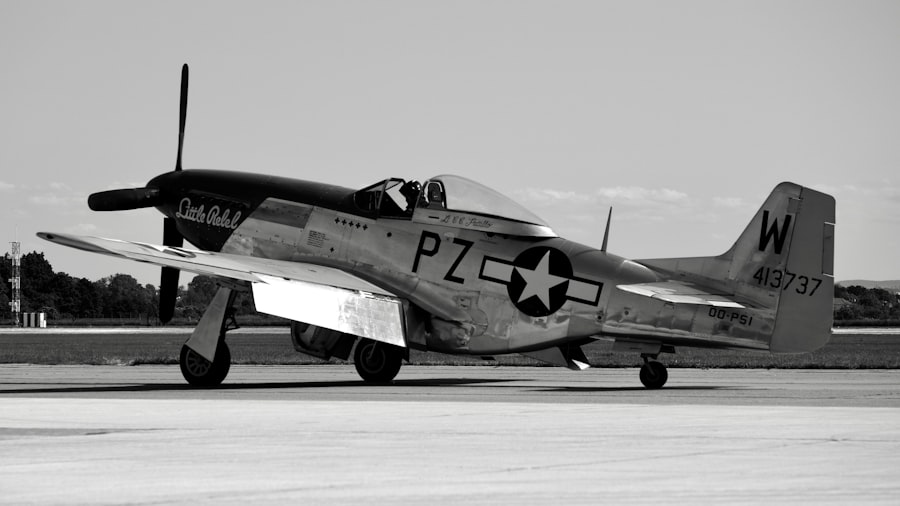
As the Vietnam War progressed, so too did the F4 Phantom
The aircraft underwent numerous upgrades and modifications to enhance its performance and capabilities. One significant evolution was the introduction of the F-4E variant, which featured an internal M61 Vulcan cannon and improved avionics. This upgrade addressed some of the shortcomings experienced during earlier engagements and allowed pilots to engage in dogfights more effectively.
Additionally, advancements in radar technology and weapon systems further increased the Phantom II’s lethality and versatility on the battlefield.
The evolution of the F4 Phantom II was not limited to its armament; improvements were also made to its engines and overall design. Enhanced thrust capabilities allowed for better performance at high altitudes and increased payload capacity. These modifications ensured that the Phantom II remained competitive against emerging threats throughout its service life.
As military strategies evolved and new technologies emerged, the F4 Phantom II adapted accordingly, demonstrating an impressive ability to remain relevant in an ever-changing landscape of aerial warfare.
The F4 Phantom II’s Impact on Cold War Era Military Strategy
| Metric | Details |
|---|---|
| First Flight | May 27, 1958 |
| Introduction to Service | 1960 |
| Manufacturer | McDonnell Aircraft Corporation |
| Primary Users | United States Navy, United States Air Force, United States Marine Corps |
| Number Built | 5,195 |
| Top Speed | Mach 2.23 (1,472 mph, 2,370 km/h) |
| Range | 1,615 miles (2,600 km) |
| Service Duration | 1960s to present (in some air forces) |
| Notable Conflicts | Vietnam War, Yom Kippur War, Gulf War |
| Retirement from US Service | 1996 (US Navy) |
During the Cold War, the F4 Phantom II became a symbol of American military might and technological prowess. Its deployment across various theaters underscored its significance in U.S. military strategy, particularly as tensions between superpowers escalated.
The aircraft’s ability to perform multiple roles—from air superiority to ground attack—made it an invaluable asset for both NATO forces and U.S. allies around the globe. The Phantom II’s presence served as a deterrent against potential adversaries, reinforcing the notion that America possessed advanced capabilities to project power.
Moreover, the F4 Phantom II influenced military doctrine during this period by emphasizing the importance of air superiority in modern warfare. Its success in various conflicts demonstrated that control of the skies was essential for achieving strategic objectives on land and at sea. As a result, military planners began to prioritize investments in multi-role aircraft capable of executing diverse missions.
The lessons learned from the F4 Phantom II’s operational history would shape future military strategies and aircraft designs for decades to come.
The F4 Phantom II’s Contribution to Naval Aviation
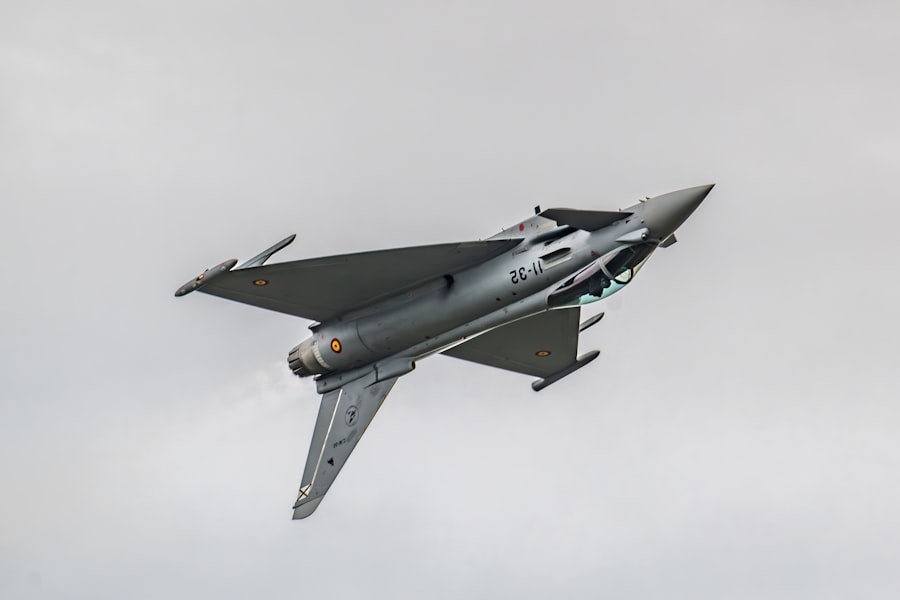
The F4 Phantom II’s contributions to naval aviation are noteworthy, as it became one of the most iconic carrier-based fighters in history. Its ability to operate from aircraft carriers allowed for greater flexibility in naval operations, enabling U.S. forces to project power across vast distances.
The aircraft’s design incorporated features specifically tailored for carrier operations, such as folding wings and robust landing gear, which facilitated its deployment on naval vessels. This adaptability made it an essential component of U.S. Navy air wings during its service.
In addition to its operational capabilities, the F4 Phantom II also played a crucial role in advancing naval aviation technology. Its integration with advanced radar systems and missile technology set new standards for carrier-based fighters. The lessons learned from operating the Phantom II aboard aircraft carriers informed subsequent designs and developments within naval aviation.
As a result, the legacy of the F4 Phantom II continues to influence modern naval aircraft, ensuring that its impact on this domain remains significant.
The F4 Phantom II’s Service in Other Countries’ Air Forces
The influence of the F4 Phantom II extended beyond American forces; numerous countries adopted this versatile fighter jet into their own air forces. Nations such as Israel, Japan, South Korea, and Iran recognized the aircraft’s capabilities and sought to incorporate it into their military arsenals. Each country utilized the Phantom II according to its unique strategic needs and operational contexts, further demonstrating the jet’s adaptability across different environments.
In Israel, for instance, the F4 Phantom II played a critical role during conflicts such as the Yom Kippur War, where it was instrumental in achieving air superiority against adversaries. Similarly, Japan and South Korea employed the aircraft as part of their defense strategies during periods of heightened tension in East Asia. The widespread adoption of the F4 Phantom II by various nations not only underscored its effectiveness but also contributed to international military cooperation and interoperability among allied forces.
The F4 Phantom II’s Continued Use in the 21st Century
Despite being retired from frontline service by many air forces around the world, the F4 Phantom II has demonstrated remarkable longevity in military aviation. Some countries have continued to operate modified versions of the aircraft well into the 21st century, utilizing it for various roles such as training and reconnaissance missions. These adaptations highlight the enduring relevance of the Phantom II’s design and capabilities even decades after its initial introduction.
Moreover, advancements in technology have allowed for upgrades that extend the operational life of older platforms like the F4 Phantom
The F4 Phantom II’s Influence on Future Fighter Jet Designs
The legacy of the F4 Phantom II extends beyond its operational history; it has significantly influenced subsequent generations of fighter jet designs. Many modern aircraft have drawn inspiration from its multi-role capabilities and design principles. The emphasis on versatility—allowing a single platform to perform various missions—has become a hallmark of contemporary fighter jets.
Additionally, advancements made during the development and operational phases of the F4 Phantom II have informed innovations in aerodynamics, avionics, and weapon systems in newer aircraft models. The lessons learned from both successes and challenges faced by pilots flying the Phantom II have shaped military thinking regarding fighter jet design and operational strategy. As such, its impact can be seen in many modern fighters that prioritize adaptability and technological integration.
Notable Pilots and Missions of the F4 Phantom II
Throughout its storied career, numerous pilots have made their mark flying the F4 Phantom II, each contributing to its legacy through remarkable missions and achievements. One notable figure is Colonel Charles “Chuck” DeBellevue, who became one of America’s top aces during the Vietnam War while flying this aircraft. His skillful maneuvers and tactical acumen led to multiple aerial victories against enemy fighters, showcasing not only his prowess but also highlighting the capabilities of the Phantom II itself.
In addition to individual pilots’ accomplishments, specific missions involving the F4 Phantom II stand out in history. For instance, during Operation Linebacker II in December 1972, Phantoms played a crucial role in conducting bombing raids over North Vietnam that aimed to bring about a resolution to peace talks. These missions demonstrated not only the aircraft’s striking power but also its ability to operate effectively under challenging conditions.
The Legacy of the F4 Phantom II in Military Aviation
The legacy of the F4 Phantom II is firmly entrenched in military aviation history as one of the most iconic fighter jets ever produced. Its combination of speed, versatility, and firepower set new standards for what a multi-role fighter could achieve on both land and sea. As one of the most widely used aircraft during its time, it has left an indelible mark on air combat tactics and strategies that continue to influence military operations today.
The lessons learned from operating this aircraft have shaped not only future designs but also broader military doctrines regarding air superiority and multi-role capabilities.
The F4 Phantom II in Popular Culture and Media
The cultural impact of the F4 Phantom II extends beyond military circles; it has become an enduring symbol within popular culture and media representations of aviation and warfare. From films like “Top Gun,” where it was prominently featured as a formidable fighter jet piloted by elite aviators, to documentaries exploring its historical significance, the Phantom II has captured public imagination. Additionally, its presence at airshows and exhibitions continues to draw crowds eager to witness this legendary aircraft up close.
The enduring fascination with the F4 Phantom II reflects not only its storied past but also its status as an icon within both military aviation history and popular culture at large. As new generations discover this remarkable fighter jet through various media channels, its legacy remains alive and well in contemporary society.
The F4 Phantom II fighter jet has a rich history, serving as a key player in various conflicts from the Vietnam War to the Gulf War. For a deeper understanding of its operational history and impact on aerial combat, you can read more in this related article on the topic. Check it out here: F4 Phantom II History.
WATCH THIS! 🎬 The Day Speed Died: How One Jet Changed Air Combat Forever
FAQs
What is the F4 Phantom II?
The F4 Phantom II is a tandem two-seat, twin-engine, long-range supersonic jet interceptor and fighter-bomber originally developed by McDonnell Aircraft for the United States Navy.
When was the F4 Phantom II first introduced?
The F4 Phantom II first entered service in 1960.
Which branches of the U.S. military used the F4 Phantom II?
The F4 Phantom II was used by the U.S. Navy, Marine Corps, and Air Force.
What roles did the F4 Phantom II serve during its operational history?
The F4 Phantom II served in multiple roles including air superiority fighter, interceptor, ground-attack aircraft, and reconnaissance platform.
How many F4 Phantom II aircraft were built?
Over 5,000 F4 Phantom II aircraft were built, making it one of the most produced supersonic military aircraft.
Which countries operated the F4 Phantom II besides the United States?
Several countries operated the F4 Phantom II, including the United Kingdom, Germany, Japan, Israel, Iran, South Korea, and others.
What are some notable conflicts where the F4 Phantom II was used?
The F4 Phantom II saw combat in the Vietnam War, the Yom Kippur War, the Iran-Iraq War, and other regional conflicts.
What made the F4 Phantom II significant in aviation history?
The F4 Phantom II was significant for its versatility, speed, payload capacity, and its role as a multi-service fighter that set numerous performance records.
When was the F4 Phantom II retired from U.S. service?
The F4 Phantom II was gradually retired from U.S. military service during the 1990s, with some variants remaining in limited roles into the early 2000s.
Are any F4 Phantom II aircraft still in use today?
While retired from frontline military service, some F4 Phantom II aircraft remain in use for training, testing, and as adversary aircraft by a few air forces around the world.