The vast expanse of the Gulf region, a critical nexus for global trade and energy, presents a unique and formidable challenge for maritime and aerial surveillance. The sheer scale of the waters, coupled with the dynamic geopolitical landscape, necessitates advanced capabilities to maintain security, monitor traffic, and respond effectively to a multitude of threats. In this context, the integration of helicopter-carried radar systems has emerged as a transformative force, significantly enhancing the surveillance prowess across this vital region. These sophisticated platforms combine the agility and reach of helicopters with the potent sensing capabilities of modern radar, offering an unparalleled vantage point and a comprehensive operational picture.
The Strategic Imperative of Gulf Region Surveillance
The Gulf, encompassing the Persian Gulf and the Arabian Sea, is a geographical choke point of immense strategic importance. It is the pathway for a substantial portion of the world’s oil and gas exports, making its security paramount for global economic stability. Beyond its economic significance, the region is also a theatre for a complex interplay of political interests, naval deployments, and a persistent concern for maritime security threats. These threats range from piracy and smuggling to the potential for state-sponsored aggression and the illicit movement of weapons. Effective surveillance is the bedrock upon which the region’s security architecture is built, enabling early detection, deterrence, and swift intervention.
Economic Lifelines and Their Vulnerabilities
The oil and gas industry is the economic engine of many Gulf nations and a critical supplier to the global market. Supertankers, laden with valuable cargo, traverse these waters daily. The disruption of these supply lines, whether through hostile action, accidental collisions, or environmental disasters, can have far-reaching economic consequences. Comprehensive surveillance is essential to monitor the safe passage of these vessels, detect any anomalies in their behavior, and respond rapidly to potential incidents, such as groundings, fires, or piracy attempts. The ability to track vessels in real-time, identify suspicious patterns, and provide immediate situational awareness to naval and coast guard assets is a key benefit of advanced surveillance technologies.
Geopolitical Tensions and Maritime Security
The geopolitical landscape of the Gulf is characterized by a delicate balance of power and often-strained relations between various states. This creates a constant need for robust maritime domain awareness. Naval forces require the ability to monitor the movements of other vessels, both civilian and military, to ensure freedom of navigation and to deter any actions that could escalate tensions. The detection of unauthorized incursions into territorial waters, the monitoring of military exercises, and the interdiction of illicit activities all rely on sophisticated surveillance systems. Helicopter-carried radar provides a mobile, flexible, and powerful tool for these critical missions.
The Spectrum of Threats
The threats to maritime security in the Gulf are diverse and ever-evolving. Piracy, while having seen some decline in certain areas, remains a persistent concern, particularly in more remote stretches of the Arabian Sea. Smuggling operations, involving drugs, weapons, and contraband, are a constant challenge for law enforcement agencies. Furthermore, the potential for state-sponsored military activities, including naval exercises and the deployment of naval assets, necessitates constant vigilance. Environmental threats, such as oil spills from damaged vessels or offshore platforms, also require rapid detection and response capabilities. Helicopter-carried radar systems are uniquely positioned to address this broad spectrum of threats due to their ability to cover large areas and detect a variety of targets.
In a recent development, a helicopter was equipped with advanced radar technology to conduct surveillance across the Gulf, enhancing maritime security and monitoring capabilities. This innovative approach not only improves situational awareness but also demonstrates the versatility of aerial platforms in modern defense operations. For more insights on this topic, you can read a related article at this link.
The Technological Advantage of Rotorcraft-Borne Radar
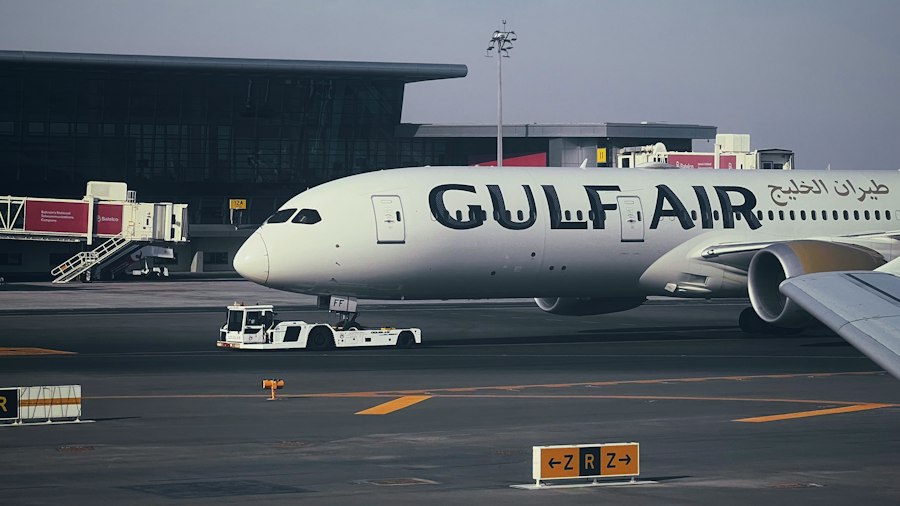
The integration of advanced radar systems onto rotary-wing aircraft represents a significant leap forward in surveillance capabilities. Helicopters offer a unique blend of mobility, hovering capability, and the ability to operate in challenging environments where fixed-wing aircraft or surface vessels might be less effective. When equipped with sophisticated radar, these platforms transform into potent aerial sensor nodes, capable of gathering crucial intelligence and providing real-time situational awareness to ground or sea-based command centers. The synergy between the helicopter’s operational flexibility and the radar’s detection power creates a formidable surveillance asset.
Radar Fundamentals and Airborne Applications
Radar, an acronym for Radio Detection and Ranging, works by emitting radio waves and analyzing the reflected signals from objects. This allows for the detection of targets, the determination of their range, bearing, and altitude, and in some cases, their speed. Airborne radar systems, particularly those designed for surveillance, are highly advanced, employing sophisticated signal processing and display technologies. They can be configured to detect a wide variety of targets, from small vessels and aircraft to even surface features. The choice of radar frequency, antenna design, and processing algorithms dictates the system’s performance in terms of range, resolution, and its ability to operate in different weather conditions and electronic warfare environments.
Advantages of Helicopter Deployment
Helicopters bring several distinct advantages to airborne radar operations. Their ability to take off and land vertically allows them to operate from a wide range of platforms, including naval vessels, remote land bases, and even temporary helipads. This vertical takeoff and landing (VTOL) capability means they do not require long runways, making them ideal for operating in confined spaces or areas with limited infrastructure. Furthermore, helicopters can hover, allowing for extended periods of observation over a specific area, which is invaluable for tracking suspicious activities or conducting detailed assessments. Their speed and maneuverability also allow for rapid deployment to areas of interest or to intercept potential threats.
Radar Capabilities in the Rotary-Wing Platform
Modern helicopter-carried radar systems are designed to be compact, lightweight, and highly capable. They typically feature advanced signal processing capabilities that allow them to distinguish between different types of targets, even in cluttered environments. Many systems incorporate features such as:
- Surface Search Radar: This is the primary mode for detecting vessels on the water. It can identify and track multiple targets simultaneously, providing their position, course, and speed.
- Inverse Synthetic Aperture Radar (ISAR): ISAR can be used to generate high-resolution images of targets, allowing for their identification even at significant ranges. This is crucial for distinguishing between different classes of vessels or identifying specific details of a suspect craft.
- Weather Radar: Some systems include weather radar capabilities, allowing the crew to identify and avoid adverse weather conditions, enhancing flight safety and operational effectiveness.
- Navigation and Terrain-Following Radar: These capabilities can assist the pilot in navigating complex terrain or operating at low altitudes, especially during covert surveillance missions.
- Electronic Warfare (EW) Capabilities: Some advanced systems may also incorporate EW capabilities, allowing them to detect and analyze radar emissions from other platforms, providing valuable electronic intelligence.
The integration of these diverse radar functionalities into a single platform significantly enhances its utility for a wide range of surveillance missions.
Enhancing Maritime Domain Awareness in the Gulf

The primary impact of helicopter-carried radar systems in the Gulf region lies in their ability to dramatically improve maritime domain awareness. This enhanced awareness translates into a greater capacity for early detection, effective tracking, and timely response to a multitude of maritime activities, both legitimate and illicit. By providing a persistent and comprehensive view of the sea space, these systems empower naval and coast guard forces with the intelligence needed to make informed decisions and maintain security.
Real-time Vessel Tracking and Identification
The ability to track vessels in real-time is a cornerstone of effective maritime surveillance. Helicopter-carried radar systems can monitor vast stretches of water, identifying and tracking individual vessels as they navigate through the Gulf. This allows for the creation of a dynamic, up-to-the-minute picture of maritime traffic. Furthermore, advanced radar systems can provide information that aids in the identification of vessels. By analyzing the radar signature, size, and movement patterns of a craft, operators can determine if it matches known profiles of legitimate shipping, fishing vessels, or potentially suspicious craft engaged in illicit activities. This capability is critical for differentiating between routine traffic and potential threats.
Detection of Covert and Low-Profile Threats
The waters of the Gulf are also traversed by vessels that may attempt to operate covertly to avoid detection. These can include small, fast boats used by pirates or smugglers, or even submerged threats in some scenarios. Helicopter-borne radar, particularly those employing advanced signal processing, can be highly effective at detecting these low-profile targets that might otherwise evade surface-based radar or visual observation. The ability to hover at a low altitude allows the radar to scan the surface of the water with greater sensitivity, picking up the radar reflections from even small craft that might be moving at speed or attempting to evade detection. This is a crucial advantage in combating asymmetric threats.
Rapid Response to Incidents and Emergencies
When an incident occurs at sea, such as a distress call, a collision, or a reported act of piracy, rapid response is often critical. Helicopter-carried radar systems can provide immediate situational awareness to response forces. Once a distress signal is received, a helicopter equipped with radar can be quickly dispatched to the scene. Its radar can then provide a comprehensive overview of the surrounding area, identifying any vessels in distress, potential rescuers, or any other craft that may be involved or posing a threat. This information allows for the efficient coordination of rescue efforts and the swift dispatch of appropriate assets, significantly improving the chances of a successful outcome.
Border Security and Smuggling Interdiction
The long coastlines and numerous islands within the Gulf present significant challenges for border security and the interdiction of smuggling operations. Helicopter-carried radar provides an invaluable tool for monitoring these extensive maritime borders. The radar can scan coastal waters and inlets, identifying any unauthorized vessels attempting to enter or leave territorial waters. This allows for the proactive interception of smuggling attempts before they can succeed. The ability to cover large areas from the air also means that fewer surface patrols are needed to maintain a reasonable level of security, freeing up valuable resources for other tasks.
Operational Deployments and Synergy with Other Assets
The effectiveness of helicopter-carried radar systems is amplified when integrated into a broader surveillance and response network. Their deployment alongside other naval assets, such as frigates, patrol boats, and surveillance aircraft, creates a synergistic effect that enhances overall operational capability. This integrated approach ensures that intelligence gathered from the air is effectively disseminated and acted upon by the most appropriate assets on the ground or at sea.
Integration with Naval Vessels
Modern naval warships, particularly frigates and destroyers, are increasingly equipped with their own advanced radar systems. When a helicopter carrying its own radar operates in conjunction with these vessels, a powerful layered surveillance capability is created. The helicopter can extend the radar horizon of the ship, providing early warning of distant threats or allowing for the surveillance of areas that the ship’s radar cannot effectively cover. The helicopter can also conduct close-in reconnaissance of contacts identified by the ship’s radar, providing detailed imagery and aiding in identification. Conversely, the ship can provide a stable platform for the helicopter to refuel and rearm, extending its operational endurance.
Collaboration with Coast Guard and Maritime Authorities
Coast guard organizations and other maritime authorities play a crucial role in enforcing maritime law, responding to emergencies, and ensuring the safety of navigation within a nation’s waters. Helicopter-carried radar significantly enhances their capabilities. The ability to rapidly deploy a radar-equipped helicopter allows coast guard units to cover larger areas of responsibility more effectively. This is particularly useful for search and rescue operations, anti-pollution patrols, and the interdiction of illegal fishing or smuggling activities. The real-time data provided by the helicopter’s radar can be relayed directly to coast guard command centers, enabling faster and more informed decision-making.
Role in Joint Operations and Exercises
The Gulf region often sees multinational joint operations and exercises aimed at enhancing interoperability and collective security. In these scenarios, helicopter-carried radar systems play a vital role in providing a common operational picture for all participating forces. By integrating the data from various surveillance platforms, including helicopter-borne radar, a comprehensive and unified view of the operational environment can be created. This shared understanding is essential for effective coordination, risk mitigation, and the successful execution of complex multi-national missions. These exercises also serve as valuable opportunities to refine procedures and test the effectiveness of different surveillance technologies in realistic operational settings.
Intelligence Gathering and Situational Awareness
Beyond immediate threat detection and response, helicopter-carried radar systems are also invaluable for ongoing intelligence gathering and the maintenance of a broad situational awareness. By conducting regular surveillance sorties, these platforms can build a detailed understanding of the normal patterns of maritime activity in the region. Any deviations from these established patterns can then be flagged as potentially suspicious, prompting further investigation. This continuous monitoring and data collection contribute to a robust intelligence picture, helping to anticipate potential threats and inform strategic planning.
Recently, a fascinating article highlighted the innovative use of helicopter-carried radar systems to enhance surveillance capabilities across the Gulf region. This technology not only improves reconnaissance efforts but also plays a crucial role in maritime security. For more insights on this topic, you can read the full article at In The War Room, where they delve deeper into the implications of such advancements in aerial surveillance.
Future Outlook and Technological Advancements
| Metric | Description | Value | Unit |
|---|---|---|---|
| Radar Type | Type of radar system carried by helicopter | AN/APS-143 | Model |
| Operating Frequency | Frequency band used by the radar | 8-12 | GHz |
| Detection Range | Maximum range for detecting surface targets | 150 | km |
| Scan Coverage | Angular coverage of radar scan | 360 | degrees |
| Helicopter Model | Type of helicopter carrying the radar | SH-60 Seahawk | Model |
| Operational Area | Region where radar was deployed | Persian Gulf | Location |
| Mission Duration | Average mission time with radar active | 4 | hours |
The evolution of helicopter-carried radar technology is an ongoing process, driven by the relentless pursuit of enhanced performance, greater versatility, and increased affordability. As threats evolve and operational requirements change, so too will the capabilities of these vital surveillance systems. The Gulf region, with its critical importance, is likely to remain a key area for the adoption and development of these advanced technologies.
Miniaturization and Increased Processing Power
One significant trend in radar technology is the ongoing miniaturization of components and the concurrent increase in processing power. This allows for the development of more compact and lighter radar systems that can be integrated onto a wider range of helicopter platforms, including smaller, more agile models. Enhanced processing power also translates into more sophisticated signal analysis, enabling better target discrimination, improved performance in adverse conditions, and the potential for advanced functions such as automatic target recognition. This miniaturization also reduces the overall weight of the payload, allowing the helicopter to carry more fuel or other mission-critical equipment.
Integration of Multi-Sensor Fusion
The future of surveillance lies in the intelligent fusion of data from multiple sensor types. Future helicopter-carried radar systems are likely to be increasingly integrated with other sensors, such as electro-optical (EO) and infrared (IR) cameras, electronic intelligence (ELINT) receivers, and even acoustic sensors. By fusing the data from these disparate sources, a more comprehensive and accurate understanding of the operational environment can be achieved. For instance, radar might detect a target, an EO/IR camera can provide visual confirmation and identification, and ELINT can reveal if the target is emitting any electronic signals. This multi-sensor fusion approach significantly reduces the risk of misidentification and enhances the ability to characterize threats.
Autonomous Operations and AI Integration
The integration of artificial intelligence (AI) and machine learning (ML) is poised to revolutionize airborne surveillance. AI algorithms can be trained to analyze radar data and identify patterns indicative of threats, potentially enabling semi-autonomous or fully autonomous surveillance operations. This could free up human operators to focus on more complex decision-making and strategic tasks. AI can also be used for predictive analysis, identifying potential future threats based on current trends and historical data. While full autonomy for complex missions is still some way off, the incremental integration of AI into sensor processing and data analysis is already enhancing the capabilities of modern radar systems.
Enhanced Connectivity and Data Dissemination
The ability to rapidly and securely transmit data from the helicopter to command centers and other assets is crucial. Future advancements will focus on improving the connectivity of helicopter-carried radar systems, utilizing high-bandwidth, secure communication links. This will enable near real-time dissemination of radar imagery, track data, and other critical intelligence to relevant stakeholders, allowing for more agile and coordinated responses. The development of resilient and jam-proof communication systems will be paramount in the often-contested environment of the Gulf. The increasing reliance on cloud-based data management and analysis platforms will also necessitate enhanced connectivity for seamless integration of airborne sensor data.

A 3-Year Drought Hit the Hittite Empire. Did It Cause the Collapse?
FAQs
What is the purpose of carrying radar across the gulf using a helicopter?
The purpose of carrying radar across the gulf using a helicopter is to quickly and efficiently transport the radar equipment to its destination without the need for traditional ground transportation.
How does using a helicopter for transporting radar equipment benefit the mission?
Using a helicopter for transporting radar equipment benefits the mission by reducing the time it takes to deploy the radar system, allowing for faster response times and increased operational flexibility.
What type of radar equipment is typically carried across the gulf using a helicopter?
Typically, advanced radar systems such as surveillance radars, weather radars, or military radar systems are carried across the gulf using a helicopter for various applications.
Are there any challenges or risks associated with transporting radar equipment via helicopter across the gulf?
Yes, there are challenges and risks associated with transporting radar equipment via helicopter across the gulf, including potential weather-related issues, weight restrictions, and the need for skilled pilots to navigate safely.
How common is the practice of using helicopters to transport radar equipment across bodies of water like the gulf?
While not as common as ground transportation, using helicopters to transport radar equipment across bodies of water like the gulf is a specialized and efficient method that is utilized in certain situations where speed and agility are crucial.