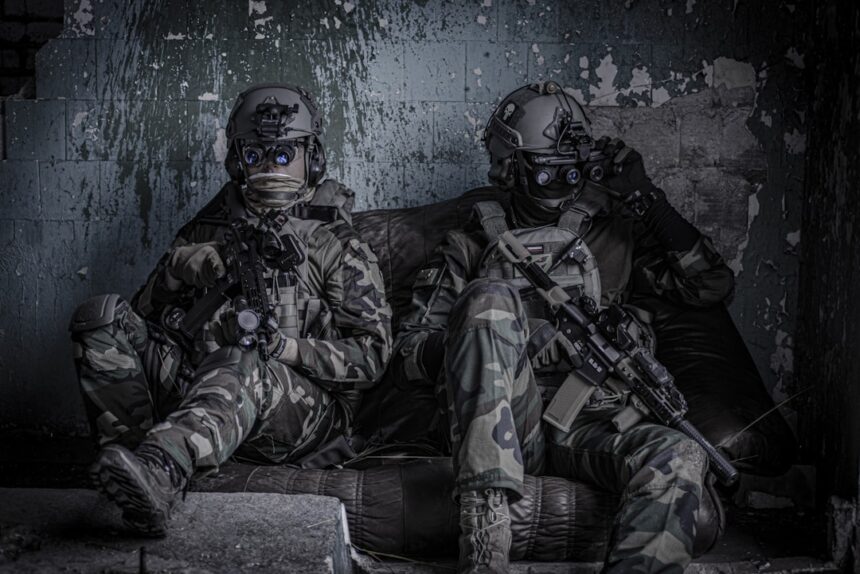
The Demilitarized Zone (DMZ) separating North and South Korea is a stark testament to an unresolved conflict. A strip of land, approximately 250 kilometers long and 4 kilometers wide, it is a heavily fortified border, a constant reminder of the volatile geopolitical situation on the Korean Peninsula. Within this tense landscape, a silent war is waged, a war of vigilance, deterrence, and preparedness. At the forefront of this perpetual defense are the South Korean Special Forces, an elite cadre of warriors tasked with the daunting responsibility of safeguarding the southern flank of this divided nation. Their presence, though often unseen and unheralded by the global public, is a cornerstone of South Korea’s national security strategy.
The South Korean Special Forces, often referred to as Special Warfare Command (SWC) units, are not your average soldiers. They are meticulously selected, rigorously trained, and exceptionally capable individuals honed to operate in the most challenging environments and under the most extreme pressure. Their primary mandate in the DMZ is multifaceted, encompassing intelligence gathering, counter-infiltration, direct action missions, and psychological operations. These units are the sharp edge of South Korea’s military, designed to respond to any threat that breaches the heavily fortified lines of the conventional military. Their operations within the DMZ are a delicate dance between projecting strength and maintaining a fragile peace, a constant balancing act against a belligerent adversary.
A Legacy Forged in Conflict
The origins of South Korea’s special forces are deeply intertwined with the Korean War and the subsequent decades of heightened tension. The need for specialized units capable of unconventional warfare, reconnaissance deep within enemy territory, and rapid response to special threats became apparent early on. Over the years, these units have evolved, adapting their doctrines, training, and equipment to meet the ever-changing nature of the North Korean threat. The DMZ, in particular, has served as a crucible for their development, demanding a constant refinement of skills and a heightened state of readiness.
Mission Profiles: More Than Just Border Patrol
While the image of soldiers patrolling a border is a common one, the duties of South Korean special forces in the DMZ extend far beyond routine patrols. Their mission profiles are diverse and demanding, often requiring specialized skillsets and a high degree of autonomy.
Intelligence, Surveillance, and Reconnaissance (ISR)
The DMZ is a hotbed of intelligence activity, and South Korean special forces play a critical role in gathering vital information. Operating in covert capacities, they conduct deep reconnaissance missions, gather signals intelligence, and monitor enemy movements. This information is crucial for understanding North Korea’s intentions, identifying potential threats, and informing strategic decision-making. Their ability to operate undetected in hostile territory makes them invaluable assets in the information warfare that characterizes the DMZ.
Counter-Infiltration Operations
North Korea has historically employed infiltration tactics, sending agents and special forces units across the DMZ to conduct sabotage, espionage, or assassinations. South Korean special forces are tasked with preventing these infiltrations and neutralizing any enemy elements that manage to breach the border. This involves a combination of active patrols, sophisticated sensor networks, and rapid response capabilities to intercept and eliminate threats before they can achieve their objectives.
Direct Action Missions
In the event of a direct military confrontation or a significant provocation by North Korea, special forces units are poised to execute direct action missions. These could include raids on enemy positions, the rescue of captured personnel, or the neutralization of critical enemy infrastructure. Their training emphasizes speed, precision, and overwhelming force to achieve mission objectives with minimal collateral damage and maximum effectiveness.
The South Korean Special Forces play a crucial role in maintaining security and readiness along the Korean Demilitarized Zone (DMZ), a tense border that has been a focal point of military strategy since the Korean War. For a deeper understanding of the operations and challenges faced by these elite units, you can read a related article that explores their training, missions, and the geopolitical implications of their presence in the region. Check it out here: In the War Room.
The Crucible of Training: Forging Elite Operators
The demanding nature of operations in the DMZ necessitates a training regimen that pushes human capabilities to their absolute limits. South Korean special forces undergo some of the most intense and specialized training in the world, preparing them for every conceivable scenario they might face. This training is not just about physical prowess; it is also about mental fortitude, tactical acumen, and unwavering discipline.
Physical and Mental Conditioning
The physical demands of operating in the rugged terrain of the DMZ, often in harsh weather conditions, are immense. Recruits undergo grueling physical conditioning programs that build exceptional stamina, strength, and resilience. Beyond the physical, however, is an equally rigorous mental conditioning process. Trainees are subjected to extreme stress, sleep deprivation, and psychological challenges to hone their ability to make sound decisions under pressure, maintain composure in chaotic situations, and develop an unbreakable will to succeed.
Tactical Proficiency and Specialization
Special forces operators are masters of various combat disciplines. Their training encompasses advanced marksmanship, close-quarters combat, demolitions, parachuting, underwater operations, and survival skills. They are also trained in a wide array of tactical scenarios, from urban warfare to jungle operations, ensuring they can adapt to any environment. Within the DMZ, their training is further specialized to address the unique challenges of operating in a heavily mined, booby-trapped, and monitored environment.
Interoperability and Joint Operations
Modern warfare is increasingly about seamless collaboration. South Korean special forces are trained to operate effectively with other branches of the South Korean military, as well as with allied forces, particularly those of the United States. This interoperability is crucial for coordinated responses to potential threats and for maintaining a unified front in regional security. Joint exercises and training missions are regularly conducted to ensure that these units can seamlessly integrate and execute complex operations with international partners.
Continuous Adaptation and Innovation
The threat landscape is constantly evolving, and so too must the capabilities of special forces. South Korean special forces units are committed to continuous adaptation and innovation. They regularly assess new technologies, refine their doctrines, and incorporate lessons learned from ongoing operations and global conflicts. This proactive approach ensures that they remain at the cutting edge of special warfare capabilities, prepared to counter emerging threats from North Korea and other potential adversaries.
Facing the Unseen Enemy: The Unique Challenges of the DMZ
Operating within the DMZ presents a set of unique and formidable challenges that few other military environments can replicate. This heavily militarized buffer zone is a testament to decades of animosity, and the special forces operating there face constant threats, both overt and covert.
The Minefields and Booby Traps
The DMZ is infamous for its vast minefields, meticulously laid by both sides over decades. These minefields are not static; they are constantly monitored and, at times, actively maintained or even expanded by North Korean forces. For special forces operating in this area, navigating these treacherous zones requires an intimate knowledge of mine-detection techniques, specialized equipment, and an unwavering level of caution. Each step taken is a calculated risk, and a single misstep can have catastrophic consequences.
The Art of Stealth and Deception
Given the heavily monitored nature of the DMZ, stealth and deception are paramount for any special forces operation. Both sides employ sophisticated surveillance systems, including radar, thermal imaging, and acoustic sensors, to detect any unauthorized movement. South Korean special forces must master the art of moving unseen and unheard, utilizing camouflage, advanced electronic countermeasures, and operating during periods of minimal visibility. Their ability to blend into the environment and move without detection is often the difference between mission success and failure.
The Psychological Toll of Constant Vigilance
The DMZ is a place where the threat of conflict is never far from the surface. The constant vigilance required to maintain security takes a significant psychological toll on the soldiers stationed there. Living in close proximity to a hostile border, with the knowledge that an adversary is just kilometers away, demands a high degree of mental resilience. South Korean special forces, due to their constant deployments and operational tempo in the DMZ, are particularly exposed to this psychological pressure.
The Intelligence Asymmetry
Understanding the intentions and capabilities of North Korea is a perpetual challenge. While South Korea and its allies possess advanced intelligence gathering capabilities, North Korea often operates with a degree of opacity. This intelligence asymmetry means that special forces must be prepared for the unexpected, relying on their training and situational awareness to adapt to unforeseen circumstances.
Deterrence Through Presence: The Strategic Significance of Special Forces
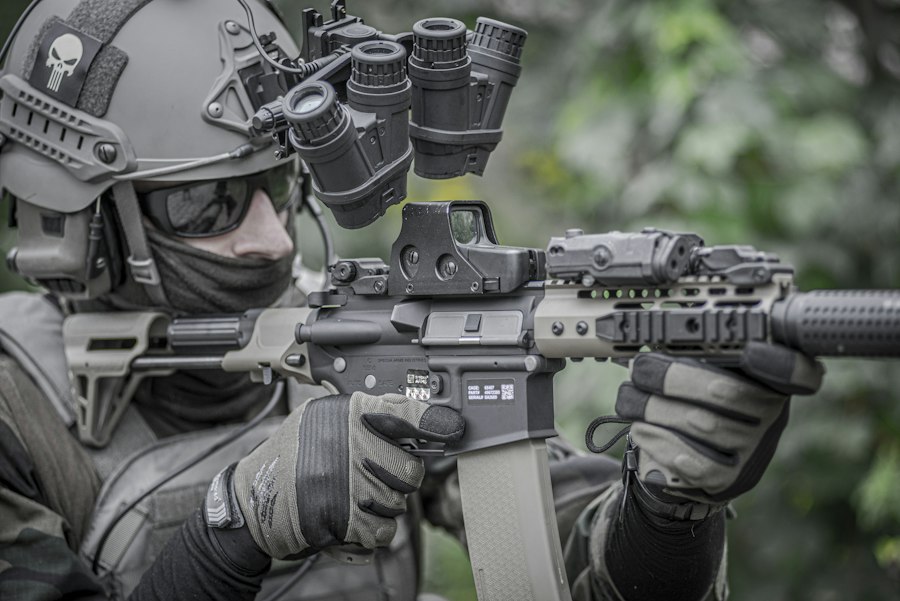
The presence of South Korean special forces in and around the DMZ serves a vital strategic purpose beyond direct operational duties. They are a tangible symbol of South Korea’s resolve and its unwavering commitment to defending its sovereignty and the security of its citizens. Their capabilities act as a significant deterrent against potential North Korean aggression.
A Message of Strength
The highly visible presence of special forces units, even if their specific missions are covert, sends a clear message to North Korea. It signals that South Korea possesses the means and the will to respond decisively to any provocation. This deterrent effect is crucial in maintaining the fragile peace and preventing escalation.
Rapid Response to Emerging Threats
In the event of a crisis, special forces are often the first responders. Their ability to deploy rapidly and operate independently makes them invaluable in containing and neutralizing immediate threats, preventing them from escalating into larger conflicts. This rapid response capability is a key component of South Korea’s overall defense strategy.
Supporting Allied Operations
The interoperability of South Korean special forces with their American counterparts is a cornerstone of the alliance. Their ability to conduct joint operations and share intelligence enhances the collective security of the Korean Peninsula and the broader Indo-Pacific region. This unified front deters potential adversaries and reinforces regional stability.
The South Korean Special Forces play a crucial role in maintaining security along the Korean Demilitarized Zone (DMZ), a tense border that has been a focal point of military strategy since the Korean War. Their rigorous training and specialized skills are essential for countering potential threats from the North. For a deeper understanding of the operations and challenges faced by these elite units, you can read more in this insightful article about their strategic importance in the region. Check it out here.
The Unsung Heroes: Recognition and Future Outlook
| Metric | Details |
|---|---|
| Unit Name | Republic of Korea Army Special Warfare Command (ROKA SWC) |
| Primary Mission | Reconnaissance, direct action, and unconventional warfare in the Korean Demilitarized Zone (DMZ) |
| Location | Korean Demilitarized Zone (DMZ), South Korea |
| Personnel Strength | Estimated 10,000+ special forces operators across all units |
| Training Focus | Mountain warfare, infiltration, survival, close-quarters combat, and intelligence gathering |
| Equipment | Advanced small arms, night vision devices, communication gear, and specialized infiltration equipment |
| Operational Readiness | High readiness with rapid deployment capability within hours |
| Notable Operations | Regular reconnaissance patrols and counter-infiltration missions in the DMZ |
| Allied Cooperation | Joint training and operations with U.S. Special Forces |
The South Korean Special Forces operating in the DMZ are the embodiment of dedication, courage, and sacrifice. Their contributions to national security are immense, yet their efforts often remain in the shadows, a necessary byproduct of their operational necessity.
A Life of Service and Sacrifice
The soldiers who serve in these elite units dedicate their lives to protecting their nation. They endure extreme training, face constant danger, and often make significant personal sacrifices. Their commitment is a testament to their patriotism and their unwavering sense of duty.
The Evolving Landscape of Security
The geopolitical landscape of the Korean Peninsula is constantly shifting. North Korea’s continued development of nuclear weapons and ballistic missile technology, coupled with its unpredictable behavior, necessitates a continuous evolution of South Korea’s defense posture. South Korean special forces will undoubtedly continue to play a critical role in adapting to these changes.
Technological Advancements and Future Capabilities
As technology advances, so too will the capabilities of special forces. The integration of artificial intelligence, advanced drones, cyber warfare capabilities, and sophisticated reconnaissance tools will further enhance their effectiveness. South Korean special forces are at the forefront of adopting and developing these cutting-edge technologies to maintain their strategic advantage.
In conclusion, the South Korean Special Forces operating within the Demilitarized Zone are more than just soldiers; they are the silent guardians of a nation perched on the precipice of a volatile border. Their dedication, rigorous training, and unwavering resolve form an essential bulwark against potential aggression, ensuring the continued peace and security of South Korea and its allies. Their story is one of quiet heroism, a testament to the profound commitment of those who stand as the unseen sentinels on the most dangerous border in the world.

America Sent an Aircraft Carrier to Cut Down One Tree
FAQs
What is the role of South Korean Special Forces in the Korean DMZ?
South Korean Special Forces play a crucial role in defending the Korean Demilitarized Zone (DMZ) against potential threats from North Korea.
How are South Korean Special Forces trained for their duties in the Korean DMZ?
South Korean Special Forces undergo rigorous training programs that focus on combat skills, physical fitness, and specialized tactics for operating in the challenging terrain of the DMZ.
What equipment do South Korean Special Forces use in the Korean DMZ?
South Korean Special Forces are equipped with advanced weaponry, communication devices, and specialized gear to effectively carry out their missions along the DMZ.
Are South Korean Special Forces stationed along the entire length of the Korean DMZ?
Yes, South Korean Special Forces are strategically stationed along the entire length of the Korean DMZ to ensure a swift response to any potential threats or provocations from North Korea.
What are some of the challenges faced by South Korean Special Forces in the Korean DMZ?
Some of the challenges faced by South Korean Special Forces in the Korean DMZ include harsh weather conditions, rugged terrain, and the constant threat of infiltration or attacks from North Korean forces.