Global trade has experienced substantial disruptions in recent years, fundamentally altering international commerce patterns. These disruptions stem from multiple sources, including geopolitical conflicts, pandemic outbreaks, and natural disasters. The interconnected nature of global markets ensures that disruptions in one region propagate across international trade networks, affecting supply chains, pricing, and availability of goods worldwide.
The COVID-19 pandemic demonstrated the vulnerability of global supply chains to sudden shocks. Government-imposed lockdowns resulted in widespread factory shutdowns, port closures, and transportation restrictions. Simultaneously, consumer demand patterns shifted dramatically, creating imbalances between supply and demand across various sectors.
Manufacturing hubs in Asia experienced production halts, while shipping routes faced capacity constraints and delays that persisted for months. These disruptions exposed critical dependencies within global trade networks. Many countries discovered their reliance on single-source suppliers for essential goods, including medical equipment, semiconductors, and raw materials.
The pandemic revealed how just-in-time manufacturing practices, while cost-efficient, left little buffer for unexpected supply chain interruptions. Consequently, governments and businesses have begun reassessing trade strategies, with many implementing supply chain diversification measures and increasing domestic production capabilities for critical goods.
Key Takeaways
- Global trade disruptions significantly affect economies, especially small and medium-sized businesses.
- Environmental impacts arise from changes in trade patterns and logistics.
- Technology and diversified supply chains are key to adapting and mitigating disruption effects.
- Government policies and international cooperation play crucial roles in managing trade challenges.
- Successful case studies highlight strategies for navigating and thriving amid global trade disruptions.
The Impact of Global Trade Disruption on Economies
The ramifications of global trade disruption extend far beyond immediate supply chain issues; they can have profound effects on national economies. When trade routes are compromised, countries may experience shortages of essential goods, leading to inflation and increased prices for consumers. For instance, disruptions in the supply of raw materials can hinder manufacturing processes, resulting in decreased production capacity and ultimately affecting employment rates.
Economies that heavily rely on exports may find themselves particularly vulnerable, as reduced demand from trading partners can lead to significant economic downturns. Moreover, the interconnected nature of modern economies means that the impact of trade disruption is often felt in unexpected ways. A slowdown in one country can lead to decreased demand for goods from another, creating a domino effect that can destabilize entire regions.
For example, when major economies like the United States or China face trade challenges, smaller nations that depend on their markets for exports may suffer disproportionately. This interconnectedness underscores the importance of resilience in economic planning and the need for countries to develop strategies that can withstand future disruptions.
Effects of Global Trade Disruption on Small and Medium-Sized Businesses
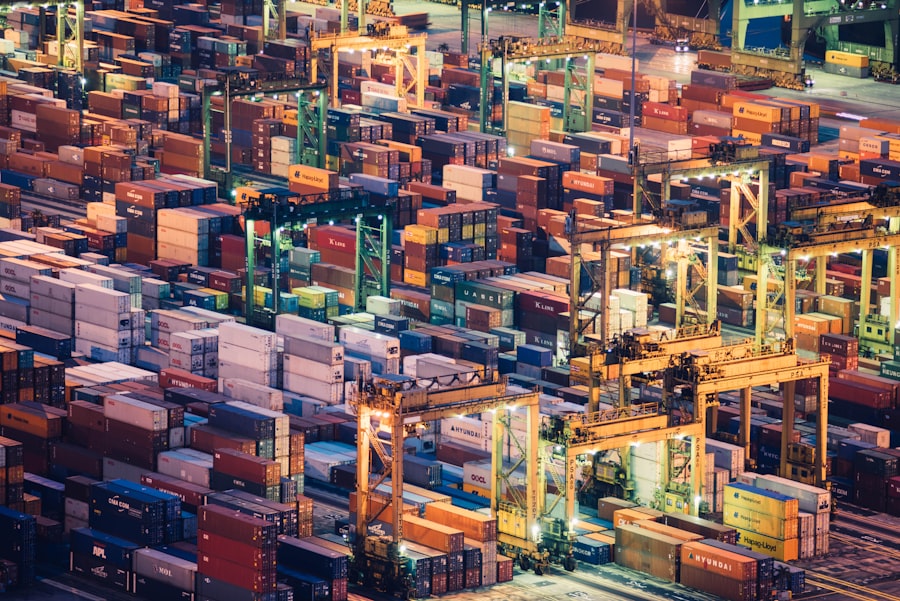
Small and medium-sized enterprises (SMEs) are often the backbone of national economies, yet they are particularly susceptible to the effects of global trade disruption. Unlike larger corporations that may have diversified supply chains and greater financial resources to weather storms, SMEs frequently operate with tighter margins and less flexibility. When faced with disruptions, these businesses may struggle to secure necessary materials or find alternative suppliers, leading to delays in production and fulfillment.
Additionally, SMEs often lack the bargaining power that larger firms possess, making it challenging for them to negotiate favorable terms during times of crisis. As a result, they may face increased costs or limited access to essential goods. The consequences can be dire; many SMEs may be forced to reduce their workforce or even close their doors permanently if they cannot adapt quickly enough to changing market conditions.
This vulnerability highlights the need for targeted support and resources to help SMEs navigate the complexities of global trade disruption.
Environmental Consequences of Global Trade Disruption
While discussions around global trade disruption often focus on economic implications, it is crucial to consider the environmental consequences as well. Disruptions in trade can lead to increased waste and inefficiencies in resource use. For instance, when supply chains are interrupted, products may be left unsold or perish before reaching consumers, contributing to higher levels of waste.
Additionally, the need for expedited shipping to make up for lost time can result in increased carbon emissions, further exacerbating environmental challenges. Moreover, the shift towards localized production in response to trade disruptions can have mixed environmental impacts. On one hand, shorter supply chains may reduce transportation emissions; on the other hand, local production may not always adhere to sustainable practices.
The challenge lies in finding a balance between ensuring economic resilience and minimizing environmental harm. As countries seek to rebuild their economies post-disruption, integrating sustainability into trade policies will be essential for fostering a more environmentally responsible global trading system.
Solutions to Mitigate the Impact of Global Trade Disruption
| Metric | Value | Unit | Notes |
|---|---|---|---|
| Global Container Shipping Delay | 7.2 | Days | Average delay in container shipping times (2023) |
| Port Congestion Index | 65 | Index (0-100) | Higher values indicate more congestion (2023 Q1) |
| Increase in Shipping Costs | 18 | Percent | Year-over-year increase in freight rates (2023) |
| Global Supply Chain Disruption Index | 72 | Index (0-100) | Reflects overall disruption severity (2023) |
| Average Lead Time for Imports | 45 | Days | Time from order to delivery (2023) |
| Percentage of Delayed Shipments | 28 | Percent | Shipments arriving later than scheduled (2023) |
To address the challenges posed by global trade disruption, a multifaceted approach is necessary. One potential solution is enhancing supply chain transparency and resilience through better data sharing among businesses and governments. By leveraging technology and data analytics, companies can gain insights into potential vulnerabilities within their supply chains and develop contingency plans accordingly.
Additionally, fostering collaboration among businesses can lead to innovative solutions that enhance resilience. For instance, companies might explore partnerships or alliances that allow them to share resources or diversify their supplier networks.
Governments also play a critical role in this process by providing support for research and development initiatives aimed at improving supply chain efficiency and sustainability. By investing in infrastructure and technology that facilitate smoother trade operations, nations can better prepare for potential disruptions.
The Role of Technology in Adapting to Global Trade Disruption
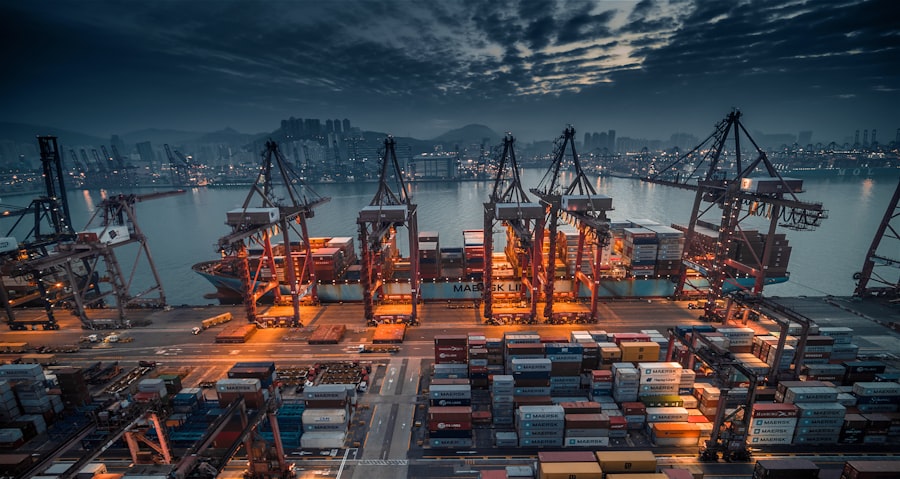
Technology has emerged as a vital tool in adapting to global trade disruption. The rise of digital platforms has transformed how businesses operate, enabling them to connect with suppliers and customers across the globe more efficiently than ever before. E-commerce has surged during periods of disruption, allowing companies to reach consumers directly while bypassing traditional distribution channels that may be compromised.
Moreover, advancements in automation and artificial intelligence are revolutionizing supply chain management. These technologies enable businesses to optimize inventory levels, forecast demand more accurately, and respond swiftly to changes in market conditions. By harnessing the power of technology, companies can enhance their agility and resilience in the face of disruptions.
As industries continue to evolve, embracing technological innovations will be crucial for maintaining competitiveness in an increasingly unpredictable global market.
Government Policies and Initiatives to Address Global Trade Disruption
Governments play a pivotal role in addressing global trade disruption through policy formulation and strategic initiatives. In response to recent challenges, many nations have implemented measures aimed at strengthening their domestic industries and reducing reliance on foreign suppliers. This shift towards protectionism can take various forms, including tariffs on imported goods or incentives for local production.
Additionally, governments are increasingly recognizing the importance of international cooperation in managing trade disruptions. Collaborative efforts among nations can lead to more robust frameworks for addressing shared challenges such as pandemics or climate change. By working together to establish common standards and practices, countries can create a more resilient global trading system that is better equipped to withstand future shocks.
The Importance of Diversifying Supply Chains in the Face of Global Trade Disruption
Diversification of supply chains has emerged as a critical strategy for mitigating the impact of global trade disruption. Relying heavily on a single supplier or region can expose businesses to significant risks if that source encounters difficulties. By diversifying suppliers across different geographic locations or sectors, companies can reduce their vulnerability to localized disruptions.
Furthermore, diversification allows businesses to tap into new markets and opportunities that may arise during times of uncertainty. For instance, companies that have established relationships with multiple suppliers may find it easier to pivot when faced with challenges in one area. This flexibility not only enhances resilience but also fosters innovation as businesses explore new avenues for growth amidst changing market dynamics.
The Role of International Cooperation in Managing Global Trade Disruption
International cooperation is essential for effectively managing global trade disruption. In an increasingly interconnected world, no nation operates in isolation; therefore, collaborative efforts are necessary to address shared challenges. Multilateral organizations such as the World Trade Organization (WTO) play a crucial role in facilitating dialogue among nations and promoting fair trade practices.
Moreover, international partnerships can lead to coordinated responses during crises. For example, during the COVID-19 pandemic, countries collaborated on vaccine distribution efforts and shared best practices for managing supply chain disruptions. Such cooperation not only strengthens relationships between nations but also fosters a sense of collective responsibility in navigating complex global challenges.
Case Studies of Successful Adaptation to Global Trade Disruption
Examining case studies of businesses that have successfully adapted to global trade disruption provides valuable insights into effective strategies for resilience. One notable example is a multinational electronics manufacturer that faced significant supply chain challenges during the pandemic. By quickly pivoting its sourcing strategy and establishing relationships with alternative suppliers across different regions, the company was able to minimize production delays and maintain its market position.
Another case involves a small apparel brand that leveraged e-commerce platforms during periods of disruption to reach consumers directly. By investing in digital marketing and enhancing its online presence, the brand not only survived but thrived amidst changing consumer behaviors. These examples illustrate that adaptability and innovation are key components of success in navigating global trade disruptions.
Navigating the Future of Global Trade in an Era of Disruption
As the world continues to grapple with the complexities of global trade disruption, it is clear that resilience will be paramount for businesses and economies alike. The lessons learned from recent challenges underscore the importance of diversification, technological innovation, and international cooperation in building a more robust trading system. By embracing these principles and fostering collaboration among stakeholders, nations can better prepare for future disruptions while promoting sustainable economic growth.
In conclusion, navigating the future of global trade requires a proactive approach that prioritizes adaptability and resilience.
Through strategic planning and collaboration, it is possible to create a more resilient global trading system capable of withstanding future challenges while fostering prosperity for all stakeholders involved.
Global trade flow disruptions have become a pressing issue in recent years, impacting economies worldwide. For a deeper understanding of the factors contributing to these disruptions, you can read the article on this topic at this link. The article explores various elements affecting trade dynamics and offers insights into potential solutions for mitigating these challenges.
WATCH THIS! 🌊 The Invisible Army That Controls Global Shipping
FAQs
What is global trade flow disruption?
Global trade flow disruption refers to interruptions or disturbances in the normal movement of goods and services across international borders. These disruptions can be caused by various factors such as natural disasters, geopolitical tensions, pandemics, or logistical challenges.
What are the common causes of global trade flow disruptions?
Common causes include natural disasters (e.g., earthquakes, floods), political instability or conflicts, trade wars and tariffs, pandemics like COVID-19, supply chain bottlenecks, port congestions, and transportation issues.
How do global trade flow disruptions impact the economy?
Disruptions can lead to delays in delivery, increased costs for businesses and consumers, shortages of goods, inflation, reduced industrial output, and overall slower economic growth both locally and globally.
Which industries are most affected by global trade flow disruptions?
Industries heavily reliant on international supply chains, such as manufacturing, automotive, electronics, retail, and agriculture, are often most affected by trade flow disruptions.
How can businesses mitigate the risks of global trade flow disruptions?
Businesses can diversify their supply chains, increase inventory buffers, invest in supply chain visibility technologies, develop contingency plans, and establish relationships with multiple suppliers in different regions.
What role do governments play in managing global trade flow disruptions?
Governments can implement policies to facilitate trade, invest in infrastructure, negotiate trade agreements, provide support during crises, and work with international organizations to ensure smoother global trade operations.
Has the COVID-19 pandemic affected global trade flows?
Yes, the COVID-19 pandemic caused significant disruptions by shutting down factories, restricting transportation, and altering consumer demand, leading to delays, shortages, and increased costs in global trade.
What is the future outlook for global trade flow disruptions?
While disruptions are likely to continue due to geopolitical tensions, climate change, and other factors, advancements in technology, improved risk management, and international cooperation may help reduce their frequency and impact.