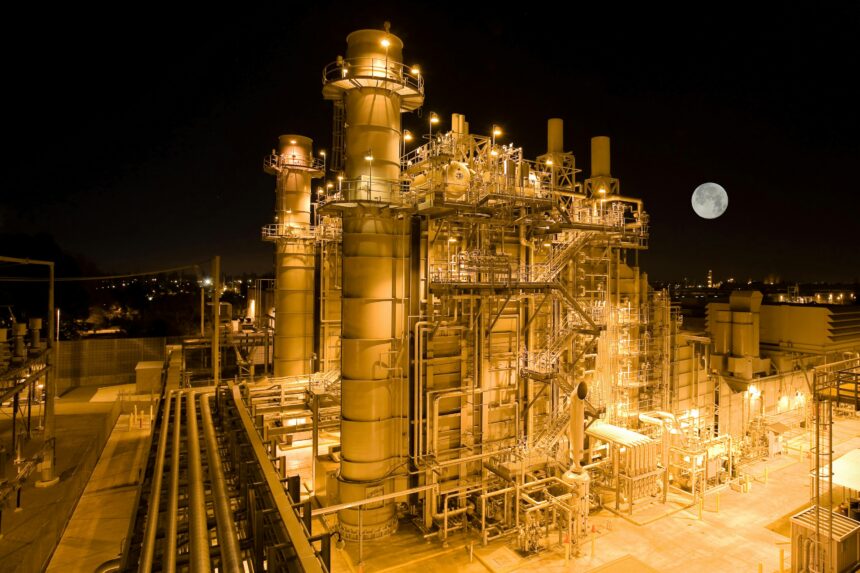
Germany stands at the vanguard of technological innovation, and nowhere is this more evident than in its burgeoning synthetic oil industry. This sector, characterized by advanced chemical processes and a deep commitment to sustainability, is rapidly transforming the landscape of lubrication and fuel production. Far from relying on traditional crude oil extraction, German synthetic oil plants are harnessing cutting-edge science to create high-performance, environmentally conscious alternatives. These facilities represent a significant investment in research and development, pushing the boundaries of what is chemically possible and offering solutions for a world increasingly focused on energy efficiency and reduced environmental impact. The sheer ingenuity and precision involved in crafting these specialized oils highlight Germany’s role as a global leader in industrial prowess and forward-thinking engineering.
The concept of synthetic oils is not entirely new, with their origins intertwined with the demands of extreme conditions and the quest for superior performance. While the layman might associate “oil” with the dark, viscous liquid pumped from the earth, synthetic variants are entirely man-made, engineered at a molecular level for specific applications. This controlled creation allows for tailored properties that natural crude oil derivatives cannot match. Germany’s embrace of this technology stems from a rich history of chemical innovation and a proactive approach to addressing evolving industrial needs. The nation’s strategic focus on high-value manufacturing and its commitment to environmental stewardship have naturally propelled the development and adoption of synthetic oil production on a grand scale.
Early Inventions and Wartime Imperatives
The foundations of synthetic oil technology were laid long before the modern era of advanced chemical engineering. Early experiments in synthesizing lubricants date back to the late 19th and early 20th centuries. Often driven by wartime necessities, where reliance on traditional oil sources could be precarious, chemists sought to create alternatives that could withstand harsh operating temperatures and pressures.
The Dawn of Esters and Polydiglycols
The development of esters, particularly those derived from organic acids and alcohols, marked a significant early step. These compounds possessed improved thermal stability compared to mineral oils. Later, the creation of polydiglycols offered even greater advantages in terms of viscosity index and low-temperature performance. These early breakthroughs, though rudimentary by today’s standards, demonstrated the potential of chemically engineered lubricants.
The Impact of World War II
The Second World War acted as a powerful catalyst for synthetic lubricant development. The need for reliable engine performance under extreme conditions in aircraft, tanks, and naval vessels pushed research and development efforts into overdrive. Germany, in particular, faced significant challenges in securing petrochemical resources and consequently invested heavily in alternative solutions. This period saw the widespread adoption of synthetic lubricants in critical military applications, proving their viability and highlighting their superior performance characteristics. The knowledge gained during this era formed the bedrock for future advancements.
The Modern Era: Advanced Chemical Synthesis and Performance Enhancement
The post-war period witnessed a dramatic acceleration in synthetic oil technology, fueled by advancements in polymer chemistry, materials science, and a growing understanding of molecular engineering. Germany, with its strong academic research institutions and thriving chemical industry, became a hub for this innovation. Today, German synthetic oil plants are not merely reacting to demand but actively shaping the future of lubrication.
The Chemical Building Blocks: From Petrochemicals to Novel Feedstocks
Modern synthetic oils are typically derived from petrochemical feedstocks, but the refining and synthesis processes are far more sophisticated than traditional oil extraction. This involves breaking down hydrocarbons into simpler molecules and then reassembling them into specific structures. Increasingly, research is also exploring alternative, more sustainable feedstocks, including bio-based materials and even captured carbon dioxide, to further reduce the environmental footprint of synthetic oil production. These efforts reflect a broader trend towards green chemistry and circular economy principles within the industry.
Tailoring Molecules for Optimal Performance
The defining characteristic of synthetic oils is their ability to be precisely engineered. Chemists can design molecules with specific chain lengths, branching patterns, and functional groups to achieve desired properties. This allows for the creation of lubricants that offer exceptional thermal and oxidative stability, superior low-temperature fluidity, reduced volatility, and enhanced wear protection. This level of control is simply not achievable with conventional mineral oils, making synthetic oils indispensable for high-performance applications.
Germany’s synthetic oil plants have been a focal point in discussions about sustainable energy solutions and the future of fuel production. For a deeper understanding of the advancements and challenges faced by these facilities, you can read a related article that explores the implications of synthetic oil technology on the environment and the economy. For more information, visit this article.
The Pillars of German Synthetic Oil Production: Core Technologies
Germany’s leadership in synthetic oil production is underpinned by a suite of sophisticated technologies that enable the creation of these advanced lubricants. These technologies are not only about producing the oil itself but also about ensuring its purity, consistency, and ultimately, its superior performance in a wide array of demanding applications. The German approach emphasizes precision, efficiency, and environmental responsibility at every stage of the manufacturing process.
Polyalphaolefins (PAOs): The Workhorse of Synthetic Lubrication
Polyalphaolefins (PAOs) are perhaps the most common and versatile type of synthetic lubricant base stock produced in Germany. They are synthesized from alpha-olefins, typically C10, C12, or C14 chain lengths, through a catalytic process. PAOs are prized for their excellent thermal and oxidative stability, good low-temperature properties, and high viscosity index.
The Oligomerization Process: Building Long Chains
The core of PAO production involves the oligomerization of alpha-olefins. This process, often catalyzed by Lewis acids like boron trifluoride or aluminum trichloride, links multiple olefin molecules together to form longer hydrocarbon chains. The precise control of reaction conditions, including temperature, pressure, and catalyst concentration, is crucial for dictating the average molecular weight and branching of the resulting PAO. German chemical engineers have refined these processes to achieve exceptional yields and product consistency.
Hydrogenation for Stability and Purity
Following oligomerization, the PAO product typically undergoes a hydrogenation step. This process saturates any remaining double bonds in the hydrocarbon chains, significantly enhancing the oil’s resistance to oxidation and thermal breakdown. Hydrogenation also removes any residual catalyst and byproducts, leading to a highly pure and stable lubricant base stock. The meticulousness of this purification stage is a hallmark of German manufacturing.
Esters: Precision Engineered for Demanding Environments
Synthetic esters represent another important class of base oils produced in Germany, offering unique properties that make them suitable for highly specialized applications. They are formed by reacting organic acids with alcohols. The wide variety of acids and alcohols that can be used allows for an almost infinite range of ester structures, each with tailored performance characteristics.
Diesters and Polyol Esters: Diverse Molecular Architectures
Diesters, formed from dibasic acids and monofunctional alcohols, are often used in jet engine lubricants and high-temperature hydraulic fluids due to their excellent thermal stability and low volatilities. Polyol esters, derived from polyols (like neopentyl glycol or trimethylolpropane) and monobasic acids, offer even more robust high-temperature performance and biodegradability. German plants excel at synthesizing these complex ester molecules with high precision.
Applications Beyond Lubrication
While primarily known for their lubricating properties, synthetic esters also find applications in other areas, such as plasticizers and emollients in cosmetics. This versatility further underscores the advanced chemical engineering capabilities present in German production facilities.
Other Specialty Synthetic Base Stocks: Pushing the Boundaries
Beyond PAOs and esters, German synthetic oil plants are at the forefront of developing and producing other specialized base stocks that cater to niche but critical applications. These often involve more complex chemistries and advanced synthesis techniques.
Polyalkylene Glycols (PAGs): For Unique Solvency and Performance
Polyalkylene glycols (PAGs) are a class of synthetic polymers that exhibit unique properties, including excellent lubricity, good thermal stability, and inherent fire resistance. They are often used in applications where mineral oils are unsuitable, such as in food-grade lubricants, brake fluids, and certain industrial gearboxes. The controlled polymerization of ethylene oxide and propylene oxide allows for the creation of PAGs with a wide range of viscosities and solubilities.
Silicones: Extreme Temperature and Inertness
Silicone oils, based on silicon-oxygen backbones with organic side groups, are renowned for their extreme temperature stability, inertness, and low surface tension. They are used in a vast array of applications, from high-performance greases and damping fluids to specialized sealants and release agents. German manufacturers are adept at synthesizing silicones with specific viscosities and functional groups for tailored performance.
Sustainability and Environmental Responsibility: A Core Tenet

Germany’s commitment to environmental protection is deeply embedded in its industrial philosophy, and this extends unequivocally to its synthetic oil industry. The development and production of synthetic oils are increasingly viewed through the lens of sustainability, with a strong emphasis on reducing their environmental footprint throughout their lifecycle. This is not an afterthought but a fundamental driver of innovation and operational strategy.
Biodegradability and Reduced Environmental Impact
One of the significant advantages of many synthetic oils, particularly certain ester formulations and some newer bio-based synthetics, is their enhanced biodegradability compared to traditional mineral oils. This means that in the event of a spill or leakage, these oils break down more readily in the environment, minimizing long-term ecological damage. German plants are actively researching and developing inherently biodegradable synthetic lubricants for sensitive environmental applications.
Designing for Degradation: The Role of Molecular Structure
The molecular architecture of a synthetic oil plays a crucial role in its biodegradability. German chemists are adept at designing ester linkages and other chemical bonds that are susceptible to microbial breakdown without compromising the oil’s performance during its intended service life. This requires a delicate balance and a deep understanding of biochemical processes.
Minimizing Waste and Emissions in Production
Beyond the product itself, German synthetic oil plants are also focused on minimizing waste and emissions generated during the manufacturing process. This includes optimizing reaction efficiencies to reduce byproducts, implementing advanced filtration and recycling systems, and investing in energy-efficient technologies to lower their carbon footprint.
Energy Efficiency and Resource Conservation
The very nature of synthetic oil production, with its controlled chemical reactions, often lends itself to greater energy efficiency compared to the resource-intensive extraction and refining processes of crude oil. By creating lubricants that last longer and perform better, synthetic oils also contribute to energy conservation in their end-use applications.
Extended Service Intervals and Reduced Consumption
High-performance synthetic oils often offer significantly longer service intervals than conventional oils. This means less frequent oil changes, leading to a reduction in the overall volume of lubricant consumed and the associated waste oil disposal. Furthermore, the reduced friction associated with synthetic lubricants can translate into improved fuel economy in vehicles and enhanced efficiency in industrial machinery.
Advancements in Energy-Efficient Manufacturing Processes
German manufacturers are continuously investing in research and development to make their production processes even more energy-efficient. This involves optimizing reactor designs, improving heat integration, and utilizing advanced control systems to minimize energy consumption per unit of product.
The Shift Towards Renewable Feedstocks
A growing area of focus within Germany’s synthetic oil industry is the exploration and adoption of renewable feedstocks. This represents a significant step towards decoupling lubricant production from fossil fuels and creating a more circular economy.
Bio-based Oils: From Plant to Performance
Research is actively underway to develop synthetic oils derived from vegetable oils, animal fats, and other bio-based sources. While challenges remain in terms of achieving the same level of performance as petroleum-based synthetics across all applications, significant progress is being made. German companies are at the forefront of this research, aiming to create high-performance bio-lubricants that offer a truly sustainable alternative.
Carbon Capture and Utilization (CCU): A Futuristic Frontier
A more ambitious, yet highly promising, area of research involves the utilization of captured carbon dioxide (CO2) as a feedstock for synthetic oil production. This technology has the potential to not only create valuable lubricants but also to actively remove greenhouse gases from the atmosphere. German chemical companies are actively exploring pathways to convert CO2 into useful hydrocarbon molecules for lubricant synthesis, pushing the boundaries of what is chemically and environmentally feasible.
Applications Driving Innovation: Where Performance is Paramount
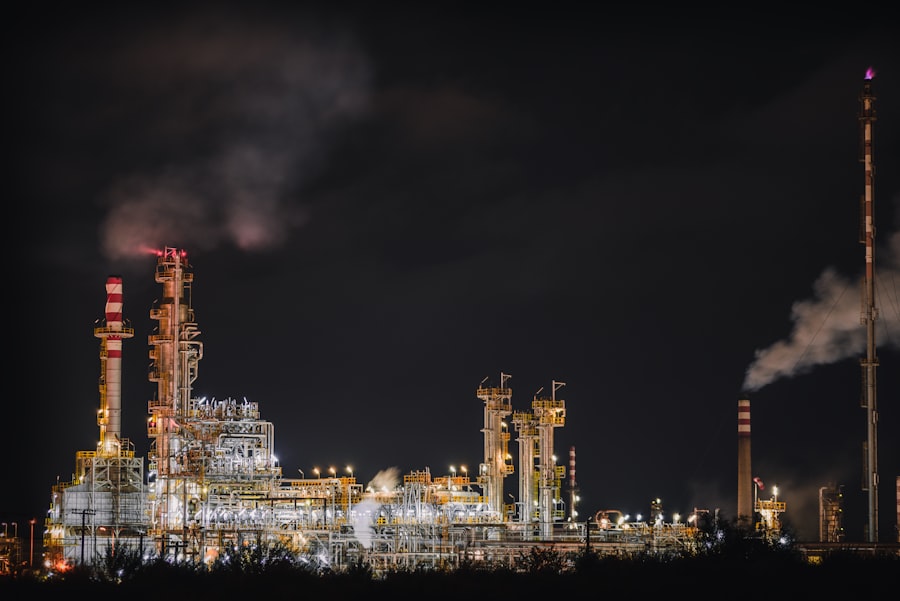
The cutting-edge synthetic oils produced in Germany are not merely academic curiosities; they are essential components that enable and enhance performance in a wide array of critical industries. The demand for lubricants that can withstand extreme conditions, ensure reliability, and contribute to efficiency is a constant driver of innovation in German synthetic oil plants.
Automotive Industry: Fueling Efficiency and Longevity
The automotive sector has been a major adopter of synthetic oils, recognizing their ability to improve engine performance, reduce wear, and extend drain intervals. German automotive engineering excellence is intrinsically linked to the performance of its lubricants.
High-Performance Engine Oils
Synthetic engine oils, particularly those based on PAOs and advanced additive packages, are the cornerstone of modern high-performance and fuel-efficient vehicles. They offer superior protection against extreme temperatures, reduce internal friction for better fuel economy, and maintain their viscosity over extended periods. German manufacturers play a crucial role in supplying these sophisticated formulations to the global automotive market.
Drivetrain and Transmission Fluids
The complex and high-stress environments within transmissions and differentials demand specialized lubricants. Synthetic transmission fluids offer exceptional shear stability, thermal resistance, and improved shifting performance, particularly in automatic and continuously variable transmissions (CVTs). German expertise in tribology and material science is vital in developing these critical fluids.
Aerospace Industry: Engineered for the Extreme
The aerospace industry represents one of the most demanding environments for lubricants, where failure is not an option and extreme temperatures, pressures, and altitudes are the norm. German synthetic oils are vital for the safe and efficient operation of aircraft.
Jet Engine Lubricants
Synthetic ester-based lubricants are the standard for jet engines due to their exceptional thermal and oxidative stability, low volatility, and excellent lubricity over a wide temperature range. These oils must perform reliably from the frigid altitudes of cruising to the scorching heat of engine operation. German chemical companies are key suppliers to this highly regulated and critical sector.
Hydraulic Fluids and Greases
Hydraulic systems in aircraft, responsible for everything from flight control surfaces to landing gear, rely on high-performance synthetic hydraulic fluids. These fluids must maintain their viscosity and compressibility under extreme pressure and temperature fluctuations. Similarly, specialized synthetic greases are engineered for critical components like bearings, offering long-lasting lubrication in challenging conditions.
Industrial Machinery: Enhancing Productivity and Reliability
Beyond transportation, synthetic oils are indispensable in a vast array of industrial machinery, where they contribute to increased productivity, reduced downtime, and extended equipment life. German plants are key suppliers to industries ranging from heavy manufacturing to precision engineering.
Industrial Gear Oils
Industrial gearboxes operate under immense loads and often at high speeds. Synthetic gear oils, with their superior film strength and additive packages, provide superior protection against wear and scuffing, even under the most severe operating conditions. This translates to longer gear life and reduced maintenance costs.
Compressor Oils
Air compressors are critical components in many industrial settings. Synthetic compressor oils offer extended service life, reduced sludge formation, and improved sealing properties, leading to greater operational efficiency and lower maintenance. German manufacturers are known for producing compressor oils that excel in demanding industrial environments.
Turbine Oils
In power generation, turbine oils are essential for the smooth and reliable operation of steam and gas turbines. Synthetic turbine oils provide excellent oxidation stability, thermal stability, and wear protection, ensuring the longevity and efficiency of these critical power-generating assets.
Germany’s synthetic oil plants are at the forefront of innovative energy solutions, contributing significantly to the country’s commitment to sustainability. These facilities not only produce high-quality synthetic oils but also play a crucial role in reducing carbon emissions. For a deeper understanding of the advancements in this sector, you can read a related article that explores the impact of synthetic fuels on the automotive industry. This insightful piece can be found here. As Germany continues to invest in these technologies, the future of energy looks promising.
The Future of German Synthetic Oil: Innovation on the Horizon
| Plant Name | Location | Capacity (barrels per day) | Owner |
|---|---|---|---|
| Leuna Synthetic Oil Plant | Leuna, Saxony-Anhalt | 260,000 | InfraLeuna GmbH |
| Schwedt Synthetic Oil Plant | Schwedt, Brandenburg | 260,000 | PCK Raffinerie GmbH |
| Burghausen Synthetic Oil Plant | Burghausen, Bavaria | 60,000 | OMV Deutschland GmbH |
The synthetic oil industry in Germany is not content to rest on its laurels. Continuous research and development are driving innovation, paving the way for even more advanced, sustainable, and high-performing lubricants in the years to come. The nation’s dedication to scientific advancement and its proactive approach to global challenges position it at the forefront of this evolving sector.
Nanotechnology and Advanced Additives: Redefining Lubrication
The integration of nanotechnology into lubricant formulations represents a significant frontier for German synthetic oil producers. Nanoparticles, such as metal oxides or carbon-based materials, can be incorporated into base oils to impart novel properties.
Nanoparticle-Enhanced Wear Protection
These nanoparticles can act as solid lubricants, reducing friction and wear at the microscopic level, far beyond what traditional additives can achieve. They can also form protective layers on metal surfaces, preventing direct contact and significantly extending the life of machinery. German research is exploring the optimal types and concentrations of nanoparticles for a variety of applications.
Smart Lubricants: Responsive and Adaptive
The concept of “smart lubricants” is also gaining traction. These are advanced formulations that can respond to changes in operating conditions, such as temperature or load, by altering their properties. This adaptive behavior can optimize lubrication in real-time, further enhancing efficiency and protection. German scientists are investigating how to embed sensors and responsive chemistries into lubricant formulations to achieve this level of intelligence.
Bio-inspired Lubrication and Biomimicry
Nature offers a wealth of inspiration for scientists seeking to improve lubrication. German researchers are increasingly looking to biological systems for insights into developing next-generation synthetic lubricants.
Mimicking Nature’s Surfaces and Fluids
The human body, for instance, has evolved incredibly effective lubrication systems. The synovial fluid in joints, with its complex rheological properties, serves as a model for developing low-friction, high-viscosity lubricants. Similarly, the smooth surfaces of certain biological tissues offer clues for designing textured surfaces that enhance lubricant retention and performance.
Self-Healing and Self-Assembling Lubricants
The concept of self-healing and self-assembling lubricants, inspired by biological repair mechanisms, is also an area of active investigation. These advanced materials could potentially repair minor damage to machinery surfaces or reconfigure themselves to optimize lubrication under varying conditions, promising unprecedented levels of durability and performance.
The Circular Economy and Enhanced Recycling Efforts
The principles of the circular economy are deeply influencing the future trajectory of the synthetic oil industry in Germany. The focus is shifting from a linear “take-make-dispose” model to one that emphasizes regeneration, reuse, and the minimization of waste.
Advanced Re-refining Technologies
While synthetic oils are designed for longevity, there will always be a need for end-of-life management. German companies are investing in advanced re-refining technologies that can not only purify used synthetic oils to a high standard but also potentially recover valuable chemical building blocks for new lubricant production. This closed-loop approach minimizes the need for virgin feedstocks.
Designing for Recyclability and Upcycling
Furthermore, future synthetic oils may be designed with enhanced recyclability and even “upcycling” potential in mind. This means engineering lubricants that can be more easily processed into higher-value products at the end of their life, rather than simply being downgraded. This forward-thinking approach aligns with Germany’s broader commitment to sustainable resource management and a circular economy.
Germany’s cutting-edge synthetic oil plants are more than just sophisticated manufacturing facilities; they are beacons of innovation, demonstrating the power of chemical engineering to address some of the world’s most pressing challenges. From enhancing performance and efficiency in critical industries to pioneering sustainable solutions for the future, this dynamic sector continues to push the boundaries of what is possible, solidifying Germany’s position as a global leader in advanced industrial technology.

Why Hitler Lost Because of Fuel
FAQs
What are synthetic oil plants in Germany?
Synthetic oil plants in Germany are facilities that produce synthetic oil, which is a type of lubricant made from chemical compounds rather than natural resources. These plants use advanced technology to create high-quality synthetic oils for various industrial and automotive applications.
How many synthetic oil plants are there in Germany?
Germany is home to several synthetic oil plants, with major companies such as BASF, Evonik, and Lanxess operating production facilities in the country. These plants play a significant role in the global synthetic oil market and contribute to Germany’s position as a leading manufacturer of specialty chemicals.
What is the significance of synthetic oil plants in Germany?
Synthetic oil plants in Germany play a crucial role in meeting the demand for high-performance lubricants in various industries, including automotive, aerospace, and manufacturing. These plants contribute to the country’s economy and technological advancement, as well as its reputation for producing innovative and sustainable products.
How do synthetic oil plants in Germany contribute to sustainability?
Synthetic oil plants in Germany often prioritize sustainability in their production processes. They use advanced technologies to minimize environmental impact, reduce energy consumption, and optimize resource efficiency. Additionally, some plants focus on developing bio-based synthetic oils to further enhance their sustainability credentials.
What is the future outlook for synthetic oil plants in Germany?
The future outlook for synthetic oil plants in Germany is promising, as the demand for high-quality lubricants continues to grow in various industries. These plants are expected to further invest in research and development to create innovative products that meet evolving market needs while maintaining a focus on sustainability and environmental responsibility.