The outbreak of the Franco-Prussian War in 1870 was not an accident, but the culmination of years of simmering tensions and calculated political maneuvering. At its heart lay the complex relationship between the dominant powers of Europe and the burgeoning aspirations of German unification. Prussia, under the astute leadership of Otto von Bismarck, had been steadily consolidating its influence over the German states, a process viewed with increasing alarm by the French Second Empire. The mobilization of German forces, therefore, was not merely a military response to a declaration of war; it was the meticulously planned and executed culmination of a long-standing strategic objective, designed to achieve national unity through decisive conflict.
The mid-19th century witnessed a significant transformation in the European power landscape. The decline of Austria’s hegemony in the German Confederation, largely orchestrated by Prussia through the Austro-Prussian War of 1866, created a power vacuum that Prussia was eager to fill. This victory not only solidified Prussia’s dominance over many northern German states but also emboldened Bismarck’s vision of a unified Germany under Prussian leadership. France, however, under Napoleon III, saw this growing Prussian power as a direct threat to its own continental dominance. The concept of a powerful, unified German nation-state on its eastern border was anathema to French security interests and historical prestige.
The Unification of Germany: A Prussian Ambition
Prussia’s drive for German unification was a multifaceted endeavor, built upon a foundation of military strength, economic integration, and carefully crafted diplomatic strategies. Bismarck, the Prussian Minister-President, was the architect of this ambition, skillfully navigating the intricate web of alliances and rivalries within the German Confederation. His “blood and iron” speech, delivered in 1862, presciently outlined his belief that great questions of the day would be decided not by speeches and majority resolutions but by “iron and blood,” highlighting his readiness to resort to military force to achieve his goals.
The Zollverein and Economic Integration
The Zollverein, or German Customs Union, established in the decades prior to the war, played a crucial role in fostering economic interdependence among the German states. While initially driven by economic considerations, it also served as a de facto instrument of Prussian influence, gradually weaving the economic fabric of Germany closer together. This economic unity laid the groundwork for a shared national identity and a common purpose, making political unification a more palatable prospect for many.
The North German Confederation: A Stepping Stone
Following the decisive Prussian victory over Austria in 1866, the North German Confederation was formed. This confederation, dominated by Prussia, brought together the northern German states under a unified political and military structure. It was a significant step towards a larger German Reich, but it excluded the southern German states, many of which harbored a degree of skepticism or even outright opposition to Prussian hegemony. Bismarck’s strategy was to provoke a conflict that would draw these southern states into Prussia’s orbit through a shared sense of national threat.
French Fears and Napoleonic Ambitions
Across the Rhine, Napoleon III’s France viewed the consolidation of Prussian power with growing apprehension. The memory of French dominance in Europe during the Napoleonic era fueled a desire to maintain France’s status as the preeminent continental power. The prospect of a unified Germany, potentially eclipsing French influence, was a bitter pill to swallow. Furthermore, Napoleon III’s reign was facing internal pressures, and a successful foreign policy venture could bolster his popularity and secure his dynasty.
The Shadow of 1866
The defeat of Austria in 1866 sent shockwaves through Paris. France had expected a more prolonged conflict and a less decisive Prussian victory. Napoleon III’s indecisiveness in reacting to the Prussian gains left him looking weakened on the international stage. This perceived weakness encouraged Bismarck to believe that France might be goaded into a conflict that would ultimately benefit Prussia.
Napoleon III’s Dilemma
Napoleon III found himself in a precarious position. He recognized the growing threat of Prussian power but was also hesitant to initiate a war without clear provocation or strong alliances. His government was divided on the issue, with some advocating for a more aggressive stance and others urging caution. This internal discord would prove to be a significant weakness when the crisis finally erupted.
The German mobilization during the Franco-Prussian War was a pivotal moment in European history, showcasing the effectiveness of Prussian military strategy and organization. For a deeper understanding of this topic, you can explore the article that discusses the various factors that led to the mobilization and its implications for the war’s outcome. This insightful piece can be found at this link.
The Spanish Succession Crisis: A Catalyst Ignites
The immediate trigger for the Franco-Prussian War was the candidacy for the Spanish throne in 1870. Following the abdication of Queen Isabella II, the Spanish government offered the crown to Prince Leopold of Hohenzollern-Sigmaringen, a distant relative of the Prussian King Wilhelm I. This nomination, though seemingly a regional affair, had profound implications for the European balance of power. France, already wary of Prussian influence, viewed the prospect of a Hohenzollern king on the Spanish throne as an unacceptable encirclement, reminiscent of the Spanish Habsburgs’ threat to France centuries earlier.
French Objections and Bismarck’s Maneuvering
The French government vehemently objected to Prince Leopold’s candidacy. They viewed it as a direct challenge to their security and demanded that Prussia renounce any support for the Hohenzollern claim. Bismarck, ever the strategist, saw this as an opportunity. He did not outright reject the French demands but instead allowed the situation to escalate, carefully fanning the flames of public opinion in both France and Germany.
The Ems Dispatch: A Masterstroke of Propaganda
The pivotal moment came with the events at Ems. The French ambassador, Count Benedetti, met with King Wilhelm I at the spa town of Ems, seeking assurances that Prussia would prevent Prince Leopold from accepting the Spanish crown. The King, while polite, refused to make any definitive commitments. Crucially, King Wilhelm I telegraphed an account of the meeting to Bismarck in Berlin. Bismarck, upon receiving this telegram, took the extraordinary step of editing it, selectively omitting certain details and rephrasing others to create a more inflammatory version. This doctored telegram, known as the “Ems Dispatch,” was then released to the press.
The Impact of the Ems Dispatch
The Ems Dispatch was a masterstroke of propaganda. In France, it was perceived as a deliberate insult by the Prussian King, an affront to national honor. Public outrage surged, and calls for war became deafening. In Germany, the dispatch was interpreted as a humiliation of their King by the French ambassador, further fueling nationalistic fervor and a desire to defend Prussian honor. Bismarck had effectively used diplomacy and calculated misinformation to manufacture a casus belli that galvanized public support for war in both nations.
The Declaration of War: A French Miscalculation
Despite initial reservations and the absence of strong allies, the French government, swayed by public pressure and a misjudgment of Prussian military readiness, ultimately declared war on Prussia on July 19, 1870. Napoleon III and his advisors believed that France’s experienced army, renowned for its professionalism, would achieve a swift victory. They underestimated the efficiency and organizational prowess of the Prussian military machine, which had been meticulously prepared for this very eventuality.
The Isolation of France
A critical factor in France’s decision to go to war was its diplomatic isolation. Bismarck had worked tirelessly to ensure that no major power would come to France’s aid. He had cultivated a neutral stance from Great Britain, which was more concerned with maintaining its naval dominance and trade routes, and had assured Russia that Prussia would not interfere with its interests in the East. Austria, still smarting from its 1866 defeat, was in no position to challenge Prussia. Italy, recently unified, was also wary of upsetting the European powers. This diplomatic isolation left France facing Prussia and its German allies largely alone.
Prussian Mobilization: A Symphony of Organization
The Prussian mobilization for the Franco-Prussian War was a testament to the meticulous planning and superior organization of the Prussian general staff. It was not a haphazard rush to arms but a carefully orchestrated process, honed by years of military reform and strategic thinking. The Prussian military system was designed for rapid deployment and sustained offensive operations, a stark contrast to the more ad hoc preparations of the French.
The Mobilization Plan: A Blueprint for Victory
The Prussian General Staff, led by Helmuth von Moltke the Elder, had developed a comprehensive mobilization plan years in advance. This plan accounted for every aspect of moving and supplying vast numbers of troops, from the initial call-up of reservists to the deployment of armies to the front lines. The plan was built on principles of speed, efficiency, and overwhelming force.
The Role of the General Staff
The Prussian General Staff was a unique institution, characterized by its professionalism, intellectual rigor, and separation from political interference. Its primary function was to plan and prepare the army for war, and its insights were highly valued by the military and political leadership. Moltke’s strategic acumen and his team’s detailed planning were instrumental in the successful execution of the mobilization.
Strategic Deployment and Logistics
The Prussian mobilization plan focused on concentrating forces rapidly along the Rhine frontier. This involved the efficient use of the extensive Prussian railway network, which was a crucial advantage. Troops were transported swiftly to assembly points, where they were equipped and organized into corps and armies. The logistical network was designed to ensure a steady supply of food, ammunition, and other necessities to the front lines, enabling sustained offensive operations.
The Prussian Army Structure: A Well-Oiled Machine
The Prussian army itself was structured for efficiency and rapid deployment. It comprised a standing army, supported by a well-trained and disciplined reserve force. The concept of universal conscription meant that a large pool of trained manpower was readily available.
The Standing Army and Reserves
The Prussian standing army was a professional force, well-drilled and experienced. However, the true strength of the Prussian military lay in its extensive reserve system. Every able-bodied male underwent military training and was then assigned to a reserve unit. This ensured that in times of crisis, Prussia could quickly field a massive and highly capable army.
The Landwehr and Landsturm
The Prussian mobilization plan incorporated the Landwehr (militia) and the Landsturm (levy in mass) as auxiliary forces, intended to garrison fortresses, maintain order, and support the main field armies. While not as well-trained as the regulars and first reserves, their inclusion in the mobilization plan ensured that virtually all available manpower could be called upon.
The Speed and Scale of German Mobilization

The speed and scale of the German mobilization were unprecedented for its time. Within a matter of weeks, Prussia and its allied German states were able to muster and deploy an overwhelming force along the French border. This rapid assembly of troops caught the French completely by surprise and gave the Germans a significant initial advantage.
The Railway Network: A Crucial Enabler
The Prussian railway network was a vital component of its mobilization success. Unlike France, where the railway system was less developed and less integrated for military purposes, Prussia had invested heavily in its rail infrastructure, specifically with military deployment in mind.
Strategic Railway Lines
Prussia had constructed strategic railway lines that connected key garrison towns, mobilization centers, and the western frontier. These lines were designed to handle large volumes of troop and equipment transport, allowing for swift movements of entire army corps. The efficiency of the railway system meant that troops could be moved to the front lines in days rather than weeks.
Coordination and Scheduling
The Prussian military understood the importance of precise scheduling and coordination in utilizing the railway network. Mobilization timetables were meticulously planned, ensuring that trains ran on time and that troops and supplies arrived at their designated locations without delays. This level of logistical precision was a significant factor in the rapid concentration of German forces.
The Prussian Reserve System: A Deep Well of Manpower
The Prussian reserve system, as mentioned earlier, was a cornerstone of its military might. The efficient organization and rapid recall of reservists were critical to the speed of mobilization.
The Call-Up of Reservists
Upon mobilization, reservists were immediately called to their designated units. They reported for duty with their uniforms and equipment, often already familiar with their comrades and officers. This familiarity and existing training meant that they could be integrated into the field armies with minimal disruption.
Training and Readiness
The continuous training and preparedness of the reserve forces ensured that they were not simply a large number of untrained individuals. They had maintained a degree of military proficiency and could quickly transition back into active service, bolstering the strength of the front-line units.
The German mobilization during the Franco-Prussian War played a crucial role in shaping the outcome of the conflict and the subsequent unification of Germany. For a deeper understanding of the strategic decisions made by the German leadership during this pivotal period, you can read a related article that explores the intricacies of military planning and its implications. This analysis provides valuable insights into how the mobilization efforts not only influenced the war but also set the stage for future European conflicts. To learn more about this topic, visit this article.
French Preparations: A Tale of Underestimation
| Year | Number of Troops Mobilized | Duration of Mobilization |
|---|---|---|
| 1870 | 1,200,000 | 6 weeks |
| 1871 | 1,300,000 | 4 weeks |
In stark contrast to the meticulous planning and efficient execution of the Prussian mobilization, France’s preparations for war were characterized by a significant underestimation of their opponent and a lack of strategic foresight. While the French army possessed considerable experience and a reputation for bravery, its organizational structure and logistical capabilities lagged far behind those of Prussia.
The French Military System: Strengths and Weaknesses
The French army was considered one of the finest in Europe, boasting a professional officer corps and a tradition of battlefield prowess. However, its reliance on a professional standing army meant that its ability to rapidly expand its forces in a crisis was limited compared to Prussia’s conscription-based system.
Professionalism vs. Scale
The French army’s strength lay in its professional soldiers and officers, who were well-trained and experienced. However, this also meant that its size was more limited than that of Prussia, which could draw upon a vast pool of trained reservists.
The Chassepot Rifle: A Technological Edge
One area where France possessed a technological advantage was in its infantry weapon. The French chassepot rifle was a breech-loading rifle superior to the Prussian Dreyse needle gun in range and accuracy. However, this technological edge could not compensate for the strategic and organizational deficiencies.
The Absence of a Comprehensive Mobilization Plan
Unlike Prussia, France lacked a detailed and thoroughly tested mobilization plan. While there were existing military regulations, they were not as comprehensive or as adaptable to the scale of conflict that was rapidly approaching. The French military leadership had not anticipated the speed and efficiency with which Prussia could deploy its forces.
Lack of Inter-Service Coordination
There was also a notable lack of coordination between the different branches of the French military and between the military and civilian authorities. This hindered effective communication and decision-making during the crucial early stages of mobilization.
Underestimating Prussian Railways
The French had also underestimated the strategic importance and efficiency of the Prussian railway network. They did not fully grasp how this infrastructure would facilitate the rapid concentration of German forces.
The Immediate Aftermath: Prussian Dominance on the Field
The effectiveness of the German mobilization was immediately apparent on the battlefield. The meticulously planned deployment of Prussian and allied forces allowed them to dictate the pace of the war and achieve a series of decisive victories in the early weeks.
The Battles of Wissembourg and Spicheren
The initial engagements saw the German forces swiftly gain the upper hand. The Battle of Wissembourg, fought on August 4, 1870, marked the first major clash, with German forces driving back French outposts. This was followed by the Battles of Spicheren and Forbach on August 6, where the French suffered significant defeats, losing crucial ground and opening up the path for further German advances into France.
The Superiority of German Tactics
The German forces demonstrated superior tactical coordination and battlefield command. Their use of artillery was more effective, and their infantry tactics, focused on decentralized fire and maneuver, proved highly successful against the more rigid French formations.
The Impact of Artillery
The Prussian artillery, equipped with powerful Krupp breech-loading guns, inflicted heavy casualties on the French forces. The range and accuracy of this artillery played a significant role in breaking French formations and paving the way for infantry assaults.
The Siege of Metz and Sedan: Decisive Victories
The momentum of the German offensive continued, leading to decisive encirclements and battlefield triumphs. The Battle of Gravelotte on August 18 resulted in a costly but ultimately successful Prussian victory, leading to the encirclement of a large French army under Marshal Bazaine in Metz. The most decisive victory, however, came at the Battle of Sedan on September 1-2, 1870.
The Encirclement of French Armies
The German strategy of flanking maneuvers and encirclement proved devastatingly effective. The Battle of Sedan saw the entire French army under Napoleon III and Marshal MacMahon surrounded and forced to surrender. This resulted in the capture of the French Emperor himself and a catastrophic loss for France.
The Proclamation of the German Empire
The crushing defeats suffered by France, culminating in the capture of Sedan, created a power vacuum and ultimately led to the downfall of the Second French Empire. The victory provided the perfect backdrop for Bismarck’s ultimate goal: the proclamation of a unified German Empire. On January 18, 1871, in the Hall of Mirrors at the Palace of Versailles, King Wilhelm I of Prussia was crowned German Emperor, marking the culmination of German unification, a feat made possible by the swift and decisive German mobilization. The Franco-Prussian War, and the Prussian mobilization that preceded it, fundamentally reshaped the political map of Europe, ushering in a new era of German power and influence.
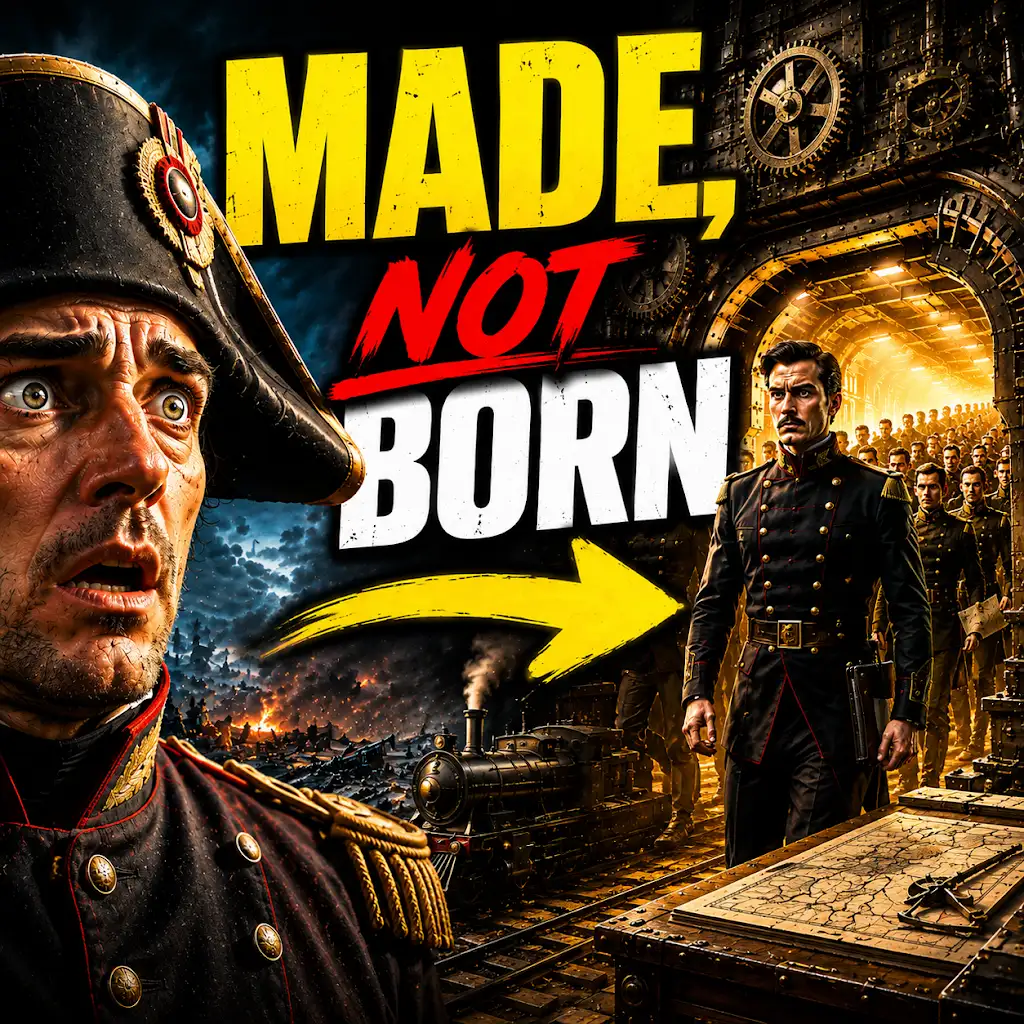
The Military Machine That Didn’t Need a Napoleon
FAQs
1. What was the German mobilization during the Franco-Prussian War?
During the Franco-Prussian War, the German mobilization involved the rapid deployment and organization of the German military forces in preparation for the conflict with France. This mobilization included the activation of reserve units, the transportation of troops and supplies, and the coordination of military operations.
2. How did the German mobilization contribute to the outcome of the war?
The German mobilization played a crucial role in the outcome of the Franco-Prussian War. It allowed the German forces to quickly assemble and launch offensives against the French army, gaining strategic advantages and ultimately leading to the defeat of France.
3. What were the key components of the German mobilization strategy?
The key components of the German mobilization strategy included the efficient use of railways for troop and equipment transport, the activation of reserve units to bolster the regular army, and the centralized command and control of military operations under the leadership of Otto von Bismarck and Helmuth von Moltke.
4. How long did the German mobilization take during the Franco-Prussian War?
The German mobilization during the Franco-Prussian War was remarkably swift, taking only a matter of weeks to fully deploy and organize the military forces for the conflict. This rapid mobilization allowed the German forces to seize the initiative and maintain momentum against the French army.
5. What impact did the German mobilization have on future military strategies and tactics?
The success of the German mobilization during the Franco-Prussian War had a lasting impact on future military strategies and tactics. It demonstrated the importance of efficient mobilization and rapid deployment in modern warfare, influencing the development of military doctrines and the use of railways for strategic mobility in subsequent conflicts.