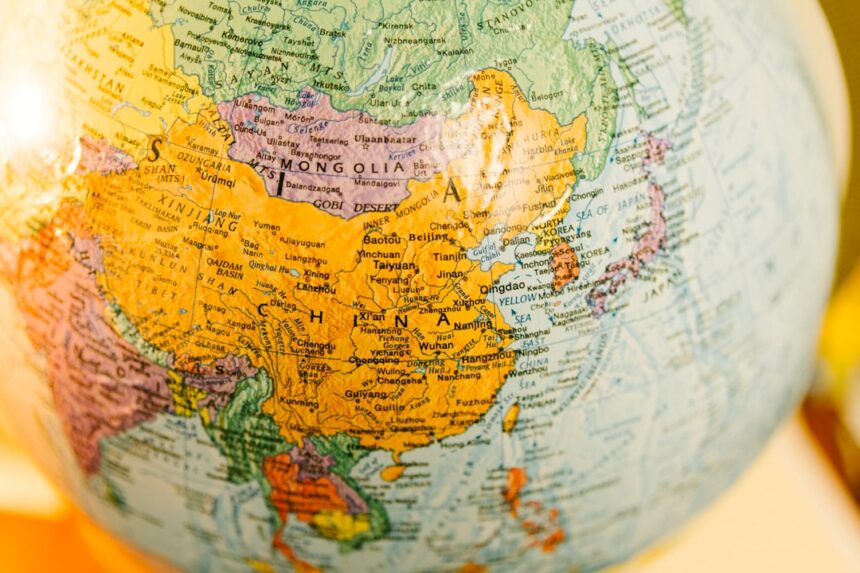
Geopolitical chokepoints are critical junctures in the global supply chain, where the flow of goods, particularly energy resources, can be significantly influenced by political, economic, and military factors. These narrow passages, whether they are straits, canals, or narrow land corridors, serve as vital arteries for international trade and energy transportation. The strategic importance of these locations cannot be overstated, as they often dictate the terms of access and control over essential resources.
The dynamics surrounding these chokepoints are shaped by a complex interplay of national interests, regional stability, and global economic trends. Understanding the significance of geopolitical chokepoints requires an appreciation of their historical context and contemporary relevance. Throughout history, control over these critical passages has often led to conflicts and power shifts among nations.
In the modern era, as globalization intensifies and energy demands escalate, the stakes associated with these chokepoints have risen dramatically. Nations are increasingly aware that their economic security is intertwined with the stability of these strategic locations, making them focal points for both cooperation and contention on the global stage.
Key Takeaways
- Geopolitical chokepoints are critical narrow passages that significantly influence global energy supply and security.
- Disruptions at major chokepoints like the Strait of Hormuz can cause severe volatility in global energy markets.
- Securing these chokepoints involves strategic military presence, international cooperation, and infrastructure resilience.
- Geopolitical tensions heighten vulnerabilities, making international organizations vital in managing and mitigating risks.
- The transition to renewable energy presents both challenges and opportunities for reducing dependence on traditional chokepoints.
Importance of Geopolitical Chokepoints for Global Energy Security
The role of geopolitical chokepoints in ensuring global energy security is paramount. These locations facilitate the transportation of oil, natural gas, and other energy resources from producing regions to consuming markets. For instance, the Strait of Hormuz, through which a significant portion of the world’s oil supply passes, exemplifies how a single chokepoint can influence global energy prices and availability.
Any disruption in this passage can lead to immediate repercussions in energy markets, affecting everything from consumer prices to geopolitical relations. Moreover, geopolitical chokepoints are not merely conduits for energy; they also serve as indicators of broader geopolitical stability. The security of these passages is often a reflection of the political climate in surrounding regions.
For example, tensions in the South China Sea have raised concerns about the safety of maritime routes that are crucial for energy transport. As nations vie for influence over these chokepoints, the implications extend beyond energy security to encompass national security and international relations.
Major Geopolitical Chokepoints Around the World
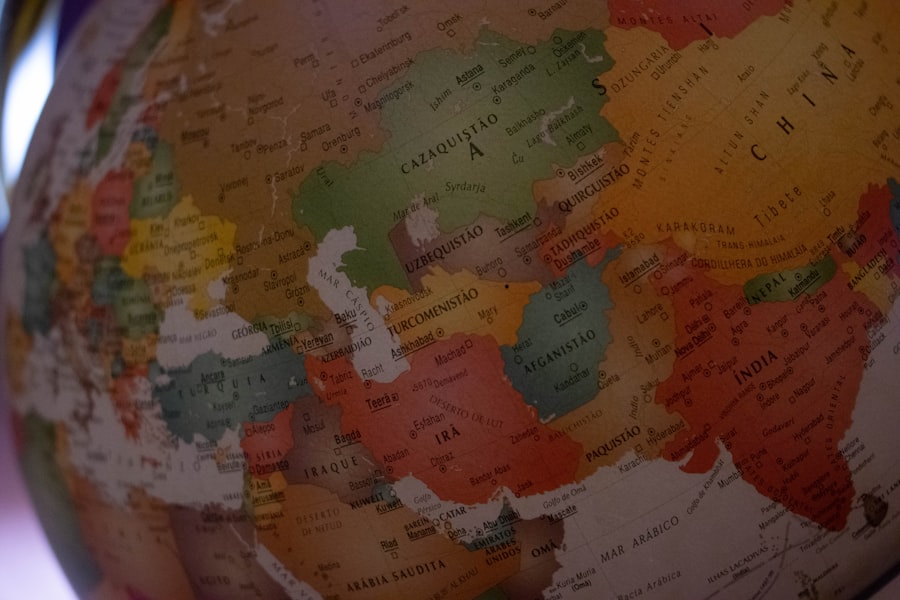
Several key chokepoints around the globe have garnered attention due to their strategic significance. The Strait of Hormuz is perhaps the most well-known, as it connects the Persian Gulf to the Arabian Sea and is a vital route for oil shipments from major producers like Saudi Arabia and Iran. The potential for conflict in this region has made it a focal point for international diplomacy and military presence.
Another critical chokepoint is the Suez Canal, which links the Mediterranean Sea to the Red Sea. This canal is essential for maritime trade between Europe and Asia, allowing ships to avoid the lengthy journey around Africa. Disruptions in this area can have far-reaching effects on global shipping routes and trade dynamics.
Impact of Geopolitical Chokepoint Disruptions on Global Energy Markets
Disruptions at geopolitical chokepoints can send shockwaves through global energy markets, leading to price volatility and supply uncertainties. When a chokepoint is threatened or closed due to conflict or political instability, countries reliant on those routes may face immediate shortages. This was evident during the 2021 blockage of the Suez Canal by the Ever Given container ship, which caused significant delays in global shipping and highlighted vulnerabilities in supply chains.
The economic ramifications of such disruptions extend beyond immediate price hikes; they can also lead to long-term shifts in energy policy and market dynamics. Countries may seek alternative routes or invest in domestic energy production to mitigate reliance on vulnerable chokepoints. This shift can alter global trade patterns and influence geopolitical alliances as nations adapt to changing circumstances in energy supply chains.
Strategies for Securing Geopolitical Chokepoints
| Chokepoint | Location | Type of Energy Transported | Daily Volume (Million Barrels per Day) | Percentage of Global Oil Supply | Strategic Importance | Key Risks |
|---|---|---|---|---|---|---|
| Strait of Hormuz | Between Oman and Iran | Crude Oil and Liquefied Natural Gas (LNG) | 21 | Approximately 20% | Critical for Middle East oil exports to global markets | Geopolitical tensions, military conflicts, piracy |
| Strait of Malacca | Between Malaysia and Indonesia | Crude Oil, Refined Petroleum Products | 16.5 | About 15% | Key route for oil from Middle East to East Asia | Piracy, territorial disputes, congestion |
| Bab el-Mandeb | Between Yemen and Djibouti | Crude Oil and Petroleum Products | 4.8 | Approximately 5% | Connects Red Sea to Gulf of Aden and Suez Canal | Regional conflicts, terrorism, piracy |
| Panama Canal | Panama | Refined Petroleum Products, LNG | 1.0 | Less than 1% | Shortcut between Atlantic and Pacific Oceans | Infrastructure limitations, natural disasters |
| Turkish Straits (Bosporus and Dardanelles) | Turkey | Crude Oil and Petroleum Products | 2.5 | Approximately 2% | Exports from Black Sea oil and gas fields | Political instability, maritime accidents |
To safeguard geopolitical chokepoints, nations employ a variety of strategies aimed at enhancing security and ensuring uninterrupted access to vital resources. Diplomatic efforts often play a crucial role in fostering cooperation among nations that share interests in these strategic locations. Multilateral agreements can help establish norms and protocols for navigation and resource management, reducing the likelihood of conflict.
In addition to diplomacy, military presence is another common strategy for securing chokepoints. Nations may deploy naval forces or establish bases near critical passages to deter potential threats and ensure freedom of navigation. This military posture can serve as both a protective measure and a signal of commitment to maintaining stability in regions where geopolitical tensions are prevalent.
Geopolitical Tensions and Chokepoint Vulnerabilities
Geopolitical tensions often exacerbate vulnerabilities associated with chokepoints, creating an environment ripe for conflict. Rivalries between nations can lead to increased military posturing around these strategic locations, raising the risk of miscalculations that could escalate into broader confrontations. For instance, ongoing disputes in the South China Sea have heightened concerns about freedom of navigation in this vital maritime corridor.
Furthermore, non-state actors such as terrorist organizations can exploit vulnerabilities at chokepoints to disrupt energy flows and create instability. Attacks on oil tankers or infrastructure near these passages can have immediate consequences for global markets and national security. As such, addressing these vulnerabilities requires a multifaceted approach that encompasses both military readiness and diplomatic engagement.
Role of International Organizations in Managing Geopolitical Chokepoints
International organizations play a pivotal role in managing geopolitical chokepoints by facilitating dialogue and cooperation among nations. Institutions such as the United Nations (UN) and regional bodies like the Association of Southeast Asian Nations (ASEAN) provide platforms for addressing disputes and fostering collaboration on issues related to maritime security and resource management. These organizations can also help establish frameworks for conflict resolution that prioritize peaceful negotiations over military confrontations.
By promoting shared interests and mutual benefits among nations that rely on chokepoints for trade and energy transport, international organizations contribute to a more stable geopolitical environment.
Future Challenges and Opportunities for Geopolitical Chokepoints
As global dynamics continue to evolve, geopolitical chokepoints will face new challenges and opportunities. The rise of emerging economies and shifting energy demands may alter traditional patterns of trade and influence over these strategic locations. Additionally, advancements in technology could lead to new methods of transportation that bypass existing chokepoints altogether.
However, these changes also present opportunities for collaboration among nations seeking to adapt to a rapidly changing landscape.
Environmental and Humanitarian Concerns Related to Geopolitical Chokepoints
The strategic significance of geopolitical chokepoints is often accompanied by environmental and humanitarian concerns that must be addressed. The transportation of energy resources through these narrow passages poses risks to marine ecosystems and coastal communities. Oil spills or accidents involving large vessels can have devastating consequences for local environments and economies.
Moreover, geopolitical tensions surrounding chokepoints can lead to humanitarian crises as conflicts disrupt livelihoods and displace populations. Addressing these concerns requires a holistic approach that considers not only security but also environmental sustainability and human rights.
Geopolitical Chokepoints and the Transition to Renewable Energy
The transition to renewable energy sources presents both challenges and opportunities for geopolitical chokepoints. As countries seek to reduce their reliance on fossil fuels, the demand for traditional energy routes may diminish over time. However, this transition also necessitates new infrastructure for transporting renewable energy resources such as wind or solar power.
Investing in innovative technologies that facilitate renewable energy transport could reshape the significance of existing chokepoints while creating new opportunities for collaboration among nations committed to sustainable development.
The Continued Significance of Geopolitical Chokepoints for Global Energy Security
In conclusion, geopolitical chokepoints remain integral to global energy security despite evolving dynamics in international relations and energy consumption patterns. Their strategic importance underscores the need for continued vigilance in safeguarding these critical passages against disruptions while fostering cooperation among nations that share interests in maintaining stability. As the world navigates an increasingly complex geopolitical landscape marked by emerging challenges and opportunities, understanding the significance of these chokepoints will be essential for ensuring a secure and sustainable energy future.
The interplay between geopolitics, economics, environmental concerns, and technological advancements will shape how nations approach their relationships with these vital corridors in the years ahead.
Geopolitical chokepoints play a crucial role in global energy security, as they are strategic locations that can significantly impact the flow of oil and gas supplies. For a deeper understanding of how these chokepoints influence international relations and energy markets, you can read a related article on this topic at In the War Room. This resource provides valuable insights into the complexities of energy security and the geopolitical dynamics at play.
FAQs
What are geopolitical chokepoints in the context of global energy security?
Geopolitical chokepoints are narrow passages or strategic locations through which a significant portion of the world’s energy supplies, such as oil and natural gas, must pass. These chokepoints are critical for global energy security because any disruption—due to political conflict, military action, or natural disasters—can significantly impact energy supply and prices worldwide.
Why are geopolitical chokepoints important for global energy security?
Geopolitical chokepoints are vital because they serve as transit routes for a large percentage of global energy trade. Control or disruption of these chokepoints can affect the availability and cost of energy resources, influencing global markets and national economies. Ensuring the security and stability of these routes is essential to maintaining uninterrupted energy supplies.
What are some of the major geopolitical chokepoints for global energy?
Some of the most significant geopolitical chokepoints include the Strait of Hormuz, the Suez Canal, the Bab el-Mandeb Strait, the Malacca Strait, and the Turkish Straits. These locations are key transit points for oil and natural gas shipments between producing regions and consumer markets.
How can geopolitical tensions affect energy chokepoints?
Geopolitical tensions, such as conflicts between countries, territorial disputes, or sanctions, can lead to blockades, attacks, or restrictions on passage through chokepoints. Such disruptions can reduce the flow of energy supplies, cause price volatility, and create uncertainty in global energy markets.
What measures are taken to secure geopolitical chokepoints?
Measures to secure chokepoints include international naval patrols, diplomatic efforts to resolve conflicts, investment in alternative energy routes and infrastructure, and strategic petroleum reserves. Countries and international organizations work together to ensure safe passage and reduce the risk of supply disruptions.
Are there alternatives to using geopolitical chokepoints for energy transport?
Yes, alternatives include building pipelines that bypass chokepoints, developing new shipping routes (such as the Northern Sea Route), increasing energy production closer to demand centers, and diversifying energy sources to reduce dependence on vulnerable transit points.
How does the vulnerability of chokepoints impact global energy markets?
The vulnerability of chokepoints can lead to supply uncertainties, which often result in increased energy prices and market volatility. Traders and governments monitor these risks closely, as any potential disruption can have immediate and widespread economic consequences.
Can climate change influence geopolitical chokepoints and energy security?
Yes, climate change can affect chokepoints by altering shipping routes (e.g., melting Arctic ice opening new passages), increasing the frequency of extreme weather events that disrupt transport, and impacting the geopolitical stability of regions surrounding chokepoints. These changes may create new challenges and opportunities for global energy security.