The flow of materiel to General Khalifa Haftar’s Libyan Arab Armed Forces (LAAF) has been a critical, albeit often opaque, element in the prolonged conflict plaguing Libya. Examining the supply routes employed by the LAAF, particularly in relation to the Rapid Support Forces (RSF) in Sudan, reveals a complex network of overland and maritime passages, facilitated by a constellation of state and non-state actors. Understanding these logistical arteries is crucial for comprehending the LAAF’s capacity to sustain its military operations and its international entanglements.
Egypt’s prominent role as a neighbor and a vocal supporter of General Haftar has naturally positioned it as a primary conduit for supplies. The shared border between Libya and Egypt provides a direct overland route, though the vast desert terrain presents logistical challenges.
Direct Overland Convoys
For years, Egypt has been implicated in facilitating the movement of military equipment, vehicles, and personnel across its border to LAAF-controlled territories, primarily in the eastern and southern regions of Libya. These convoys, often reported to be significant in scale, have traversed designated crossing points, though the precise nature and frequency are highly classified. The type of materiel has ranged from small arms and ammunition to more sophisticated weaponry, and crucially, fuel and logistical support essential for prolonged military campaigns. The Egyptian government has generally denied direct involvement in such activities, categorizing any assistance as non-lethal or humanitarian. However, numerous reports from international bodies and open-source intelligence have consistently pointed to the presence of Egyptian-made or Egyptian-transited military goods within LAAF arsenals.
Air Cargo and Airfield Utilization
Beyond overland routes, Egypt has also been suspected of facilitating air transit. While not as overt as ground convoys, the use of Egyptian airfields for the transit of LAAF-bound supplies, including potentially sensitive items, cannot be entirely discounted. The proximity of such airfields to Libyan airspace makes this a theoretically viable, albeit politically sensitive, option for discrete resupply operations. Monitoring flight data and open-source intelligence regarding unusual air traffic patterns remains a key challenge in verifying this aspect of the supply chain.
Diplomatic and Political Cover
Egypt’s unwavering political and diplomatic support for General Haftar’s faction has also served as a form of indirect supply. This support has manifested in international forums, where Egypt has often advocated for the LAAF’s legitimacy and opposed international interventions that could hinder its operations. This diplomatic cover, while not tangible goods, is crucial in creating an environment where LAAF’s access to international markets for arms and materiel is less scrutinized and more easily facilitated through third parties.
Recent developments in Libya have drawn attention to General Khalifa Haftar and his connections with the Rapid Support Forces (RSF) regarding supply routes crucial for military operations. An insightful article that delves into this complex relationship and its implications for the ongoing conflict in Libya can be found at In The War Room. This piece explores the strategic maneuvers of Haftar and the RSF, shedding light on how these alliances shape the power dynamics in the region.
The Southern Arteries: Sudan and the RSF Nexus
The deepening relationship between General Haftar and the Sudanese Rapid Support Forces (RSF), under the command of Mohamed Hamdan Dagalo, known as Hemedti, has introduced a significant new dimension to LAAF’s supply network. Sudan, particularly its western regions bordering Libya, has become a critical transit point and an origin for certain types of materiel and personnel.
Overland Movement Through Darfur and Kordofan
The porous borders between Sudan and Libya, especially in the vast and sparsely populated desert stretches, provide ample opportunities for clandestine overland movement. The RSF, deeply entrenched in western Sudan, has historically been involved in smuggling and controlling trade routes, including those for arms. Reports suggest that RSF elements have actively facilitated the passage of LAAF-bound supplies, originating from or transiting through Sudanese territory. This includes weapons, ammunition, and crucially, the movement of fighters. The RSF’s operational experience in similar terrain, coupled with its control over significant swathes of territory, makes it a formidable, albeit illicit, logistical partner. The material flowing through this route often bypasses formal customs and international monitoring.
Role of RSF in Direct Supply
The RSF’s direct involvement in supplying the LAAF is a significant concern. It is understood that the RSF has provided not only logistical support but also direct military assistance. This can include sharing intelligence on terrain, facilitating the movement of fighters, and potentially even supplying weapons and ammunition sourced through their own complex networks, which are themselves often tied to various regional and international illicit arms markets. The RSF’s involvement is not merely transactional; it is rooted in a shared interest in regional stability, as perceived by both leaderships, and a mutual distrust of opposing political factions in both countries.
Mobilization and Transit of Fighters
Beyond materiel, Sudan has also served as a crucial transit point for fighters being mobilized to support the LAAF. This includes members of the RSF, as well as other elements operating within Sudan. These fighters then traverse the desert to join LAAF ranks, effectively augmenting Haftar’s forces without necessarily requiring direct arm shipments for every new combatant. The facilitation of this human traffic is a vital component of the overall supply strategy, ensuring a constant stream of personnel to the front lines.
The Maritime Connection: Eastern Mediterranean and North African Ports
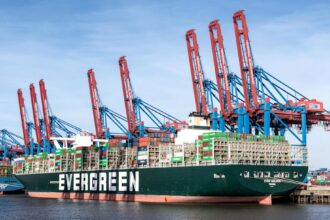
While overland routes are primary, maritime supply remains a vital component, particularly for heavier equipment and larger quantities of materiel. The LAAF’s access to Libyan ports, and the tacit or overt support of certain external actors, allows for a sea-borne dimension to its logistics.
Pre- to Post-2011 Arms Embargo Loopholes
The historical background of arms embargoes on Libya has always necessitated a degree of ingenuity in arms procurement and transit. Even with existing international restrictions, the LAAF has managed to acquire materiel through various supply chains that often circumvent official channels. This can involve the use of shell companies, transshipment points, and vessels registered in jurisdictions with lax oversight. The nature of the global shipping industry, with its vast network of independent operators and cargo movements, creates opportunities for illicit actors to exploit.
Discreet Arrivals at Libyan Ports
Libyan ports under LAAF control, or those frequented by vessels sympathetic to its cause, have been implicated as destinations for arms shipments. These shipments can originate from various locations, often brokered by third-party facilitators. The lack of consistent, internationally recognized port control across Libya, coupled with the ongoing conflict, makes robust maritime interdiction exceptionally difficult. The specific types of vessels involved, the origin countries of the cargo, and the individuals or entities facilitating these shipments are often shrouded in secrecy, requiring extensive intelligence gathering to unravel.
Potential Involvement of External Naval Presence
While challenging to verify definitively, the possibility of external naval assets providing “silent” support or deterring interdiction efforts cannot be entirely dismissed. Proximate naval presences, whether on routine patrols or specific assignments, could indirectly contribute to the security of LAAF-bound maritime shipments. However, explicit evidence of direct naval escort or protection remains scarce and largely speculative in the public domain.
The Role of External State and Non-State Actors

The sustainability of General Haftar’s military operations relies heavily on a network of external state and non-state actors who provide logistical support, funding, and political backing. The RSF’s involvement is a prime example of a non-state actor playing a critical role, but other entities are also implicated.
State-Sponsored Assistance (Overt and Covert)
Several states have been credibly accused of providing direct or indirect military support to the LAAF. This support can range from the provision of weapons systems and ammunition to training and logistical expertise. The nature of this assistance is often classified or denied by the supplying states, making definitive attribution a constant challenge. The flow of arms and equipment from certain regional powers has been consistently reported, often through complex channels that obscure the ultimate source.
Private Military Companies and Mercenaries
The employment of private military companies (PMCs) and foreign mercenaries by the LAAF has also contributed to its logistical needs. These groups often bring their own equipment, training, and operational expertise, effectively acting as a force multiplier. Furthermore, their presence can necessitate the provision of specialized logistical support tailored to their operational requirements, adding another layer to the LAAF’s supply chain. Their involvement often blurs the lines between state-sponsored support and private enterprise, making accountability and transparency even more challenging.
Transnational Criminal Networks
The overlap between arms trafficking and other transnational criminal activities presents another avenue for LAAF resupply. Networks involved in the trafficking of drugs, resources, and people can also facilitate the movement of weapons and military equipment, leveraging established routes and contacts. These networks operate with a degree of anonymity that makes them difficult for authorities to penetrate and disrupt. Their involvement is often driven by profit motives and a willingness to engage with various factions, further complicating the picture of who is supplying whom.
Recent developments in Libya have drawn attention to General Khalifa Haftar’s strategic maneuvers, particularly regarding the supply routes utilized by the Rapid Support Forces (RSF). An insightful article explores the implications of these routes on the ongoing conflict and the broader geopolitical landscape in the region. For a deeper understanding of this complex situation, you can read more about it in this related article. The dynamics between Haftar and the RSF continue to shape the future of Libya, highlighting the intricate web of alliances and rivalries that define the country’s current state.
Challenges in Monitoring and Interdiction
| Metrics | Data |
|---|---|
| Supply Route | Libya RSF |
| General | Khalifa Haftar |
The complex and clandestine nature of General Haftar’s LAAF supply routes presents formidable challenges for international monitoring and interdiction efforts. The vastness of the Libyan and Sudanese territories, the porosity of borders, and the sophisticated methods employed by supply facilitators create a difficult environment for effective oversight.
Geographic Disadvantage and Vast Terrains
The sheer scale of the desert landscapes in both Libya and Sudan, coupled with limited infrastructure and sparse populations, makes comprehensive monitoring virtually impossible. Overland convoys can traverse vast distances with relative impunity, exploiting routes that are difficult to access and surveil. The lack of effective government control in many of these border regions further exacerbates the problem, allowing illicit actors to operate with a greater degree of freedom.
Sophisticated Evasion Tactics
Those involved in facilitating the LAAF’s supply routes have become adept at evading detection. This includes utilizing multiple transshipment points, employing false documentation, disguising cargo, and leveraging maritime loopholes. The deliberate obfuscation of the origin and destination of materiel, along with the use of intermediaries, makes tracing the flow of supplies an exceptionally intricate intelligence challenge. Discerning legitimate commercial shipping from illicit arms transfers requires advanced analysis of vessel movements, cargo manifests, and financial transactions.
The Paradox of International Intervention
While international efforts to monitor arms flows exist, their effectiveness in the Libyan context has been hampered by political divisions and the sheer difficulty of implementation on the ground. The absence of a unified and effective international presence capable of robustly enforcing embargoes and interdicting illicit shipments across vast territorial expanses allows these supply routes to persist. The competing interests of various international actors further complicate any unified approach to supply chain disruption. Ultimately, the successful interdiction of these routes requires a synchronized and sustained effort, which has thus far proven elusive.
FAQs
Who is General Khalifa Haftar?
General Khalifa Haftar is a Libyan military officer and the commander of the Libyan National Army (LNA). He has been a prominent figure in Libyan politics and military affairs since the overthrow of Muammar Gaddafi in 2011.
What is the RSF supply route in Libya?
The RSF supply route in Libya refers to the route used by the Russian-backed Wagner Group, also known as the Russian-Syrian Joint Military Operation, to supply military equipment and personnel to support General Khalifa Haftar’s forces in their conflict against the UN-recognized Government of National Accord (GNA).
What is the significance of the RSF supply route in Libya?
The RSF supply route in Libya is significant because it highlights the involvement of external actors, such as Russia, in the ongoing conflict in Libya. The supply route has raised concerns about the escalation of the conflict and the impact on the stability of the region.
How has the RSF supply route impacted the conflict in Libya?
The RSF supply route has impacted the conflict in Libya by providing General Khalifa Haftar’s forces with military support, including weapons, equipment, and personnel. This has contributed to the intensification of the conflict and the prolongation of the political and military crisis in the country.
What are the implications of the RSF supply route for the future of Libya?
The implications of the RSF supply route for the future of Libya are complex and multifaceted. The involvement of external actors, such as Russia, in the conflict has the potential to further destabilize the region and hinder efforts to achieve a peaceful resolution. It also raises questions about the influence of foreign powers in shaping the future of Libya.