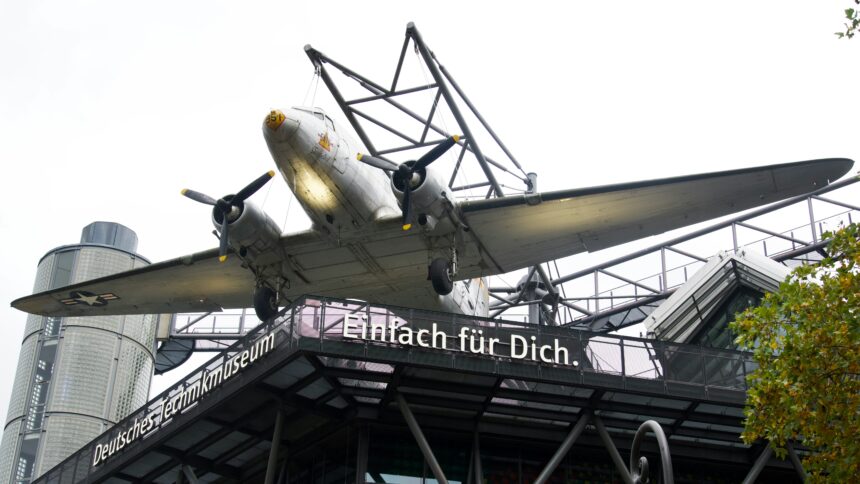
The tarmac of Gatow Airport, once a vital artery of hope, now stands as a silent testament to a remarkable feat of human resilience and logistical genius. For nearly a year, this humble airstrip, nestled in the heart of West Berlin, was a beacon in the darkness, a lifeline for millions cut off by the Iron Curtain. The Berlin Airlift, a monumental undertaking that began in June 1948, saw Allied aircraft ferry an unending stream of essential supplies into the besieged city, and Gatow played a pivotal role in this extraordinary operation. Today, the spirit of the Airlift is palpable at the Gatow Airfield Museum, where history breathes and the sacrifices of those involved are honored.
The post-World War II division of Germany, a fragile peace built on uneasy alliances, fractured dramatically in 1948. The Soviet Union, seeking to consolidate its influence and prevent the Western Allies from establishing a unified West German state, initiated a complete blockade of West Berlin. This act of defiance, born from escalating Cold War tensions, effectively severed all land and water routes into the Western sectors of the divided city. For the over two million inhabitants of West Berlin, this meant an impending catastrophe. Food, fuel, medicine – the very necessities of life – were cut off, plunging the city into a dire humanitarian crisis. The Soviet Union, believing the Western powers would eventually capitulate, underestimated the resolve of the Allied nations and the indomitable spirit of the Berliners themselves.
The Ideological Divide: West Berlin as a Symbol
West Berlin, a democratic enclave surrounded by Soviet-controlled East Germany, quickly became a potent symbol of freedom and resistance. Its existence was a constant thorn in the side of the Soviet Union, a visual representation of Western influence in their sphere of control. The blockade was, therefore, not merely a strategic maneuver but a calculated attempt to force the Western powers out of Berlin and, by extension, to undermine their credibility and commitment to West Germany. The fate of West Berlin was seen as a bellwether for the future of Europe, and the world watched with bated breath as the crisis unfolded. The Allied response would determine whether democracy would stand firm against communist expansionism.
The Ultimatum and the Allies’ Dilemma
The blockade presented the Western Allies – the United States, Great Britain, and France – with a stark dilemma. On one hand, they could abandon West Berlin, a move that would be perceived as a humiliating defeat and a betrayal of its citizens. This would embolden the Soviet Union and potentially lead to further aggression. On the other hand, attempting to break the blockade by force would risk escalating the situation into a full-blown military conflict, a prospect that no one wished to entertain in the shadow of the recently concluded World War. The situation demanded an innovative and unconventional solution, one that would bypass the Soviet blockade without triggering armed confrontation.
The Berlin Airlift, a pivotal event in the early Cold War, showcased the resilience and determination of the Allied forces in their efforts to support West Berlin amidst Soviet blockades. For a deeper understanding of the geopolitical implications and the logistics involved in this monumental operation, you can explore a related article on this topic at In The War Room. This resource provides valuable insights into the strategies employed during the airlift and its lasting impact on international relations.
Operation Vittles: The Dawn of the Airlift
In the face of an untenable situation, a bold and audacious plan began to take shape: the Berlin Airlift, codenamed “Operation Vittles” by the Americans and “Operation Plainfare” by the British. The concept was simple, yet the execution was a Herculean task. Allied aircraft would fly into West Berlin, delivering essential supplies around the clock, effectively creating an aerial lifeline. The initial projections were grim, with many doubting the feasibility and sustainability of such an immense operation. However, the spirit of defiance and the unwavering commitment to the people of Berlin fueled the determination of those involved. Gatow Airport, alongside Tempelhof and Tegel, became the designated landing sites, crucial hubs in this unprecedented logistical endeavor.
The American Initiative: A Race Against Time
The United States, under President Truman, took the lead in conceptualizing and initiating the Airlift. The sheer scale of the operation required an immense mobilization of resources, aircraft, and personnel. The initial weeks were characterized by intense planning and improvisation as the logistical challenges were addressed. The need for specialized aircraft capable of carrying heavy loads, the establishment of efficient flight paths, and the coordination of air traffic control in a highly restricted airspace were just some of the hurdles that had to be overcome. The moral and political stakes were incredibly high, and the success of the Airlift was seen as crucial for the credibility of the United States on the global stage.
British Contribution: A Vital Partnership
The British Royal Air Force (RAF) played an equally critical role in the Berlin Airlift. They not only contributed a significant number of aircraft but also brought invaluable experience in air transport and logistics. The RAF’s participation was essential for the sustained success of the operation, ensuring a continuous flow of supplies. The close cooperation between American and British forces was a hallmark of the Airlift, demonstrating the power of international collaboration in the face of adversity. The shared commitment to the freedom of Berlin forged a strong bond between the two nations.
The Specter of Failure: Early Doubts and Criticisms
Despite the unwavering resolve of the Allies, the early days of the Airlift were fraught with doubt and criticism. Many questioned whether it was even possible to sustain a city of over two million people through air transport alone. Skeptics pointed to the immense logistical challenges, the potential for accidents in such a high-volume air traffic environment, and the sheer cost of the operation. The Soviet Union, confident in the eventual failure of the Airlift, continued to broadcast propaganda aimed at demoralizing the Berliners and pressuring the Allies to concede. However, these doubts were gradually silenced by the relentless efficiency and unwavering dedication of the men and women who made the Airlift a reality.
Gatow’s Pivotal Role: The Western Gateway

Gatow Airport, located in the British sector of Berlin, served as a critical Western gateway for the Airlift. Its strategic position and existing infrastructure made it an ideal landing site for a significant portion of the incoming flights. The airport witnessed an almost unimaginable volume of air traffic, with planes landing and taking off at remarkably short intervals. The efficiency of Gatow’s operations was crucial to the overall success of the Airlift, ensuring that the vital supplies reached their destination with minimal delay.
The Aircraft of Hope: Workhorses of the Sky
The skies over Berlin were filled with a diverse array of aircraft, each playing a vital role in the Airlift. American C-47 Skytrains and C-54 Skymasters, along with British Dakotas and Yorks, were the workhorses of the operation. These sturdy aircraft, often carrying tons of coal, flour, or other essential goods, became symbols of hope for the beleaguered citizens. The pilots and aircrews, operating under immense pressure and often in challenging weather conditions, demonstrated extraordinary skill and bravery. The hum of their engines became a constant soundtrack to the resilience of Berlin.
The Ground Crew: The Unsung Heroes
While the pilots are often celebrated, the success of the Berlin Airlift would have been impossible without the tireless efforts of the ground crews. At Gatow, as at other airfields, these dedicated individuals worked around the clock, unloading aircraft, refueling planes, and performing essential maintenance. Their efficiency and dedication ensured that planes spent as little time on the ground as possible, maximizing the number of flights that could be completed. These unsung heroes, often working in harsh conditions, were the backbone of the entire operation.
The Sound of Freedom: The Constant Drone of Engines
For the people of West Berlin, the constant drone of aircraft engines became a familiar and comforting sound. It was the sound of supplies arriving, of hope being sustained, and of defiance against oppression. At Gatow, this symphony of engines was particularly pronounced, a constant reminder of the lifeline that connected them to the outside world. The sight of planes, no matter how large or small, was a tangible sign that they were not forgotten and that the world had not abandoned them.
The Human Element: Faces of the Airlift

Beyond the impressive statistics and logistical feats, the Berlin Airlift was an intensely human story. It involved the courage of pilots, the dedication of ground crews, the resilience of Berliners, and the unwavering commitment of political leaders. The human element is what truly defines the legacy of the Airlift, transforming it from a mere historical event into an enduring symbol of compassion and cooperation.
The “Candy Bombers”: A Sweet Gesture of Kindness
One of the most heartwarming aspects of the Berlin Airlift was the emergence of the “Candy Bombers.” American pilots, touched by the sight of children waving at their planes, began dropping small packages of candy attached to tiny parachutes. This simple act of kindness, originating from pilots like Gail Halvorsen, had a profound impact on the morale of the children and the entire city. It transformed the grim reality of the blockade into moments of joy and wonder, cementing the bond between the Allied pilots and the Berliners.
The Berliner Spirit: Resilience in the Face of Adversity
The people of West Berlin, despite enduring severe hardship, displayed remarkable courage and resilience throughout the blockade. They rationed food, endured cold winters fueled by meager supplies, and faced the constant threat of Soviet pressure. Yet, they never wavered in their commitment to freedom. Their unwavering spirit inspired the Allied forces and demonstrated the power of a united community in the face of adversity. The Airlift was not just about delivering supplies; it was about supporting the will of a people to remain free.
The Loss and Sacrifice: A Heavy Toll
While the Berlin Airlift is largely remembered for its success, it is important to acknowledge the sacrifices made. Numerous aircraft were lost in accidents, and aircrews perished in the line of duty. These tragic losses served as a stark reminder of the dangers involved in the operation. The Gatow Airfield Museum often features exhibits dedicated to these fallen heroes, ensuring that their bravery and sacrifice are never forgotten. The Airlift was a testament to the human cost of freedom.
The Berlin Airlift, a pivotal event during the Cold War, showcased the resilience and determination of the Allied forces in response to the Soviet blockade of West Berlin. This operation not only highlighted the strategic importance of air logistics but also set the stage for future military and humanitarian efforts. For a deeper understanding of the geopolitical implications of the airlift, you can read a related article that discusses its impact on international relations and military strategy. To explore this further, check out this insightful piece on the Berlin Airlift.
The Legacy of Gatow and the Airlift: Lessons for Today
| Location | Operation Start Date | Operation End Date | Total Airlift Flights | Total Tons of Supplies |
|---|---|---|---|---|
| Gatow, Berlin | June 26, 1948 | September 30, 1949 | 277,569 | 2.3 million |
The Berlin Airlift concluded on May 12, 1949, after the Soviet Union lifted the blockade. The operation had delivered over 2.3 million tons of supplies, proving that determined action and ingenuity could overcome seemingly insurmountable obstacles. The legacy of Gatow and the Airlift extends far beyond the immediate humanitarian crisis; it offers profound lessons that remain relevant in the modern world.
A Symbol of Freedom and Resistance
The Berlin Airlift stands as an enduring symbol of freedom and resistance against oppression. It demonstrated that democratic values could be defended and that the international community could unite to support those facing tyranny. The courage of the Allies and the resilience of the Berliners became an inspiration for people around the world. Gatow, as a key site of this remarkable undertaking, embodies this legacy.
The Power of Logistics and Cooperation
The sheer scale and success of the Berlin Airlift highlighted the incredible power of modern logistics and international cooperation. It proved that with meticulous planning, efficient execution, and a shared commitment, even the most ambitious challenges could be met. The collaboration between the United States and Great Britain, in particular, set a precedent for future joint operations. The lessons learned in logistical planning at Gatow and other airfields continue to inform modern military and humanitarian operations.
The Enduring Spirit of the “Rosinenbomber”
The spirit of the Berlin Airlift, embodied by the “Candy Bombers” and the unwavering resolve of all involved, continues to resonate. The Gatow Airfield Museum stands as a guardian of this memory, preserving the artifacts, stories, and spirit of this historic event. It serves as a poignant reminder that even in the darkest of times, acts of kindness, courage, and international solidarity can prevail, offering hope and shaping the course of history for generations to come. The echoes of those engines, the stories of those who served, and the gratitude of those who were saved ensure that Gatow and the Berlin Airlift will never be forgotten.

How 90 Seconds Kept 2 Million People Alive
FAQs
What was the Gatow Berlin Airlift?
The Gatow Berlin Airlift was a massive humanitarian effort to supply West Berlin with food, fuel, and other necessities during the Soviet blockade of the city from 1948 to 1949.
Why was the Gatow Berlin Airlift necessary?
The Gatow Berlin Airlift was necessary because the Soviet Union had blockaded West Berlin, cutting off all land and water routes into the city. The airlift was the only way to supply the city’s residents with essential goods.
How did the Gatow Berlin Airlift work?
During the Gatow Berlin Airlift, cargo planes from the United States, United Kingdom, and other Western countries flew into West Berlin’s Gatow Airport, delivering supplies around the clock. At its peak, a plane landed in West Berlin every 30 seconds.
What was the outcome of the Gatow Berlin Airlift?
The Gatow Berlin Airlift was a success, as it provided West Berlin with the supplies it needed to survive the Soviet blockade. The airlift also demonstrated the resolve of the Western Allies in the face of Soviet aggression.
How is the Gatow Berlin Airlift remembered today?
The Gatow Berlin Airlift is remembered as a symbol of international cooperation and determination in the face of adversity. It is commemorated in museums, memorials, and events in Berlin and around the world.