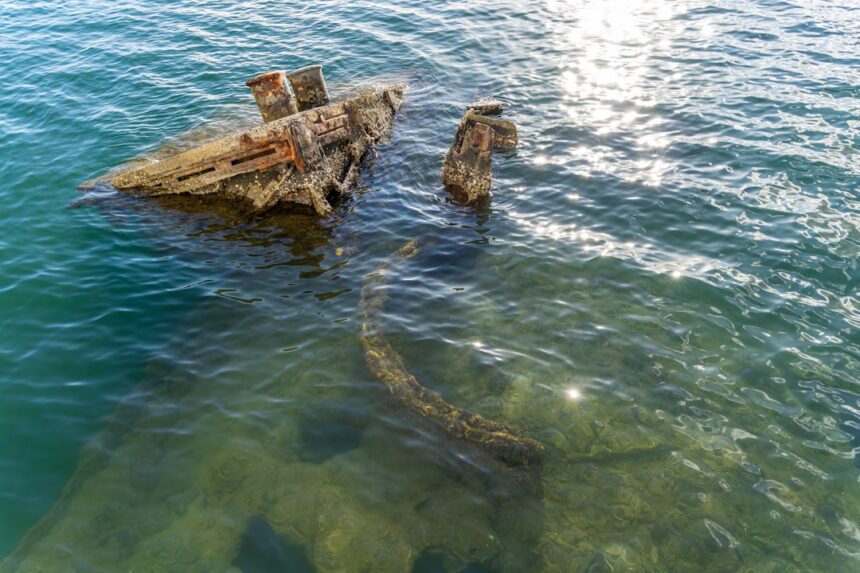
The surprise attack on Pearl Harbor on December 7, 1941, was a seismic event that irrevocably propelled the United States into World War II. This audacious strike by the Imperial Japanese Navy, intended to cripple the American Pacific Fleet and pave the way for Japanese expansion, instead galvanized a nation and ultimately set the stage for a brutal and transformative conflict in the Pacific theater. While the immediate aftermath was one of shock and loss, the events that unfolded in the subsequent months, culminating in the Battle of Midway in June 1942, represented a pivotal turning point. The immense sacrifices made and the strategic brilliance displayed transformed the war from a desperate defensive struggle into an offensive campaign that would eventually lead to Allied victory. This article will explore the trajectory from the devastation of Pearl Harbor to the decisive triumph at Midway, highlighting the key developments and the profound impact of this period on the course of the Pacific War.
The Shocking Assault on Oahu
The morning of December 7, 1941, dawned deceptively peaceful over the island of Oahu. American servicemen, many still asleep or enjoying a Sunday morning routine, were caught completely off guard as waves of Japanese aircraft descended from the skies. The objective was clear: to neutralize the U.S. Pacific Fleet anchored at Pearl Harbor. The attack was meticulously planned and executed with devastating efficiency. Torpedo bombers, dive bombers, and fighter planes struck in rapid succession, targeting battleships, cruisers, destroyers, and airfields. The iconic USS Arizona, a symbol of American naval power, became a tomb for over a thousand men when a bomb ignited its forward magazine. Other battleships, including the Oklahoma, capsized, and the Utah was heavily damaged. The airfields at Hickam, Wheeler, and Bellows were also savaged, destroying a significant portion of the U.S. Army Air Corps and Navy aircraft on the ground. The sheer surprise and the scale of the destruction left a deep scar on the American psyche.
The Cost of Surprise: Human and Material Losses
The human toll of the Pearl Harbor attack was staggering. Over 2,400 Americans lost their lives, and more than 1,100 were wounded. The destruction of naval assets was also immense. Eight U.S. Navy battleships were damaged, four of which were sunk. Numerous other vessels, including cruisers, destroyers, and auxiliary ships, were also hit. The loss of aircraft, both on the ground and in the air, further diminished American operational capacity in the Pacific. Beyond the immediate matériel and human losses, the attack represented a profound blow to American morale and a stark realization of their vulnerability. However, the Japanese had miscalculated the ultimate impact of their raid. Instead of demoralization, they inadvertently ignited a fierce resolve within the American populace.
The United States Enters the War
The day after the attack, President Franklin D. Roosevelt famously declared December 7, 1941, “a date which will live in infamy.” The United States officially declared war on Japan, marking its formal entry into World War II. The isolationist sentiment that had previously held sway in American public opinion evaporated overnight. The attack on Pearl Harbor served as a powerful catalyst, uniting the nation behind the war effort. This declaration of war also had immediate repercussions in Europe, as Germany and Italy, allies of Japan, subsequently declared war on the United States, transforming a regional conflict into a truly global conflagration. The initial months of American involvement were characterized by a desperate need to rebuild its naval strength and to understand the full extent of the threat posed by Japan’s rapid expansion across the Pacific.
The attack on Pearl Harbor on December 7, 1941, was a pivotal moment in World War II that not only galvanized American public opinion but also set the stage for the subsequent Battle of Midway. This crucial battle, fought in June 1942, marked a significant turning point in the Pacific Theater, as the United States began to gain the upper hand against Japan. For a deeper understanding of how the events at Pearl Harbor influenced the strategies and outcomes at Midway, you can read more in this related article: here.
Japan’s Blitzkrieg in the Pacific
The Greater East Asia Co-Prosperity Sphere
Following the attack on Pearl Harbor, Japan launched a series of swift and successful offensives across Southeast Asia and the Pacific. Their stated aim was to establish the “Greater East Asia Co-Prosperity Sphere,” a vision of an Asia free from Western colonial influence, dominated by Japan. In reality, this translated into a brutal occupation and the exploitation of resources and populations for Japan’s war machine. Within months of Pearl Harbor, Japanese forces had conquered the Philippines, Malaya, Singapore, the Dutch East Indies (modern-day Indonesia), Burma, and numerous Pacific islands. This rapid expansion created an immense defensive perimeter, stretching from the Aleutian Islands in the north to the Solomon Islands in the south.
The Fall of the Philippines
The campaign in the Philippines was particularly symbolic and devastating. Despite fierce resistance from American and Filipino forces, the Japanese offensive, led by General Masaharu Homma, proved overwhelming. The defenders, lacking adequate supplies and reinforcements, were eventually forced to retreat to the Bataan Peninsula. The ensuing Bataan Death March, a brutal forced transfer of over 75,000 American and Filipino prisoners of war to prison camps, became a stark testament to Japanese wartime atrocities. The fall of Corregidor Island in May 1942 marked the complete Japanese conquest of the Philippines, a significant blow to American prestige and a strategic loss in the Pacific.
Early Setbacks and the Need for a Morale Boost
The early months of the Pacific War were a period of profound crisis for the Allies. Japan’s military prowess and its rapid territorial gains created a sense of invincibility. American forces, stretched thin and recovering from the Pearl Harbor attack, struggled to mount any significant offensive actions. The loss of key territories and the overwhelming success of Japanese forces created a desperate need for a victory, a morale boost that could demonstrate that the tide could be turned. This desperate need would soon be met by a daring and audacious raid.
The Doolittle Raid: A Bold Statement
The Genesis of a Risky Operation
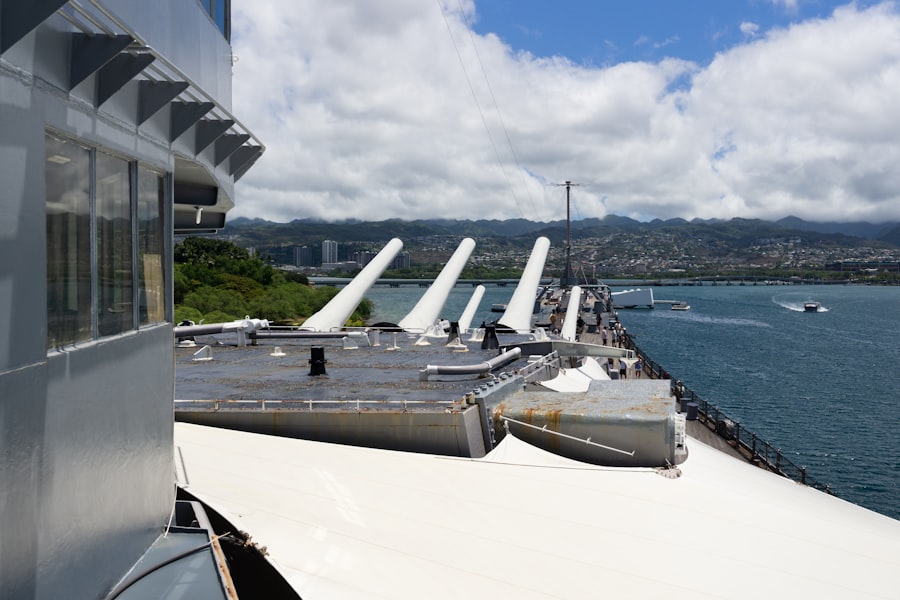
In the grim atmosphere following Pearl Harbor, a bold and seemingly impossible idea emerged: a bombing raid on the Japanese mainland. Lieutenant Colonel James H. Doolittle, a renowned aviator, championed the concept. The challenge was immense: American aircraft carrier-based bombers were not designed for land-based bombing missions with such a long range. The B-25 Mitchell bomber, however, was identified as a potential candidate. These medium bombers, usually operated from land bases, were adapted for carrier launch, a feat never before attempted in combat.
Carrier Launch and the Bombing of Tokyo
On April 18, 1942, sixteen B-25 bombers, meticulously prepared and crewed by courageous volunteers, launched from the deck of the USS Hornet, a significant distance from the Japanese coast. The launch was perilous, requiring perfect timing and skill. Once airborne, the bombers navigated towards their targets: Tokyo, Yokohama, and other Japanese cities. While the material damage inflicted was relatively minor, the psychological impact was immense. The raid demonstrated to the Japanese people that their homeland, which they believed to be impregnable, was vulnerable to attack. For the American public, it was a much-needed symbol of defiance and a glimmer of hope in a dark period.
The Aftermath and its Strategic Significance
The Doolittle Raid had profound strategic implications. It forced the Imperial Japanese Navy to divert valuable resources to bolster the defenses of the homeland, resources that could have been used for further expansion in the Pacific. More importantly, it spurred the Japanese high command to accelerate their plans for a decisive strike against the United States, believing that only by eliminating the American aircraft carrier threat could they secure their gains. This aggressive strategy, however, would ultimately lead them into a trap.
The Battle of Midway: The Naval Showdown
Yamamoto’s Grand Design: The Battle of Midway
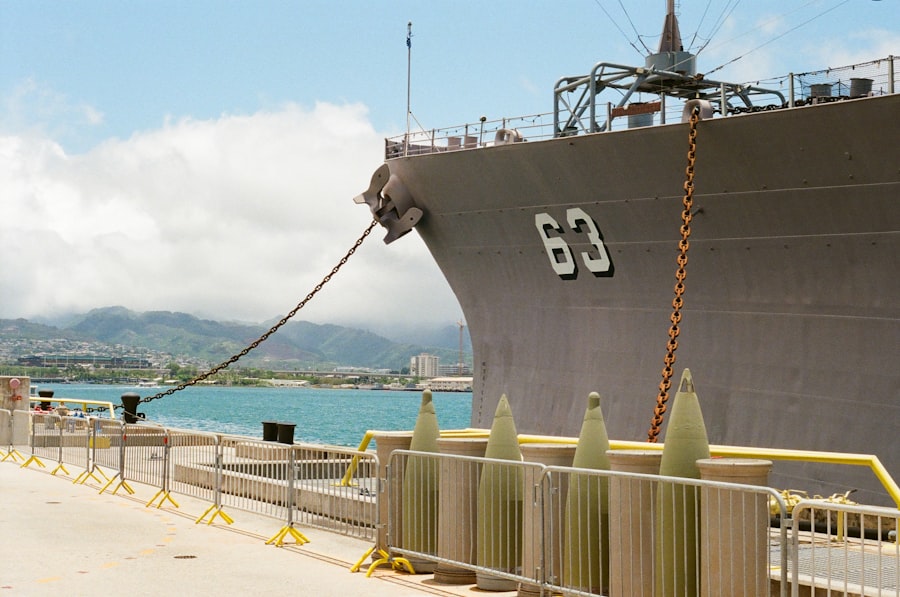
Admiral Isoroku Yamamoto, the architect of the Pearl Harbor attack, believed that a decisive naval engagement was necessary to cripple the U.S. Pacific Fleet permanently and force the United States to sue for peace. His plan centered on an invasion of Midway Atoll, a strategically important American outpost in the central Pacific. By luring the American carriers into a trap and overwhelming them with superior numbers, Yamamoto aimed to secure Japanese dominance in the Pacific for the foreseeable future. The Japanese fleet assembled for this ambitious operation was the largest ever gathered, a formidable force of four aircraft carriers, numerous battleships, cruisers, and destroyers.
Intelligence Superiority: Cracking the Japanese Code
A crucial element in the Allied victory at Midway was the unparalleled success of American codebreakers. The Joint Intelligence Agency, led by cryptanalysts like Joseph Rochefort, had been diligently working to decipher Japanese naval communications. Their breakthrough in cracking the JN-25 code provided U.S. Navy Admiral Chester Nimitz with invaluable intelligence. Nimitz learned of Yamamoto’s intentions, the target of Midway, and the approximate timing of the Japanese offensive. This foreknowledge allowed the outnumbered American fleet to prepare an ambush, positioning their carriers to intercept the Japanese attack.
The Carrier Clash: Four Carriers Lost
The Battle of Midway, fought from June 4th to June 7th, 1942, was a monumental naval clash that would forever alter the course of the Pacific War. The battle unfolded with incredible speed and ferocity. American dive bombers, launched at the opportune moment thanks to the intelligence gathered, caught the Japanese carriers at their most vulnerable – rearming and refueling their aircraft. In a series of devastating attacks, U.S. dive bombers and torpedo bombers struck the Japanese carriers Kaga, Akagi, Soryu, and Hiryu, setting them ablaze. The Japanese were caught off guard by the effectiveness of the American air assault.
The Decisive Victory and its Ramifications
The Battle of Midway was a resounding and decisive victory for the United States. The loss of four Japanese aircraft carriers, along with hundreds of experienced pilots and aircrews, was a blow from which the Imperial Japanese Navy would never fully recover. The American victory, achieved against a numerically superior enemy, was a testament to superior intelligence, effective naval strategy, and the bravery of American servicemen. Midway marked the end of Japan’s eastward expansion and the beginning of the Allied offensive in the Pacific. It was a turning point, a moment where the momentum of the war irrevocably shifted.
The attack on Pearl Harbor was a pivotal moment in World War II, igniting the United States’ entry into the conflict and setting the stage for subsequent battles in the Pacific, including the crucial Battle of Midway. This turning point not only showcased the resilience of American forces but also marked a significant shift in naval warfare strategies. For a deeper understanding of how Pearl Harbor influenced the events leading to Midway, you can read more in this insightful article on In the War Room.
The Turning Tide: From Defensive to Offensive
| Event | Impact |
|---|---|
| Pearl Harbor Attack | Devastated the US Pacific Fleet and drew the United States into World War II |
| Midway Battle | Turning point in the Pacific War, where the US Navy defeated the Japanese Navy and gained strategic advantage |
| Intelligence | Code-breaking efforts at Pearl Harbor provided crucial information for the US victory at Midway |
| Naval Strength | Recovery and rebuilding of the US Pacific Fleet after Pearl Harbor contributed to the success at Midway |
The Strategic Shift: Halting Japanese Expansion
The victory at Midway fundamentally altered the strategic landscape of the Pacific War. Prior to Midway, the United States was largely on the defensive, reacting to Japan’s relentless advances. After Midway, the initiative passed to the Allies. The Japanese expansion was halted, and the immense Japanese offensive capability was severely diminished. This allowed the United States and its allies to begin planning and executing offensive operations, slowly but surely pushing back the Japanese forces from the territories they had conquered.
The Beginning of Island Hopping
The Battle of Midway paved the way for the beginning of the Allied island-hopping campaign. This strategy involved bypassing heavily fortified Japanese positions and capturing strategically important islands, using them as stepping stones to advance towards Japan. The goal was to systematically reduce the vast Japanese defensive perimeter and to establish bases for future operations. This painstaking process, characterized by fierce fighting and heavy casualties, would define the latter stages of the Pacific War.
The Psychological Impact and Renewed Resolve
The impact of Midway extended far beyond the strategic realm. For the American public, it was a much-needed and decisive victory that fueled a sense of optimism and renewed resolve. The belief that Japan was invincible was shattered. For the Japanese, the defeat was a profound shock, a realization that their war effort had encountered a significant setback. The myth of Japanese naval invincibility was broken, and the long, arduous road to victory for the Allies began in earnest.
A Foundation for Future Victories
The lessons learned from Pearl Harbor and the strategic brilliance displayed at Midway laid the foundation for subsequent Allied victories in the Pacific. The importance of naval air power, effective intelligence gathering, and decisive naval engagements were underscored. The sacrifices made in the early, desperate days of the war, from the beaches of Pearl Harbor to the turbulent waters of the Coral Sea and the decisive skies over Midway, were not in vain. They forged a path towards victory, a testament to the resilience and determination of the Allied forces. The turning point had been reached, and the long march towards the final defeat of Imperial Japan had begun.
Japan Won Pearl Harbor—So Why Did It Lose the War?
FAQs
1. What was the significance of the attack on Pearl Harbor in relation to the Battle of Midway?
The attack on Pearl Harbor by the Japanese on December 7, 1941, led to the United States entering World War II. This event also set the stage for the Battle of Midway, as the U.S. sought to retaliate and regain control in the Pacific.
2. How did the attack on Pearl Harbor impact the U.S. military strategy in the Pacific?
The attack on Pearl Harbor forced the U.S. to reevaluate its military strategy in the Pacific. It prompted a shift in focus towards the Pacific theater and led to a determination to defeat the Japanese forces.
3. What role did intelligence play in the Battle of Midway following the attack on Pearl Harbor?
Intelligence played a crucial role in the Battle of Midway. The U.S. was able to intercept and decipher Japanese communications, allowing them to anticipate and prepare for the Japanese attack, ultimately leading to a decisive victory for the U.S.
4. How did the Battle of Midway change the course of the war in the Pacific?
The Battle of Midway marked a turning point in the Pacific theater of World War II. The U.S. victory at Midway weakened the Japanese navy and shifted the balance of power in the Pacific, ultimately leading to the eventual defeat of Japan.
5. What long-term impact did the events of Pearl Harbor and Midway have on U.S. military strategy and global geopolitics?
The events of Pearl Harbor and Midway solidified the U.S. as a major player in global geopolitics and shaped its military strategy for years to come. The U.S. emerged as a dominant force in the Pacific and continued to play a significant role in shaping the post-war world order.