Fortitude and Pas de Calais: A Tale of Resilience and Strategic Significance
The English Channel, a formidable body of water that has shaped the destinies of nations, holds within its embrace a crucial maritime strait: the Pas de Calais. This narrowest point, separating England from France, is not merely a geographical feature but a crucible where history has been forged, a testament to human endeavor, and a silent witness to the unwavering spirit of fortitude. The very names, “Fortitude” and “Pas de Calais,” resonate with a shared narrative of resilience, strategic importance, and the unyielding human will to overcome immense challenges.
The Pas de Calais, a mere 33 kilometers (21 miles) at its shortest distance, represents a vital artery of global commerce and a historically significant military choke point. Its strategic importance cannot be overstated, having dictated naval strategies, influenced trade routes, and played a pivotal role in numerous conflicts throughout history.
Geographical Imperatives
The unique geography of the Pas de Calais dictates its strategic value. This narrow passage means that any naval power seeking to control access between the Atlantic Ocean and the North Sea, or to project power between mainland Europe and the British Isles, must contend with this vital bottleneck. The proximity of the two landmasses also makes it a tempting target for invasion, a fact that has loomed large in the strategic thinking of both Britain and France for centuries. The prevailing currents and weather patterns also add a layer of complexity, demanding skill and resilience from those who navigate its waters.
The Shifting Sands of Naval Dominance
Throughout history, control of the Pas de Calais has been a coveted prize. From the Roman invasion of Britain to the Napoleonic Wars and the World Wars, naval dominance in this region has been synonymous with national security and the ability to project power. The nation that held sway over the Pas de Calais possessed a significant advantage, able to control trade, launch invasions, or defend its shores more effectively. The constant struggle for this maritime supremacy has etched a deep narrative of strategic thinking and military innovation.
Economic Lifeline
Beyond its military implications, the Pas de Calais serves as an indispensable economic lifeline. Millions of tons of goods pass through its waters annually, connecting the industrial heartlands of Europe with global markets. The efficient flow of trade through this strait is vital for the economies of both Britain and France, and indeed for the wider European Union. Disruption to this vital artery can have far-reaching economic consequences, underscoring its continued relevance in the modern world.
Fortitude: The Unseen Force
The concept of “fortitude” – that mental and emotional strength in facing adversity, pain, or danger – is inextricably linked to the history and experience of the Pas de Calais. It is the silent engine that has propelled individuals and nations through countless trials, whether navigating treacherous seas, enduring the rigors of wartime, or persevering in the face of seemingly insurmountable odds.
The Sailor’s Resolve
For centuries, the Pas de Calais has been a harsh mistress to mariners. Violent storms, unpredictable currents, and the constant threat of fog have tested the mettle of countless sailors. The fortitude required to navigate these waters, to maintain composure under pressure, and to bring ships safely to port, is a testament to the human spirit’s capacity for resilience. Tales of shipwrecked sailors surviving against all odds, or of fishermen battling through tempestuous seas to provide for their families, embody this deep-seated fortitude.
The Soldier’s Endurance
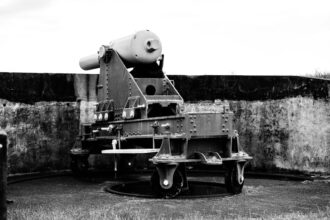
During times of conflict, the Pas de Calais has often been a theatre of immense human suffering and sacrifice. The fortitude demanded of soldiers preparing for or enduring amphibious assaults, defending coastal fortifications, or enduring relentless aerial bombardment is a somber reminder of the human cost of war. The bravery and endurance displayed in the face of overwhelming odds, the unwavering commitment to duty even when confronted with death and destruction, are profound examples of fortitude in its most extreme manifestation.
The Civilian’s Steadfastness
The fortitude of civilians living in coastal communities along the Pas de Calais has also been crucial. These communities have endured the fear of invasion, the rationing of resources, and the constant threat of aerial attacks. Their ability to maintain a sense of normalcy, to support their fighting forces, and to rebuild their lives in the aftermath of conflict speaks volumes about their inner strength and resilience. The everyday acts of courage and perseverance by ordinary people contribute significantly to the collective fortitude of a nation.
Historical Echoes: Battles and Blockades
The Pas de Calais has been a stage for pivotal historical events, each leaving an indelible mark on the landscape and the collective memory. From ancient invasions to modern conflicts, the strait has witnessed the ebb and flow of power and the enduring human struggle for survival.
The Norman Conquest: A Precedent of Crossing
William the Conqueror’s successful invasion of England in 1066, facilitated by crossing the English Channel, stands as a monumental example of strategic planning and execution. The reliance on naval transport and the ability to overcome the natural barrier of the sea demonstrate an early form of fortitude and determination that would shape the future of England. The very success of this invasion, originating from Normandy which lies close to the Pas de Calais, highlights the strait’s enduring importance as a gateway.
The Spanish Armada: A Test of English Fortitude
The attempted invasion of England by the Spanish Armada in 1588 was a defining moment in English history. The defeat of this formidable fleet, attributed to a combination of skillful naval tactics, adverse weather, and the sheer fortitude of the English defenders, cemented England’s position as a naval power and protected its sovereignty. The prevailing winds and currents of the English Channel, though a natural force, were ultimately overcome by human ingenuity and a collective will to resist.
World War I: The Stalemate and the Sacrifice
During World War I, the Pas de Calais and its surrounding coastal areas became a focal point of intense fighting. The intricate network of trenches, the brutal battles for strategic ports like Calais, and the constant threat of naval bombardment underscored the immense fortitude required of soldiers on the Western Front. The resilience of the Allied forces, despite the horrific conditions and staggering losses, was a testament to their unwavering spirit.
World War II: The Great Escape and the D-Day Landings
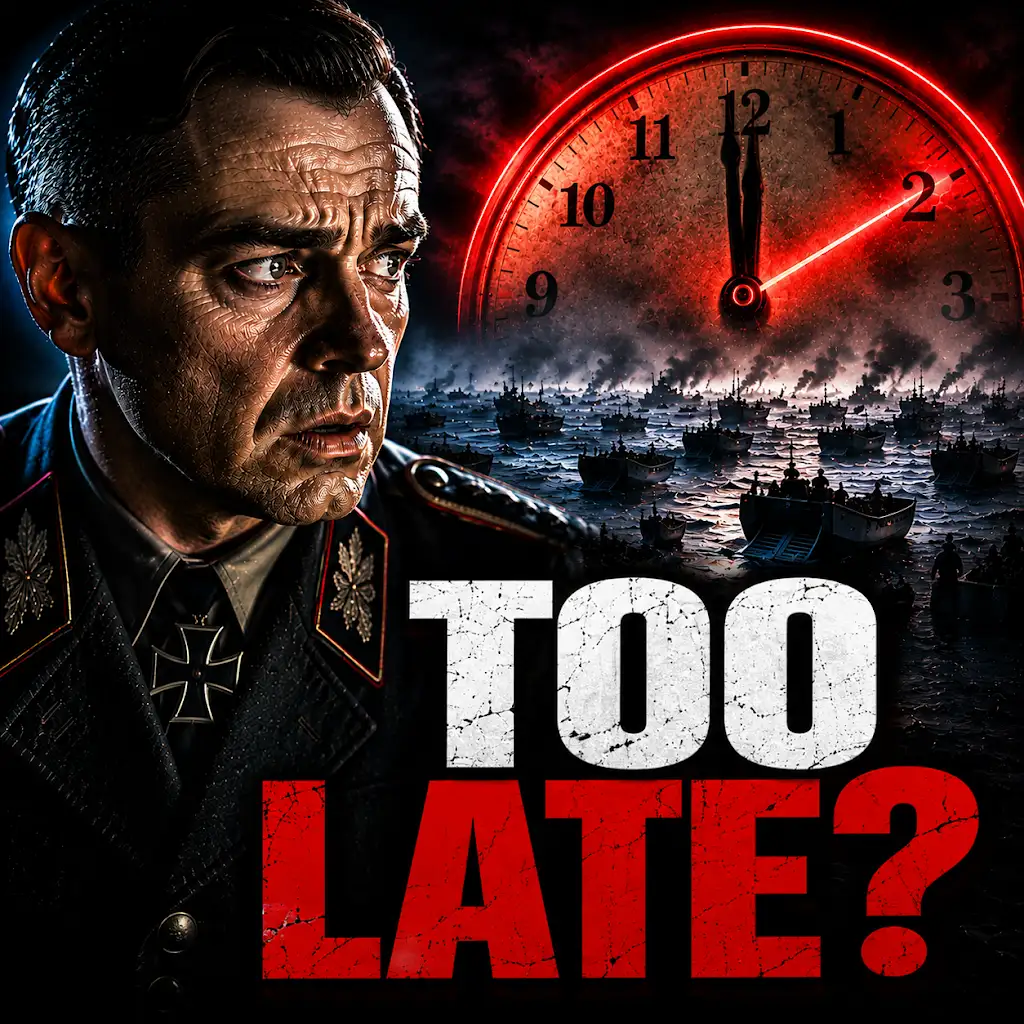
The Pas de Calais played a dual role in World War II, serving as both a symbol of occupied Europe and the launching pad for liberation. The daring evacuation of Allied soldiers from Dunkirk in 1940, a feat of remarkable courage and improvisation, is a powerful example of fortitude under duress. Conversely, the Pas de Calais was also the primary target of Nazi Germany’s invasion plans, and the Allied D-Day landings in Normandy, while not directly in the strait, were heavily influenced by the strategic considerations of controlling this vital maritime route. The deception employed in Operation Fortitude, a crucial element of the D-Day strategy, specifically aimed to mislead the Germans about the true landing sites by creating a phantom army and invasion force in the Pas de Calais, highlighting the strategic psychological importance of the area.
Modern Challenges and Enduring Significance
In the contemporary world, the Pas de Calais continues to be a nexus of activity, facing new challenges and retaining its profound strategic and economic significance. The resilience and ingenuity that have characterized its history are now being applied to a new set of circumstances.
The Channel Tunnel: A Triumph of Engineering and Fortitude
The construction of the Channel Tunnel, a marvel of modern engineering, represents a remarkable triumph of human ingenuity and a testament to enduring fortitude. Linking Britain and France beneath the seabed, it has revolutionized transportation and trade, transforming the perceived barrier of the Channel into a tangible connection. The immense technical challenges, the years of dedicated labor, and the unwavering belief in the project’s viability all speak to the spirit of fortitude.
Maritime Security and Migration
The Pas de Calais remains a critical area for maritime security. The increase in irregular migration attempts across the strait presents a complex humanitarian and security challenge. The dedication of coastguards, border officials, and aid organizations working in this challenging environment demonstrates a modern form of fortitude, facing dangerous conditions and complex ethical dilemmas with unwavering resolve. The resilience of individuals undertaking this perilous journey, driven by desperation and hope, is a stark reminder of the enduring human need for safety and opportunity.
Environmental Stewardship
The ecological sensitivity of the Pas de Calais also demands a unique form of fortitude – the commitment to environmental stewardship. Protecting this vital marine ecosystem from pollution, overfishing, and the impacts of climate change requires long-term vision, sustained effort, and a collective willingness to make difficult choices. The fortitude needed to implement and enforce environmental regulations, to innovate sustainable practices, and to educate future generations about conservation is crucial for the long-term health of this vital waterway.
The Unifying Thread: Fortitude in the Face of the Strait
The story of the Pas de Calais is, at its core, a narrative of fortitude. It is the story of the unyielding spirit of individuals and nations that have faced the challenges presented by this formidable stretch of water and emerged stronger. Whether it be the sailor battling the waves, the soldier enduring the trenches, the engineer conquering the depths, or the humanitarian aiding those in need, the common thread is an indomitable will to persevere.
Resilience as a Collective Virtue
The history of the Pas de Calais demonstrates that fortitude is not merely an individual trait but a collective virtue. The shared experiences of hardship, the mutual reliance in times of crisis, and the collective efforts to overcome adversity have forged a powerful sense of shared resilience between the peoples on either side of the strait. This enduring spirit of cooperation, born out of shared challenges, continues to shape the relationship between Britain and France.
The Future’s Demands
As the world continues to evolve, the Pas de Calais will undoubtedly present new challenges and opportunities. The need for fortitude in addressing issues such as climate change, global security, and economic interdependence will remain paramount. The lessons learned from centuries of navigating this vital strait – the importance of strategic foresight, technological innovation, and unwavering human resilience – will continue to guide us.
The Pas de Calais, a narrow strait of water, has thus become a symbol of a much larger human endeavor. It is a testament to the power of fortitude in the face of nature’s might and humanity’s conflicts. The enduring spirit of resilience, forged in the waters and on the shores of this strategically vital region, promises to continue shaping the future, demonstrating that even the most formidable barriers can be overcome with unwavering determination and a profound sense of fortitude.