The clandestine world of national security often operates in shadows, where the lines between law enforcement and military operations can blur. Among the most potent, yet least visible, collaborations are those between the Federal Bureau of Investigation (FBI) and the Joint Special Operations Command (JSOC). This intricate partnership represents a confluence of distinct capabilities, each bringing unique strengths to bear on the nation’s most complex and dangerous threats. While operating under different mandates and methodologies, the FBI and JSOC have forged a relationship built on necessity, trust, and a shared commitment to safeguarding American interests.
The FBI, as the principal domestic intelligence and security service of the United States and its main federal law enforcement agency, is tasked with enforcing federal criminal laws and protecting the United States from terrorist and foreign intelligence threats. Its purview extends from investigating organized crime and cyber threats to counterterrorism and counterintelligence. The FBI’s strength lies in its vast network of agents, its sophisticated investigative techniques, its legal authority to operate domestically, and its deep understanding of criminal enterprises and their structures.
JSOC, on the other hand, is an elite joint task force of the United States Special Operations Command that conducts sensitive special operations. It comprises some of the most highly trained and equipped military personnel from various branches of the U.S. armed forces, including Delta Force, SEAL Team Six, and the 75th Ranger Regiment, among others. JSOC’s primary mission is to plan and execute clandestine, counter-terrorist, and unconventional warfare operations around the world. Its capabilities are geared towards rapid deployment, precision strikes, intelligence gathering in hostile environments, and direct action against high-value targets.
The necessity of their collaboration arises from the evolving nature of modern threats. Terrorism, for instance, rarely respects jurisdictional boundaries. A terrorist plot might originate overseas, be financed through domestic channels, and involve individuals with both criminal and ideological motivations. In such scenarios, the FBI’s investigative prowess and legal authority are essential for disrupting the plot at its source, while JSOC’s ability to project power and neutralize threats in remote or hostile territories can be critical for preventing attacks.
Jurisdictional and Mandate Overlap
The inherent overlap in their respective mandates creates a fertile ground for collaboration. While the FBI’s authority is primarily domestic, its extraterritorial investigations into terrorism and transnational crime necessitate interaction with military and intelligence agencies operating abroad. Conversely, JSOC operations, particularly those targeting terrorists with U.S. ties or those posing an imminent threat to American soil, can benefit immensely from the FBI’s intelligence on individuals, networks, and modus operandi developed through domestic investigations. This synergy allows for a more comprehensive approach to threat mitigation, ensuring that no aspect of a complex threat is overlooked.
The Strategic Imperative of Information Sharing
Effective intelligence sharing is the bedrock of any successful interagency collaboration, and the FBI-JSOC partnership is no exception. The sheer volume and complexity of information generated by both organizations necessitate robust mechanisms for exchange. This includes not only raw intelligence but also actionable insights derived from analysis, investigations, and operational experiences. The ability to seamlessly transfer and integrate this data is paramount to identifying threats, developing operational plans, and executing missions with precision.
The collaboration between the FBI and the Joint Special Operations Command (JSOC) has been a focal point in understanding how domestic and international security operations are conducted. An insightful article that delves into this relationship and its implications for national security can be found at this link. The piece explores various case studies and highlights the strategic importance of joint operations in counterterrorism efforts.
Evolution of the Partnership: From Ad Hoc to Institutionalized
The relationship between the FBI and JSOC did not emerge fully formed. It has evolved over decades, shaped by the crucible of escalating global threats and the growing recognition of each agency’s unique value. Initially, interactions might have been more ad hoc, driven by specific crises or the need for specialized expertise. However, as the landscape of warfare and crime became increasingly interconnected, a more formalized and institutionalized approach became not only beneficial but essential.
The Post-9/11 Paradigm Shift
The September 11, 2001, attacks served as a profound catalyst for re-evaluating national security structures and interagency cooperation. The realization that pre-existing silos had hampered intelligence sharing and response capabilities led to significant reforms. For the FBI, this meant a renewed emphasis on counterterrorism and intelligence gathering, blurring the lines between its traditional law enforcement role and its intelligence functions. For JSOC, it meant an expanded operational tempo and a greater focus on combating non-state actors globally.
This post-9/11 environment fostered a closer working relationship. The FBI’s intelligence on terrorist networks, individuals, and their movements became invaluable to JSOC operators planning missions abroad. Conversely, JSOC’s ability to gather intelligence in denied areas and conduct direct action operations provided the FBI with critical information to prosecute terrorist cells and dismantle their support structures. This period saw the formalization of joint planning cells, increased cross-training opportunities, and a greater understanding of each other’s operational cultures and constraints.
The Role of Interagency Fusion Centers
The establishment of interagency fusion centers across the United States has played a crucial role in institutionalizing the collaboration. These centers bring together representatives from federal, state, and local law enforcement, as well as intelligence agencies, to share information and coordinate efforts. While the FBI is a key participant in these centers, they also serve as vital conduits for information that might eventually reach JSOC, particularly when threats have both domestic and international dimensions. This facilitates a more holistic understanding of threats, allowing for the early identification of potential JSOC involvement.
Joint Operations and Exercises
Regular joint exercises and training operations are instrumental in maintaining and enhancing the FBI-JSOC partnership. These events allow personnel from both organizations to practice operating together in simulated environments, familiarizing themselves with each other’s tactics, techniques, and procedures (TTPs), communication protocols, and command and control structures. Such exercises are crucial for building trust, ironing out operational kinks, and ensuring seamless integration when real-world missions demand it. They allow for the identification of potential friction points and the development of solutions before they impact critical operations.
Complementary Skillsets: A Force Multiplier
The true power of the FBI-JSOC collaboration lies in the remarkable complementarity of their skillsets. Where one agency possesses a specific expertise, the other often provides a vital supporting capability, creating a force multiplier effect that enhances overall national security effectiveness. This synergy allows for a multi-faceted approach to complex threats that neither agency could achieve alone.
Intelligence Gathering and Analysis: The Foundation
The FBI’s domestic intelligence apparatus is a vast and intricate network. Through its field offices, undercover operations, informants, and sophisticated technological capabilities, the Bureau gathers intelligence on a wide array of threats, including terrorism, espionage, cybercrime, and organized crime. This intelligence is often granular, focusing on individuals, networks, finances, and logistical support.
JSOC, on the other hand, excels at intelligence gathering in denied or hostile environments. Its special operations forces are trained to conduct reconnaissance, surveillance, and human intelligence operations in the most challenging terrains and under the most dangerous conditions. They can penetrate enemy lines, gather actionable intelligence on high-value targets, and provide real-time situational awareness from the front lines.
Legal Authority vs. Direct Action: Distinct but Intertwined
The FBI operates under strict legal frameworks, with its authority derived from U.S. law. This allows it to conduct surveillance, arrests, and prosecutions within the United States and, in certain circumstances, abroad. Its legal authority is crucial for building cases, disrupting criminal enterprises, and holding perpetrators accountable through the justice system.
JSOC’s authority is rooted in military operations, allowing for the use of force to neutralize threats, rescue hostages, and conduct other direct action missions. While operating under different legal authorities and rules of engagement, these capabilities are often intertwined. The FBI might provide JSOC with intelligence on a terrorist operative located overseas, leading to a JSOC mission to capture or eliminate that individual. Conversely, JSOC operations might yield intelligence that the FBI can use to prosecute domestic accomplices or dismantle supporting networks.
Precision Strike and Law Enforcement Intervention
JSOC’s ability to conduct precision strikes is unparalleled. Its specialized units are trained to execute highly sensitive operations with minimal collateral damage, often targeting individuals or groups deemed an imminent threat. This capability is critical for situations where a swift and decisive military response is required.
The FBI, while not a direct action force in the military sense, employs its own form of “precision intervention” through its highly trained Hostage Rescue Team (HRT) and SWAT units. These teams are adept at complex tactical operations, including hostage rescue, high-risk arrests, and counterterrorism operations within domestic settings. The collaboration allows for a seamless transition from a potential overseas threat identified by JSOC to a domestic law enforcement response orchestrated by the FBI, or vice versa.
Operational Frameworks and Challenges
The collaboration between the FBI and JSOC operates within complex frameworks, each with its own set of rules, regulations, and cultural nuances. Navigating these differences is crucial for the success of joint operations and requires a deep understanding of each agency’s limitations and strengths.
The Legal and Ethical Tightrope
One of the most significant challenges is operating within the legal and ethical boundaries of both civilian law enforcement and military operations. The FBI must adhere to strict constitutional protections and due process requirements. JSOC operates under different rules of engagement, tailored for wartime or special operations environments. Reconciling these differing legal and ethical frameworks, especially when operations blur the lines between domestic and international, requires careful coordination and clear understanding of each other’s mandates and legal constraints.
Information Control and Classification
The highly sensitive nature of the information handled by both the FBI and JSOC necessitates stringent information control and classification protocols. Ensuring that sensitive intelligence and operational details are shared appropriately, with the right personnel, and through secure channels is paramount. The risk of leaks or compromise can have severe national security consequences, making meticulous adherence to security procedures a non-negotiable aspect of their collaboration.
Command and Control Structures
The differing command and control structures of the FBI and JSOC can also present challenges. The FBI operates under a hierarchical structure with civilian leadership, while JSOC falls under the Department of Defense with military command. Establishing clear lines of authority and effective communication channels during joint operations is essential to avoid confusion and ensure decisive action. This often involves the establishment of joint command elements and the appointment of liaison officers to bridge these organizational divides.
The intricate relationship between the FBI and JSOC in special operations has been a topic of much discussion, particularly in the context of counterterrorism efforts. A recent article explores how these two agencies collaborate to enhance national security and respond to emerging threats. For a deeper understanding of their joint operations and the challenges they face, you can read more in this insightful piece on special operations at In the War Room.
The Future of FBI-JSOC Collaboration
| Metric | FBI Special Operations | JSOC Special Operations |
|---|---|---|
| Primary Mission | Counterterrorism, hostage rescue, and high-risk law enforcement operations within the U.S. | Counterterrorism, direct action, special reconnaissance, and unconventional warfare globally |
| Key Units | Hostage Rescue Team (HRT), SWAT, Crisis Negotiation Unit | Delta Force (1st SFOD-D), SEAL Team Six (DEVGRU), 24th Special Tactics Squadron |
| Jurisdiction | Domestic (United States) | Global |
| Command Structure | Federal Bureau of Investigation, Department of Justice | United States Special Operations Command (USSOCOM), Department of Defense |
| Typical Deployment Duration | Short-term, mission-specific operations | Variable; from hours to months depending on mission |
| Training Focus | Law enforcement tactics, negotiation, tactical entry, crisis management | Advanced combat skills, counterterrorism, intelligence gathering, unconventional warfare |
| Number of Operators (Approx.) | Several hundred (HRT and related units) | Several thousand across all JSOC units |
| Notable Operations | Waco Siege, Oklahoma City Bombing response, Boston Marathon bombing response | Operation Neptune Spear (Bin Laden raid), Battle of Mogadishu, numerous classified missions |
The collaborative relationship between the FBI and JSOC is not static. It continues to evolve in response to emerging threats and technological advancements. As the nature of conflict and crime shifts, so too must the strategies and structures employed by these two critical agencies.
Countering Hybrid Threats
The rise of hybrid threats, which blend conventional military tactics with unconventional warfare, cyberattacks, and disinformation campaigns, presents a new frontier for collaboration. The FBI’s expertise in investigating cybercrime and countering foreign influence operations, coupled with JSOC’s capabilities in specialized military operations, will be crucial in confronting these complex challenges.
Technological Advancement and Information Dominance
Advancements in artificial intelligence, data analytics, and cyber capabilities will continue to shape the future of this partnership. The ability to rapidly collect, process, and analyze vast amounts of data from disparate sources will be essential for identifying and neutralizing threats. Joint investments in cutting-edge technologies and the development of interoperable systems will be key to maintaining information dominance.
Adapting to a Dynamic Global Landscape
The global landscape is characterized by increasing volatility and unpredictability. The FBI and JSOC must remain agile and adaptable, constantly re-evaluating their strategies and refining their collaborative approaches to address evolving threats. This includes a continued emphasis on training, intelligence sharing, and the cultivation of mutual trust and understanding, ensuring that this vital partnership remains a cornerstone of American national security for years to come.
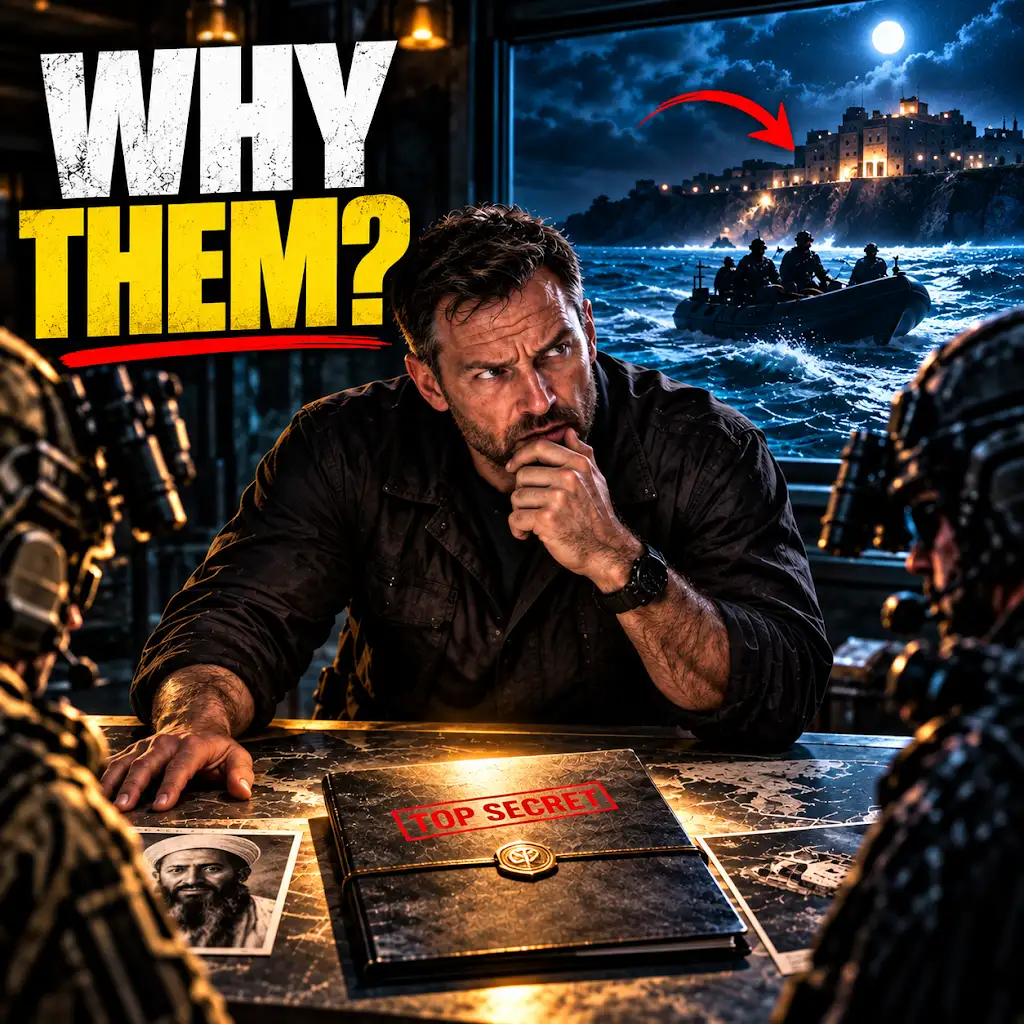
Why SEAL Team Six Got the Bin Laden Raid — Not Delta Force
FAQs
What is the FBI?
The FBI, or Federal Bureau of Investigation, is the domestic intelligence and security service of the United States. It serves as the country’s primary federal law enforcement agency.
What is JSOC?
JSOC, or Joint Special Operations Command, is a component command of the United States Special Operations Command (USSOCOM). It is responsible for conducting highly specialized and classified counter-terrorism operations.
What is the relationship between the FBI and JSOC?
The FBI and JSOC often collaborate on special operations that involve counter-terrorism, hostage rescue, and other high-risk missions. They work together to leverage their respective expertise and resources to achieve mission success.
What types of special operations do the FBI and JSOC conduct?
The FBI and JSOC conduct a wide range of special operations, including counter-terrorism operations, hostage rescue missions, high-value target raids, and intelligence gathering activities. These operations are typically highly classified and require specialized training and equipment.
How do the FBI and JSOC coordinate their special operations?
The FBI and JSOC coordinate their special operations through joint task forces and interagency collaboration. They work closely together to plan and execute missions, share intelligence, and ensure seamless communication and coordination between their respective teams.