The air in Washington D.C. crackled with a potent mix of anger, frustration, and a desperate hope for a swift resolution. November 4, 1979, marked the beginning of a crisis that would grip the United States for 444 agonizing days: the seizure of the American embassy in Tehran and the taking of 52 American hostages. The images of draped American flags, the fervent anti-American demonstrations, and the increasingly defiant pronouncements from Iranian revolutionary leaders painted a grim picture. As diplomatic channels proved futile and the international community offered little concrete assistance, the United States government found itself facing a profound dilemma. The pressure to act, to bring their citizens home, mounted with each passing day, leading to the consideration and eventual green-lighting of increasingly audacious and high-risk options. Among these, one operation, born of desperation and executed with meticulous planning, would ultimately become a stark symbol of the immense challenges and tragic costs of the Iran Hostage Crisis: Operation Eagle Claw.
The Seeds of Desperation The Mounting Pressure to Act
The initial shock of the embassy takeover quickly gave way to a sustained period of anxiety and uncertainty. The American public was united in its demand for the release of the hostages, and the media provided a constant, often harrowing, reminder of their plight. President Jimmy Carter, a man known for his commitment to human rights and his belief in the power of diplomacy, found himself in an increasingly untenable position. Every diplomatic overture, every international appeal, seemed to fall on deaf ears. The Iranian government, under the charismatic and unyielding Ayatollah Ruhollah Khomeini, remained steadfast in its refusal to negotiate under duress, framing the hostages as a bargaining chip in their revolutionary struggle. The sense of impotence within the White House was palpable. The administration was being tested on a fundamental level, its ability to protect its citizens and project American strength called into question.
The Diplomatic Dead End Frustration with International Efforts
Early efforts to resolve the crisis through diplomatic means were met with repeated setbacks. The United States engaged in complex negotiations, often through intermediaries, attempting to find a pathway to the hostages’ release. These talks, however, were consistently hampered by the unpredictable nature of the Iranian regime and the lack of a clear, unified negotiating counterpart. The revolutionary government was itself internally fractured, with different factions holding varying degrees of influence. This made it exceedingly difficult to ascertain who held the ultimate authority and what concessions, if any, they were willing to make. Furthermore, Iran’s strategic position and the global energy landscape meant that many nations were hesitant to exert significant pressure on Tehran, fearing economic repercussions or further regional instability. The appeals to the United Nations and other international bodies yielded little more than condemnations, failing to translate into tangible action that could secure the hostages’ freedom. This diplomatic impasse fueled a growing conviction within the American administration that a more forceful approach might be necessary. The clock was ticking, and with each passing day, the well-being of the hostages became an even greater concern.
The Emerging Military Option The Escalation of Options
As diplomatic avenues became increasingly exhausted, the eyes of the White House began to turn towards the military option. The intelligence community, tasked with assessing all available means to resolve the crisis, began to explore the feasibility of a rescue mission. This was not a decision taken lightly. The inherent risks of such an operation were immense, and the potential consequences of failure were catastrophic. However, the perceived lack of alternatives, coupled with the unwavering public demand for action, created an environment where even the most dangerous options were put on the table. The idea of a swift, surgical strike to liberate the hostages gained traction, fueled by the belief that a well-executed military operation could bring a swift and decisive end to the crisis, restoring American prestige and securing the safety of its citizens. The planning for such an operation, though shrouded in secrecy, began to move forward with a sense of urgency.
The failed rescue mission during the Iran hostage crisis in 1980 remains a pivotal moment in U.S. history, highlighting the complexities of international diplomacy and military operations. For a deeper understanding of the events surrounding this crisis and its implications, you can read a related article that explores the challenges faced by the rescue team and the political fallout that ensued. For more information, visit this article.
The Genesis of Operation Eagle Claw Meticulous Planning for a Risky Undertaking
The concept of a military rescue mission began to crystallize into a concrete plan known as Operation Eagle Claw. The objective was audacious: to infiltrate Iran, extract the American hostages from the embassy compound and a secondary location, and exfiltrate them to safety. The plan was developed by a select group of military strategists and intelligence officers, working under the highest levels of secrecy. They grappled with numerous logistical challenges, from navigating hostile terrain and evading Iranian defenses to coordinating a complex multi-faceted operation involving different branches of the U.S. military. The stakes were astronomically high. The lives of the hostages, the reputation of the United States, and the very stability of the region could all be impacted by the success or failure of this singular mission.
The Multifaceted Plan The Intricate Details of the Operation
Operation Eagle Claw was envisioned as a highly coordinated, multi-pronged assault. The initial phase involved a covert insertion of special forces personnel into Iran using a combination of helicopters and C-130 transport aircraft. These forces were to rendezvous at a desert location designated as “Desert One” to refuel and rearm. From Desert One, the special forces would then proceed to Tehran in helicopters, under the cover of darkness, to assault the embassy and a nearby Ministry of Foreign Affairs building where some American officials were also being held. Simultaneously, other units were tasked with securing a secondary location to which the hostages would be moved for initial processing before their extraction. The operation relied heavily on precise timing, overwhelming speed, and the element of surprise. The planners meticulously accounted for every conceivable contingency, from potential mechanical failures to unexpected Iranian resistance. The sheer complexity of the operation, involving a delicate dance of airborne insertions, ground assaults, and exfiltrations, underscored the immense faith placed in the capabilities of the U.S. military.
The Personnel and Their Training The Elite Chosen for the Task
The success of Operation Eagle Claw hinged on the skill and dedication of the individuals chosen to execute it. The mission was primarily assigned to elements of the U.S. Army’s Delta Force, a highly secretive special operations unit renowned for its counter-terrorism capabilities. These operators were among the most highly trained and rigorously conditioned soldiers in the world, subjected to relentless physical and psychological stress to prepare them for the most demanding missions. They underwent extensive training in urban combat, hostage rescue, and clandestine infiltration. Alongside Delta Force, other specialized units, including U.S. Air Force special tactics personnel and Navy SEALs, were involved in various support roles, including air traffic control, security, and diversionary tactics. The aircrews operating the helicopters and transport planes were also selected for their expertise and experience in operating in challenging environments. The commitment and professionalism of these individuals were unquestionable; they were the sharpest tools in the U.S. military’s arsenal, tasked with a mission that demanded nothing less than perfection.
The Technological Reliance and Its Vulnerabilities The Tools of the Trade
The operation was heavily reliant on advanced military technology, particularly the use of helicopters for rapid insertion and extraction. The planners chose a fleet of RH-53D Sea Stallion helicopters, chosen for their payload capacity and ability to operate in austere environments. However, these helicopters, designed primarily for naval operations, were not ideally suited for the desert conditions and the demanding flight profiles required by the mission. The reliance on these aircraft, and the complex logistics of refueling them in a remote desert location, proved to be a critical vulnerability. Communication systems, navigational equipment, and night vision technology were all crucial components of the plan. Yet, even the most advanced technology can be susceptible to malfunction, environmental factors, or unforeseen complications. The meticulous planning acknowledged these risks, but the scale of the operation meant that any single technological failure could have cascading and disastrous consequences.
The Catastrophe at Desert One The Unraveling of the Plan
The date was set: April 24, 1980. The moon was a sliver, providing minimal illumination, as the first wave of helicopters lifted off from an aircraft carrier in the Persian Gulf, destined for Desert One, a desolate salt flat deep within Iran. The plan, honed through countless hours of preparation and simulated exercises, was now in motion. However, as dawn approached, the carefully constructed edifice of Operation Eagle Claw began to crumble, not with the thunder of gunfire, but with the silent, insidious creep of unforeseen circumstances. The mission, conceived in the sterile environment of war rooms, was now confronting the harsh realities of the natural world and the unforgiving nature of operational execution. The events that unfolded at Desert One would forever etch themselves into the annals of American military history as a stark and tragic reminder of the perils of ambitious operations.
The Encounter with the Unforeseen The Storm and Mechanical Failures
As the helicopters approached Desert One, the first sign of trouble emerged: a dust storm. While not entirely unexpected in the Iranian desert, this particular storm was more severe than anticipated, significantly reducing visibility and complicating the landing procedures. The helicopters were forced to navigate through blinding dust, relying heavily on their instruments and the skill of their pilots. The reduced visibility led to navigation issues, causing some helicopters to arrive later than scheduled, disrupting the carefully orchestrated timeline. Upon arrival at Desert One, the situation worsened. One of the crucial RH-53D helicopters experienced a significant mechanical failure, rendering it inoperable. The loss of a helicopter immediately put the entire mission at risk, as the remaining aircraft would be insufficient to transport all the special forces personnel and the hostages. The complex refueling operation, already challenged by the weather and the late arrivals, was further hampered by the growing unease and uncertainty.
The Fatal Collision The Climax of the Disaster
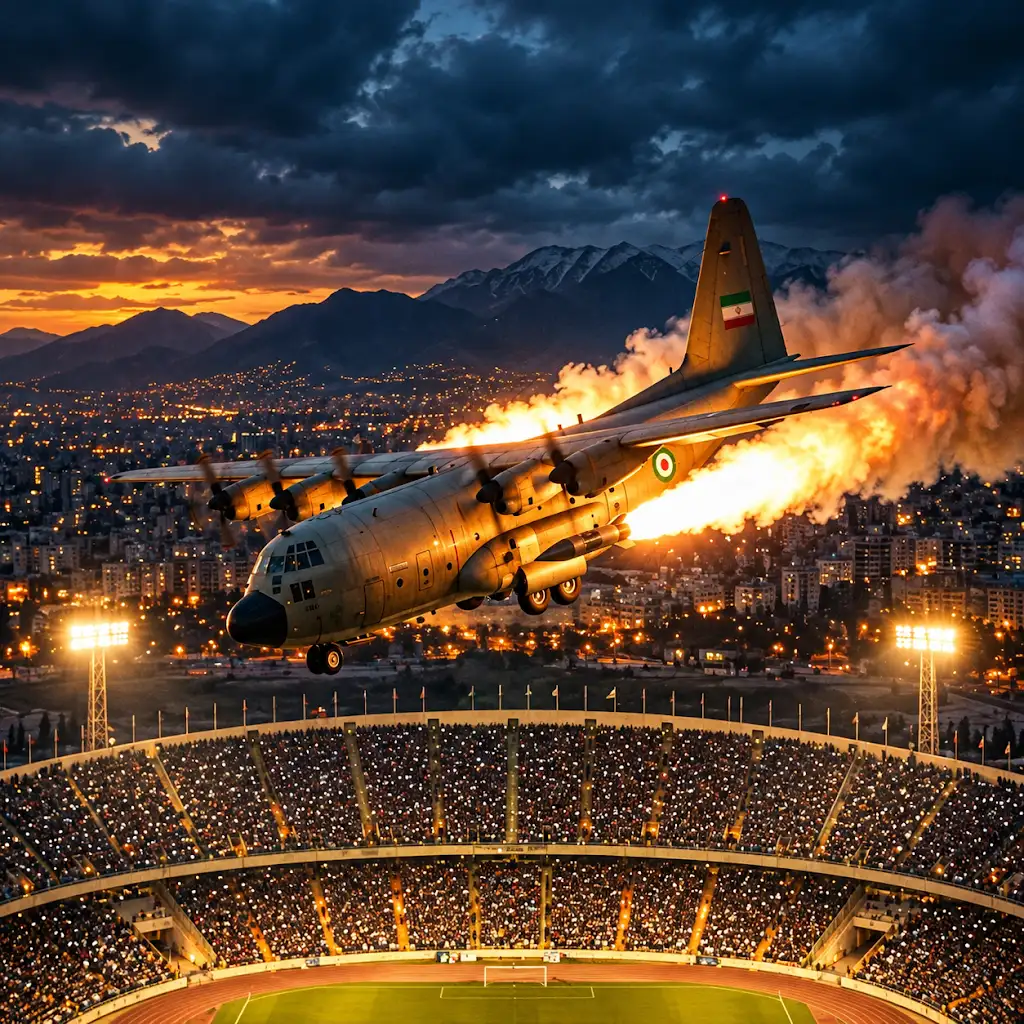
The most devastating moment of Operation Eagle Claw occurred as the forces at Desert One attempted to reorganize and prepare for the next phase of the operation. A U.S. Air Force C-130 transport aircraft, tasked with delivering additional personnel and equipment, arrived at Desert One. At the same time, one of the RH-53D helicopters, attempting to reposition itself, collided with the C-130. The ensuing inferno was immediate and horrific. The explosion engulfed the helicopter and a significant portion of the transport aircraft. The fiery spectacle, illuminated against the predawn desert sky, was a chilling testament to the unfolding tragedy. The collision resulted in the deaths of eight American servicemen and the severe injury of several others. The flames painted a grim picture of shattered hopes and extinguished lives, marking the definitive end of any possibility of continuing the rescue mission. The carefully crafted plan had imploded, leaving behind a scene of devastation.
The Aborted Mission and the Grim Retreat The Humiliating Withdrawal
With the loss of aircraft, personnel, and the overwhelming sense of disaster, the order to abort the mission was inevitable. The surviving helicopters and personnel were forced to withdraw from Desert One, leaving behind the wreckage, the fallen comrades, and the agonizing realization of failure. The retreat was a somber and deeply humiliating experience for all involved. The planned triumph had devolved into a desperate escape, a stark contrast to the decisive victory that had been envisioned. The mission, which had been shrouded in secrecy, was now a public disaster, broadcast to the world with devastating clarity. The image of American helicopters fleeing an Iranian desert, leaving behind casualties and a failed operation, was a deeply damaging blow to national pride and the administration’s credibility. The silence that followed the aborted mission was heavy with grief, regret, and the gnawing question of “what went wrong?”
The Aftermath and Recriminations The Lingering Scars of Failure
The failure of Operation Eagle Claw sent shockwaves through the United States. The nation, which had so desperately hoped for a successful rescue, was plunged into a new wave of despair and anger. The public scrutiny of the operation was intense, and the subsequent investigations were exhaustive. The tragic loss of life and the ignominious retreat ignited a firestorm of criticism, targeting not only the planning and execution of the mission but also the decision-making process at the highest levels of government. The scars of this failure would linger for years, impacting military doctrine, inter-service relations, and the perception of American military capabilities.
The Investigation and the Blame Game The Search for Accountability
In the wake of the disaster, multiple investigations were launched to determine the causes of the failure. These investigations involved inquiries into the operational planning, the selection of equipment, the training of personnel, and the command and control structure. The blame game was swift and acrimonious. Critics pointed to fundamental flaws in the concept of operations, highlighting the unsuitability of the helicopters and the logistical challenges of the refueling point. Inter-service rivalries, often simmering beneath the surface, flared as different branches of the military sought to deflect responsibility. The complexities of joint operations and the inherent difficulties of coordinating multiple units came under intense scrutiny. The investigations ultimately concluded that a combination of factors contributed to the failure, including poor planning, inadequate intelligence, equipment deficiencies, and communication breakdowns. However, assigning definitive blame proved to be a contentious and politically charged process.
The Impact on Hostage Diplomacy The Continued Agony
The failure of Operation Eagle Claw had a profound and immediate impact on the ongoing hostage crisis. The aborted rescue attempt significantly hardened the Iranian regime’s stance, portraying the operation as an act of aggression and further solidifying their resolve to hold the hostages. The Iranian government used the incident to fuel anti-American sentiment and rally domestic support against the United States. For the 52 hostages, the news of the failed rescue was a crushing blow, amplifying their despair and the sense of being abandoned. The likelihood of a diplomatic solution seemed to diminish further, as the failed military option had not brought them closer to freedom, but perhaps further away. The 444 days of captivity would continue, now overshadowed by the specter of a failed rescue attempt and the added layer of trauma it inflicted.
The Legacy of Eagle Claw A Reevaluation of Military Operations
Despite its catastrophic failure, Operation Eagle Claw left an indelible mark on the U.S. military. The lessons learned from its shortcomings were profound and far-reaching. The experience led to a significant reevaluation of special operations planning, inter-service cooperation, and the procurement of specialized equipment. The need for more agile, adaptable, and technologically advanced special forces capabilities became glaringly apparent. The disaster spurred the creation of the U.S. Special Operations Command (SOCOM) in 1987, a unified command responsible for overseeing and coordinating all special operations forces across the various branches of the military. This consolidation aimed to prevent future failures stemming from fragmented command and control and to ensure that lessons learned from operations like Eagle Claw were institutionalized. The mission, though a tragic failure in its immediate objective, ultimately served as a catalyst for significant improvements in American special operations capabilities, paving the way for future successes in hostage rescue and counter-terrorism operations.
The failed rescue mission during the Iran hostage crisis in 1980 remains a significant event in U.S. history, highlighting the complexities of international diplomacy and military operations. This incident not only affected U.S.-Iran relations but also shaped future foreign policy decisions. For a deeper understanding of the implications and aftermath of this crisis, you can read more in this insightful article on the topic. The challenges faced during the operation are explored in detail, shedding light on the lessons learned from this tumultuous period. To learn more, visit this article.
The Long Road to Resolution The Enduring Crisis and Its Aftermath
| Metric | Value | Details |
|---|---|---|
| Operation Name | Operation Eagle Claw | US military mission to rescue hostages in Iran |
| Date | April 24-25, 1980 | Night of the failed rescue attempt |
| Number of Hostages | 52 | Held captive in the US Embassy in Tehran |
| US Forces Involved | 8 helicopters, 5 fixed-wing aircraft, 90 personnel | Special operations and support units |
| Helicopters Operational | 6 | Only 6 of 8 helicopters were mission-capable |
| Casualties | 8 US personnel killed | Including 8 servicemen and 1 civilian |
| Cause of Failure | Mechanical failures and helicopter collision | One helicopter crashed into a transport aircraft |
| Mission Outcome | Mission aborted, hostages not rescued | Hostages released later in 1981 |
The failure of Operation Eagle Claw did not signify the end of the Iran Hostage Crisis; rather, it marked a grim turning point. The failed rescue attempt intensified the pressure on President Carter’s administration, but it also forced a period of introspection and a renewed, albeit more cautious, pursuit of diplomatic solutions. The saga would continue to captivate and torment the American public for many more months, its conclusion ultimately shaped by a confluence of diplomatic maneuvering, shifting political tides, and a touch of bitter irony. The resolution, when it finally arrived, would be tinged with the enduring memory of the sacrifices made and the lessons learned from the tragic attempt to rescue those held captive.
The Renewed Diplomatic Push A Shift in Strategy
Following the ignominious retreat from Desert One, the U.S. government recognized that a military solution was, at least for the time being, off the table. The focus shifted back to diplomatic channels, albeit with a new sense of urgency and a grim understanding of the stakes. The administration intensified its efforts to engage with intermediaries and explored various diplomatic initiatives. The international community, while still largely hesitant to exert overt pressure on Iran, provided some support for diplomatic efforts. The underlying desire to see the hostages released remained a constant, driving force behind these renewed negotiations. The failure of the rescue mission had inadvertently created a situation where diplomacy, however challenging, was the only remaining viable path forward.
The Election and the Transfer of Power A Political Undercurrent
The Iran Hostage Crisis became a significant political issue in the 1980 United States presidential election. The perceived inability of the Carter administration to resolve the crisis contributed to his defeat at the hands of Ronald Reagan. The timing of the hostages’ release, which occurred shortly after Reagan’s inauguration, led to persistent allegations of a secret deal between the Reagan campaign and Iran to delay their release until after the election, a claim that has been debated and investigated for decades but remains largely unsubstantiated by conclusive evidence. Regardless of the veracity of these claims, the political landscape surrounding the crisis undeniably played a crucial role in its eventual resolution. The transfer of power provided a new administration with the opportunity to engage in negotiations with a fresh perspective.
The Final Release and the Enduring Impact The 444 Days Concluded
On January 20, 1981, the day of Ronald Reagan’s inauguration, the 52 American hostages were finally released by Iran. The news was met with a mixture of profound relief and somber reflection across the United States. The 444 days of captivity had come to an end, but the emotional and psychological scars, both for the hostages and for the nation, would endure. The Iran Hostage Crisis and the tragic failed rescue attempt of Operation Eagle Claw left an indelible mark on American foreign policy, military strategy, and the collective memory of the nation. It served as a stark reminder of the complexities of international relations, the limitations of military power in certain contexts, and the enduring human cost of political and ideological conflict. The echoes of Desert One would continue to resonate, a silent testament to the risks taken and the lives lost in a desperate bid to bring Americans home.
The Secret Plane Built to Land Inside a Stadium
FAQs
What was the failed rescue mission during the Iran hostage crisis?
The failed rescue mission during the Iran hostage crisis was known as Operation Eagle Claw. It was a United States military operation intended to rescue 52 American diplomats held hostage by Iranian revolutionaries in Tehran in 1980.
Why did the rescue mission fail?
The rescue mission failed primarily due to a series of mechanical problems and unexpected events. A sandstorm caused one of the helicopters to crash into a transport aircraft, resulting in the deaths of eight American servicemen. The mission was aborted after the crash.
How did the failed rescue mission impact US-Iran relations?
The failed rescue mission further strained the already tense relations between the United States and Iran. It was seen as a humiliating defeat for the US military and led to a deepening of animosity between the two countries, contributing to the ongoing hostility between them.
What were the consequences of the failed rescue mission?
Following the failed rescue mission, the hostages were scattered to different locations in Iran, making any future rescue attempts extremely difficult. The incident also highlighted the weaknesses in US military planning and execution, leading to a reevaluation of military strategies.
How did the failed rescue mission impact the US government and military?
The failed rescue mission had significant repercussions within the US government and military. It led to the creation of the United States Special Operations Command (USSOCOM) to improve coordination among special operations forces. It also prompted a review of military readiness and capabilities to prevent similar failures in the future.