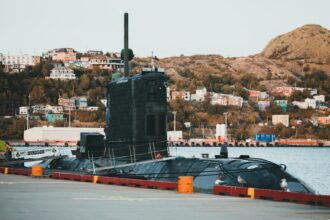
The Submarine Acoustic Library serves as a critical repository of acoustic data, specifically tailored for the unique operational needs of submarines. This library is not merely a collection of sounds; it is a sophisticated database that encompasses a wide range of underwater acoustic signatures, including those produced by marine life, environmental phenomena, and human-made objects. The significance of this library extends beyond mere data storage; it plays a pivotal role in enhancing the effectiveness and safety of submarine operations.
By providing access to a wealth of acoustic information, the library enables submariners to make informed decisions in real-time, thereby improving situational awareness and operational efficiency. In an era where underwater warfare and research are becoming increasingly complex, the Submarine Acoustic Library stands as a beacon of technological advancement. It embodies the intersection of marine science, engineering, and military strategy.
As submarines operate in an environment where visibility is virtually nonexistent, sound becomes the primary means of navigation and detection. The library’s comprehensive acoustic data allows submariners to interpret their surroundings more accurately, ensuring that they can respond effectively to both threats and opportunities in the underwater domain.
Key Takeaways
- The Submarine Acoustic Library is a critical repository of underwater sound data essential for submarine operations and research.
- It has evolved over time, incorporating advancements in acoustic technology to enhance data accuracy and utility.
- The library stores various types of acoustic data, including sonar signatures and environmental noise profiles.
- Access to the library supports strategic decision-making, but it faces challenges related to data security and technological limitations.
- Future developments and collaborations aim to expand the library’s capabilities while addressing ethical and security concerns.
History and Development of the Submarine Acoustic Library
The origins of the Submarine Acoustic Library can be traced back to the early days of submarine warfare during World War I and
Initially, acoustic data collection was rudimentary, relying on basic sound detection methods to identify enemy vessels. As technology evolved, so did the methods of data collection and analysis. The post-war period saw significant advancements in sonar technology, which laid the groundwork for more sophisticated acoustic libraries.
By the late 20th century, the need for a centralized repository of acoustic data became apparent, leading to the establishment of dedicated libraries that could support both military and research applications.

Over the decades, the development of the Submarine Acoustic Library has been marked by collaboration between various military branches, academic institutions, and private sector entities. This collaborative approach has facilitated the integration of diverse acoustic data sources, enhancing the library’s comprehensiveness and utility. The advent of digital technology in the late 20th century revolutionized data storage and retrieval processes, allowing for more efficient management of vast amounts of acoustic information.
As a result, the library has evolved into a dynamic resource that continues to adapt to the changing needs of submarine operations.
Importance of Acoustic Data for Submarine Operations
Acoustic data is indispensable for submarine operations, serving as the primary means through which submariners perceive their environment. In underwater settings where visual cues are limited, sound waves become crucial for navigation, communication, and threat detection. The ability to interpret acoustic signals allows submariners to identify potential threats, such as enemy vessels or underwater obstacles, thereby enhancing their operational safety.
Furthermore, acoustic data aids in mission planning and execution by providing insights into oceanographic conditions that may affect submarine performance. The strategic importance of acoustic data cannot be overstated. In military contexts, submarines often operate in hostile environments where stealth is paramount.
The ability to detect and classify sounds from various sources enables submariners to maintain a tactical advantage over adversaries. Additionally, acoustic data plays a vital role in anti-submarine warfare (ASW) operations, where understanding enemy submarine signatures can lead to successful engagements. Thus, the Submarine Acoustic Library serves as an essential tool for ensuring that submariners are equipped with the knowledge necessary to navigate complex underwater scenarios effectively.
Types of Acoustic Data Stored in the Library
| Metric | Description | Typical Value | Unit |
|---|---|---|---|
| Frequency Range | Operational frequency range of the acoustic library | 10 – 10000 | Hz |
| Source Level | Acoustic source strength of typical submarine sounds | 150 – 220 | dB re 1 μPa @ 1m |
| Signal-to-Noise Ratio (SNR) | Ratio of signal power to background noise power | 20 – 40 | dB |
| Number of Acoustic Signatures | Distinct submarine acoustic profiles stored | 50 – 200 | Profiles |
| Data Storage Size | Size of the acoustic library data | 5 – 50 | GB |
| Sampling Rate | Rate at which acoustic signals are sampled | 44.1 – 96 | kHz |
| Detection Range | Maximum range at which submarine sounds can be detected | 5 – 50 | km |
The Submarine Acoustic Library houses a diverse array of acoustic data types, each serving distinct purposes within submarine operations. One of the primary categories includes biological sounds generated by marine life, such as whales and dolphins. These biological signatures are crucial for distinguishing between natural and man-made noises in the ocean environment.
Understanding these sounds not only aids in avoiding potential collisions with marine animals but also enhances overall situational awareness. Another significant category of data comprises environmental sounds that result from oceanographic phenomena like waves, currents, and geological activity. This information is vital for understanding how these natural sounds can mask or distort man-made signals.
Additionally, the library contains acoustic signatures from various human-made objects, including ships, submarines, and underwater infrastructure. By cataloging these signatures, submariners can develop a comprehensive understanding of their operational environment and improve their ability to detect and classify potential threats.
Accessing and Utilizing the Submarine Acoustic Library

Accessing the Submarine Acoustic Library involves sophisticated systems designed to ensure that submariners can retrieve relevant data quickly and efficiently. Typically housed within secure military networks, these libraries utilize advanced search algorithms that allow users to filter through vast amounts of data based on specific parameters such as frequency range or source type. This streamlined access is crucial during missions when time is of the essence and accurate information can mean the difference between success and failure.
Utilizing the library effectively requires training and expertise in acoustic analysis. Submariners must be adept at interpreting acoustic signals and understanding their implications within the context of their operational objectives. This expertise is often developed through rigorous training programs that combine theoretical knowledge with practical experience in analyzing real-world acoustic scenarios.
As technology continues to evolve, so too does the training provided to submariners, ensuring they remain proficient in leveraging the library’s resources for optimal mission outcomes.
Advancements in Acoustic Technology and its Impact on the Library
The field of acoustic technology has witnessed remarkable advancements over recent years, significantly impacting the capabilities of the Submarine Acoustic Library. Innovations in sensor technology have led to more sensitive and accurate detection systems that can capture a broader range of frequencies with greater precision. These advancements enable submariners to gather more detailed acoustic data than ever before, enriching the library’s content and enhancing its utility for operational planning.
Moreover, developments in machine learning and artificial intelligence have begun to play a transformative role in how acoustic data is analyzed and interpreted. These technologies can process vast datasets quickly, identifying patterns and anomalies that may not be immediately apparent to human analysts. As a result, submariners can benefit from enhanced predictive capabilities that allow them to anticipate potential threats or changes in their operational environment more effectively.
The integration of these advanced technologies into the Submarine Acoustic Library represents a significant leap forward in underwater warfare capabilities.
Challenges and Limitations of the Submarine Acoustic Library
Despite its many advantages, the Submarine Acoustic Library faces several challenges and limitations that must be addressed to maximize its effectiveness.
As technology continues to advance, the amount of acoustic information collected has increased exponentially, leading to difficulties in data management and analysis.
Ensuring that relevant information can be accessed quickly while maintaining data integrity poses an ongoing challenge for those responsible for managing the library. Additionally, there are inherent limitations related to environmental factors that can affect acoustic signal quality. Ocean conditions such as temperature gradients, salinity levels, and background noise from marine life or human activities can all impact how sound travels underwater.
These variables can complicate efforts to accurately interpret acoustic data and may lead to misidentifications or missed detections. Addressing these challenges requires ongoing research and development efforts aimed at improving both data collection methods and analytical techniques.
Future Prospects and Potential Developments in the Library
Looking ahead, the future prospects for the Submarine Acoustic Library are promising as technological advancements continue to reshape underwater warfare capabilities. One potential development involves enhancing interoperability between different branches of military forces and allied nations. By creating standardized formats for acoustic data sharing, it may become possible to develop a more comprehensive global database that can be accessed by various entities involved in underwater operations.
Furthermore, ongoing research into bioacoustics—the study of sound produced by living organisms—could lead to new insights into marine ecosystems and their interactions with human activities. This knowledge could inform not only military operations but also conservation efforts aimed at protecting marine life from potential threats posed by underwater warfare activities. As awareness grows regarding environmental impacts, integrating ecological considerations into submarine operations will likely become increasingly important.
Collaborations and Partnerships in Acoustic Research and Data Sharing
Collaboration plays a vital role in advancing research related to submarine acoustics and enhancing the capabilities of the Submarine Acoustic Library. Partnerships between military organizations, academic institutions, and private sector companies have proven instrumental in driving innovation within this field. By pooling resources and expertise from diverse backgrounds, stakeholders can tackle complex challenges associated with acoustic data collection and analysis more effectively.
These collaborations often extend beyond national borders as countries recognize the importance of sharing knowledge and resources in an increasingly interconnected world. Joint research initiatives focused on developing new technologies or methodologies for analyzing acoustic data can lead to breakthroughs that benefit all parties involved. Such partnerships not only enhance operational capabilities but also foster goodwill among nations working together toward common goals related to underwater security and environmental stewardship.
Ethical and Security Considerations in Acoustic Data Management
As with any sensitive information repository, ethical considerations surrounding the management of acoustic data are paramount. The potential misuse of acoustic information poses significant risks not only to national security but also to marine ecosystems if not handled responsibly. Ensuring that access to sensitive data is restricted to authorized personnel only is crucial for maintaining operational security while preventing unauthorized exploitation.
Moreover, ethical considerations extend beyond security concerns; they also encompass environmental impacts associated with submarine operations informed by acoustic data analysis. As awareness grows regarding human activities’ effects on marine life, it becomes increasingly important for military organizations to consider how their operations may influence delicate underwater ecosystems. Striking a balance between operational effectiveness and environmental responsibility will be essential as submarine warfare continues evolving.
The Role of the Submarine Acoustic Library in Advancing Underwater Warfare and Research
In conclusion, the Submarine Acoustic Library represents a cornerstone of modern underwater warfare strategy and research initiatives alike. By providing access to a wealth of acoustic data essential for navigation, threat detection, and mission planning, this library enhances submariners’ operational capabilities while ensuring their safety in complex environments. As advancements in technology continue to reshape how acoustic information is collected and analyzed, the library’s role will only grow more critical.
Looking forward, ongoing collaborations among military organizations, academic institutions, and private sector partners will be vital for addressing challenges associated with managing vast amounts of acoustic data effectively while considering ethical implications related to its use. Ultimately, as nations strive toward greater security in an increasingly interconnected world, leveraging resources like the Submarine Acoustic Library will be essential for advancing both underwater warfare capabilities and marine conservation efforts alike.
The submarine acoustic library is an essential resource for understanding underwater sound propagation and its implications for naval operations. For a deeper insight into the strategic importance of acoustic data in military contexts, you can read the article on this topic at this link. This article explores various aspects of submarine acoustics and their relevance to modern warfare.
FAQs
What is a submarine acoustic library?
A submarine acoustic library is a collection of recorded underwater sounds and acoustic signatures related to submarines and other underwater vessels. It is used for identification, analysis, and research purposes in naval and marine environments.
What types of sounds are included in a submarine acoustic library?
The library typically includes sounds such as submarine engine noise, propeller cavitation, sonar pings, ambient underwater noise, marine life sounds, and other acoustic signatures relevant to submarine detection and classification.
How is a submarine acoustic library used in naval operations?
Naval forces use the acoustic library to identify and track submarines by comparing real-time sonar data with known acoustic signatures. This helps in submarine detection, threat assessment, and tactical decision-making.
Who maintains submarine acoustic libraries?
Submarine acoustic libraries are usually maintained by naval research organizations, defense agencies, and specialized acoustic research institutions. Access to these libraries is often restricted due to security and confidentiality concerns.
Can submarine acoustic libraries be used for scientific research?
Yes, aside from military applications, these libraries can be used for marine biology studies, underwater environmental monitoring, and acoustic research to better understand underwater sound propagation and marine ecosystems.
How are sounds recorded for a submarine acoustic library?
Sounds are recorded using underwater microphones called hydrophones, deployed from ships, submarines, or fixed underwater stations. Advanced signal processing techniques are used to isolate and analyze specific acoustic signatures.
Are submarine acoustic libraries publicly accessible?
Most submarine acoustic libraries are classified and not publicly accessible due to national security reasons. However, some non-sensitive acoustic data related to marine life and environmental sounds may be available for public research.
What challenges are associated with maintaining a submarine acoustic library?
Challenges include the need for high-quality recordings in noisy underwater environments, differentiating between similar acoustic signatures, updating the library with new submarine technologies, and ensuring data security.