The B-59 submarine, a relic of the Cold War, holds a shadowy place in maritime history. Designated Project 641, this Soviet diesel-electric submarine, known to NATO as the Foxtrot class, was one of many vessels designed to challenge Western naval dominance. While the majority of its brethren faded into obscurity, the B-59 became indelibly linked to one of history’s most perilous moments: the Cuban Missile Crisis. Its story is not merely one of technological prowess or strategic deployment, but of the crushing psychological pressure, the fog of war, and the thin margin separating global catastrophe from uneasy peace. To truly understand the significance of the B-59, one must delve into its operational context, its technological underpinnings, its dramatic role in the crisis, and the lingering questions that continue to shroud its legacy.
The geopolitical landscape of the mid-20th century was defined by the ideological chasm between the United States and the Soviet Union. This “Cold War” fueled an intense arms race, with naval power playing a critical role. The Soviet Union, particularly keen on countering the burgeoning American submarine fleet and its perceived threat to Soviet coastlines and shipping lanes, invested heavily in submarine development. Project 641 represented a significant, albeit late, entry into this arena.
Strategic Imperatives Driving Soviet Submarine Design
The development of the Project 641 submarines was driven by several key strategic imperatives for the Soviet Union. Foremost among these was the need to project power and exert influence on the global stage. In an era where naval projection was a significant indicator of superpower status, a robust submarine force was essential.
Countering NATO Naval Power
NATO’s naval superiority, particularly its carrier strike groups and its growing submarine fleet, posed a direct threat to Soviet ambitions. Project 641 submarines were intended to be a credible countermeasure, capable of disrupting Western shipping, shadowing NATO naval formations, and potentially engaging enemy submarines. Their design was a direct response to the perceived capabilities of their NATO counterparts.
Deterrence and Second-Strike Capability
The submarines of the Project 641 class were also conceived as a component of the Soviet Union’s nuclear deterrence strategy. While primarily conventional, the potential for mounting nuclear-tipped torpedoes meant these vessels could contribute to a second-strike capability, a critical element in the doctrine of mutually assured destruction (MAD). The ability to survive a first strike and retaliate was a cornerstone of Soviet strategic thinking.
Intelligence Gathering and Reconnaissance
Beyond direct combat, these submarines were also tasked with vital intelligence, surveillance, and reconnaissance (ISR) missions. Their ability to operate submerged for extended periods made them ideal platforms for gathering information on NATO naval movements, coastal defenses, and other strategic targets. This clandestine capability was a significant asset in the espionage-heavy Cold War environment.
Technological Features of the Foxtrot Class
The Project 641 submarines, known to NATO as the Foxtrot class, were a significant improvement over earlier Soviet designs. They represented a move towards larger, more capable diesel-electric submarines that could operate for extended periods, both surfaced and submerged.
Diesel-Electric Propulsion and Endurance
At their core, these submarines utilized diesel-electric propulsion. This meant that while on the surface or snorkeling (using a mast to draw in air and expel exhaust), diesel engines charged large batteries. These batteries then powered electric motors for submerged propulsion. This system offered a compromise between the high speeds of nuclear submarines and the quieter, albeit more limited, endurance of early diesel-electric designs. The Foxtrot class was designed for considerable range, allowing them to patrol distant waters.
Hull Design and Dive Depth
The hull of the Project 641 submarine was a double-hulled design, a common feature in many submarine classes. The outer hull provided a streamlined shape for better hydrodynamic performance, while the inner hull contained the pressure-resistant structure. While not as deep-diving as some contemporary Western nuclear submarines, the Foxtrot class possessed a respectable operational dive depth, sufficient for most of its intended roles.
Weaponry and Systems
The B-59, like other Project 641 submarines, was equipped with a formidable array of weaponry for its time. This included a number of torpedo tubes, capable of launching both conventional and, potentially, nuclear torpedoes. These submarines also carried sonar systems, periscopes, and other navigational and combat equipment necessary for operating in the complex underwater environment. However, compared to the rapidly advancing nuclear submarines of the US Navy, the electronic warfare and sonar capabilities of the Foxtrot class were often considered less sophisticated.
The Project 641 B-59 submarine, a notable vessel from the Soviet Navy, has been the subject of various discussions regarding its historical significance and technological advancements. For a deeper understanding of its impact during the Cold War era, you can explore a related article that delves into the intricacies of submarine warfare and the strategic importance of such vessels. To read more, visit this article.
The B-59: A Vessel of Potential and Peril
The B-59, a Project 641 diesel-electric submarine, was built at the Sudoma shipyard in Gorky, Soviet Union, and commissioned in 1959. For several years, it served as a conventional patrol submarine, undertaking routine missions and exercises. Its existence, like that of hundreds of other Soviet submarines, was largely unknown to the wider world. However, its fate was to become intertwined with a pivotal moment in history, forever etching its name into the annals of the Cold War.
Operational History Before the Cuban Missile Crisis
Before its fateful deployment in 1962, the B-59 conducted numerous patrols and exercises in the Baltic and Arctic Seas. Its crew would have been rigorously trained in submarine warfare, navigation, and damage control. The submarine would have navigated challenging environments, honed its stealth capabilities, and practiced operational procedures. These routine deployments, though crucial for maintaining Soviet naval readiness, were largely uneventful and did not attract significant international attention.
Crew Training and Submarine Operations
The life of a submariner in the Soviet Navy during this era was one of hardship and dedication. The B-59’s crew would have endured cramped conditions, limited personal space, and the constant psychological pressure of operating in a submerged environment. Training would have been extensive, covering everything from intricate machinery operation to emergency procedures and combat drills. The professionalism and resilience of the crew were paramount to the submarine’s successful operation.
Patrols and Exercises
The B-59’s pre-crisis operational history would have included extended patrols, often in challenging weather and sea conditions. These patrols were designed to test the submarine’s endurance, its ability to evade detection, and its effectiveness in simulated combat scenarios. Exercises with other Soviet naval units would have further honed the crew’s coordination and tactical proficiency.
The B-59’s Role in the Cuban Missile Crisis
The year 1962 marked a dramatic turning point for the B-59. Amidst growing tensions between the United States and the Soviet Union over the placement of Soviet nuclear missiles in Cuba, the B-59 was part of a flotilla of submarines dispatched to the Caribbean. Their mission was ostensibly to support Cuba and to counter any US naval blockade or invasion.
The Secret Deployment to the Caribbean
In response to the discovery of Soviet missile sites in Cuba by American U-2 spy planes, the Soviet Union initiated a clandestine deployment of naval assets to the region. The B-59, along with three other Project 641 submarines (B-36, B-41, and B-55), was part of this operation. These submarines were tasked with operating in the waters surrounding Cuba, potentially interdicting US naval vessels and providing a deterrent presence.
Encounters with the US Navy
As the crisis escalated, US naval forces established a strict quarantine around Cuba, intercepting all vessels believed to be carrying offensive weapons. The B-59 and its sister submarines found themselves in a precarious situation, operating in close proximity to the US Navy, which was actively hunting for these submerged threats.
The Project 641 B-59 submarine, a notable vessel from the Soviet era, has garnered attention for its unique design and historical significance. For those interested in exploring more about the intricacies of Cold War naval technology, a related article can be found at this link, which delves into various submarines and their roles during that tumultuous period. Understanding the capabilities and missions of submarines like the B-59 provides valuable insight into the strategic maritime operations of the time.
The Brink of Nuclear War: The B-59 and the Torpedo Incident
The most critical and terrifying episode involving the B-59 occurred on October 27, 1962, a day that would later be known as “Black Saturday.” On this day, the B-59 was depth-charged by US naval destroyers participating in the blockade. These depth charges, intended as warning signals to force the submarine to the surface, were far more powerful than the crew anticipated.
The Pressure and the Misinformation
Confined to the depths, with the hull groaning under the concussive force of the depth charges, the crew of the B-59 experienced intense psychological pressure. Communications with Moscow were sporadic and often unclear due to atmospheric conditions and the submerged nature of the submarine. Compounding the problem, the submarine’s commanding officer, Valentin Savitsky, believed that war might have already broken out.
The Nuclear Torpedo Option
Crucially, the B-59 carried a nuclear-tipped torpedo. The decision to launch this weapon rested with the submarine’s captain and two other senior officers. In the chaotic and high-stress environment, with limited information and the belief that they were under direct attack, a grave decision was imminent.
Vasili Arkhipov’s Crucial Role
The fate of the world, at that moment, rested on the shoulders of one man: Vasili Arkhipov, the flotilla’s chief of staff and a senior officer on the B-59. While Savitsky and the political officer were prepared to launch the nuclear torpedo, Arkhipov, exercising immense calm and reasoned judgment, argued against it. He understood the potential catastrophic consequences of such an action, particularly without confirmation of war. His dissent, and his ability to persuade the other officers, narrowly averted a nuclear exchange that could have escalated into a full-blown global conflict. This single act of courage and foresight is a testament to the profound impact of individual decisions in moments of extreme crisis.
The Legacy and Lingering Questions of the B-59

The B-59 survived the Cuban Missile Crisis, eventually returning to Soviet waters. However, its entanglement with such a perilous moment left an indelible mark on its operational history and the collective memory of the Cold War. The submarine’s story raises important questions about command and control, the nature of warfare, and the role of individual agency in historical events.
Post-Crisis Life and Obscurity
After the Cuban Missile Crisis, the B-59 continued its service within the Soviet Navy. Like many submarines of its class, it participated in further patrols and exercises. However, its moments of extreme danger were over. As new, more advanced Soviet submarine classes were developed, the Foxtrot class, including the B-59, gradually became less prominent.
Decommissioning and Fate of the Hull
Eventually, the B-59, like other submarines of its generation, reached the end of its operational life. Submarines are typically decommissioned and either scrapped, sunk as artificial reefs, or sometimes preserved as museum pieces. The specific fate of the B-59’s hull is not widely documented in open sources, suggesting it was likely dismantled or disposed of in a conventional manner.
The Importance of Vasili Arkhipov’s Decision
The story of the B-59 is inextricably linked to Vasili Arkhipov. His actions on October 27, 1962, have been widely lauded as heroic and pivotal. Historians and commentators frequently highlight his role in preventing a potential nuclear war, underscoring the critical importance of individual judgment and restraint even in the face of overwhelming pressure and misinformation.
Lessons Learned in Crisis Management
Arkhipov’s decision serves as a profound case study in crisis management. It demonstrates that even within rigid military structures, human judgment, ethical considerations, and a deep understanding of the stakes involved can override immediate, aggressive impulses. The incident underscored the need for clear communication, de-escalation protocols, and mechanisms to prevent impulsive actions by commanders in high-stakes situations.
The “What Ifs” of the Incident
The B-59 incident invites endless speculation about the “what ifs.” What if Arkhipov had not been on board? What if the other officers had possessed different temperaments? The nuclear exchange that could have been triggered by the launch of that torpedo would have had unimaginable consequences, potentially altering the course of human history in the most devastating way. The fact that it was averted, largely due to the courage of one man, remains a chilling reminder of how close the world came to annihilation.
The B-59 in Historical Narrative and Popular Culture
The B-59’s dramatic encounter during the Cuban Missile Crisis has cemented its place in historical narratives and popular culture. The submarine, once a mere number in a vast Soviet fleet, has become a symbol of the extreme tensions and near-catastrophes of the Cold War.
Documentaries and Books
Numerous documentaries, books, and articles have explored the events of October 27, 1962, with the B-59 and Vasili Arkhipov frequently at the center of the narrative. These accounts aim to shed light on the complexities of the crisis and the bravery displayed by individuals who faced impossible choices.
The Human Element in Global Conflict
The story of the B-59 serves as a powerful reminder of the human element in global conflict. Behind the geopolitical strategies and the advanced weaponry were individuals, facing immense pressure, making life-or-death decisions. The submarine, a metal hull beneath the waves, becomes a vessel carrying not only torpedoes but the hopes and fears of humanity.
The Project 641 B-59 submarine, though no longer an active participant in naval affairs, continues to serve as a potent symbol. It represents the technological marvels and the inherent dangers of the Cold War era, a time when the world teetered on the precipice of nuclear Armageddon. Its story, though rooted in the deep and silent world of submarines, resonates with the universal human struggle for peace and survival, a stark reminder of the fragile balance that once held the planet in its grip.
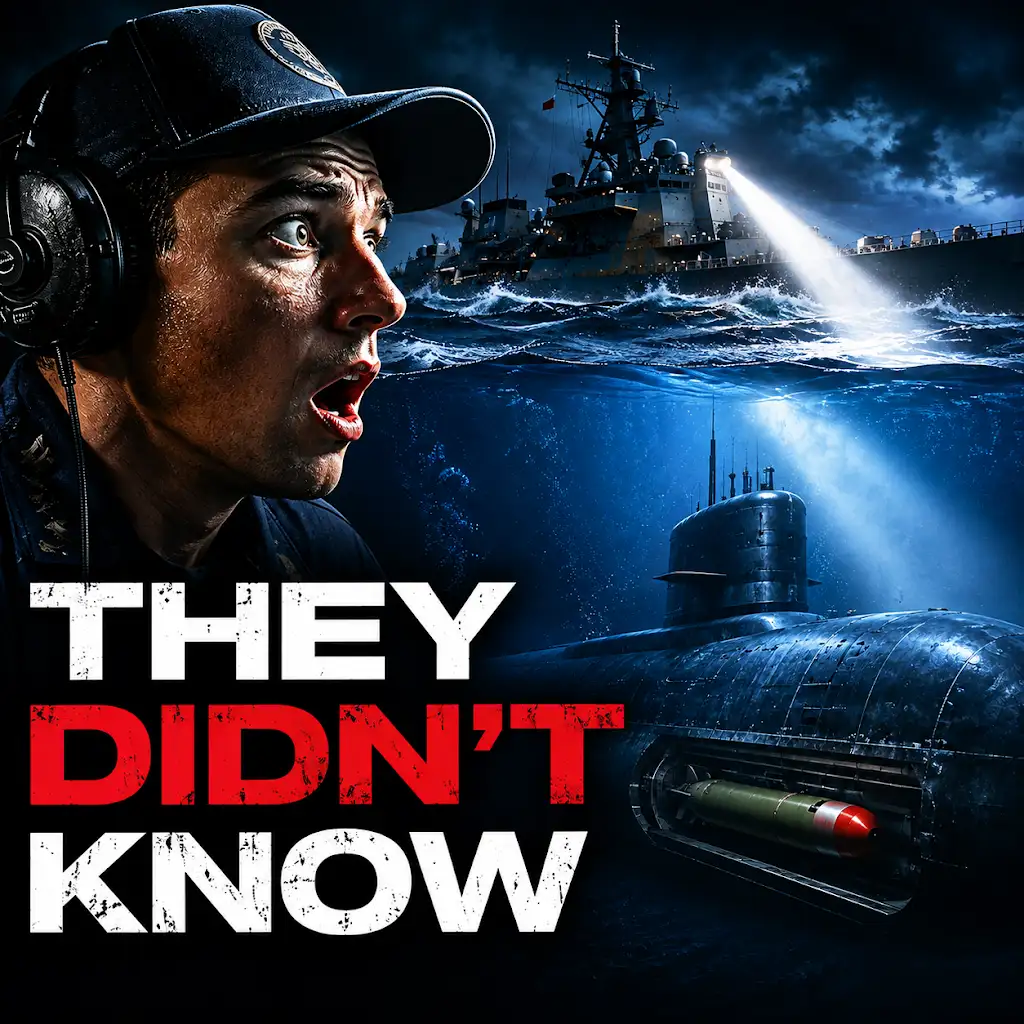
The U.S. Navy Didn’t Know This Submarine Had a Nuclear Torpedo

FAQs
What is the Project 641 B-59 submarine?
The Project 641 B-59 submarine, also known as the Foxtrot-class submarine, was a class of diesel-electric submarines built by the Soviet Union during the Cold War.
When was the Project 641 B-59 submarine in service?
The Project 641 B-59 submarine was in service from the 1950s to the 1990s, primarily with the Soviet Navy.
What were the capabilities of the Project 641 B-59 submarine?
The Project 641 B-59 submarine was capable of carrying torpedoes and anti-ship missiles, and had a range of approximately 10,000 nautical miles.
Where is the Project 641 B-59 submarine located now?
The Project 641 B-59 submarine is currently located at the Maritime Museum of San Diego in California, where it is open to the public for tours.
What is the historical significance of the Project 641 B-59 submarine?
The Project 641 B-59 submarine played a significant role in the Cold War and is one of the few remaining Foxtrot-class submarines preserved as a museum ship. It provides valuable insight into the technology and operations of Soviet submarines during that era.