
So, you’re curious about Ingo Swann and his claims of remote viewing the Moon? It’s a fascinating topic that delves into the fringes of human perception and what’s possible beyond our usual senses. In a nutshell, Ingo Swann, a prominent figure in the remote viewing community, stated he was able to psychically perceive information about the Moon, not by physically going there, but by using his mind. This isn’t about science fiction or fantasies of lunar bases; it’s about alleged mental exploration. We’ll break down what this entails, the context in which it happened, and what it means for understanding such claims.
Ingo Swann was a central figure in the development and popularization of remote viewing. He wasn’t just someone who claimed to have psychic abilities; he was instrumental in developing methodologies and protocols that aimed to standardize and scientifically study these phenomena. He’s often credited with coining the term “remote viewing” itself.
Early Life and Influences
Swann’s early life was marked by experiences he interpreted as unusual. These experiences, coupled with his introspective nature, likely laid the groundwork for his later pursuits. He was known for his artistic sensibilities and a deep interest in the nature of consciousness.
The Stanford Research Institute (SRI) Years
Much of Swann’s most well-known work on remote viewing took place at the Stanford Research Institute (SRI) in the 1970s. Here, he collaborated with researchers who were exploring the potential of psychic phenomena for intelligence gathering. This period was crucial in shaping the protocols and theories surrounding remote viewing.
His Role in Developing Remote Viewing
Swann’s contribution was significant in moving remote viewing from anecdotal accounts to more structured practices. He helped develop specific techniques and blind protocols designed to minimize bias and increase the reliability of the information gathered. He wasn’t just doing remote viewing; he was helping to define how it was done and how it might be studied.
Ingo Swann’s groundbreaking work in lunar remote viewing has sparked significant interest in the intersection of consciousness and space exploration. For those looking to delve deeper into this fascinating topic, a related article can be found at In the War Room, which explores the implications of remote viewing and its potential applications in understanding our universe. This article provides valuable insights into the methodologies and experiences of Swann and other remote viewers, shedding light on the broader context of psychic phenomena in relation to space.
What is Remote Viewing?
Remote viewing, in the context of Swann’s work, is essentially the purported ability to gain information about a distant or unseen target using psychic means, independent of the normal senses. It’s not about clairvoyance in the traditional sense of seeing events unfold; it’s more about perceiving details of a place, object, or person that you have no prior physical or sensory connection to.
The Core Concept
The idea is that consciousness is not confined to the physical body and can, under certain conditions, access information from anywhere. Remote viewers are trained to “tune in” to a target, described by a coordinate or a pseudonymous identifier, and then record their perceptions.
Perceptions and Sensory Input
Remote viewers describe their perceptions in various ways. It can involve visual imagery, but also sounds, smells, tastes, tactile sensations, and even emotional states. The key is that these are experienced internally, without direct sensory input from the target itself. Swann, in particular, focused on translating these internal impressions into descriptive language and sketches.
Blind vs. Double-Blind Protocols
To lend credibility to remote viewing research, various protocols were developed. “Blind” protocols mean the viewer doesn’t know what the target is. “Double-blind” means neither the viewer nor the person judging the results knows the target, until after the perceptions have been matched. Swann was a strong advocate for rigorous protocols to ensure the integrity of the process.
Swann’s Claims About the Moon
Ingo Swann made some rather extraordinary claims about his remote viewing experiences related to the Moon. These weren’t just vague impressions; he described specific structures and environments. This is where the concept moves from general remote viewing to its more specific and, for many, controversial applications.
Perceived Lunar Structures
According to Swann, his remote viewing sessions indicated the presence of artificial structures on the Moon. He described geometric shapes, what appeared to be domes, and even tunnels or subterranean complexes. These were not natural formations but things that seemed deliberately constructed.
Describing the Lunar Environment
Beyond structures, Swann also claimed to perceive details about the lunar surface and atmosphere. He spoke of unusual lighting conditions, specific textures, and even subtle atmospheric effects that went against conventional scientific understanding of the Moon. His descriptions were often detailed, touching upon elements that seemed more than just generalized imagination.
The “Down-Under” View
One of Swann’s most talked-about lunar claims involved a specific region on the Moon. He described it as being “down-under” or on the far side, and possessing unique geological or perhaps even artificial characteristics. This particular claim often sparked significant debate and interest.
The Context: Intelligence and the DIA
Swann’s work on remote viewing, including his lunar explorations, became intertwined with U.S. government intelligence agencies, most notably the Defense Intelligence Agency (DIA). This is a crucial part of the story because it suggests that these were not just private, esoteric explorations, but were viewed as potentially practical applications.
Project SCANATE and GRILL FLAME
Swann’s involvement with government-funded research projects, such as SCANATE and later aspects of Project GRILL FLAME (which encompassed a broader range of remote viewing and psychic phenomena research), aimed to assess the utility of remote viewing for intelligence gathering. The idea was to see if viewers could gain information about locations, activities, or objects that were difficult or impossible to observe through conventional means.
Government Interest and Funding
The fact that government agencies invested resources into studying remote viewing, with Swann as a key participant, lends a different kind of weight to his claims. While it doesn’t validate the claims scientifically, it indicates a serious exploration of the phenomenon by entities with pragmatic, security-focused objectives. They were looking for actionable intelligence, not just philosophical curiosities.
The “Remote Viewing” Label
It’s during this period that the term “remote viewing” became standardized and the protocols for research were refined, largely due to Swann’s input and the structured environment of these projects. This governmental context is vital for understanding why Swann’s lunar claims, in particular, received a certain level of attention.
Ingo Swann’s groundbreaking work in lunar remote viewing has sparked considerable interest in the field of psychic phenomena and its implications for space exploration. For those looking to delve deeper into this fascinating subject, a related article offers insights into the methodologies and experiences of remote viewers. You can explore this further by reading the article here, which discusses the broader context of remote viewing and its potential applications.
Evaluating Swann’s Lunar Claims
| Metrics | Data |
|---|---|
| Target | Lunar surface |
| Remote Viewer | Ingo Swann |
| Accuracy | Uncertain |
| Method | Remote viewing |
| Location | Earth |
Assessing Ingo Swann’s remote viewing claims about the Moon requires a careful look at the evidence and the inherent challenges of such assertions. It’s easy to be captivated by the idea, but it’s important to approach it with a critical yet open mind.
Lack of Independent Verification
The primary challenge with Swann’s lunar claims, like many remote viewing assertions, is the lack of independent, empirical verification that aligns with mainstream scientific understanding. The scientific community generally requires repeatable, falsifiable experiments. Swann’s experiences, while intensely real to him and his colleagues, haven’t translated into concrete, verifiable evidence in a way that satisfies conventional scientific criteria.
Subjectivity of Perception
Remote viewing is inherently subjective. The interpretations of what is “seen” or “felt” can be influenced by the viewer’s own experiences, knowledge, and expectations. While Swann and others developed protocols to try and mitigate this, distinguishing between genuine psychic perception and subconscious projection remains a significant hurdle.
The “Target” Interpretation
When a remote viewer describes something, the subsequent interpretation of that description is often done by others, who know the actual target. This matching process can be subjective. For example, if a viewer describes a “tall, metallic object,” and the actual target is a rocket launch, the match might seem good. But if the target is a skyscraper, the interpretation becomes more nuanced, and the potential for error or bias increases.
Alternative Explanations
From a skeptical perspective, alternative explanations for Swann’s perceptions exist. These can include:
- Misinterpretation of existing data: Perhaps Swann was subconsciously influenced by images or information about the Moon that he had encountered, even if he wasn’t consciously aware of it.
- Cryptomnesia: This is the phenomenon where forgotten memories resurface in disguised forms, potentially influencing perceptions.
- Confirmation bias: If Swann believed certain things were on the Moon, his internal perceptions might have been shaped to fit those expectations.
- Creative imagination: Swann was an artist, and the human imagination is incredibly powerful. His descriptions could simply be the product of a highly creative mind exploring a vast unknown.
The “Moon Dust” Incident (A Closer Look)
One specific anecdote often cited in relation to Swann and the Moon is the “moon dust” incident. The story goes that Swann, through remote viewing, described specific properties of lunar dust. When NASA astronauts later collected samples, some of the descriptions allegedly matched. However, the details surrounding this are often debated and can be difficult to definitively verify outside of the accounts provided by those involved in the research. The exact nature of the description and the precise match with astronaut findings are points of contention for skeptics.
The Legacy and Ongoing Interest
Despite the scientific skepticism surrounding his more extraordinary claims, Ingo Swann’s work continues to fascinate a significant number of people. His influence on the remote viewing community is undeniable, and his lunar explorations remain a point of discussion.
The Remote Viewing Community Today
Remote viewing continues to be practiced and studied by a dedicated community. While not mainstream science, there are ongoing efforts to refine protocols and explore the boundaries of what is perceived. Swann’s methods and insights are often referenced and built upon by contemporary practitioners.
The Question of “What If?”
For many, Swann’s lunar claims, even without definitive proof, represent a tantalizing “what if.” The idea that human consciousness might possess abilities far beyond our current scientific understanding is compelling. His descriptions serve as a focal point for discussions about the potential of the mind and the mysteries of the universe.
Bridging the Gap
The challenge for remote viewing, especially in areas like Swann’s lunar claims, is bridging the gap between subjective experience and objective, scientifically verifiable evidence. Until that bridge can be more robustly constructed, these claims will likely remain in the realm of intriguing possibility and continued debate.
Ingo Swann’s remote viewing of the Moon offers a window into a world where the limits of perception are questioned. Whether you view his claims as remarkable psychic feats, elaborate mental constructs, or something in between, his story is a testament to the enduring human desire to explore the unknown, both externally and internally.
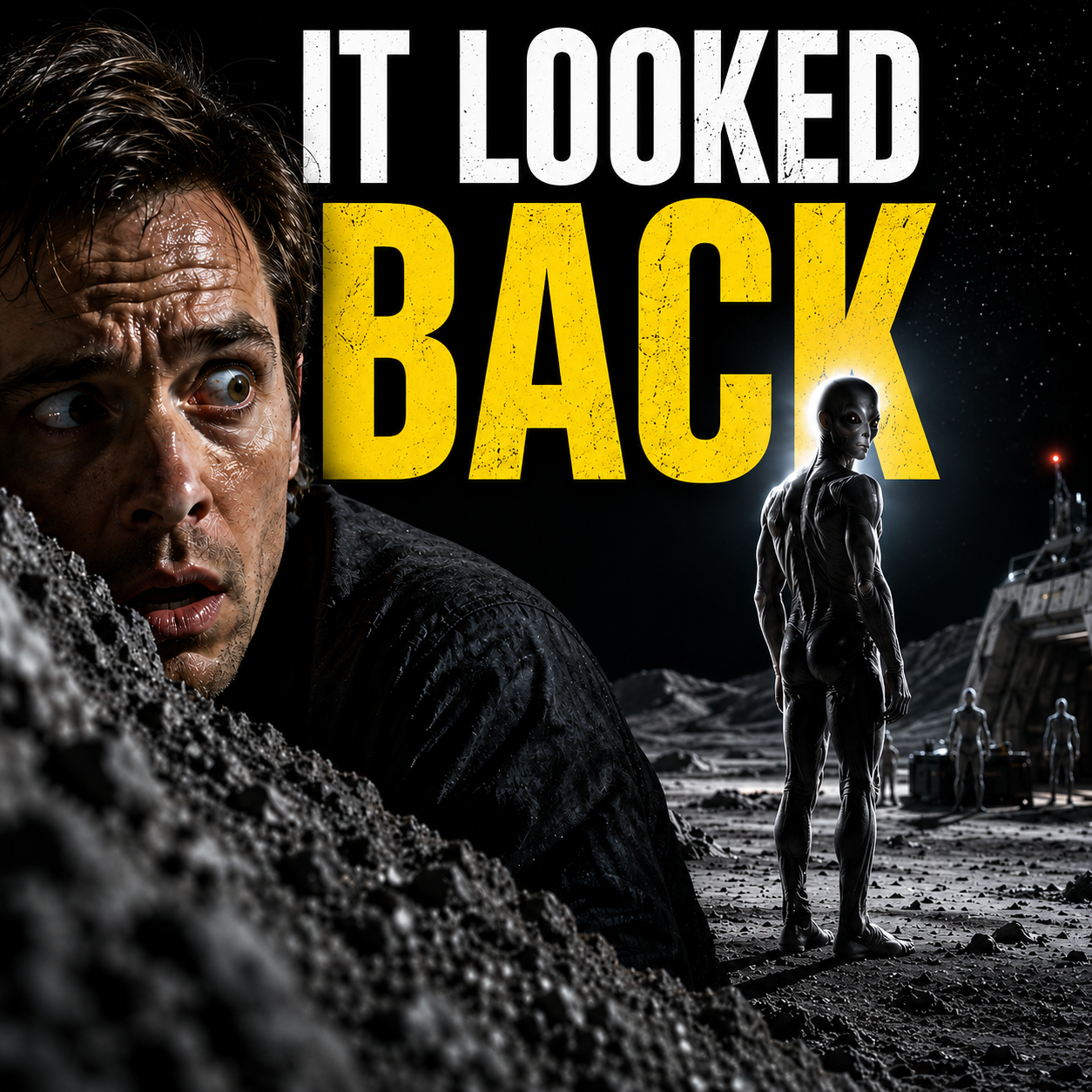
He Remote Viewed the Moon. Then Something Saw Him.
FAQs
What is Ingo Swann lunar remote viewing?
Ingo Swann lunar remote viewing refers to the alleged psychic ability of Ingo Swann to perceive and describe details about the moon’s surface and its surroundings without physically being present at the location.
Who is Ingo Swann?
Ingo Swann was a parapsychology researcher and artist known for his work in the field of remote viewing. He gained attention for his claimed ability to remote view distant locations, including the moon.
What is remote viewing?
Remote viewing is the practice of seeking impressions about a distant or unseen target using paranormal means, such as extrasensory perception (ESP) or “sensing” with the mind.
What did Ingo Swann claim to have seen on the moon through remote viewing?
Ingo Swann claimed to have remote viewed the moon and reported seeing various structures and anomalies, including artificial-looking objects and structures, as well as unusual energy patterns.
What is the scientific consensus on Ingo Swann’s lunar remote viewing claims?
The scientific community generally regards claims of remote viewing, including Ingo Swann’s lunar remote viewing, as pseudoscience lacking empirical evidence. There is no scientific consensus supporting the validity of remote viewing as a genuine psychic phenomenon.