
The Genesis of a Strategic Hub: Wünsdorf’s Early Days
The story of Wünsdorf, nestled in Brandenburg, Germany, is inextricably linked to the strategic ambitions of the German Empire and later, the Soviet Union. Its evolution from a quiet rural area to a formidable military headquarters is a testament to its enduring significance in the landscape of 20th-century European military history. The origins of Wünsdorf’s military importance can be traced back to the late 19th century, a period marked by rapid industrialization and an escalating arms race across the continent. It was within this context of growing nationalistic fervor and a perceived need for enhanced military readiness that the site began to garner attention.
The Prussian Military’s Foresight
The Prussian military, known for its meticulous planning and strategic acumen, identified Wünsdorf for its advantageous geographical location. Situated south of Berlin, it offered a relatively secluded yet accessible area suitable for large-scale military maneuvers and the establishment of training grounds. The burgeoning railway network of the time also played a crucial role, providing efficient transport for troops and supplies. This period saw the initial development of military infrastructure, laying the groundwork for what would become a sprawling complex of barracks, administrative buildings, and logistical facilities. The establishment of a royal military shooting range (Königliches Militär-Schießplatz) was one of the earliest significant developments, signaling the area’s intended military purpose. This was not merely an ad hoc decision but a calculated move to create a centralized training and testing ground for the Prussian army, which would soon become the backbone of a unified German military. The land was acquired, and initial construction began, focusing on creating a functional and discreet environment for military operations. The presence of surrounding forests and undulating terrain provided natural cover and facilitated realistic training scenarios.
The Dawn of the Great War and Wünsdorf’s Expansion
The outbreak of World War I in 1914 dramatically accelerated the development of Wünsdorf. The demands of a total war required a significant expansion of military infrastructure to support the mobilization of vast armies and the coordination of complex operations. Wünsdorf became a vital hub for troop movements, logistical support, and communication. The sheer scale of the conflict necessitated the construction of new barracks, depots, and command centers. The site’s proximity to the capital, Berlin, further cemented its importance as a strategic command and control center. During this period, Wünsdorf transitioned from a primarily training facility to a fully operational military headquarters, playing a crucial role in the German war effort. The strategic importance of Wünsdorf was recognized at the highest levels of command, and resources were poured into its expansion. New railway lines were built to connect directly to the front lines, and extensive underground facilities began to be conceived, though their full realization would come later. This era marked a significant phase in Wünsdorf’s history, transforming it into a more substantial and integrated component of Germany’s military machinery.
The Wünsdorf military headquarters, known for its strategic significance during the Cold War, has been the subject of various historical analyses. For a deeper understanding of its role and impact, you can explore a related article that delves into the intricacies of military operations and the geopolitical landscape of the time. To read more about this fascinating topic, visit this article.
The Interwar Period and the Seeds of a Superpower Headquarters
Following the armistice of 1918 and the subsequent Treaty of Versailles, Germany’s military capabilities were severely restricted. However, the foundations laid at Wünsdorf during the imperial era proved resilient. The interwar period, despite its limitations, saw a clandestine and strategic consolidation of Wünsdorf’s military significance, particularly under the nascent Weimar Republic and its secret rearmament efforts. The site retained its importance for training and administrative functions, albeit on a smaller scale, and began to serve as a repository for military knowledge and planning.
Hidden Development Under the Weimar Republic
The Treaty of Versailles imposed strict limitations on the size and nature of the German military. However, this did not signify an end to military development. The Weimar Republic, often under the guise of civilian organizations or through clandestine cooperation with the Soviet Union, continued to foster military expertise and research. Wünsdorf, with its existing infrastructure and relative isolation, became a crucial site for these activities. It served as a location for secret training programs, the development of new military doctrines, and the storage of restricted military equipment. The relatively low profile of the site during this period allowed for a degree of discreet development, laying the groundwork for its future expansion under a more aggressive regime. The focus was on maintaining a core of experienced military personnel and preserving essential technological knowledge, making Wünsdorf a quiet but vital center of military continuity.
The Shadow of Nazism and Further Fortification
The rise of the Nazi Party in 1933 ushered in a new era of aggressive rearmament and expansionism. Wünsdorf’s strategic importance was immediately recognized and amplified. The Third Reich embarked on a massive program of military build-up, and Wünsdorf was at the forefront of this endeavor. The existing facilities were expanded significantly, and new, more sophisticated structures were erected. This period saw the construction of reinforced concrete bunkers, extensive underground communication centers, and vast logistical complexes designed to support a projected global conflict. Wünsdorf was transformed into a central command and control hub for the German Wehrmacht, housing critical intelligence agencies and operational planning departments. The sheer scale of the fortifications and the strategic importance of the facilities underscore the critical role Wünsdorf was intended to play in Nazi Germany’s war machine. This period witnessed the most substantial physical expansion of Wünsdorf up to that point, solidifying its reputation as a formidable military stronghold.
The Cold War Citadel: Wünsdorf Under Soviet Control
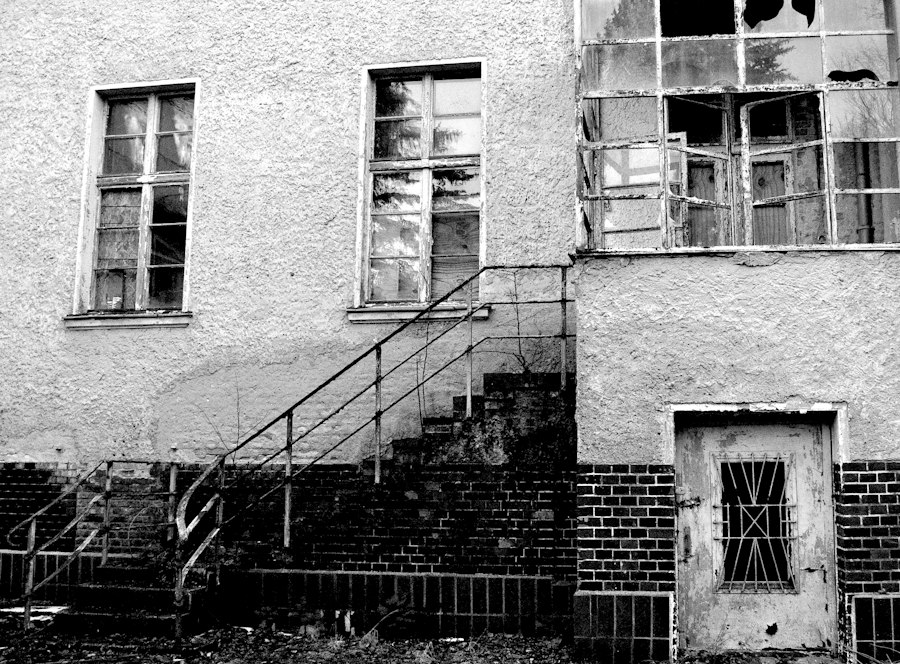
The end of World War II marked a dramatic turning point for Wünsdorf. The victorious Allied powers occupied Germany, and Wünsdorf, located within the Soviet occupation zone, soon fell under the control of the Union of Soviet Socialist Republics (USSR). This marked the beginning of Wünsdorf’s longest and perhaps most significant chapter as a major Soviet military headquarters, a role it would maintain for nearly five decades. The Soviets recognized the immense strategic value of the existing infrastructure and the site’s location.
Transition to a Soviet Command Center
Upon taking control, the Soviets immediately recognized Wünsdorf’s potential as a primary command and control center for their forces in East Germany and, by extension, their influence in Eastern Europe. The existing German fortifications and infrastructure provided an excellent starting point for the construction of a vast Soviet military complex. Extensive modifications and additions were made, transforming Wünsdorf into one of the largest and most secure Soviet military installations outside the Soviet Union itself. The site housed the headquarters of the Group of Soviet Forces in Germany (GSFG), the formidable military formation responsible for maintaining Soviet dominance in the region. This era saw the construction of massive underground bunkers, vast troop garrisons, and extensive logistical networks, all designed to support a protracted conflict with NATO.
The Spy Capital of East Germany
Beyond its role as a military headquarters, Wünsdorf evolved into a clandestine hub for Soviet intelligence operations. Its secure and extensive facilities provided an ideal environment for the KGB and other Soviet intelligence agencies to conduct their operations in West Germany and across Western Europe. The site housed sophisticated communication interception equipment, training facilities for spies, and secure areas for debriefing agents and analyzing intelligence. Wünsdorf became a veritable “spy capital,” a place where secrets were gathered, processed, and disseminated. The existence of a vast, well-equipped intelligence apparatus within Wünsdorf contributed significantly to the global espionage efforts of the Soviet Union during the Cold War. The sheer scale of the intelligence infrastructure, including elaborate radio interception stations and secure communication lines, underscored its paramount importance in the global intelligence landscape.
Life and Infrastructure within the Forbidden Zone
For the thousands of Soviet soldiers, their families, and the civilian workers stationed at Wünsdorf, life was largely confined to the “forbidden zone” – a heavily guarded military compound that was largely inaccessible to the outside world. The Soviet authorities spared no expense in creating a self-sufficient community within Wünsdorf. This included the construction of housing, schools, shops, hospitals, and recreational facilities, designed to cater to the needs of its inhabitants and ensure a degree of comfort and normalcy within the confines of the military complex. The infrastructure was built to withstand potential nuclear attack, with reinforced buildings and extensive underground facilities. The presence of these amenities created a unique, albeit isolated, micro-society within the heart of East Germany, a testament to the Soviet Union’s commitment to maintaining a strong and self-contained military presence. The daily lives of those within Wünsdorf were shaped by the strict security protocols and the pervasive military atmosphere.
The Post-Soviet Era and the Transformation of Wünsdorf
The dissolution of the Soviet Union in 1991 brought about a seismic shift in the geopolitical landscape and, consequently, for Wünsdorf. The withdrawal of Soviet forces left a vast military complex abandoned, initiating a period of transformation and eventual repurposing of this once formidable stronghold.
The Great Soviet Withdrawal
The late 1980s and early 1990s witnessed the gradual withdrawal of Soviet troops from Eastern Europe, a process that culminated with the complete departure of Soviet forces from Germany in 1994. This marked the end of an era for Wünsdorf, as the vast military complex was handed back to German authorities. The withdrawal was a monumental logistical undertaking, involving the dismantling of entire military garrisons and the relocation of thousands of personnel and vast quantities of equipment. The sheer scale of the departure left behind an enormous, largely empty, military town. The infrastructure, from sprawling barracks to underground bunkers, stood as a silent testament to the Cold War military presence. This period of transition was marked by uncertainty about the future use of the extensive facilities.
From Military Ghost Town to New Beginnings
Following the withdrawal, Wünsdorf faced the daunting task of reinventing itself. The once-bustling military complex became a “military ghost town,” with vast tracts of land and numerous buildings left vacant. The German authorities were faced with the challenge of managing and repurposing this immense infrastructure. Initially, some of the buildings were used for temporary housing or storage. However, a more comprehensive plan for revitalization was gradually developed. This involved the demolition of some structures, the renovation of others, and the repurposing of the remaining space for new civilian uses. The process of transforming such a large military complex into a functional civilian area was complex and time-consuming, requiring significant investment and strategic planning.
The Wünsdorf military headquarters, known for its significant role during the Cold War, has been the subject of various studies and articles that delve into its historical importance. For those interested in exploring more about this fascinating site, you can read a related article that discusses its strategic significance and the impact it had on military operations in Europe. This insightful piece can be found here, providing a deeper understanding of Wünsdorf’s legacy.
Wünsdorf Today: A Legacy of the Past, a Vision for the Future
| Metric | Details |
|---|---|
| Location | Wünsdorf, Brandenburg, Germany |
| Established | 1910 |
| Primary Use | Military Headquarters and Command Center |
| Notable Occupants | German Army High Command (Oberkommando des Heeres), Wehrmacht, Soviet Army |
| Area Covered | Approximately 100 hectares |
| Number of Buildings | Over 100 military and administrative buildings |
| Historical Significance | Central command site during both World Wars and Cold War |
| Current Status | Partially preserved as a museum and cultural site |
Today, Wünsdorf is a place of contrasts. The remnants of its formidable military past coexist with a burgeoning civilian community and new economic activities. The historical significance of the site is recognized, and efforts are underway to preserve its legacy while embracing its future.
Preserving the Echoes of History
Efforts are actively being made to preserve the historical memory of Wünsdorf’s military past. Several former military buildings and installations have been designated as historical monuments, offering a tangible link to the site’s rich and complex history. Guided tours and exhibitions are organized, allowing visitors to explore the underground bunkers, the former headquarters, and other significant structures, providing insights into the lives of the soldiers and intelligence officers who once occupied these spaces. Museums and historical societies are dedicated to documenting and presenting the story of Wünsdorf, ensuring that its role in 20th-century military and political history is not forgotten. The preservation of these physical remnants serves as a powerful reminder of the Cold War era and its global implications.
Civilian Resurgence and Modern Development
Wünsdorf is now experiencing a significant civilian resurgence. The former military housing has been renovated and repurposed, attracting new residents to the area. Businesses, both small and large, have established themselves within the former military infrastructure, breathing new life into the town. Educational institutions and research facilities have also found a home in Wünsdorf, taking advantage of the available space and its unique historical context. The development of new residential areas, commercial centers, and recreational facilities is transforming Wünsdorf into a vibrant and modern community. This revitalized Wünsdorf is a testament to its ability to adapt and evolve, shedding its military past while embracing a promising future. The historical significance of the site is increasingly viewed as an asset, drawing visitors and researchers interested in military history and Cold War espionage. The ongoing transformation of Wünsdorf represents a successful example of post-military site regeneration, balancing historical preservation with the creation of a thriving contemporary community.
Operation Gold: The Day the Soviets Busted the CIA’s Secret Tunnel
FAQs
What was the purpose of the Wünsdorf military headquarters?
The Wünsdorf military headquarters served as the central command center for the German Army during World War I and World War II.
When was the Wünsdorf military headquarters established?
The Wünsdorf military headquarters was established in 1910 as the Prussian Army’s main training facility.
How did the Wünsdorf military headquarters contribute to military operations during World War II?
During World War II, the Wünsdorf military headquarters played a crucial role in coordinating military operations, communications, and strategic planning for the German Army.
What was the significance of the Wünsdorf military headquarters in German military history?
The Wünsdorf military headquarters was one of the largest and most important military installations in Germany, known for its strategic importance and advanced communication systems.
Is the Wünsdorf military headquarters still in operation today?
No, the Wünsdorf military headquarters ceased operations after World War II and the site has since been repurposed for other uses.