The Echoes of History: Berlin’s Underground Spectacle
Berlin, a city steeped in a tumultuous past, offers a unique perspective on its history not just through its grand boulevards and imposing monuments, but also through the labyrinthine network of tunnels that lie beneath its surface. Among these subterranean arteries, one particular tunnel has transcended its utilitarian origins to become an iconic public viewing experience, a place where art, history, and urban exploration converge to offer visitors an unforgettable glimpse into the city’s soul. This is the story of exploring Berlin’s iconic tunnel, a journey that delves deep into the earth and into the heart of human ingenuity and resilience.
The recent public viewing event held in Berlin’s iconic tunnel has garnered significant attention, showcasing the city’s vibrant culture and community spirit. For those interested in exploring more about this unique gathering and its impact on local residents, you can read a related article that delves deeper into the experience and atmosphere of the event. Check it out here: In the War Room.
Beneath the Surface: Unearthing the Tunnel’s Purpose
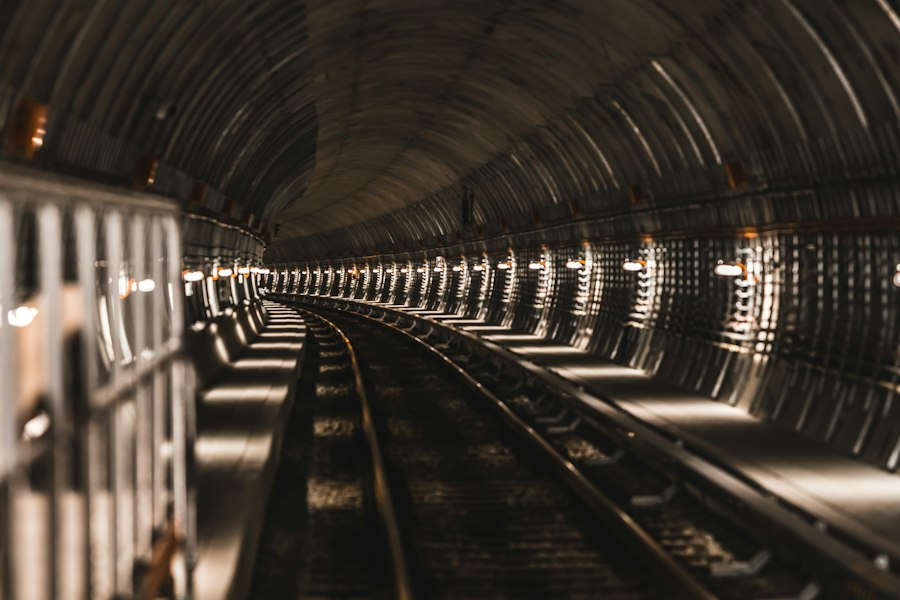
The tunnel, a marvel of engineering and a testament to a bygone era, was not initially conceived for artistic expression or public fascination. Its primary purpose was far more practical, a vital artery designed to serve the burgeoning city. Understanding its original function is crucial to appreciating the transformative journey it has undergone. The construction of this extensive underground network was a monumental undertaking, driven by the demands of a rapidly industrializing and expanding metropolis. Early 20th-century Berlin, a powerhouse of innovation and ambition, required sophisticated infrastructure to support its growth.
The Strategic Genesis: Transport and Utility
The genesis of the tunnel system, and its most prominent segment in question, lies in the strategic planning of urban development during a period of significant population increase and technological advancement. Berlin, then the capital of the German Empire and later the Weimar Republic, was undergoing unprecedented expansion. The existing surface infrastructure, while impressive, was straining under the weight of increased traffic and the need for efficient movement of goods and people. The decision to delve underground was a forward-thinking one, aiming to alleviate congestion and create a more streamlined urban environment.
The primary function of these tunnels was multifaceted. They were designed to house essential utilities, including electrical cables, gas lines, and water mains, ensuring the efficient and reliable supply of these vital services to the ever-growing population. Furthermore, a significant portion of the network was dedicated to transportation. While the iconic section discussed here may not have been a direct passenger railway line in its entirety, it was part of a larger system intended for the movement of goods and, in some cases, emergency personnel. These subterranean pathways offered a shielded and dependable route, less susceptible to the vagaries of weather and surface-level disruptions. The sheer scale of the undertaking speaks volumes about the ambition and engineering prowess of the time. Excavating miles of tunnels, shoring them up with robust materials, and integrating complex utility systems was a Herculean task, requiring immense labor, resources, and technical expertise. The tunnels were a silent testament to the city’s forward momentum, a hidden infrastructure powering its visible prosperity.
A Shifting Landscape: From Utility to Sanctuary
Over time, the needs of the city evolved, and the original purposes of some sections of the tunnel network began to diminish or change. Technological advancements in utility distribution and changes in transportation strategies led to a gradual phasing out of certain underground routes. However, it was during a period of immense societal upheaval and existential threat that the tunnel found a new, profound purpose: a sanctuary. The tumultuous years of the mid-20th century, marked by war and division, transformed the once purely utilitarian spaces into vital shelters.
The tunnels, with their solid construction and subterranean security, became crucial havens for civilians seeking refuge from air raids during World War II. The experience of huddling in the damp, echoing darkness, surrounded by the rumble of distant bombs, etched itself into the collective memory of those who endured it. Later, during the Cold War and the division of Berlin, these tunnels took on a different, yet equally vital, role. They became pathways for escape, for individuals yearning for freedom, and for those attempting to reunite families separated by the Iron Curtain. The daring crossings, the meticulous planning, and the sheer courage required to navigate these hidden routes are legendary. This history of refuge and escape imbues the tunnel with a profound human resonance, a layer of meaning far beyond its original engineering intent. It transitioned from a functional conduit to a space that bore witness to fear, hope, and the enduring human spirit.
The Artistic Metamorphosis: Breathing Life into Stone
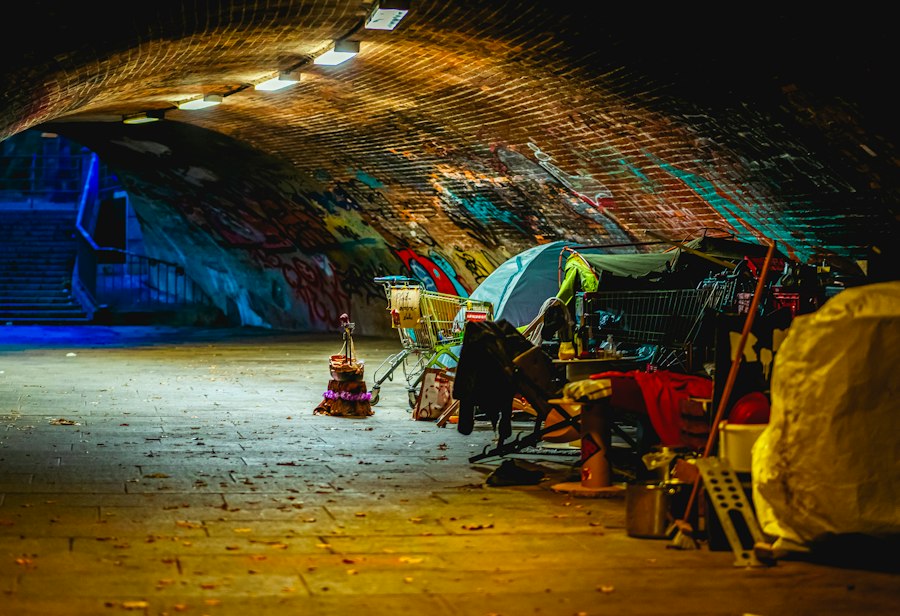
The transition of this historical tunnel from a purely functional and sometimes clandestine space into a vibrant public art installation is a remarkable story of urban regeneration and creative vision. It is a testament to the power of art to transform forgotten spaces, to imbue them with new meaning, and to engage the public in a profound and accessible way. The artists who have contributed to this transformation have not merely decorated the walls; they have woven narratives, evoked emotions, and invited dialogue, turning the subterranean darkness into a canvas of light and expression.
A Canvas Unveiled: The Genesis of the Art Project
The initiative to transform the tunnel into an art space was born from a desire to reclaim and reinterpret a piece of Berlin’s past, making it accessible and engaging for a contemporary audience. For years, certain sections of the tunnel lay dormant, their historical significance largely hidden from public view. Various groups, including city authorities, cultural organizations, and art collectives, recognized the immense potential of these subterranean spaces. The idea was to move beyond the traditional museum experience, to create an immersive environment where art and history could coexist, offering a unique and visceral encounter.
The initial stages involved careful planning and structural assessments to ensure the safety and accessibility of the tunnel. Once these practical considerations were addressed, the focus shifted to the artistic vision. The project aimed to commission and curate a diverse range of artworks that would reflect the multifaceted history of the tunnel and its surroundings, as well as address broader themes of urban life, memory, and human connection. The artists were encouraged to engage directly with the environment, allowing the very fabric of the tunnel – its texture, its echoes, its inherent atmosphere – to inspire their creations. This approach ensured that the art would be intrinsically linked to the space, creating a dialogue between the artist’s intent and the tunnel’s historical narrative. The goal was not simply to display art, but to create an experience, a journey that unfolded as visitors moved through the illuminated passages.
A Spectrum of Expression: Artistic Styles and Themes
The resulting exhibition is a vibrant tapestry of artistic styles and thematic explorations, showcasing the incredible talent and diverse perspectives of the participating artists. The dimly lit expanse of the tunnel becomes a stage for a wide array of visual narratives, each contributing to the overall immersive experience. Visitors are greeted by large-scale murals that command attention, their bold colors and intricate designs transforming the stark concrete walls into dynamic storyboards. These murals often delve into the historical context of the tunnel, depicting scenes from its past – the bustling activity of its operational days, the anxiety and hope of wartime shelters, or the clandestine movements of escape attempts.
Beyond the monumental murals, the tunnel features a variety of other artistic interventions. Sculptures, some suspended from the ceiling, others integrated into the existing architecture, add a three-dimensional element to the exhibition, inviting viewers to engage with the space from different angles. Installations that play with light and shadow create shifting moods and perceptions, drawing attention to the unique acoustics and spatial qualities of the tunnel. Photography and multimedia displays offer more intimate glimpses into personal stories and historical moments, providing a counterpoint to the grander visual statements. The thematic range is equally impressive. While history is a prevalent thread, artists also explore contemporary urban issues, social commentary, and abstract concepts. There are pieces that evoke a sense of wonder and introspection, while others are provocatively challenging. This eclecticism ensures that the experience is constantly surprising and engaging, catering to a wide range of artistic tastes and intellectual interests. The tunnel, in essence, becomes a living gallery, its walls a testament to the enduring power of human creativity and its ability to find expression even in the most unexpected of places.
The Visitor Experience: A Journey into the Depths
Exploring Berlin’s iconic tunnel is not merely a passive viewing of art; it is an active, sensory engagement with history and creativity. The journey is carefully curated to guide visitors through the subterranean world, allowing them to absorb the atmosphere, appreciate the artistry, and connect with the stories embedded within the stone. Every element, from the lighting to the sound design, contributes to a truly unique public viewing experience that lingers long after exiting the underground.
Navigating the Labyrinth: Entry and Exploration
The experience typically begins with a designated entry point, often a discreet doorway or stairwell that signals the descent into the earth. As visitors descend, the ambient noise of the city fades, replaced by a palpable sense of quietude and anticipation. The initial impression is often one of coolness and a slight dampness in the air, a sensory cue that they are entering a different realm. Well-placed lighting, often strategic spotlights and ambient illumination, plays a crucial role in revealing the artwork and highlighting the tunnel’s architectural features without compromising the subterranean atmosphere. This lighting design is meticulously planned to create dramatic contrasts, casting shadows that enhance the sculptural qualities of the art and the raw texture of the walls.
The layout of the tunnel is designed to encourage a linear progression, guiding visitors along a specific path that allows them to experience the artworks in a curated sequence. Information panels, often discreetly placed, provide context and insights into the historical significance of the tunnel and the artists’ intentions. However, the experience is primarily visual and atmospheric, encouraging visitors to absorb the ambiance and interpret the art through their own perspectives. The narrowness of some passages can create a sense of intimacy, while wider sections open up to reveal more expansive murals or installations. The unique acoustics of the tunnel often amplify footsteps and hushed conversations, adding to the immersive quality of the exploration. The journey is akin to navigating a narrative, where each turn reveals a new chapter, a new visual story etched into the very fabric of the earth.
Echoes of the Past, Vibrancy of the Present: The Sensory Impact
The sensory impact of the tunnel experience is profound and multifaceted. Visually, it is a feast of color, form, and light, a stark contrast to the often muted tones of the underground environment. The scale of some of the murals is breathtaking, engulfing visitors in vibrant narratives that stretch across vast expanses of concrete. The interplay of light and shadow adds a dynamic dimension, transforming static artworks into living entities that seem to shift and evolve with the viewer’s movement. The tactile experience, while limited due to the nature of the exhibition, is evoked by the raw textures of the tunnel walls, the rough concrete, and the cool, smooth surfaces where artwork is applied.
Auditorily, the tunnel offers a unique soundscape. The absence of the usual urban cacophony allows for the subtle nuances of sound to be amplified. The echo of footsteps, the murmur of voices, and sometimes the inclusion of curated sound installations create an immersive auditory environment that complements the visual experience. The stillness of the underground can also be deeply affecting, fostering a sense of introspection and contemplation. The air itself can carry a faint, earthy scent, a reminder of the subterranean world. The combination of these sensory elements creates a powerful emotional resonance. Visitors often report a feeling of stepping back in time, of connecting with the historical weight of the space, while simultaneously being uplifted by the creativity and vibrancy of the contemporary art. It is an experience that stimulates the mind, engages the senses, and often leaves a lasting impression, a powerful reminder of Berlin’s enduring capacity for reinvention and artistic expression.
The recent tunnel public viewing event in Berlin has garnered significant attention, showcasing the city’s vibrant culture and community spirit. For those interested in exploring more about this unique gathering, you can read a related article that delves into the history and significance of public viewing events in urban spaces. This piece offers insights into how such events foster social connections and enhance the urban experience. To learn more, check out the article here.
Preserving the Legacy: Conservation and Future Vision
| Metric | Details |
|---|---|
| Event Name | Tunnel Public Viewing Berlin |
| Location | Berlin, Germany |
| Type of Event | Public Viewing / Live Broadcast |
| Typical Attendance | 5,000 – 15,000 people |
| Screen Size | Up to 100 square meters |
| Event Duration | 2-4 hours per session |
| Frequency | During major sports events or cultural broadcasts |
| Accessibility | Free and open to the public |
| Facilities | Seating, food stalls, restrooms |
| Safety Measures | Security personnel, first aid stations |
The enduring appeal of Berlin’s iconic tunnel hinges not only on its current artistic vibrancy but also on the ongoing efforts to preserve its historical integrity and adapt it for future generations. The delicate balance between showcasing contemporary art and safeguarding the tunnel’s original structure and its historical narrative is a continuous challenge and a vital undertaking for its long-term success.
Maintaining the Layers: Conservation Challenges
The subterranean environment presents unique challenges for conservation. Constant humidity levels, potential for water ingress, and the sheer age of the structure require meticulous monitoring and maintenance. The artwork itself, often exposed to the ambient conditions, needs regular assessment and, in some cases, careful restoration. The materials used in the tunnel’s construction, such as concrete and brick, can degrade over time, necessitating structural reinforcement and repairs. Furthermore, the sheer volume of visitors, while a testament to the tunnel’s popularity, can also contribute to wear and tear on the pathways and the artworks.
Conservation efforts involve a multidisciplinary approach, combining the expertise of art conservators, structural engineers, and heritage specialists. Regular inspections are crucial for identifying any signs of deterioration, whether in the tunnel’s infrastructure or in the artistic installations. Protective measures, such as environmental controls and specialized cleaning techniques, are employed to mitigate damage. The selection of new artworks for the tunnel also considers the materials used and their potential impact on the historical environment. The aim is to ensure that the artistic additions are respectful of the tunnel’s heritage and can be removed or conserved with minimal disruption to the original structure. The ongoing preservation efforts are a critical component in ensuring that this unique public viewing experience remains accessible and meaningful for years to come.
Evolving Narratives: The Tunnel’s Future Potential
The future of Berlin’s iconic tunnel is one of continuous evolution and potential. As a dynamic and evolving art space, it offers fertile ground for new artistic expressions and interpretations of its rich history. The collaborative nature of the project, often involving partnerships between city authorities, cultural institutions, and artists, allows for flexibility and innovation.
One avenue for future development lies in expanding the scope of artistic engagement. This could involve more interactive installations, digital art elements that respond to the environment, or even performance art that utilizes the tunnel’s unique acoustics and spatial qualities. The thematic focus could also broaden, incorporating contemporary issues that resonate with Berlin’s identity as a diverse and forward-looking city. Furthermore, educational initiatives could be further developed, offering deeper insights into the tunnel’s history and the artistic processes involved. Opportunities for public workshops, artist talks, and guided tours led by historians or art critics could enhance the visitor experience and foster a greater appreciation for this subterranean landmark. The tunnel’s potential is not limited by its past; rather, its past serves as a powerful foundation for an exciting and dynamic future, a testament to Berlin’s capacity to reinvent and reimagine its heritage for the benefit of all.
Beyond the Art: A Glimpse into Berlin’s Soul
Exploring Berlin’s iconic tunnel offers an experience that extends far beyond the appreciation of art and the understanding of history. It provides a profound and often intimate glimpse into the very soul of the city, a tangible connection to its layered past and its vibrant, ever-evolving present. The subterranean journey offers a unique perspective, one that encourages reflection on human resilience, creativity, and the enduring power of shared spaces.
A City Reimagined: The Tunnel as a Metaphor
The tunnel, in its transformation from a functional, often hidden, structure to a celebrated public art destination, serves as a potent metaphor for Berlin itself. The city, having endured periods of division, destruction, and profound societal change, has repeatedly demonstrated an extraordinary capacity for reinvention and renewal. Just as the tunnel was repurposed and infused with new life, Berlin has embraced its complex history and, in doing so, has forged a vibrant and dynamic identity.
The artistic interventions within the tunnel speak to this spirit of transformation. They acknowledge the shadows of the past – the fear, the division, the struggles – but they also illuminate the path forward with color, creativity, and hope. The act of bringing art into these once-forgotten spaces mirrors Berlin’s broader efforts to reclaim and revitalize its urban landscape, to transform forgotten corners into centers of cultural activity and public engagement. The tunnel’s journey from utility to sanctuary to artistic canvas mirrors the city’s own narrative of overcoming adversity and embracing a future built on creativity and connection. It is a microcosm of Berlin’s resilience, its ability to find beauty and meaning in unexpected places, and its ongoing commitment to shaping a city that is both deeply rooted in its history and boldly embracing its future.
The Enduring Resonance: Connecting with the Human Element
Ultimately, the most profound aspect of exploring Berlin’s iconic tunnel lies in its ability to connect visitors with the human element of the city’s story. The art may be the immediate draw, and the history the intellectual hook, but it is the underlying human narrative that resonates most deeply. Whether contemplating the engineers who meticulously constructed the tunnels, the individuals who sought refuge within them during times of crisis, or the artists who now breathe new life into its walls, visitors are reminded of the shared human experiences that transcend time and place.
The dim lighting, the echoing sounds, and the very act of descending into the earth can evoke a sense of vulnerability, but also a sense of shared humanity. It is a space where the past and present converge, allowing for reflection on the challenges overcome and the triumphs achieved. The tunnel becomes a silent witness to the ebb and flow of human life, a testament to the enduring spirit of resilience, creativity, and the search for connection. It is a reminder that beneath the bustling surface of any city, there are layers of stories waiting to be discovered, and that by exploring these hidden depths, we can gain a richer, more profound understanding of the human experience and the indelible spirit of places like Berlin.

Operation Gold: The Day the Soviets Busted the CIA’s Secret Tunnel
FAQs
What is the tunnel public viewing in Berlin?
The tunnel public viewing in Berlin is an event where a tunnel is transformed into a public space for viewing art installations, performances, and other cultural activities.
Where is the tunnel public viewing located in Berlin?
The tunnel public viewing in Berlin is located in the heart of the city, providing easy access to visitors and locals alike.
What can visitors expect to see at the tunnel public viewing in Berlin?
Visitors can expect to see a variety of art installations, live performances, interactive exhibits, and other cultural activities that showcase the creativity and talent of local artists.
Is there an admission fee for the tunnel public viewing in Berlin?
Typically, the tunnel public viewing in Berlin is a free event, allowing everyone to enjoy the art and cultural experiences without any cost.
When does the tunnel public viewing in Berlin take place?
The tunnel public viewing in Berlin usually takes place during specific dates or as part of a cultural festival, so it’s recommended to check the event schedule for the exact dates and times.