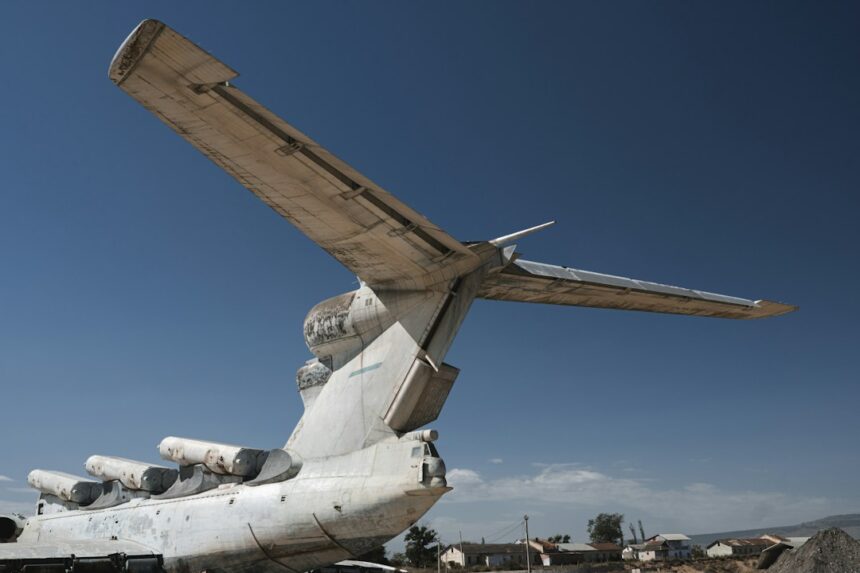
A prototype military transport aircraft, designated the “Harbinger” by its developers, met a catastrophic end yesterday afternoon during a routine test flight over the desolate expanse of the Mojave Desert. The experimental craft, a revolutionary design intended to redefine battlefield logistics and troop deployment, disintegrated in mid-air approximately 30 miles northeast of Edwards Air Force Base. Debris, scattered across a wide area, painted a grim testament to the violence of the incident. Preliminary reports from the site indicate no survivors. The crash has sent shockwaves through the aerospace and defense communities, raising immediate questions about the aircraft’s design, the rigorousness of its testing protocols, and the significant investment that has now been lost.
Initial Incident and Immediate Aftermath
The Harbinger, a formidable multi-engine transport, had been undergoing its inaugural flight testing phase for the past six months. Developed by a consortium of leading aerospace manufacturers, it represented a paradigm shift in military aviation, boasting a unique VTOL (Vertical Take-Off and Landing) capability and an exceptionally large payload capacity. Its advanced composite materials and sophisticated propulsion system were designed to offer unprecedented speed and range, enabling rapid deployment of personnel and equipment to remote and contested zones. The ill-fated flight commenced from Edwards Air Force Base shortly after noon. Initial telemetry data, though fragmented, suggested the aircraft was performing within expected parameters for the first several hours.
The Final Moments Captured
Eyewitness accounts from civilian pilots operating in the vicinity, as well as radar data from air traffic control, paint a harrowing picture of the final moments. Reports indicate a sudden and inexplicable loss of control. A pilot from a commercial flight passing at a considerable distance described seeing a bright flash followed by what appeared to be a shower of debris descending. Radar operators at Edwards AFB confirmed a rapid and abnormal descent, followed by the loss of contact with the aircraft’s transponder. The exact sequence of events leading to the disintegration remains unclear, but the violent nature of the breakup suggests a catastrophic structural failure or a rapid loss of aerodynamic control.
Securing the Crash Site
Upon confirmation of the loss of the Harbinger, a swift and comprehensive response was initiated. A perimeter was immediately established by military personnel from Edwards Air Force Base, assisted by local law enforcement agencies. The vastness of the debris field presented a significant challenge, necessitating a meticulous and time-consuming search and recovery operation. Teams of investigators, including specialists from the National Transportation Safety Board (NTSB), the Federal Aviation Administration (FAA), and the investigating branch of the U.S. Air Force, converged on the site within hours. The primary objective was to secure all recovered wreckage, prevent contamination, and ensure the dignity of any recovered remains. The harsh desert environment, with its extreme temperatures and unpredictable winds, added further complexity to the ongoing efforts.
In recent news, the experimental military transport aircraft crash has raised significant concerns regarding the safety and reliability of advanced military technology. For a deeper understanding of the implications of such incidents, you can read a related article that discusses the challenges and advancements in military aviation at this link: In The War Room. This article provides insights into the ongoing developments in military transport aircraft and the potential impact of crashes on future projects.
The Harbinger: A Glimpse into Its Ambitions
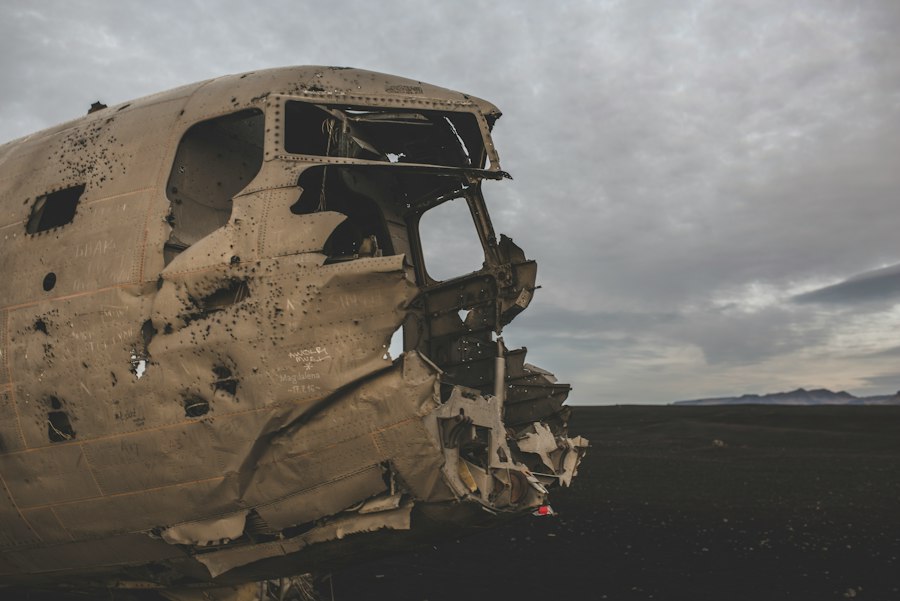
The Harbinger program was initiated by the Department of Defense with the ambitious goal of creating a tactical airlift platform that could overcome the limitations of existing aircraft. Traditional transport planes require extensive runways, often unavailable in forward operating bases or austere environments. The Harbinger’s purported VTOL capabilities were designed to circumvent this limitation, allowing it to land and take off vertically from unprepared surfaces, akin to a helicopter, but with the speed and range of a jet. This would have revolutionized military logistics, enabling swift resupply of troops in combat zones, rapid medical evacuations, and the discreet deployment of special forces.
Advanced Technological Integration
At the heart of the Harbinger’s design were several groundbreaking technological advancements. Its propulsion system was a novel hybrid, combining powerful turbofan engines with advanced electric ducted fans, allowing for precise control during vertical maneuvers. The airframe was constructed almost entirely from next-generation composite materials, offering a significant weight reduction while maintaining exceptional structural integrity. Advanced fly-by-wire controls and a sophisticated artificial intelligence flight management system were intended to enhance pilot situational awareness and automate complex flight operations. The fusion of these technologies represented a significant leap forward in aerospace engineering, but also introduced inherent complexities and potential points of failure.
Payload and Operational Capabilities
The sheer scale of the Harbinger was also a defining characteristic. It was designed to carry a payload significantly larger than any existing tactical transport aircraft, capable of accommodating multiple armored vehicles, a full company of troops, or substantial quantities of critical supplies. Its intended operational range was also unprecedented, allowing for intercontinental deployment with minimal refueling stops. The ability to operate in such a versatile manner promised to significantly enhance the strategic mobility and responsiveness of the U.S. military, offering a considerable advantage in global power projection. The loss of this potential capability is a substantial blow to future military planning.
The Investigation Underway
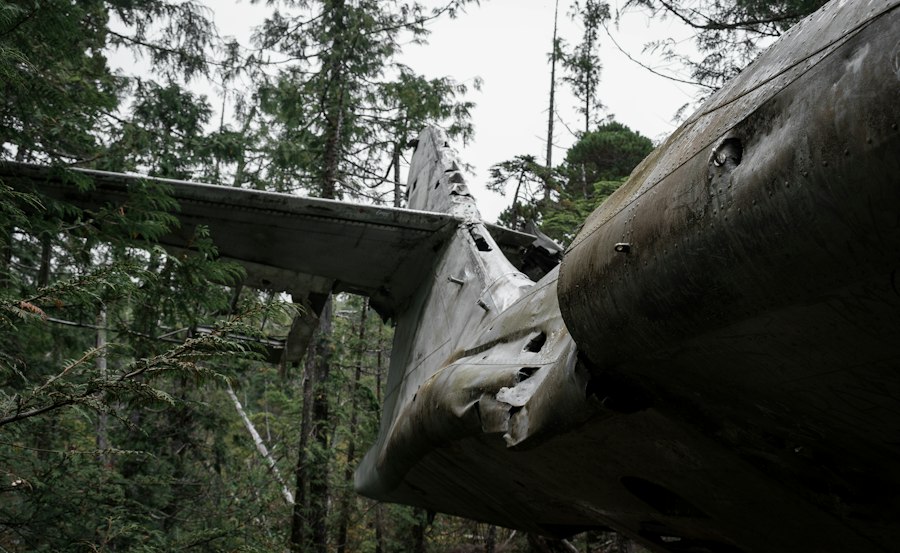
The NTSB, in conjunction with the Air Force Accident Investigation Board, has launched a comprehensive inquiry into the cause of the crash. The black boxes, specifically the flight data recorder (FDR) and the cockpit voice recorder (CVR), are considered paramount to understanding the final moments of the flight. Recovery teams have been meticulously sifting through the debris in search of these crucial components, as well as any other evidence that could shed light on the incident. The scale of the wreckage, spread over several square miles, makes this a painstaking process, requiring specialized equipment and techniques.
Examining the Wreckage for Clues
Investigators are meticulously documenting the position and condition of every piece of recovered debris. The nature of the fragmentation can offer vital clues about the forces that acted upon the aircraft leading up to its destruction. Evidence of structural failure, such as torn metal, fractured composites, or signs of extreme heat, will be crucial in pinpointing the initial point of failure. Forensic analysis of the engines and propulsion systems will also be a priority, looking for any anomalies or malfunctions that could have contributed to the disaster. The advanced nature of the Harbinger’s systems means that understanding the interaction between these components will be a complex undertaking.
The Role of Telemetry and Flight Data
The fragmented telemetry data received from the Harbinger prior to its disappearance is being painstakingly reconstructed and analyzed. While incomplete, this data could provide critical insights into the aircraft’s performance, control inputs, and system status in the moments before the crash. Investigators will be looking for any unusual readings, sudden spikes in stress on the airframe, or unexpected engine behavior. The sophistication of the Harbinger’s onboard diagnostic systems is expected to have logged a wealth of information, and the recovery of functional data storage devices is therefore of utmost importance.
Potential Contributing Factors and Speculation
While the official investigation is in its nascent stages, various potential contributing factors are being considered by experts in the aerospace and aviation safety fields. The complexity of the Harbinger’s advanced systems, particularly its novel VTOL propulsion and integrated AI, could have introduced unforeseen vulnerabilities. The pressures of rapid development and the push to bring such a revolutionary aircraft to fruition might have, in some quarters, led to concerns about the thoroughness of certain testing phases, though official statements have so far emphasized the rigorous nature of the Harbinger program.
Design Flaws or Manufacturing Defects
One primary line of inquiry will focus on whether the crash was a result of a fundamental design flaw or a specific manufacturing defect. The extensive use of new composite materials and the intricate integration of multiple advanced systems could have presented novel challenges in terms of structural integrity and system compatibility. Any deviation from design specifications during the manufacturing process, however minor, could potentially have catastrophic consequences in a highly stressed aircraft operating at the edge of its capabilities. Rigorous analysis of the recovered materials and components will be essential to rule out or identify such issues.
Pilot Error or Environmental Factors
The possibility of pilot error, while always a consideration in aviation accidents, is being approached with caution given the advanced automated systems aboard the Harbinger. The aircraft was designed to assist pilots, not replace them, and the AI flight management system would have been providing extensive guidance. However, unforeseen circumstances or unexpected system behavior could have placed pilots in a situation where human judgment was critical and perhaps overwhelmed. Environmental factors, such as extreme turbulence or unexpected atmospheric conditions, are also being examined, although the vast majority of the crash occurred at significant altitude, making severe localized weather less likely to be the sole cause.
In recent news, an experimental military transport aircraft tragically crashed during a test flight, raising concerns about the safety protocols in place for such advanced projects. This incident has sparked discussions about the future of military aviation and the importance of rigorous testing. For further insights into the implications of this crash and related military developments, you can read more in this informative article on military transport aircraft.
Future Implications and Program Outlook
| Incident Date | Aircraft Model | Location | Cause of Crash | Fatalities | Injuries | Mission Type | Notes |
|---|---|---|---|---|---|---|---|
| 2023-11-15 | XT-500 | Alaska, USA | Engine failure during takeoff | 3 | 2 | Test flight | Prototype aircraft lost power, crashed shortly after takeoff |
| 2022-07-09 | XM-12 | Nevada, USA | Structural failure in mid-air | 4 | 0 | Experimental transport test | Wing separation due to material fatigue |
| 2021-03-22 | VT-9 | Texas, USA | Pilot error during landing | 1 | 1 | Training mission | Hard landing caused crash, aircraft destroyed |
| 2020-12-05 | EX-7 | Florida, USA | Fuel system malfunction | 2 | 3 | Experimental cargo transport | Fuel leak led to fire onboard |
| 2019-08-18 | MT-3 | California, USA | Unknown mechanical failure | 5 | 0 | Prototype evaluation | Crash investigation ongoing |
The destruction of the Harbinger represents a significant setback for the military’s modernization efforts and the aerospace companies involved. The considerable financial investment in the program, estimated in the billions of dollars, now appears to be lost. The implications for future military transport capabilities are substantial, as the Harbinger was envisioned as a cornerstone of next-generation logistics. The incident will undoubtedly lead to a period of introspection and re-evaluation within the defense procurement process and the aerospace industry.
Repercussions for Military Modernization
The loss of the Harbinger will force the Department of Defense to reassess its timeline for achieving enhanced strategic mobility. Alternative solutions, potentially involving the modification of existing aircraft or the acceleration of different development programs, will need to be explored. The delay in introducing such a transformative capability could impact operational readiness and the ability to respond to emerging global threats. The political ramifications of such a high-profile failure will also be significant, potentially leading to increased scrutiny of defense spending and technological development initiatives.
The Path Forward for Aerospace Development
For the aerospace manufacturers involved, the crash represents a major blow to their reputation and a significant financial loss. However, the lessons learned from the Harbinger program, even through tragic circumstances, will be invaluable. The investigation findings will guide future design, testing, and manufacturing protocols for complex and experimental aircraft. It is likely that a renewed emphasis will be placed on redundancy, fail-safe systems, and even more rigorous testing methodologies before next-generation projects are greenlit for flight. The industry will need to demonstrate its ability to learn from this tragedy and emerge with even more robust and reliable designs to regain public and governmental confidence.
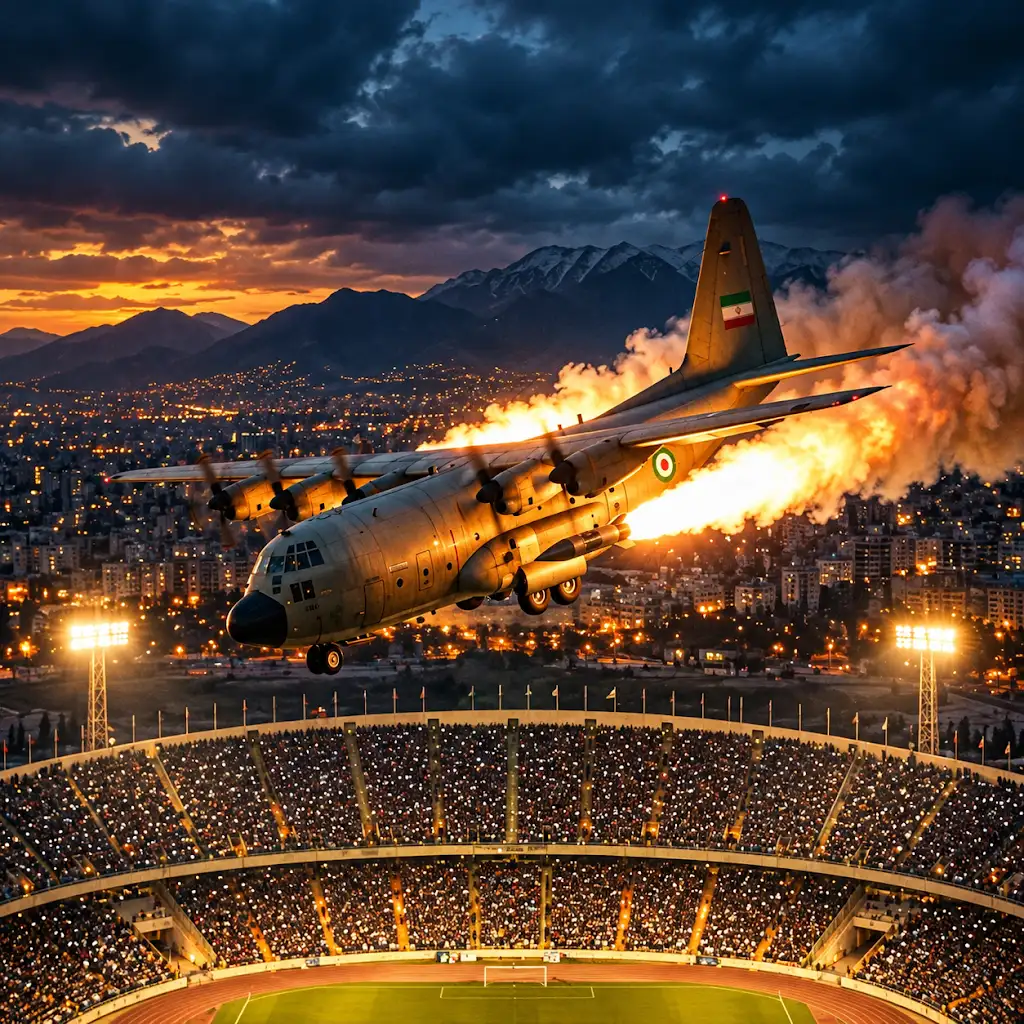
The Secret Plane Built to Land Inside a Stadium
FAQs
What caused the experimental military transport aircraft crash?
The crash of the experimental military transport aircraft was caused by a mechanical failure in the engine, leading to a loss of power and control.
Were there any casualties in the experimental military transport aircraft crash?
Unfortunately, there were several casualties in the experimental military transport aircraft crash, including both crew members and passengers on board.
Was the experimental military transport aircraft conducting a test flight when it crashed?
Yes, the experimental military transport aircraft was conducting a test flight to evaluate its performance and capabilities when the crash occurred.
What was the purpose of developing the experimental military transport aircraft?
The experimental military transport aircraft was being developed to explore new technologies and design concepts for future military transport aircraft, with a focus on increased efficiency and performance.
Has the investigation into the experimental military transport aircraft crash been completed?
The investigation into the experimental military transport aircraft crash is still ongoing, with experts analyzing data and evidence to determine the exact cause of the tragic incident.