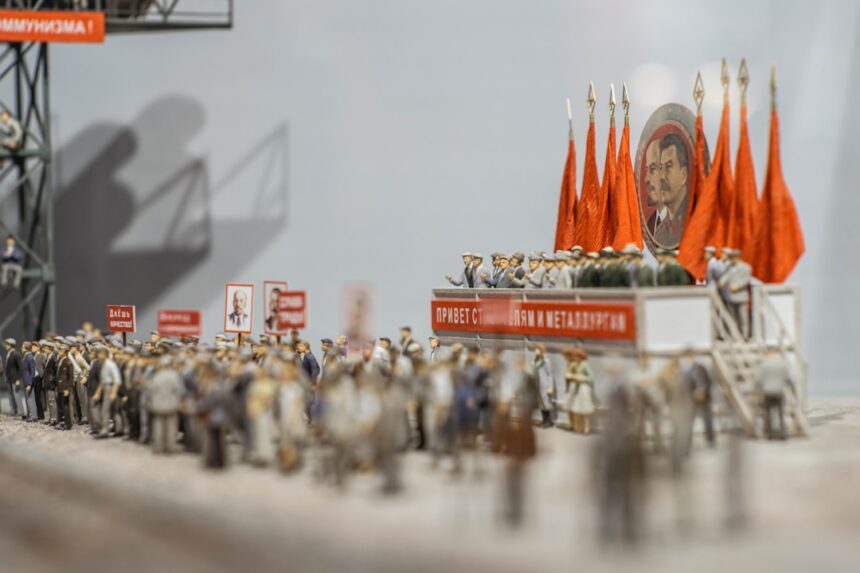
The air in Europe was thick with an unspoken dread. Whispers of Soviet ambition, once dismissed as propaganda or alarmist conjecture, had coalesced into a chilling reality. The Iron Curtain, a metaphor that had long defined the ideological divide, now felt like a tangible, suffocating blanket descending across the continent. Governments scrambled, citizens huddled, and a continent that had tasted hard-won freedom after decades of conflict found itself staring into the abyss of a new, insidious threat: Soviet occupation.
The post-war world order, painstakingly constructed on principles of self-determination and collective security, was proving fragile. The Soviet Union, under the iron fist of Joseph Stalin, viewed the burgeoning Western alliances with suspicion and hostility. Its vast resources and ideological fervor were being marshaled not for rebuilding and cooperation, but for expansion and control.
The Seeds of Distrust
The Yalta and Potsdam conferences, intended to cement a lasting peace, had instead laid bare the fundamental disagreements between the Allied powers. While the Western Allies envisioned a democratic and economically independent Europe, Soviet objectives were rooted in establishing a buffer zone of friendly, communist states on its western border. This inherent divergence in vision sowed the seeds of future conflict and suspicion. The partitioning of Germany, intended as a temporary measure, became a potent symbol of this growing divide.
The Truman Doctrine and Containment
In response to what they perceived as Soviet aggression, particularly in Greece and Turkey, the United States articulated the Truman Doctrine. This policy pledged American support to nations threatened by communism, marking a decisive shift in US foreign policy from isolationism to active engagement in global affairs. The concept of “containment” – preventing the further spread of Soviet influence – became the cornerstone of Western strategy, a strategy that was about to be tested in the most brutal way imaginable.
The Berlin Blockade: A Harbinger of Things to Come
The Berlin Blockade of 1948-1949 served as a stark and terrifying preview of what Soviet occupation might entail. When the Soviets cut off all land and water access to West Berlin, they demonstrated their willingness to use economic and logistical pressure to achieve their aims. The audacious Allied airlift, a testament to Western resolve, ultimately prevailed, but the blockade left an indelible scar, a vivid reminder of the precariousness of freedom in a divided Europe. It was a trial run, a clear signal that the Soviet Union was prepared to exert its will through direct means.
As Europe braces for the possibility of Soviet occupation, an insightful article discussing the geopolitical implications and strategies for resistance can be found at this link. The piece delves into the historical context of Soviet expansionism and the responses of various European nations, highlighting the urgency of solidarity and preparedness in the face of potential threats.
The Creeping Shadow: Soviet Influence in Eastern Europe
The Soviet Union had not waited for an overt military invasion to begin consolidating its power. Through a combination of political maneuvering, economic leverage, and sometimes outright coercion, it had systematically dismantled nascent democratic institutions and installed compliant communist regimes across Eastern Europe.
The “Coalition” Governments: A Trojan Horse
Following the war, Soviet influence was initially masked behind the facade of “coalition” governments. However, these alliances were carefully engineered to marginalize non-communist parties and gradually transfer power to the Communist Party. Key ministries, such as the interior and defense, were invariably handed to Soviet loyalists, giving them control over security forces and the means to suppress dissent.
Czechoslovakia: A Democratic Fall
The fate of Czechoslovakia in 1948 was a particularly bitter pill for the West to swallow. A thriving democracy with strong ties to the West, Czechoslovakia was seen as a potential bulwark against Soviet expansion. When the communist government, backed by Soviet threats, purged non-communist ministers and seized full control, it was a devastating blow to hopes of a free and independent Eastern Europe. The “Prague Coup” was not an invasion in the traditional sense, but a sophisticated political takeover orchestrated from Moscow, demonstrating the Soviet Union’s mastery of subversion.
The Warsaw Pact: A Military Counterbalance
In direct response to the formation of the North Atlantic Treaty Organization (NATO), the Soviet Union established the Warsaw Pact in 1955. This military alliance, comprising the Soviet Union and its Eastern European satellite states, was presented as a defensive measure. However, it effectively formalized Soviet military dominance over the region, ensuring that any attempt at independent foreign policy or alignment with the West would be met with overwhelming force. The Pact became the legal and military framework for potential Soviet intervention.
The Unseen Invasion: Economic and Ideological Subversion
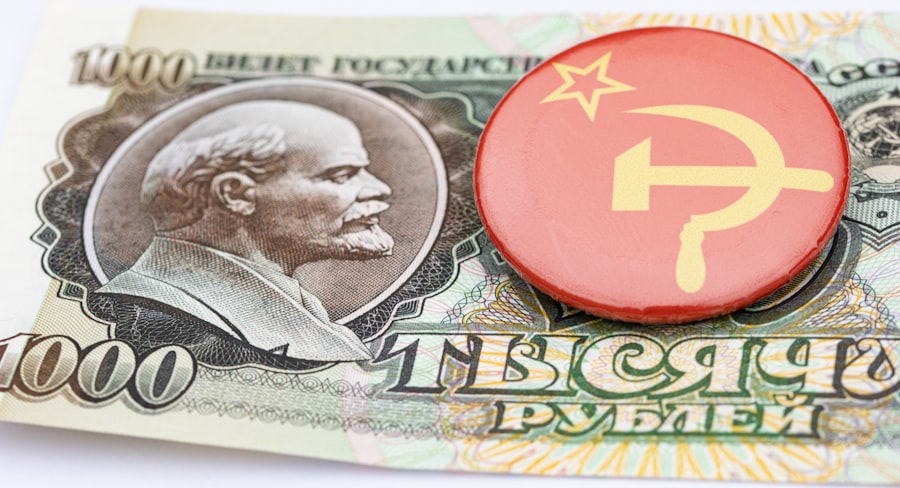
Occupation was not solely about the deployment of tanks and soldiers. The Soviet Union employed a multifaceted strategy of economic control and ideological indoctrination to solidify its grip on conquered territories. This subtle yet pervasive influence served to undermine national identities and foster a dependence on Moscow.
Centralized Economic Planning: The Moscow Blueprint
The Soviet model of a centrally planned economy was imposed upon the newly formed satellite states. Private property was nationalized, industries were collectivized, and economic development was dictated by the needs and priorities of the Soviet Union, not the local populations. This often led to inefficiencies, shortages, and a stagnation of innovation, as local expertise and market demands were ignored in favor of rigid Moscow-dictated quotas. The focus was on resource extraction for the Soviet bloc, not on fostering sustainable national economies.
The Cult of Personality and Propaganda
Propaganda became a potent weapon in the Soviet arsenal. Through state-controlled media, schools, and public forums, the Soviet Union disseminated its ideology, glorifying the communist system and demonizing its capitalist rivals. The cult of personality surrounding Stalin and his successors was meticulously cultivated, demanding unquestioning loyalty and suppressing any form of independent thought or criticism. Historical narratives were rewritten to fit the Soviet agenda, erasing inconvenient truths and fabricating heroic tales of communist triumph.
The Suppression of Dissent: The KGB’s Long Reach
The ubiquitous presence of secret police forces, often modeled on the Soviet KGB, ensured that any murmur of dissent was swiftly and brutally silenced. Surveillance was pervasive, informers were encouraged, and political opponents faced imprisonment, forced labor, or worse. The fear of arbitrary arrest and detention created an atmosphere of pervasive anxiety, making open opposition a perilous undertaking. The secret police acted as the enforcers of the ideological and political will of Moscow.
The Ghost of the Gulag: The Specter of Repression

The chilling tales of the Soviet Gulag, the vast network of forced labor camps, cast a long shadow over the occupied nations. The specter of arbitrary arrest, brutal interrogation, and soul-crushing labor served as a potent deterrent to any form of resistance. The fear of being sent to the Gulag was a constant threat, a stark reminder of the ultimate price of defiance.
Arbitrary Arrests and Show Trials
The legal systems in the occupied countries were subverted to serve the interests of the state. Individuals suspected of anti-Soviet sentiments or perceived disloyalty were often arrested without due process. Show trials, meticulously staged to ensure predetermined convictions, were used to eliminate political opponents and to instill fear in the general population. These trials were not about justice; they were about public punishment and intimidation.
Forced Labor and Dehumanization
For those deemed enemies of the state, the Gulag represented a descent into dehumanization. Conditions were horrific, with inadequate food, shelter, and medical care. Forced labor, often in harsh and dangerous environments, was designed to break the spirit and the body. The aim was not just punishment, but the systematic eradication of opposition and the extraction of cheap labor for state projects.
The Long-Term Psychological Impact
The experience of living under the constant threat of repression and the chilling reality of the Gulag left deep psychological scars on generations. The ingrained fear, the learned silence, and the erosion of trust in authority became enduring legacies of Soviet occupation, impacting social dynamics and individual well-being for decades to come. The trauma of this period would resonate through national psyches for years.
As Europe braces for the potential of Soviet occupation, many are reflecting on the historical context and implications of such a scenario. A recent article discusses the strategic measures that various nations are considering in response to this looming threat. For a deeper understanding of the geopolitical landscape and the preparations underway, you can read more in this insightful piece at In the War Room. The article highlights the urgency of the situation and the need for a united front among European countries.
The Unfolding Nightmare: Scenarios of Occupation
| Country | Military Preparedness | Civilian Evacuation Plans |
|---|---|---|
| Poland | Increased troop deployment | Evacuation drills in major cities |
| Germany | Reinforcement of border defenses | Establishment of emergency shelters |
| Czechoslovakia | Mobilization of reserves | Coordination with neighboring countries for refugee assistance |
| Hungary | Heightened surveillance along borders | Development of contingency plans for food and medical supplies |
As the threat of Soviet occupation loomed, various scenarios played out in the minds of European leaders and citizens alike. The nature of the occupation would depend on a multitude of factors, from the strategic importance of the territory to the level of expected resistance.
Direct Military Annexation: The Baltic States’ Fate
The Baltic states of Estonia, Latvia, and Lithuania, annexed by the Soviet Union in 1940 and again in 1944, served as a grim precedent for direct military annexation. These nations lost their sovereignty, their borders were redrawn, and their populations were subjected to intense Russification campaigns and political purges. This was the most brutal and absolute form of occupation, erasing national identity and integrating the territory directly into the Soviet Union.
Puppet Regimes and Controlled Independence: Eastern Europe’s Dilemma
For many Eastern European nations, the Soviet model involved installing puppet regimes that maintained a semblance of local governance but were ultimately subservient to Moscow. While these nations retained their nominal independence, their foreign policy, economic decisions, and even internal affairs were dictated by the Kremlin. This created a frustrating duality of controlled sovereignty, where genuine self-determination was a distant illusion.
The Iron Curtain Descends: The Division of Germany
The most potent symbol of the impending occupation was the division of Germany. The establishment of the German Democratic Republic (GDR) in the Soviet-occupied zone, with its heavily fortified border and strict travel restrictions, exemplified the stark reality of the Iron Curtain. Germany, the heart of Europe, was cleaved in two, a living testament to the continent’s descent into a new era of division and subjugation. The Berlin Wall, when it was eventually built, would become the ultimate physical manifestation of this division.
The Constant Threat: The Shadow of Intervention
Even in nations that resisted direct Soviet control, the omnipresent threat of Soviet intervention loomed large. The Soviet Union’s willingness to crush any perceived challenge to its sphere of influence, as demonstrated in Hungary in 1956 and Czechoslovakia in 1968, served as a constant reminder that any deviation from the Moscow line could result in a brutal crackdown. The Warsaw Pact provided the legal and military framework for these interventions, ensuring that Soviet dominance was maintained through the threat of force.
Europe, once a continent brimming with optimism and the promise of a new dawn, now found itself under the lengthening shadow of Soviet occupation. The political, economic, and ideological chains being forged by Moscow threatened to extinguish the nascent flames of freedom and self-determination. The fight for a free and independent Europe had entered its most perilous phase, a struggle against an unseen enemy that wielded not just armies, but also fear, propaganda, and the chilling specter of repression. The decades that followed would be a testament to the resilience of the human spirit and the enduring desire for liberty, even in the face of overwhelming odds.
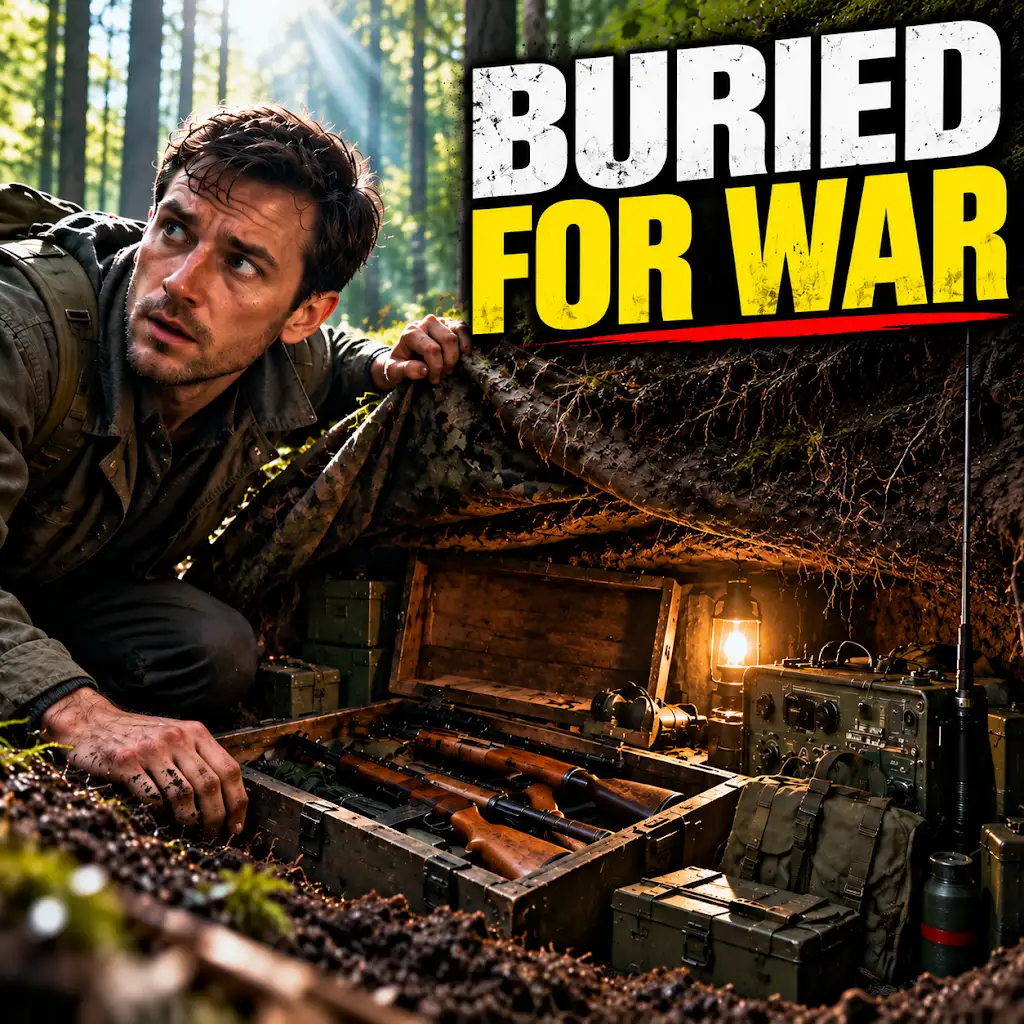
The Secret Armies NATO Prepared for a Soviet Invasion
FAQs
What is the current situation in Europe regarding the possibility of Soviet occupation?
Europe is currently on high alert and preparing for the possibility of Soviet occupation. The Soviet Union has been expanding its influence in Eastern Europe, and there are concerns that it may attempt to occupy other European countries.
What measures are European countries taking to prepare for potential Soviet occupation?
European countries are taking various measures to prepare for potential Soviet occupation. This includes increasing military presence and readiness, strengthening alliances with other countries, and developing contingency plans for different scenarios.
What is the historical context behind the concerns about Soviet occupation in Europe?
The concerns about Soviet occupation in Europe are rooted in the historical context of the Cold War and the Soviet Union’s past actions in Eastern Europe. The Soviet Union has a history of occupying and exerting control over other countries, and this has led to concerns about its intentions in Europe.
What are the potential consequences of Soviet occupation in Europe?
The potential consequences of Soviet occupation in Europe are significant. This could lead to a major geopolitical shift, increased tensions between East and West, and potential military conflicts. It could also have economic and social impacts on the affected countries.
What is the international response to the concerns about Soviet occupation in Europe?
The international community is closely monitoring the situation and expressing support for European countries. NATO and other alliances are reaffirming their commitment to collective defense, and diplomatic efforts are underway to address the concerns and prevent any potential aggression from the Soviet Union.