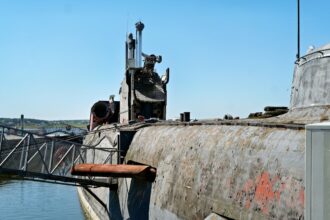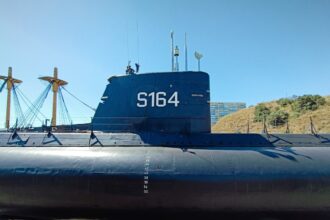
The SUBSAFE Program is a mandatory safety certification system implemented by the United States Navy following the loss of USS Thresher (SSN-593) in 1963. The program establishes strict engineering and quality assurance standards for submarine construction, maintenance, and operations to prevent flooding casualties that could result in loss of life or vessel. The program applies to all nuclear-powered submarines and covers critical systems including the submarine’s pressure hull, seawater systems, and emergency ballast blow systems.
SUBSAFE certification requires that all components meeting seawater or affecting watertight integrity undergo rigorous testing, documentation, and quality control procedures. Only materials and parts that meet specific metallurgical and performance standards are approved for use. Key elements of the SUBSAFE Program include material certification and traceability, non-destructive testing of welds and joints, formal design control procedures, and comprehensive documentation of all work performed.
The program mandates that submarines undergo periodic recertification and that any work affecting SUBSAFE systems be performed by qualified personnel using approved procedures. Additionally, the program requires independent quality assurance oversight and formal sign-off procedures before submarines can return to operational status following maintenance or modifications.
Key Takeaways
- The SUBSAFE Program focuses on ensuring the safety of critical spacecraft components through rigorous quality control.
- Traceability certification is essential in the SUBSAFE Program to track materials and processes, preventing failures.
- Obtaining traceability certification requires meeting strict documentation and verification standards.
- Benefits of traceability certification include enhanced safety, reliability, and compliance with program requirements.
- Maintaining traceability certification involves continuous monitoring, audits, and adherence to best practices.
Importance of Traceability Certification in the SUBSAFE Program
Traceability certification plays a pivotal role within the SUBSAFE Program, serving as a cornerstone for ensuring that all components and systems meet the highest safety standards. This certification process involves documenting the entire lifecycle of submarine components, from their initial design and manufacturing to their installation and maintenance. By establishing a clear chain of custody for each part, traceability certification helps to identify potential issues before they escalate into serious safety concerns.
Moreover, traceability certification enhances accountability among manufacturers and suppliers. When every component is traceable, it becomes easier to pinpoint the source of any defects or failures. This level of transparency is crucial in a high-stakes environment like submarine operations, where even minor malfunctions can have catastrophic consequences.
The importance of traceability certification cannot be overstated; it is essential for maintaining the integrity of the SUBSAFE Program and ensuring that submarines remain safe and reliable.
The Role of Traceability Certification in Ensuring Safety

The role of traceability certification in ensuring safety within the SUBSAFE Program extends beyond mere documentation; it is an active process that involves continuous monitoring and evaluation. By maintaining detailed records of each component’s history, including its manufacturing processes and quality control measures, stakeholders can quickly assess whether a part meets the necessary safety standards. This proactive approach allows for timely interventions when potential issues are identified, thereby preventing accidents before they occur.
Additionally, traceability certification fosters a culture of safety within organizations involved in submarine operations. When employees understand the importance of tracking components and adhering to safety protocols, they are more likely to take their responsibilities seriously. This heightened awareness contributes to a safer working environment, as personnel are encouraged to report any concerns or irregularities without fear of repercussions.
Ultimately, traceability certification serves as a vital tool for promoting safety and reliability in submarine operations.
Requirements for Obtaining Traceability Certification
Obtaining traceability certification within the SUBSAFE Program involves meeting a series of stringent requirements designed to ensure that all components adhere to established safety standards. First and foremost, manufacturers must demonstrate their ability to maintain comprehensive records throughout the lifecycle of each component. This includes documentation related to design specifications, manufacturing processes, quality control measures, and maintenance history.
In addition to record-keeping, organizations seeking traceability certification must also implement robust quality assurance programs. These programs should encompass regular audits and inspections to verify compliance with safety standards. Furthermore, personnel involved in the manufacturing and maintenance processes must receive appropriate training to ensure they understand the importance of traceability and how to maintain accurate records.
Meeting these requirements is essential for organizations aiming to achieve traceability certification within the SUBSAFE Program.
Benefits of Obtaining Traceability Certification
| Metric | Description | Typical Value/Status | Notes |
|---|---|---|---|
| Certification Scope | Extent of components and systems covered under SUBSAFE | 100% of safety-critical submarine systems | Includes hull, piping, and pressure boundaries |
| Traceability Level | Degree to which materials and processes are documented | Full traceability from raw material to installation | Mandatory for all SUBSAFE components |
| Documentation Completeness | Percentage of required documents submitted and approved | ≥ 98% | Includes certifications, test reports, and inspection records |
| Inspection Pass Rate | Percentage of components passing SUBSAFE inspections | ≥ 99% | Reflects quality control effectiveness |
| Non-Conformance Reports (NCR) | Number of NCRs issued per certification cycle | Typically less than 5 | Must be resolved before certification approval |
| Certification Cycle Time | Average time to complete SUBSAFE certification | 6 to 12 months | Varies by complexity and scope |
| Audit Frequency | Number of audits conducted per year | 2 to 4 | Includes internal and external audits |
| Training Compliance | Percentage of personnel trained on SUBSAFE requirements | 100% | Mandatory for all involved staff |
The benefits of obtaining traceability certification within the SUBSAFE Program are manifold, extending beyond mere compliance with regulations. One significant advantage is enhanced safety for submarine operations. With a clear understanding of each component’s history and quality, organizations can make informed decisions regarding maintenance and repairs, ultimately reducing the risk of accidents.
Additionally, traceability certification can lead to improved operational efficiency. By streamlining processes related to component tracking and documentation, organizations can reduce delays associated with inspections and audits. This efficiency not only saves time but also minimizes costs associated with potential downtime or repairs.
Furthermore, having traceability certification can enhance an organization’s reputation within the industry, as it demonstrates a commitment to safety and quality that can attract new clients and partnerships.
Steps to Achieve Traceability Certification

Achieving traceability certification within the SUBSAFE Program requires a systematic approach involving several key steps. The first step is conducting a thorough assessment of existing processes and identifying areas that require improvement. This assessment should include an evaluation of current record-keeping practices, quality assurance programs, and personnel training initiatives.
This plan may involve implementing new technologies for tracking components, enhancing training programs for employees, or establishing more rigorous quality control measures. After these changes have been made, organizations must undergo an external audit to verify compliance with traceability certification requirements.
Successfully passing this audit will result in obtaining certification, allowing organizations to fully participate in the SUBSAFE Program.
Challenges in Obtaining Traceability Certification
While obtaining traceability certification within the SUBSAFE Program offers numerous benefits, it is not without its challenges. One significant hurdle organizations may face is the complexity of establishing comprehensive record-keeping systems. Many manufacturers may lack the necessary infrastructure or technology to effectively track components throughout their lifecycle, leading to gaps in documentation that can hinder certification efforts.
Another challenge lies in ensuring that all personnel are adequately trained on the importance of traceability and how to maintain accurate records. Resistance to change can be a barrier, particularly in organizations with established practices that may not prioritize documentation or quality control. Overcoming these challenges requires strong leadership commitment and a willingness to invest in training and technology that supports traceability efforts.
Case Studies of Successful Traceability Certification Implementation
Several organizations have successfully navigated the process of obtaining traceability certification within the SUBSAFE Program, serving as valuable case studies for others seeking similar outcomes. One notable example is a major defense contractor that implemented an advanced tracking system for its submarine components. By investing in technology that allowed for real-time monitoring and documentation, this organization was able to streamline its processes significantly.
As a result of these efforts, the contractor not only achieved traceability certification but also experienced a marked reduction in operational delays related to inspections and audits. Additionally, this success led to increased confidence among clients regarding the safety and reliability of their submarines. Such case studies highlight the potential for organizations to enhance their operations through effective implementation of traceability certification within the SUBSAFE Program.
The Future of Traceability Certification in the SUBSAFE Program
The future of traceability certification within the SUBSAFE Program appears promising as advancements in technology continue to reshape how organizations approach safety and quality assurance. Emerging technologies such as blockchain and Internet of Things (IoT) devices offer innovative solutions for tracking components throughout their lifecycle with unprecedented accuracy and transparency. As these technologies become more widely adopted, organizations will likely find it easier to meet the stringent requirements for traceability certification.
Furthermore, increased collaboration among stakeholders within the defense industry may lead to standardized practices that enhance overall safety across submarine operations. The future landscape of traceability certification holds great potential for improving safety outcomes within the SUBSAFE Program.
Best Practices for Maintaining Traceability Certification
Maintaining traceability certification within the SUBSAFE Program requires ongoing commitment and adherence to best practices. One essential practice is conducting regular audits and reviews of record-keeping systems to ensure compliance with established standards. These audits should involve cross-functional teams that can provide diverse perspectives on potential areas for improvement.
Another best practice involves fostering a culture of continuous improvement among personnel involved in submarine operations. Encouraging employees to share insights and suggestions related to traceability can lead to innovative solutions that enhance safety and efficiency. Additionally, investing in ongoing training programs will help ensure that all personnel remain informed about best practices related to documentation and quality control.
The Impact of Traceability Certification on Safety in the SUBSAFE Program
In conclusion, traceability certification plays an integral role in enhancing safety within the SUBSAFE Program by ensuring that all components used in submarine operations meet rigorous standards for quality and reliability. Through comprehensive documentation and accountability measures, organizations can proactively identify potential issues before they escalate into serious concerns. The benefits of obtaining traceability certification extend beyond compliance; they encompass improved operational efficiency, enhanced safety outcomes, and increased confidence among stakeholders.
As organizations continue to navigate challenges associated with obtaining and maintaining certification, successful case studies demonstrate that commitment to best practices can lead to significant improvements in safety culture. Looking ahead, advancements in technology will likely further streamline the process of achieving traceability certification within the SUBSAFE Program, paving the way for even greater safety outcomes in submarine operations. Ultimately, the impact of traceability certification on safety cannot be overstated; it serves as a vital foundation for ensuring that submarines remain safe and reliable assets for national defense.
The SUBSAFE program traceability certification is crucial for ensuring the safety and reliability of submarines, and understanding its implications can be further explored in related articles. For more insights on this topic, you can read about the importance of rigorous safety standards in military operations in this article: In the War Room. This resource provides a comprehensive overview of various safety protocols, including the SUBSAFE program, and highlights the significance of traceability in maintaining operational integrity.
FAQs
What is the SUBSAFE program?
The SUBSAFE program is a quality assurance initiative developed by the U.S. Navy to ensure the safety and integrity of submarine systems, particularly those related to hull integrity and critical systems that prevent flooding.
What does SUBSAFE traceability certification involve?
SUBSAFE traceability certification involves documenting and verifying the origin, history, and handling of materials, components, and processes used in submarine construction and maintenance to ensure compliance with SUBSAFE standards.
Why is traceability important in the SUBSAFE program?
Traceability is crucial because it allows for the tracking of every part and process back to its source, ensuring that all components meet strict safety and quality requirements, which helps prevent failures that could compromise submarine safety.
Who is responsible for SUBSAFE traceability certification?
Typically, contractors, shipyards, and naval personnel involved in submarine construction and maintenance are responsible for maintaining and certifying traceability records in accordance with SUBSAFE requirements.
What types of documentation are required for SUBSAFE traceability?
Documentation may include material certifications, manufacturing records, inspection reports, test results, and maintenance logs that collectively verify the compliance and history of each component or system.
How does SUBSAFE traceability certification impact submarine safety?
By ensuring that all components and processes are properly documented and verified, SUBSAFE traceability certification helps prevent the use of substandard materials or procedures, thereby enhancing the overall safety and reliability of submarines.
Is SUBSAFE traceability certification mandatory for all submarine components?
SUBSAFE certification is mandatory for all components and systems that affect the submarine’s hull integrity and critical safety functions, as defined by the program’s scope and guidelines.
How often is SUBSAFE traceability certification reviewed or updated?
Traceability records are reviewed continuously during construction, maintenance, and overhaul activities, with formal audits and certifications conducted as required by the Navy’s SUBSAFE program protocols.
Can SUBSAFE traceability certification be applied to other industries?
While SUBSAFE is specific to submarine safety, the principles of traceability and rigorous quality assurance can be adapted and applied to other industries requiring high safety standards, such as aerospace and nuclear power.
Where can I find more information about the SUBSAFE program and traceability certification?
More information can be found through official U.S. Navy publications, defense industry guidelines, and technical manuals related to submarine construction and maintenance standards.