
The silent hunter of the deep, the submarine, relies on an intricate dance of hydrodynamics, propulsion, and acoustic management to remain unseen. While modern submarines are already remarkably quiet, the pursuit of enhanced stealth is a continuous endeavor, driven by the ever-present need to evade detection. A significant area of research and development in this domain focuses on the application of “noise shaping modules” – sophisticated additions designed not merely to reduce noise, but to re-engineer its very character, making it more difficult for enemy sonar systems to acquire and classify.
To understand the function and importance of noise shaping modules, one must first grasp the inherent challenges of acoustic stealth for a submerged vessel. A submarine, by its very nature, is a collection of mechanical systems operating within a fluid medium. Every moving part, every flow of water, every emitted sound creates ripples in the acoustic environment, a language that sonar systems are designed to decipher.
Hull Form and Flow Noise
The hull of a submarine is sculpted to minimize drag, but the sheer act of moving through water inevitably generates noise. This “flow noise” arises from the turbulent separation of water as it flows over the hull, appendages, and control surfaces. It is a broadband noise, spread across a wide range of frequencies, and poses a significant challenge to silence.
- Laminar vs. Turbulent Flow: The ideal scenario for noise reduction would be laminar flow, where water glides smoothly over the hull. However, at operational speeds, turbulent flow is unavoidable. The transition from laminar to turbulent flow is a critical point where noise generation escalates.
- Appendage Noise: Protrusions such as sonar domes, fairings, and sensor masts are points of interruption in the smooth flow, creating localized turbulence and associated noise.
- Cavitation: At higher speeds or with propeller imperfections, tiny bubbles can form and collapse in the water, creating sharp, impulsive sounds known as cavitation. This is a particularly problematic noise source due to its broadband and potentially tonal components.
Machinery Noise
Beneath the hull’s sleek exterior lies a complex network of machinery. The reactor, pumps, generators, HVAC systems, and countless other components all contribute to the submarine’s acoustic signature. This machinery noise can be broadly categorized into structure-borne and air-borne components.
- Structure-Borne Noise: Vibrations generated by machinery are transmitted through the submarine’s structure. This can then radiate into the water as acoustic energy. The efficiency of isolation and damping systems is paramount in mitigating this.
- Air-Borne Noise: Noise generated within the submarine’s internal spaces can be transmitted through the hull to the surrounding water, particularly through openings and penetrations.
Propulsive Noise
The most direct method of generating motion also creates significant acoustic disturbances. The propeller, in particular, is a notorious source of noise.
- Blade Pass Frequency: As each propeller blade passes a specific point, it creates a pressure fluctuation that generates a distinct tonal noise. This “blade pass frequency” and its harmonics are a strong indicator of a submarine’s presence and can be used for identification.
- Cavitation: As mentioned earlier, propeller cavitation is a significant source of broadband noise, often described as a crackling or hissing sound.
- Shaft Noise and Gearbox Noise: Imperfections in shaft alignment, bearing wear, and gearbox operation can also introduce tonal and broadband noise components.
In the realm of submarine technology, noise shaping modules play a crucial role in enhancing stealth capabilities by minimizing detectable sound emissions. An insightful article that delves deeper into this topic is available at this link, where you can explore the latest advancements and applications of noise shaping techniques in modern submarines. This resource provides valuable information for anyone interested in understanding how these innovations contribute to underwater warfare and surveillance.
The Principle of Noise Shaping
Traditional noise reduction efforts often focus on minimizing the amplitude of emitted sound. This involves techniques like vibration damping, acoustic insulation, and careful machinery design. Noise shaping, however, goes a step further. Instead of simply lowering the volume, it seeks to alter the quality of the noise. The analogy here is akin to a sharp, discordant note versus a more diffused, less identifiable sound.
Beyond Simple Attenuation
Noise shaping modules are not merely passive sound absorbers. They are active or semi-active systems designed to manipulate the acoustic spectrum of a submarine’s emissions. This is achieved by introducing specific acoustic characteristics that are more difficult for enemy sonar to detect, classify, or track.
- Shifting Frequencies: One approach is to shift discrete tonal noises towards less critical frequency bands or to spread them out into a broader spectrum, making them harder to pick out from ambient background noise.
- Randomization of Signatures: By introducing controlled randomization into the emitted sound, noise shaping can disrupt the predictable patterns that sonar algorithms rely upon for identification. This is like turning a drum beat into a subtle rustle of leaves.
- Masking and Deception: In some advanced applications, noise shaping modules might be employed to generate low-level, deliberately misleading acoustic signals that can confuse or overwhelm enemy sonar operators.
The Role of Signal Processing
At the heart of noise shaping modules lies advanced signal processing. These systems analyze the submarine’s generated noise in real-time and apply sophisticated algorithms to modify it.
- Real-time Analysis: Sensors strategically placed throughout the submarine monitor its acoustic output. This data is fed into the noise shaping system continuously.
- Algorithmic Manipulation: Complex algorithms can introduce phase shifts, amplitude modulation, and other signal modifications to achieve the desired acoustic characteristics.
- Adaptive Filtering: The system learns and adapts to changing operational conditions and the submarine’s own acoustic profile, ensuring its effectiveness across a range of scenarios.
Types of Noise Shaping Modules
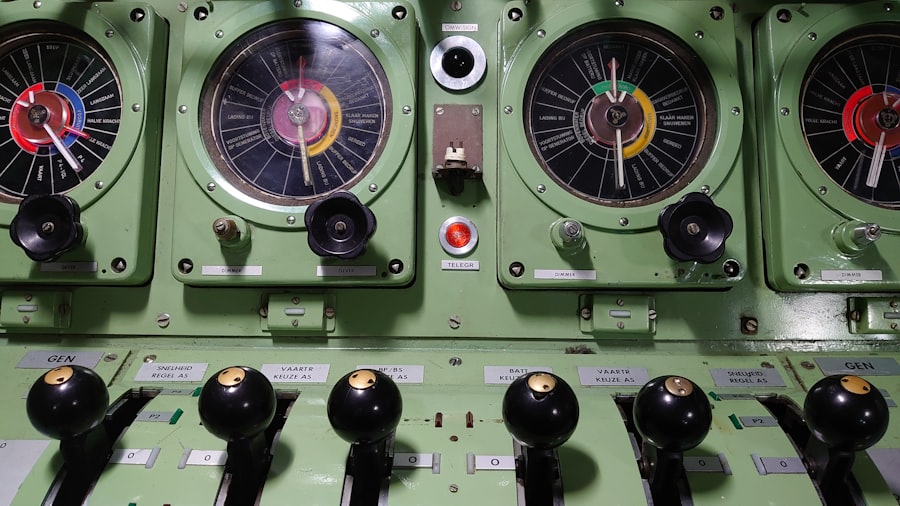
The implementation of noise shaping can take various forms, often integrated into different aspects of the submarine’s design.
Hull-Integrated Modules
These modules are embedded directly within the submarine’s hull structure, acting as an interface between the internal noise sources and the external acoustic environment.
- Ancchoic Coatings and Tiles: While traditional anechoic coatings aim to absorb acoustic energy, advanced versions incorporate features that can also contribute to noise shaping by altering reflection patterns and scattering sound in a less coherent manner.
- Active Damping Structures: These structures can dynamically adjust their damping characteristics in response to detected vibrations, effectively “detuning” the hull’s response to machinery noise and preventing efficient radiation.
Propulsion System Modulators
The propeller remains a primary noise source, and modules specifically targeting its acoustic signature are of significant importance.
- Blade Edge Modification: Subtle alterations to the shape and flexibility of propeller blade edges can influence the nature of cavitation and turbulence, leading to less detectable noise.
- Active Propeller Control: Advanced systems can make real-time adjustments to propeller pitch, twist, or even individual blade angles to minimize noise generation under varying operational conditions. This is akin to a skilled musician subtly adjusting their embouchure to produce a purer tone.
- Wake Field Controllers: Devices placed ahead of or around the propeller can actively manipulate the water flow into the propeller, smoothing out turbulent regions and reducing cavitation inception.
Machinery Isolation and Redesign
While not always categorized strictly as “noise shaping modules,” the principles of modifying the acoustic output of machinery are closely related.
- Advanced Isolators: Innovations in vibration isolation mounts and flexible couplings can significantly reduce the transmission of machinery vibrations to the hull.
- Modal Control: Some advanced systems aim to control the vibrational modes of machinery and structural elements, preventing them from resonating at frequencies that are easily radiated into the water. This is like preventing a glass from singing when struck.
Benefits and Implications of Noise Shaping

The successful implementation of noise shaping modules offers several distinct advantages for submarine operations.
Enhanced Evasion Capabilities
The primary benefit is a significant improvement in the submarine’s ability to evade detection by active and passive sonar systems.
- Reduced Detection Range: By making the submarine’s acoustic signature less distinct, its audible range to enemy sensors is reduced. This allows the submarine to operate closer to enemy forces without being detected.
- Increased Classification Difficulty: Sonar operators and automated classification systems rely on identifying characteristic acoustic signatures to distinguish between different types of vessels, marine life, and geological noise. Noise shaping makes these signatures far more ambiguous.
- Improved Ambush Potential: A stealthier submarine can position itself more effectively for surprise attacks, gaining a critical tactical advantage.
Operational Flexibility
Noise shaping also provides greater operational flexibility, allowing submarines to operate in a wider range of acoustically challenging environments.
- Operating in Noisier Waters: The ability to mask its own noise allows submarines to operate more effectively in areas with significant ambient noise, such as busy shipping lanes or during periods of high sea state.
- Reduced Need for Constant Maneuvering: Traditional stealth often relies on careful speed control and infrequent maneuvers. Noise shaping can allow for more dynamic operations without a proportional increase in acoustic detectability.
Countering Advanced Sonar Technologies
As sonar technology advances, so too does the need for more sophisticated countermeasures. Noise shaping is a crucial part of this evolving arms race.
- Defense Against AI-Powered Sonar: Modern sonar systems increasingly employ artificial intelligence for signal analysis and target identification. Noise shaping aims to provide a “digital smoke screen” that can confuse these advanced algorithms.
- Mitigation of Broadband and Tonal Sonar: Noise shaping strategies are designed to address both the broadband “hiss” and the distinct “pings” that different types of sonar systems utilize.
In the realm of submarine technology, the implementation of noise shaping modules has become increasingly vital for enhancing stealth capabilities. A recent article discusses the advancements in this area, highlighting how these modules can significantly reduce detectable noise signatures, thereby improving operational effectiveness. For a deeper understanding of the implications and innovations surrounding this technology, you can read more in this insightful piece on submarine stealth systems.
Challenges and Future Directions
| Parameter | Value | Unit | Description |
|---|---|---|---|
| Frequency Range | 10 – 5000 | Hz | Operational frequency range for noise shaping |
| Noise Reduction Level | 15 – 30 | dB | Typical noise suppression achieved |
| Power Consumption | 50 – 200 | Watts | Energy usage of the noise shaping module |
| Weight | 20 – 50 | kg | Weight of the noise shaping module |
| Size (L x W x H) | 0.5 x 0.3 x 0.2 | meters | Physical dimensions of the module |
| Operating Temperature | -10 to 50 | °C | Temperature range for reliable operation |
| Signal Processing Latency | 5 – 15 | milliseconds | Delay introduced by noise shaping algorithms |
| Material | Composite Alloys | N/A | Construction material for noise shaping module casing |
Despite the promising advancements, the integration and development of noise shaping modules are not without their challenges.
Complexity and Cost
Implementing sophisticated noise shaping systems adds considerable complexity and cost to submarine design and construction.
- Integration Challenges: Seamlessly integrating these modules into existing or new hull designs requires extensive modeling, simulation, and testing.
- Maintenance and Reliability: These advanced systems necessitate specialized maintenance and can introduce new points of potential failure, demanding robust engineering for reliability.
Performance Trade-offs
There can be inherent trade-offs between noise shaping capabilities and other performance aspects of the submarine.
- Hydrodynamic Efficiency: Some noise shaping technologies, particularly those involving external modifications, could potentially impact hydrodynamic efficiency or maneuverability.
- Power Consumption: Active noise shaping systems can require significant power, which must be factored into the submarine’s overall energy budget.
Evolving Threat Landscape
The continuous development of enemy sonar and detection technologies means that noise shaping solutions must also evolve.
- Predictive Modeling: Researchers are working on predictive models to anticipate future sonar developments and design noise shaping strategies that will remain effective in the long term.
- Further Miniaturization and Integration: The trend is towards smaller, more integrated modules that can be deployed across a wider range of platforms and applications, not just large military submarines.
The Acoustic Signature as a Fingerprint
It is crucial to reiterate that a submarine’s acoustic signature is its unique fingerprint in the underwater world. Noise shaping modules are essentially attempting to alter this fingerprint, making it harder to match with known profiles. This is not about achieving absolute silence, which is physically impossible for a moving object in a fluid. Instead, it is about intelligent manipulation of the acoustic emissions to create a signature that is either unidentifiable, misleading, or indistinguishable from the ambient background. The ongoing research in this field underscores the enduring importance of stealth as a foundational element of submarine warfare and a testament to the ingenuity employed in maintaining the silent advantage.

WATCH NOW ▶️ WARNING: The $17M Deal That Blinded The US Navy
FAQs
What is a noise shaping module in the context of submarines?
A noise shaping module for submarines is a system or technology designed to manage and reduce the acoustic signature of a submarine. It helps in controlling the noise generated by the submarine’s machinery and movement, making it harder to detect by sonar.
Why is noise shaping important for submarines?
Noise shaping is crucial for submarines because it enhances stealth capabilities. By minimizing noise emissions, submarines can avoid detection by enemy sonar systems, increasing their operational effectiveness and survivability in hostile environments.
How do noise shaping modules work on submarines?
Noise shaping modules work by using advanced signal processing techniques and mechanical design improvements to alter or reduce the noise frequencies emitted by the submarine. This can involve vibration damping, sound absorption materials, and active noise cancellation technologies.
Are noise shaping modules used in all types of submarines?
While noise shaping technologies are more commonly found in military submarines due to their need for stealth, some advanced research and commercial submarines may also incorporate noise reduction features. The extent and complexity of noise shaping depend on the submarine’s purpose and design.
What are the challenges in developing noise shaping modules for submarines?
Developing noise shaping modules for submarines involves challenges such as balancing noise reduction with operational performance, managing the complexity of underwater acoustics, ensuring durability under harsh marine conditions, and integrating the technology without compromising other submarine systems.