
Military testing constitutes an essential element in developing and evaluating defense systems, equipment, and personnel readiness. It encompasses diverse activities, ranging from weapons performance assessment to training program evaluation. The fundamental purpose of military testing is ensuring all armed forces components can meet operational requirements and respond effectively to various threats.
With increasingly complex and technology-driven military operations, rigorous testing protocols have become more essential than ever. The military testing landscape has transformed considerably in recent years, influenced by technological advancements and increased emphasis on data-driven decision-making. This transformation has incorporated managed metrics into testing processes.
These metrics offer a structured performance measurement approach, allowing military organizations to base decisions on quantifiable data. By establishing definitive benchmarks and performance indicators, military testing achieves greater efficiency and effectiveness, ultimately improving operational readiness and mission success.
Key Takeaways
- Managed metrics are crucial for enhancing accuracy and efficiency in military testing processes.
- Various types of metrics, including performance, reliability, and safety, are used to evaluate military systems.
- Implementing managed metrics offers benefits such as improved decision-making and resource optimization.
- Challenges include data integration, standardization, and training military personnel effectively.
- Future trends point towards advanced tools, automation, and increased focus on education to improve metric management.
Importance of Managed Metrics in Military Testing
The importance of managed metrics in military testing cannot be overstated. These metrics serve as the backbone of evaluation processes, providing a framework for assessing the effectiveness and reliability of military systems and personnel. By utilizing managed metrics, military organizations can establish clear objectives and performance standards, ensuring that all testing activities are aligned with strategic goals.
This alignment is crucial in an environment where resources are often limited, and the stakes are high. Moreover, managed metrics facilitate accountability within military testing programs. By quantifying performance outcomes, military leaders can identify areas for improvement and allocate resources more effectively.
This data-driven approach not only enhances transparency but also fosters a culture of continuous improvement within military organizations. As a result, managed metrics play a vital role in ensuring that military testing is not only comprehensive but also responsive to the evolving needs of the armed forces.
Types of Metrics Used in Military Testing

A diverse array of metrics is employed in military testing, each serving a specific purpose in evaluating performance and effectiveness. One common type of metric is operational readiness, which assesses the ability of personnel and equipment to perform their intended functions under various conditions.
Another important category of metrics includes performance metrics, which focus on the efficiency and effectiveness of specific systems or processes. These may encompass measures such as accuracy, speed, and reliability, providing valuable insights into how well a particular system performs in real-world scenarios. Additionally, safety metrics are essential in military testing, as they evaluate the potential risks associated with new technologies or procedures.
By monitoring safety metrics, military organizations can mitigate risks and ensure the well-being of personnel during testing activities.
Benefits of Using Managed Metrics in Military Testing
The benefits of utilizing managed metrics in military testing are manifold. First and foremost, these metrics enhance decision-making capabilities by providing objective data that can inform strategic choices. Military leaders can rely on quantifiable evidence to assess the effectiveness of various systems and processes, leading to more informed resource allocation and prioritization.
Furthermore, managed metrics contribute to improved communication within military organizations. By establishing standardized performance indicators, all stakeholders can have a shared understanding of objectives and expectations. This clarity fosters collaboration among different units and departments, ultimately leading to more cohesive operations.
Additionally, the use of managed metrics can enhance training programs by identifying specific areas where personnel may require additional support or development.
Challenges in Implementing Managed Metrics in Military Testing
| Metric | Description | Unit | Typical Range | Purpose |
|---|---|---|---|---|
| Test Completion Rate | Percentage of planned tests completed within the scheduled timeframe | Percentage (%) | 85 – 100% | Measures efficiency and adherence to test schedules |
| Defect Density | Number of defects identified per test case or per test hour | Defects/Test Case or Defects/Test Hour | 0 – 5 defects per test case | Assesses quality and reliability of the system under test |
| Test Coverage | Percentage of system requirements or components tested | Percentage (%) | 90 – 100% | Ensures comprehensive testing of all critical system elements |
| Mean Time to Detect (MTTD) | Average time taken to identify a defect after test execution begins | Hours | 1 – 24 hours | Measures responsiveness and effectiveness of test monitoring |
| Test Resource Utilization | Percentage of allocated resources (personnel, equipment) actively used during testing | Percentage (%) | 70 – 95% | Optimizes resource allocation and cost efficiency |
| Test Environment Availability | Percentage of scheduled test time the environment is operational and ready | Percentage (%) | 95 – 100% | Ensures minimal downtime and smooth test execution |
| Test Incident Rate | Number of incidents or anomalies reported per test cycle | Incidents per cycle | 0 – 10 | Tracks stability and issues encountered during testing |
Despite the numerous advantages associated with managed metrics, implementing them within military testing frameworks is not without its challenges. One significant hurdle is the complexity of data collection and analysis. Military operations often involve multifaceted systems with numerous variables, making it difficult to capture accurate data consistently.
Ensuring that all relevant information is collected and analyzed effectively requires robust systems and processes. Another challenge lies in the cultural shift required to embrace a data-driven approach. Many military personnel may be accustomed to traditional methods of evaluation that rely on subjective assessments rather than objective metrics.
Overcoming resistance to change and fostering a culture that values data-driven decision-making can be a significant undertaking. It necessitates comprehensive training and education initiatives to equip personnel with the skills needed to interpret and utilize managed metrics effectively.
Best Practices for Utilizing Managed Metrics in Military Testing
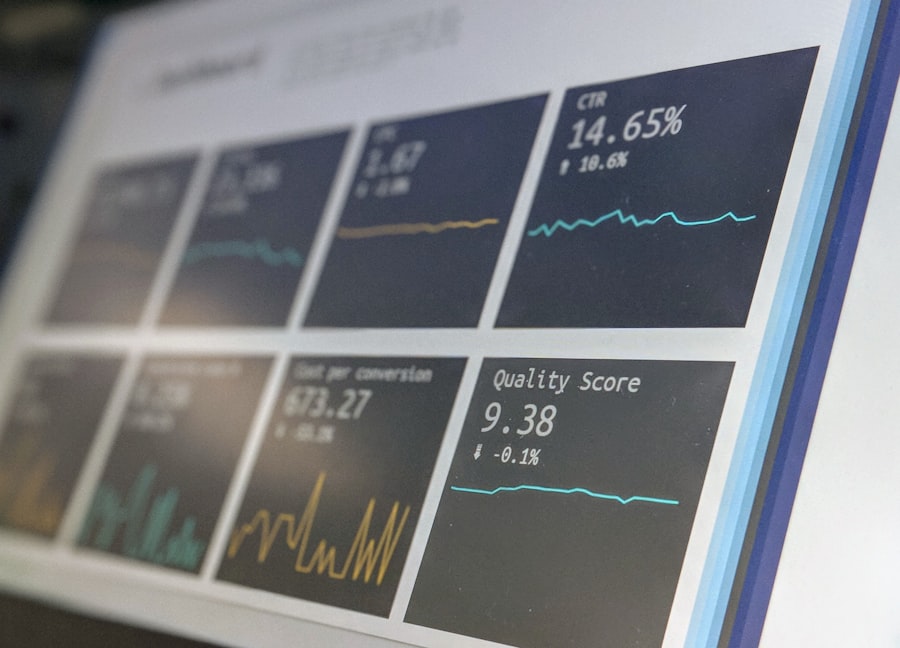
To maximize the effectiveness of managed metrics in military testing, several best practices should be adopted. First, it is essential to establish clear objectives and performance indicators from the outset. By defining what success looks like, military organizations can ensure that all testing activities are aligned with strategic goals.
Additionally, regular reviews and updates of metrics are crucial to maintaining their relevance and effectiveness. As military operations evolve, so too should the metrics used to evaluate them. Continuous feedback loops should be established to assess the effectiveness of current metrics and make necessary adjustments based on emerging trends or changing operational requirements.
Moreover, fostering collaboration among different units and departments can enhance the implementation of managed metrics. By sharing insights and best practices across various branches of the military, organizations can develop a more comprehensive understanding of performance outcomes and identify opportunities for improvement.
Case Studies of Successful Implementation of Managed Metrics in Military Testing
Several case studies illustrate the successful implementation of managed metrics in military testing, showcasing their potential to enhance operational effectiveness. One notable example involves the U.S. Army’s use of managed metrics in evaluating its training programs.
By establishing clear performance indicators for soldier readiness, the Army was able to identify specific areas where training could be improved. This data-driven approach led to enhanced training outcomes and increased overall readiness levels among troops. Another case study highlights the U.S.
Navy’s adoption of managed metrics in assessing the performance of its fleet maintenance programs. By implementing standardized performance indicators for maintenance activities, the Navy was able to streamline processes and reduce downtime for vessels undergoing repairs. This not only improved operational efficiency but also contributed to cost savings for the organization.
Tools and Technologies for Managing Metrics in Military Testing
The effective management of metrics in military testing relies on a range of tools and technologies designed to facilitate data collection, analysis, and reporting. Advanced software solutions enable military organizations to capture real-time data from various sources, providing a comprehensive view of performance outcomes. These tools often incorporate analytics capabilities that allow users to identify trends and patterns within the data.
Additionally, cloud-based platforms offer enhanced accessibility for military personnel involved in testing activities. By centralizing data storage and analysis, these platforms enable seamless collaboration among different units and departments.
Training and Education for Military Personnel on Managed Metrics
To fully leverage the benefits of managed metrics in military testing, comprehensive training and education programs must be implemented for military personnel. These initiatives should focus on equipping individuals with the skills needed to interpret data effectively and make informed decisions based on performance metrics. Training programs should encompass both technical skills related to data analysis as well as soft skills such as critical thinking and problem-solving.
By fostering a culture of continuous learning, military organizations can ensure that personnel are well-prepared to embrace a data-driven approach to testing and evaluation. Moreover, ongoing professional development opportunities should be made available to keep personnel updated on emerging trends and best practices related to managed metrics. This commitment to education will not only enhance individual capabilities but also contribute to overall organizational effectiveness.
Future Trends in Managed Metrics for Military Testing
As technology continues to advance at an unprecedented pace, future trends in managed metrics for military testing are likely to evolve significantly. One emerging trend is the integration of artificial intelligence (AI) and machine learning into data analysis processes. These technologies have the potential to enhance predictive analytics capabilities, allowing military organizations to anticipate performance outcomes based on historical data.
Additionally, the increasing use of simulation technologies in military training presents opportunities for more sophisticated metric management. Virtual environments can provide real-time feedback on performance during training exercises, enabling personnel to make immediate adjustments based on quantifiable data. Furthermore, as interoperability becomes increasingly important in joint operations among allied forces, standardized metrics will play a crucial role in facilitating collaboration across different branches of the military and international partners.
The Future of Military Testing with Managed Metrics
In conclusion, managed metrics represent a transformative approach to military testing that enhances decision-making capabilities, fosters accountability, and drives continuous improvement within armed forces. While challenges exist in implementing these metrics effectively, best practices and successful case studies demonstrate their potential to revolutionize evaluation processes. As technology continues to advance and the nature of warfare evolves, the importance of managed metrics will only grow.
By investing in training initiatives and embracing innovative tools for data management, military organizations can position themselves for success in an increasingly complex operational landscape. The future of military testing lies in harnessing the power of managed metrics to ensure that armed forces remain agile, effective, and prepared for any challenge that may arise.
In the realm of military testing, the importance of managed metrics cannot be overstated, as they play a crucial role in evaluating the effectiveness and efficiency of various systems. For a deeper understanding of how these metrics are applied in military contexts, you can refer to a related article on this topic at In the War Room. This resource provides valuable insights into the methodologies and frameworks used to assess military capabilities through managed metrics.
FAQs
What are managed metrics in military testing?
Managed metrics in military testing refer to systematically collected and analyzed quantitative data used to evaluate the performance, reliability, and effectiveness of military systems and equipment during testing phases. These metrics help ensure that military assets meet required standards and operational goals.
Why are managed metrics important in military testing?
Managed metrics provide objective, data-driven insights that support decision-making, risk assessment, and quality assurance in military testing. They help identify issues early, track progress, and validate that systems perform as intended under various conditions.
What types of metrics are commonly used in military testing?
Common metrics include reliability metrics (e.g., mean time between failures), performance metrics (e.g., speed, accuracy), safety metrics, maintainability metrics, and operational effectiveness metrics. These are tailored to the specific system or equipment being tested.
How are managed metrics collected during military testing?
Metrics are collected through a combination of automated data acquisition systems, manual observations, instrumentation, and test reports. Data collection methods are designed to be accurate, repeatable, and consistent with testing protocols.
Who is responsible for managing metrics in military testing?
Typically, test engineers, quality assurance personnel, and program managers collaborate to define, collect, analyze, and report managed metrics. Military testing organizations often have dedicated teams or roles focused on metrics management.
How do managed metrics influence military procurement decisions?
Managed metrics provide evidence of system performance and reliability, which informs procurement officials about whether a system meets operational requirements. This data supports go/no-go decisions, contract awards, and future development priorities.
Are there standards governing managed metrics in military testing?
Yes, military testing often follows established standards and guidelines such as those from the Department of Defense (DoD), NATO, or other defense organizations. These standards define metric definitions, data collection methods, and reporting formats to ensure consistency and comparability.
Can managed metrics be used to improve military systems?
Absolutely. Analyzing managed metrics helps identify weaknesses, failure modes, and areas for improvement, enabling engineers to refine designs, enhance reliability, and optimize system performance before full-scale deployment.
What challenges exist in managing metrics during military testing?
Challenges include ensuring data accuracy, handling large volumes of data, integrating metrics from diverse sources, maintaining security and confidentiality, and aligning metrics with evolving test objectives and operational requirements.
How is data security maintained when managing metrics in military testing?
Data security is maintained through strict access controls, encryption, secure data storage, and compliance with military cybersecurity policies to protect sensitive information from unauthorized access or tampering.