Enhancing Military Command and Control: Strategies for Success
Effective military command and control (C2) is the linchpin of successful operations. It encompasses the entire organizational structure and processes that enable a commander to direct forces and execute missions. In an increasingly complex and dynamic global landscape, where threats can emerge rapidly and adversaries employ sophisticated tactics, the ability to maintain a coherent and responsive C2 system is more critical than ever. This article explores multifaceted strategies for enhancing military C2, aiming to foster agility, resilience, and decisive action across the spectrum of conflict.
The nature of warfare is undergoing a profound transformation. From traditional large-scale conflicts to asymmetric engagements, cyber warfare, and information operations, the modern battlefield presents a dizzying array of challenges. This evolution directly impacts the demands placed upon C2 systems.
The Shift Towards Network-Centric Warfare
The concept of network-centric warfare, emphasizing the sharing of information across all levels of command and across different domains, has revolutionized C2 thinking. The goal is to create a shared understanding of the operational environment, enabling faster decision-making and more precise execution.
The Importance of Information Dominance
Information dominance, the ability to collect, process, disseminate, and use information superior to that of an adversary, is a prerequisite for effective C2 in the network-centric paradigm. This includes understanding the enemy’s intentions, capabilities, and disposition, as well as maintaining situational awareness of one’s own forces.
Interoperability as a Cornerstone
For network-centric warfare to thrive, seamless interoperability between different branches of service, allied forces, and even civilian agencies is paramount. Without the ability to share and integrate data, the potential benefits of a networked approach are lost.
Asymmetric and Hybrid Warfare Challenges
The rise of asymmetric and hybrid warfare—characterized by the use of irregular tactics, terrorism, disinformation campaigns, and the blurring of lines between state and non-state actors—poses unique C2 dilemmas. These threats often lack clear hierarchies, operate in unconventional ways, and can exploit the inherent complexities of traditional military structures.
Decentralization and Dispersed Operations
Asymmetric threats often necessitate decentralized operations and the empowerment of lower echelons to make tactical decisions. This requires a robust C2 framework that can provide guidance and support without imposing rigid constraints.
The Cognitive Dimension of Warfare
Hybrid warfare often targets the cognitive domain, seeking to undermine public confidence, sow discord, and influence decision-making. C2 systems must be able to detect and counter these efforts, which may not involve kinetic actions but can have significant strategic implications.
Technological Advancements and Their Impact
Technological advancements, from artificial intelligence and machine learning to advanced sensor technologies and satellite communications, offer both opportunities and challenges for C2.
The Double-Edged Sword of Automation
Automation can streamline processes, reduce human error, and enable faster decision cycles. However, over-reliance on automation without adequate human oversight can lead to critical failures or unintended consequences.
Cybersecurity as a Critical C2 Pillar
The increasing dependence on digital networks makes C2 systems vulnerable to cyberattacks. Protecting these systems from intrusion, disruption, and manipulation is a fundamental requirement.
In the realm of military operations, effective command and control are crucial for mission success, as highlighted in the article on In the War Room. This piece delves into the complexities of coordinating forces and resources in dynamic environments, emphasizing the importance of real-time communication and decision-making. By exploring various strategies and technologies that enhance command and control, the article provides valuable insights for military leaders aiming to optimize their operational effectiveness.
Fostering Agility and Adaptability in C2
Agility and adaptability are no longer desirable traits but essential requirements for modern military C2. The ability to rapidly reconfigure forces, adjust plans, and respond to changing circumstances is vital for achieving strategic objectives.
Dynamic Reorganization and Restructuring
Military organizations must be designed with inherent flexibility to allow for dynamic reorganization based on mission requirements. This can involve the rapid formation of joint task forces, the integration of specialized units, and the adaptation of command structures to suit evolving operational environments.
Modular Force Structures
Adopting modular force structures allows for the efficient assembly and disassembly of units, providing commanders with the flexibility to tailor their forces to specific tasks and threats. This approach enhances responsiveness and reduces logistical burdens.
Cross-Domain Integration
True agility requires seamless integration across all operational domains: land, sea, air, space, and cyberspace. C2 systems must facilitate synchronized operations and decision-making that transcends these boundaries.
Cognitive Flexibility of Commanders and Staff
Beyond technological solutions, the cognitive flexibility of commanders and their staff is crucial. This involves the capacity to think critically, adapt to new information, challenge assumptions, and make sound decisions under pressure and uncertainty.
Training for Ambiguity and Uncertainty
Military training must move beyond rote memorization and focus on developing critical thinking skills, problem-solving abilities, and the capacity to operate effectively in environments characterized by ambiguity and incomplete information.
Scenario-Based Planning and Wargaming
Regularly engaging in realistic scenario-based planning and wargaming helps commanders and staff develop their ability to anticipate, analyze, and respond to a wide range of potential situations, thereby enhancing their cognitive flexibility.
Leveraging Human-Machine Teaming
The future of C2 lies in effective human-machine teaming, where artificial intelligence and other advanced technologies augment human capabilities rather than replace them.
AI-Assisted Decision Support
AI algorithms can process vast amounts of data, identify patterns, and provide recommended courses of action. Commanders can then leverage these insights to make more informed and timely decisions.
Human Oversight and Ethical Considerations
Crucially, human oversight remains essential. Commanders must retain the authority to interpret AI-generated recommendations, consider ethical implications, and make the final decisions, especially in matters involving the use of lethal force.
Building Resilience and Robustness in C2
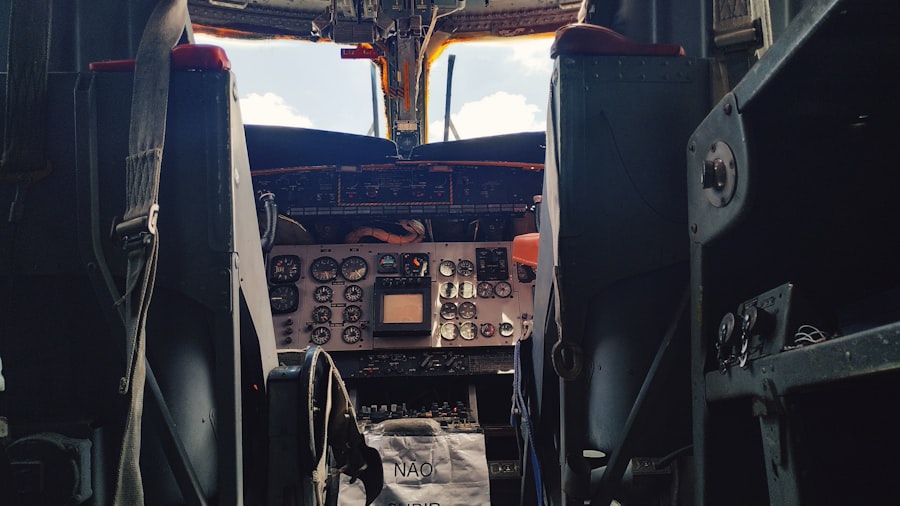
A resilient C2 system can withstand disruptions, adapt to failures, and continue to function effectively even under significant stress or attack. This requires a proactive approach to identifying vulnerabilities and implementing robust safeguards.
Redundancy and Diversity in Communication Networks
Dependence on single communication pathways creates significant vulnerabilities. Implementing redundant and diverse communication networks, utilizing different technologies and routing, ensures that information can flow even if one channel is compromised.
Utilizing Multiple Communication Bandwidths and Frequencies
Employing a range of communication bandwidths and frequencies, including secure satellite links, line-of-sight radio, and even secure laser communications, provides alternative means of transmitting data.
Decentralized Command Nodes
Shifting away from highly centralized command nodes towards more distributed and decentralized command structures can enhance resilience. If one node is incapacitated, others can assume its functions.
Information Assurance and Cybersecurity Measures
Protecting the integrity, confidentiality, and availability of information is paramount. Robust cybersecurity measures are essential to prevent adversaries from disrupting or manipulating C2 processes.
Encryption and Authentication Protocols
Implementing strong encryption for all sensitive communications and utilizing multi-factor authentication for access to C2 systems are fundamental.
Continuous Monitoring and Threat Detection
Proactively monitoring networks for anomalies and employing advanced threat detection systems can identify and neutralize cyber threats before they can cause significant damage.
Contingency Planning and Disaster Recovery
Comprehensive contingency plans and robust disaster recovery protocols are vital to ensure that C2 functions can be restored quickly in the event of a catastrophic event.
Pre-defined Failover Procedures
Establishing clear and pre-defined failover procedures allows for the rapid transition to backup systems and redundant communication channels in case of primary system failure.
Regular Testing and Drills
Conducting regular testing and drills of contingency plans ensures that personnel are familiar with procedures and that systems are functioning as expected.
Enhancing Situational Awareness Through Data Fusion and Visualization

Comprehensive situational awareness—a clear understanding of the operational environment, friendly forces, and potential threats—is the bedrock of effective C2. This is achieved through the sophisticated fusion of data from disparate sources and its clear, intuitive visualization.
Integration of Diverse Sensor Networks
Modern warfare generates an enormous amount of data from a wide array of sources, including satellites, drones, ground sensors, intelligence feeds, and even social media. Integrating these diverse sensor networks is the first step to achieving a holistic picture.
Cross-Domain Data Sharing Platforms
Developing platforms that can seamlessly share and integrate data from different domains (air, land, sea, space, cyber) is crucial. This requires overcoming technical barriers related to differing data formats and communication protocols.
Real-Time Data Ingestion and Processing
The ability to ingest and process data in real-time is essential for maintaining up-to-date situational awareness. This necessitates the use of advanced analytics and high-performance computing capabilities.
Advanced Data Fusion Techniques
Raw data alone is rarely sufficient. Advanced data fusion techniques are required to combine and correlate information from multiple sources, identify patterns, and filter out noise to extract meaningful intelligence.
Artificial Intelligence and Machine Learning for Pattern Recognition
AI and machine learning can be employed to automatically identify patterns, anomalies, and potential threats within large datasets, significantly enhancing the efficiency of data analysis.
Correlation and Triangulation of Information
Correlating information from different sensors and sources, and triangulating battlefield events, helps to build a more accurate and complete picture of the operational environment.
Intuitive Visualization and User Interfaces
Even the most comprehensive data is useless if it cannot be understood. Intuitive visualization tools and user-friendly interfaces are critical for presenting complex information in a digestible and actionable format for commanders and staff.
Layered and Customizable Displays
Commanders require the ability to view information at different levels of detail, with customizable layers representing various aspects of the operational environment, such as force disposition, terrain, weather, and enemy activity.
Augmented Reality and Virtual Reality Applications
Emerging technologies like augmented reality (AR) and virtual reality (VR) offer promising avenues for more immersive and intuitive visualization of battlefield data, potentially transforming how commanders interact with information.
In the realm of military operations, effective command and control is crucial for mission success, and understanding its intricacies can significantly enhance strategic outcomes. A related article that delves deeper into this topic can be found at In The War Room, where various aspects of military leadership and decision-making processes are explored. This resource provides valuable insights into how modern technology and communication systems are reshaping traditional command structures, ultimately influencing the dynamics of warfare.
Cultivating a Culture of Continuous Improvement and Learning
| Aspect | Metrics |
|---|---|
| Communication | Number of communication channels |
| Decision-making | Time taken for decision-making |
| Coordination | Level of coordination between units |
| Information sharing | Accuracy of shared information |
| Command structure | Clarity of command hierarchy |
Effective C2 is not a static system but a continuously evolving one. Cultivating a culture of continuous improvement and learning is essential to adapt to new threats, technologies, and lessons learned from operations.
Post-Operation Analysis and Lessons Learned
A rigorous process for analyzing operations, identifying successes and failures, and thoroughly documenting lessons learned is fundamental to C2 enhancement.
Blameless Postmortems
Creating an environment where personnel feel comfortable identifying shortcomings and suggesting improvements without fear of reprisal is crucial for honest and effective post-operation analysis.
Knowledge Management Systems
Implementing robust knowledge management systems ensures that lessons learned are captured, disseminated, and integrated into training, doctrine, and future operational planning.
Adaptable Doctrine and Training Methodologies
Military doctrine and training methodologies must be flexible enough to incorporate new concepts, technologies, and lessons learned.
Regular Doctrine Reviews and Updates
Periodically reviewing and updating military doctrine ensures that it remains relevant to the contemporary operational environment and reflects best practices.
Realistic and Stressful Training Exercises
Training exercises should simulate the complexities and stresses of real-world operations, pushing personnel to their limits and identifying areas for improvement in C2 procedures and individual performance.
Empowering Personnel and Fostering Initiative
A command structure that empowers personnel at all levels and fosters initiative is more effective and adaptable. This involves decentralizing decision-making authority where appropriate and encouraging proactive problem-solving.
Encouraging Innovation and Experimentation
Creating opportunities for personnel to propose and experiment with new ideas and technologies can lead to significant advancements in C2 capabilities.
Building Trust and Confidence
A strong command climate built on trust and confidence between commanders and their subordinates is essential for effective empowerment and the willingness to take initiative.
In conclusion, enhancing military command and control is a multifaceted undertaking that requires a holistic approach. By focusing on agility, resilience, robust situational awareness, and a culture of continuous improvement, military organizations can build C2 systems that are not only capable of meeting today’s complex challenges but are also prepared to adapt and thrive in the uncertain landscape of future conflicts. The investment in these strategies is an investment in the success of military missions and the security of nations.

The Hidden Weakness Behind Modern Warfare
FAQs
What is military command and control?
Military command and control refers to the exercise of authority and direction by a properly designated commander over assigned and attached forces in the accomplishment of the mission.
What are the key components of military command and control?
The key components of military command and control include planning, decision-making, communication, coordination, and leadership.
Why is military command and control important?
Military command and control is important because it ensures that military operations are conducted effectively and efficiently, with clear direction and coordination among all forces involved.
How is military command and control structured?
Military command and control is structured hierarchically, with a clear chain of command and designated leaders at various levels of authority.
What technologies are used in military command and control?
Technologies used in military command and control include communication systems, surveillance and reconnaissance tools, and information management systems to support decision-making and coordination.