The stark reality of a Titan II missile incident demands a meticulously orchestrated and highly specialized emergency response. These intercontinental ballistic missiles, while retired from active service, represent a lingering, albeit historical, threat due to their volatile propellants and the sheer destructive potential of their warheads. A breach or malfunction involving a Titan II launch facility, a transportation incident, or even the handling of decommissioned components necessitates an immediate and comprehensive approach to mitigate risks to life, property, and the environment.
The Titan II missile system, a relic of the Cold War, presents a unique set of hazards that differentiate its emergency response from conventional incidents. Understanding these specific threats is paramount for developing effective mitigation strategies and ensuring the safety of responders and the public.
Propellant Hazards: The Volatile Core
The most immediate and pervasive threat associated with Titan II missiles stems from their hypergolic propellants. Unlike traditional rocket fuels that require an ignition source, hypergolic propellants ignite spontaneously upon contact. This inherent characteristic significantly escalates the risk of uncontrolled combustion and explosion.
Unsymmetrical Dimethylhydrazine (UDMH) – Fuel
UDMH, the fuel component of the Titan II, is a highly flammable, colorless liquid with a pungent, fishy odor. It is also a potent carcinogen and irritant. Its vapors are heavier than air and can accumulate in low-lying areas, creating an invisible and deadly hazard. Contact with oxidizers, even atmospheric oxygen, can lead to rapid ignition. In the event of a leak or rupture, UDMH can present a significant fire and explosion risk, especially in confined spaces. Furthermore, its toxic properties pose a severe threat to human health through inhalation, skin absorption, and ingestion.
Nitrogen Tetroxide (NTO) – Oxidizer
Nitrogen tetroxide (NTO), the oxidizer, is a dense, reddish-brown liquid that readily fumes in moist air, producing toxic nitrogen oxides. NTO is a powerful oxidizer, meaning it vigorously supports combustion and can react explosively with many organic materials, including fuels, lubricants, and even some plastics and rubbers. Its corrosive nature poses a significant threat to personnel and equipment. Inhalation of NTO vapors can cause severe respiratory damage, pulmonary edema, and death. Skin and eye contact can result in severe chemical burns. The reaction between UDMH and NTO is not only hypergolic but also highly exothermic, generating significant heat that can further exacerbate the situation.
Warhead Risks: The Ultimate Deterrent
While the propellants represent the immediate explosive and toxic hazard, the nuclear warhead itself, though rendered inert for launch purposes during decommissioning, still presents a significant safety concern.
Nuclear Material Handling and Security
Even without active nuclear launch capabilities, the presence of fissile material within the warhead necessitates stringent handling protocols. Accidental dispersal of radioactive material, while less likely in a static incident than a catastrophic explosion, remains a critical consideration. Security protocols are paramount to prevent any unauthorized access or attempted theft of the warhead or its components.
Conventional Explosives
The warhead also contains conventional explosives that are used to initiate the nuclear reaction. These explosives, even if their nuclear components are de-energized, can still detonate under certain conditions, posing a blast hazard. The integrity of the warhead casing and its safety mechanisms are crucial factors in assessing this risk.
Structural Integrity and Environmental Contamination
The aging infrastructure of Titan II launch sites and missile silos can also contribute to the overall risk profile.
Structural Collapse and Debris Fields
Deterioration of concrete silos, support structures, and associated equipment can lead to collapses, creating dangerous debris fields and potential impalement hazards for responders. The sheer mass and complexity of these structures mean that a significant structural failure can generate widespread damage and secondary hazards.
Soil and Groundwater Contamination
Leaks from the propellants, particularly UDMH, can seep into the soil and contaminate groundwater sources. The long-term environmental impact of such contamination requires careful assessment and remediation strategies. The persistent nature of some chemical contaminants can pose a legacy environmental challenge.
In the context of the Titan II missile emergency response, it’s essential to understand the historical significance and the protocols that were in place during the Cold War era. For a deeper insight into the challenges and strategies involved in managing such high-stakes situations, you can refer to a related article that discusses the intricacies of military preparedness and response systems. To read more about this topic, visit this article.
Initial Assessment and Command Structure
The immediate aftermath of a Titan II incident demands a rapid and accurate assessment of the situation, followed by the establishment of a clear and unified command structure. This ensures that resources are deployed effectively and that all actions are coordinated to achieve the primary objective: safety.
Rapid Situational Awareness
The initial moments are critical for gathering information and understanding the scope of the incident. This involves deploying trained personnel to assess the immediate hazards and potential risks to the public and the environment.
On-Scene Reconnaissance Teams
Highly specialized teams, equipped with appropriate personal protective equipment (PPE) and monitoring devices, are dispatched to the incident site. Their primary objective is to identify the type and extent of the incident, the location of hazardous materials, and the immediate threats to life and property. This includes detecting UDMH vapors, NTO fumes, and assessing the structural integrity of surrounding facilities.
Hazard Identification and Quantification
Using specialized sensors and analytical equipment, these teams will attempt to quantify the concentration of hazardous vapors, identify the source of leaks, and assess the potential for escalation. This information is crucial for determining the appropriate evacuation zones and the level of PPE required for subsequent response efforts.
Public Notification and Evacuation
Based on the initial assessment, immediate public notification and, if necessary, evacuation orders are issued. This requires pre-established communication channels and clear protocols for disseminating information to the affected population.
Unified Command and Incident Management
A robust incident command system (ICS) is essential for managing the complexities of a Titan II response. This ensures that all responding agencies and personnel operate under a single, cohesive command structure.
Establishing the Incident Command Post (ICP)
The ICP serves as the central hub for all command and control operations. It is staffed by experienced incident managers from various responding agencies, including fire departments, hazmat teams, law enforcement, and military personnel if applicable.
Roles and Responsibilities Delineation
Clear delineation of roles and responsibilities among participating agencies is crucial to avoid confusion and duplication of effort. This includes assigning specific tasks to hazmat teams, tactical operations units, medical support, and public information officers.
Resource Allocation and Management
The ICS facilitates the efficient allocation and management of critical resources, including specialized equipment, personnel, and funding. This ensures that the necessary assets are deployed to the most critical areas of the incident.
Specialized Hazmat Operations
The unique nature of Titan II propellants mandates highly specialized hazardous materials (hazmat) operations, distinct from those for more common chemical incidents. These operations focus on containment, neutralization, and safe handling of hypergolic substances.
Containment and Leak Mitigation Strategies
The primary goal in a Titan II propellant leak is to prevent further release and minimize the spread of hazardous vapors and liquids.
Advanced Containment Techniques
This involves the use of specialized containment booms, dikes, and absorbent materials designed to withstand the corrosive and reactive nature of UDMH and NTO. In some cases, temporary enclosures or tents may be deployed to capture fugitive vapors.
Plugging and Patching
For minor leaks, highly trained technicians may attempt to plug or patch the source of the leak. This requires specialized tools and materials resistant to the propellants. The inherent danger of spontaneous ignition makes this a high-risk, high-reward operation.
Vapor Suppression and Control
Water fog or specialized foam may be used to suppress and disperse UDMH vapors, reducing the immediate inhalation hazard. However, the use of water with NTO requires extreme caution due to the potential for violent reactions.
Neutralization and Decontamination Procedures
Once containment is achieved, neutralization and decontamination become critical steps to render the hazardous substances less dangerous and to clean up the affected area.
Chemical Neutralization Agents
Specific chemical agents are used to react with and neutralize UDMH and NTO. For UDMH, oxidizers like diluted hydrogen peroxide or sodium hypochlorite are often employed. For NTO, reducing agents are used. The exact neutralization process is complex and must be carefully controlled to avoid secondary hazards.
Decontamination of Personnel and Equipment
Personnel who have been exposed to propellants, as well as all equipment used in the response, must undergo a rigorous decontamination process. This typically involves multiple rinses with specialized decontamination solutions.
Environmental Remediation Planning
The long-term impact of propellant contamination requires careful environmental remediation planning. This may involve soil excavation, groundwater treatment, and monitoring to ensure that the site is returned to a safe condition.
Medical Response and Personnel Safety
The toxic and corrosive nature of Titan II propellants presents significant challenges for medical responders. Protecting the health and safety of all personnel involved in the response is paramount.
Immediate Medical Support and Triage
Prompt and specialized medical attention is vital for anyone exposed to UDMH or NTO.
Pre-designated Medical Facilities and Expertise
Hospitals and medical facilities in the vicinity should be alerted to the potential for casualties and equipped to handle chemical burns, respiratory distress, and systemic poisoning. Specialized medical teams with expertise in chemical exposures are essential.
On-Scene Medical Triage and Stabilization
On-site medical teams will provide immediate triage and stabilization of victims, administering first aid and basic life support while preparing them for transport to medical facilities. This includes prompt removal from contaminated areas and initial decontamination.
Personal Protective Equipment (PPE) Selection and Use
The selection and proper use of PPE is non-negotiable for anyone operating in or near a Titan II incident.
Level A Encapsulated Suits
For situations involving high concentrations of UDMH and NTO vapors or direct contact with liquids, Level A suits are mandatory. These fully encapsulating suits provide the highest level of protection against chemical hazards, including respiratory protection.
Specialized Respiratory Protection
Depending on the assessed hazard level, responders may require self-contained breathing apparatus (SCBA) or supplied-air respirators to ensure adequate oxygen supply and protection from toxic vapors.
Chemical-Resistant Gloves and Footwear
Even when not wearing full suits, responders must utilize chemical-resistant gloves and footwear specifically rated for UDMH and NTO to prevent skin contact.
Long-Term Health Monitoring
Exposure to UDMH, a known carcinogen, necessitates long-term health monitoring for all responders.
Medical Surveillance Programs
Comprehensive medical surveillance programs should be established for all personnel involved in the response, including regular check-ups and screening for potential long-term health effects.
Record Keeping and Documentation
Detailed records of all exposures, including the type and duration of exposure, should be meticulously maintained to support long-term health monitoring and potential future claims.
In the context of the Titan II missile emergency response, it is crucial to understand the historical implications and the protocols that were established during the Cold War era. A related article that delves deeper into these emergency procedures can be found at this link, which provides valuable insights into the challenges faced by military personnel during that time. The article highlights the importance of preparedness and the lessons learned from past incidents, ensuring that we remain vigilant in the face of potential threats.
Evacuation and Public Safety Measures
| Metric | Description | Value | Unit | Notes |
|---|---|---|---|---|
| Response Time | Time taken for emergency teams to arrive on site after alert | 15 | minutes | Average during drills |
| Personnel Involved | Number of emergency responders assigned per incident | 25 | persons | Includes security, medical, and technical staff |
| Evacuation Radius | Distance around missile site evacuated during emergency | 2 | miles | Based on safety protocols |
| Communication Channels | Number of communication methods used during response | 4 | channels | Radio, telephone, sirens, and secure digital comms |
| Training Frequency | Number of emergency response drills conducted annually | 6 | times/year | Includes full-scale and tabletop exercises |
| Containment Time | Time to secure missile and prevent hazardous release | 45 | minutes | Goal time during emergency scenarios |
| Medical Support Units | Number of medical teams on standby during emergencies | 3 | units | Includes trauma and hazardous material specialists |
Protecting the civilian population is a primary objective in any Titan II incident. This involves proactive measures to inform, protect, and, if necessary, evacuate individuals from affected areas.
Pre-Incident Planning and Preparedness
Effective public safety measures are built upon a foundation of robust pre-incident planning and ongoing preparedness efforts.
Hazard Vulnerability Assessments
Regular assessments of potential Titan II incident scenarios and their impact on surrounding communities are conducted to identify vulnerabilities and inform planning.
Public Education and Awareness Campaigns
Educating the public about the potential hazards of Titan II sites and what to do in the event of an incident is crucial. This includes information on evacuation routes, shelter-in-place procedures, and communication protocols.
Mutual Aid Agreements and Exercise Programs
Establishing strong mutual aid agreements with neighboring jurisdictions and conducting regular joint exercises are vital to ensure a coordinated and effective response when multiple agencies are involved.
Evacuation Procedures and Support
In the event of an imminent threat, a well-defined and executed evacuation plan is essential.
Defined Evacuation Zones and Phased Evacuation
Based on hazard assessments, clear evacuation zones are established, and phased evacuation plans are implemented to ensure an orderly and efficient movement of people away from the danger.
Transportation and Shelter Support
Providing transportation for individuals who cannot evacuate themselves and establishing safe and accessible shelter facilities are critical components of the evacuation process. This includes provisions for pets and individuals with special needs.
Communication Strategies
Clear, consistent, and timely communication with the public during an evacuation is paramount. This involves utilizing multiple communication channels, including sirens, emergency alerts, and media broadcasts.
Re-entry and Recovery Operations
Once the immediate threat has subsided and the affected area has been deemed safe, re-entry and recovery operations commence.
Site Assessment and Clearance
Thorough site assessments are conducted by specialized teams to confirm that all hazardous materials have been contained, neutralized, and removed, and that the area is safe for re-occupation.
Long-Term Monitoring and Support
Depending on the nature of the incident and any residual contamination, long-term environmental monitoring and community support programs may be necessary. This could include health advisories, counseling services, and assistance with recovery efforts.
The response to a Titan II missile incident is a testament to the critical importance of specialized training, advanced technology, and unwavering preparedness. The unique and formidable hazards associated with these historical weapons demand a response that is as sophisticated and coordinated as the systems themselves, prioritizing the safety of responders and the public above all else.
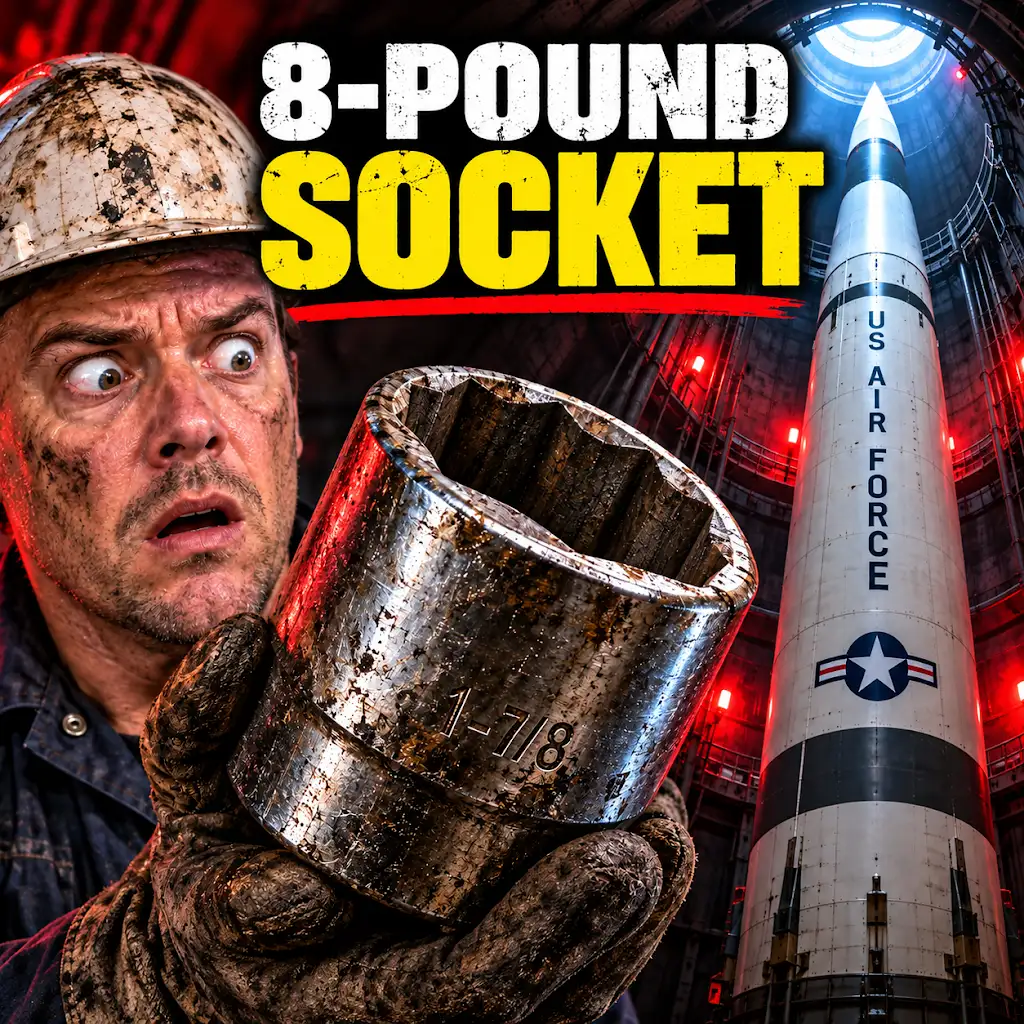
How a Dropped Socket Destroyed a Titan II Missile
FAQs
What is a Titan II missile?
A Titan II missile is an intercontinental ballistic missile (ICBM) developed by the United States during the Cold War. It was designed to carry a nuclear warhead.
What was the Titan II missile emergency response?
The Titan II missile emergency response refers to the actions taken by emergency personnel in response to an incident involving a Titan II missile. This could include accidents, malfunctions, or security breaches.
Where did the Titan II missile emergency response take place?
The Titan II missile emergency response incidents primarily took place at Titan II missile silos located in various states across the United States, such as Arkansas, Arizona, and Kansas.
Who was involved in the Titan II missile emergency response?
The Titan II missile emergency response involved a coordinated effort between military personnel, emergency responders, and specialized teams trained to handle incidents involving nuclear weapons.
What were the risks associated with the Titan II missile emergency response?
The risks associated with the Titan II missile emergency response included potential exposure to radiation, the threat of a missile explosion, and the release of toxic chemicals used in the missile’s propulsion system.