In the shadows of global conflict and covert operations, certain units stand as the pinnacle of military prowess, honed to an almost mythical level of capability. Among these elite forces, Delta Force and SEAL Team Six (now officially Naval Special Warfare Development Group, or DEVGRU) are often mentioned in hushed tones, embodying the tip of the spear for counter-terrorism, hostage rescue, and high-stakes direct action missions. While both are undeniably among the world’s most capable special operations units, they hail from different branches, possess distinct operational philosophies, and are structured to excel in unique environments and mission sets. This exploration delves into the origins, training, operational doctrines, and legendary capabilities of Delta Force and DEVGRU, shedding light on what makes them the formidable entities they are.
Delta Force and SEAL Team Six are two of the most elite special operations units in the United States military, each with its own unique specialization and operational focus. For a deeper understanding of their training, missions, and the differences in their approaches to counter-terrorism, you can read a related article that explores these aspects in detail. Check it out here: Delta Force and SEAL Team Six Specialization.
The Genesis of Elite: Tracing Their Roots
The formation of both Delta Force and DEVGRU was a direct response to perceived shortcomings in U.S. special operations capabilities during critical historical junctures. Their establishment was not a matter of mere expansion, but a strategic imperative born from necessity and the recognition that existing forces, while capable, lacked the specialized training and integration for certain types of missions.
Delta Force: Born from Failure and the Need for Precision
The official birth of Delta Force, or 1st Special Forces Operational Detachment-Delta (SFOD-D), can be traced back to the aftermath of Operation Eagle Claw in 1980. This ill-fated attempt to rescue American hostages held in Iran exposed critical deficiencies in inter-agency coordination, mission planning, and the execution of complex special operations. The mission’s catastrophic failure, culminating in a helicopter crash and loss of life, underscored the urgent need for a dedicated, highly trained unit capable of handling hostage rescue and direct action missions with unparalleled precision and discretion.
- The Shadow of Operation Eagle Claw: The failed rescue mission in Iran served as a stark wake-up call. It highlighted the absence of a standing, readily deployable unit with the specialized skills and equipment necessary for such high-risk endeavors. The incident galvanized the U.S. military leadership to pursue the creation of a unit that could operate with surgical precision, minimizing collateral damage and maximizing the chances of success in extremely volatile situations.
- The Command’s Vision: Colonel Charlie Beckwith, a seasoned Special Forces officer with extensive experience in unconventional warfare, became the driving force behind the establishment of Delta Force. He envisioned a unit that would not only be exceptionally skilled in direct action but also possess advanced intelligence-gathering and analysis capabilities, enabling them to operate effectively in complex and politically sensitive environments. His vision was to create a unit that could “go anywhere, anytime, and take on anything.”
- Early Development and Training: From its inception, Delta Force was designed to be a small, highly selective unit. Recruits were drawn from experienced personnel within Army Special Forces, Rangers, and other elite units. The selection and training process was, and remains, notoriously rigorous, designed to weed out all but the most resilient and capable individuals. This intense vetting process ensures that only those with the mental fortitude, physical endurance, and adaptability required for the unit’s demanding missions are selected.
SEAL Team Six: The Navy’s Elite Response to Terrorism
SEAL Team Six, later evolving into DEVGRU, emerged from a similar imperative within the U.S. Navy. The rise of international terrorism in the 1970s and the growing threat to naval assets and personnel prompted the Navy to establish a dedicated counter-terrorism unit. While the SEALs (Sea, Air, and Land) teams were already highly capable, the Navy sought to create a specialized entity that could operate with even greater agility and focus on maritime counter-terrorism and direct action against high-value targets.
- The SEAL Ethos: The existing SEAL teams provided a strong foundation, steeped in a culture of innovation, adaptability, and a relentless pursuit of excellence. Their maritime expertise, combined with their renowned physical and mental toughness, made them the ideal candidates for the development of a more specialized counter-terrorism force. The SEAL ethos emphasizes self-reliance, initiative, and the ability to operate effectively in any environment, which are crucial traits for the operators of DEVGRU.
- The Need for Maritime Counter-Terrorism: The hijacking of the Achille Lauro in 1985 and other maritime terrorist incidents highlighted the vulnerability of sea lanes and the need for a specialized unit capable of responding to such threats. SEAL Team Six was conceived to fill this gap, focusing on operations that involved watercraft, coastal areas, and the protection of naval interests globally. Their unique skill set in maritime operations distinguishes them from their Army counterparts.
- Evolution into DEVGRU: Over time, the operational scope and capabilities of SEAL Team Six expanded beyond its initial maritime focus. The unit was eventually reorganized and renamed the Naval Special Warfare Development Group (DEVGRU) to reflect its broadened mission set, which now encompasses a wide range of direct action, special reconnaissance, and counter-terrorism operations, often in support of broader national security objectives. The name change was also partly to increase operational security.
The Crucible of Training: Forging Unrivaled Operators

The selection and training processes for both Delta Force and DEVGRU are legendary for their intensity and selectivity. They are designed not merely to impart skills but to fundamentally break down and rebuild individuals into a cohesive, highly effective fighting force capable of performing under extreme duress. The common thread is an unwavering commitment to realism, pushing operators to their absolute limits physically, mentally, and emotionally.
Delta Force: The Unseen Path to Mastery
Delta Force’s training is shrouded in secrecy, but its core principles are well understood to be about cultivating an operator who is a master of multiple disciplines, capable of independent thought and decisive action. The selection process is famously arduous, designed to identify individuals with exceptional problem-solving skills, resilience, and a profound sense of responsibility.
- The Selection Pipeline: Prospective Delta operators typically undergo a lengthy and brutal selection process known as “Green Team.” This phase is designed to assess a candidate’s physical and mental fortitude through prolonged periods of stress, sleep deprivation, and demanding physical challenges. Candidates are constantly evaluated on their decision-making abilities under pressure, their ability to work as part of a team, and their leadership potential. The attrition rate is exceptionally high.
- Beyond Basic Skills: Specialization and Integration: Once selected, operators undergo further intensive training tailored to the unit’s diverse mission requirements. This includes advanced marksmanship, close-quarters combat (CQC), demolitions, intelligence gathering and analysis, surveillance and reconnaissance, survival skills, and SERE (Survival, Evasion, Resistance, and Escape). Crucially, Delta operators are trained to integrate seamlessly with other intelligence agencies and special operations units, making them highly adaptable assets in complex joint operations.
- Emphasis on Adaptability and Innovation: A hallmark of Delta Force training is its emphasis on adaptability and innovation. Operators are encouraged to think outside the box, develop novel solutions to unexpected challenges, and continuously refine their tactics and techniques. This fosters a culture of continuous improvement and ensures that Delta remains at the forefront of special operations warfare, capable of facing evolving threats.
DEVGRU: Mastering the Maritime and Beyond
DEVGRU’s training builds upon the already exceptional foundation of the Navy SEALs, with a pronounced emphasis on maritime operations but also encompassing a broad spectrum of skills necessary for global counter-terrorism. Their training is equally rigorous, pushing operators to the brink to ensure they can perform in the most challenging environments.
- Advanced Maritime Warfare: Given their origins, DEVGRU operators receive unparalleled training in all aspects of maritime operations. This includes advanced small boat operations, underwater demolition, ship-boarding procedures, submarine interdiction, and operating in a wide range of marine environments, from tropical waters to arctic conditions. Their proficiency in the maritime domain is a defining characteristic.
- Counter-Terrorism and Hostage Rescue Proficiency: A significant portion of DEVGRU’s training is dedicated to counter-terrorism and hostage rescue. This involves extensive simulations of complex scenarios, including urban environments, aircraft hijackings, and maritime hostage situations. They train in specialized techniques for breaching, clearing, and neutralizing threats while prioritizing the safety of hostages.
- Cross-Training and Interoperability: Like Delta Force, DEVGRU operators undergo extensive cross-training to ensure interoperability with other U.S. and allied special operations forces, intelligence agencies, and conventional military units. This includes advanced airborne operations, close-quarters combat, intelligence, surveillance, and reconnaissance (ISR), and unconventional warfare techniques. Their ability to integrate seamlessly with other assets is critical for successful joint operations.
Operational Doctrines: The Art of Covert Action

The operational doctrines of Delta Force and DEVGRU are shaped by their respective service branches, their historical origins, and the unique environments in which they typically operate. While both units are employed for direct action and counter-terrorism, their underlying philosophies and preferred methods can differ.
Delta Force: Precision, Discretion, and Intelligence-Driven Operations
Delta Force operates under a doctrine that prioritizes precision, discretion, and an overwhelming reliance on intelligence. Their missions are often characterized by meticulous planning, a deep understanding of the operational environment, and the execution of highly sensitive operations with minimal footprint.
- Intelligence-Driven Missions: The success of Delta Force hinges on its robust intelligence-gathering and analysis capabilities. Missions are rarely initiated without extensive prior intelligence, ensuring that operators have a comprehensive understanding of the target, its environment, and potential threats. This intelligence-driven approach minimizes risks and maximizes the chances of a successful outcome.
- Direct Action and Counter-Terrorism Focus: Delta Force is primarily tasked with direct action missions, which can include hostage rescue, the apprehension or elimination of high-value targets, and the disruption of terrorist organizations. Their operational tempo can be high, with a readiness to deploy globally on short notice.
- Low-Profile Operations and Deniability: A key tenet of Delta Force’s doctrine is maintaining a low profile and ensuring operational deniability whenever possible. This is crucial for maintaining strategic flexibility and avoiding political fallout. Their operations are often conducted in such a way that the U.S. government can plausibly deny involvement if necessary.
DEVGRU: Maritime Dominance and Global Reach in Counter-Terrorism
DEVGRU’s doctrine is rooted in its maritime heritage but has evolved to encompass a broad spectrum of global counter-terrorism and direct action missions. Their strength lies in their ability to operate effectively in maritime environments, but also in their versatility and global reach.
- Maritime Counter-Terrorism and Special Operations: While DEVGRU’s operations extend far beyond the water, their expertise in maritime counter-terrorism remains a core competency. This includes securing maritime choke points, combating piracy, and conducting direct action against terrorist networks operating at sea.
- Versatility in Global Hotspots: DEVGRU is deployed to address a wide range of threats across the globe. Their missions can include counter-insurgency support, special reconnaissance, direct action against terrorist leadership, and the protection of U.S. interests in volatile regions. Their adaptability allows them to operate effectively in diverse and challenging environments.
- Rapid Deployment and Surgical Strikes: DEVGRU is designed for rapid deployment and the execution of surgical strikes. They possess the capability to quickly insert into denied areas and conduct operations with precision, often leveraging their extensive network of intelligence and support assets to achieve mission objectives with minimal collateral damage.
Delta Force and SEAL Team Six are two of the most elite special operations units in the United States military, each with its own unique specialization and operational focus. While Delta Force primarily excels in counter-terrorism and hostage rescue missions, SEAL Team Six is renowned for its maritime capabilities and direct action operations. For a deeper understanding of their training, missions, and the intricate dynamics between these two units, you can explore a related article that delves into their histories and methodologies at In the War Room. This resource provides valuable insights into how these teams prepare for and execute some of the most challenging missions in modern warfare.
The Arsenal of Elite: Tools of the Trade
| Specialization | Delta Force (1st SFOD-D) | SEAL Team Six (DEVGRU) |
|---|---|---|
| Primary Mission | Counter-terrorism, hostage rescue, direct action, reconnaissance | Counter-terrorism, hostage rescue, direct action, special reconnaissance |
| Selection Process | Highly secretive, includes physical and psychological tests, selection from Army personnel | Extremely rigorous, includes BUD/S graduates and experienced SEALs, physical and mental endurance tests |
| Training Focus | Close quarters combat, marksmanship, demolitions, intelligence gathering | Diving, parachuting, close quarters combat, advanced marksmanship, demolitions |
| Operational Environment | Urban, desert, mountainous, and jungle environments | Maritime, urban, desert, and jungle environments |
| Typical Missions | High-value target capture/elimination, counter-terrorism raids, reconnaissance | Counter-terrorism raids, hostage rescue, maritime interdiction, reconnaissance |
| Unit Size | Classified, estimated 1,000 operators | Classified, estimated 1,200 operators |
| Parent Organization | U.S. Army, under Joint Special Operations Command (JSOC) | U.S. Navy, under Joint Special Operations Command (JSOC) |
| Notable Equipment | Specialized assault rifles, sniper rifles, breaching tools, night vision | Advanced diving gear, specialized rifles, breaching tools, night vision |
The equipment and weaponry employed by Delta Force and DEVGRU are as specialized and advanced as the operators themselves. They utilize a carefully curated selection of gear, often modified or custom-built, to meet the specific demands of their unique mission sets. The emphasis is on reliability, effectiveness, and adaptability across a wide range of operational conditions.
Delta Force: The Pragmatist’s Toolkit
Delta Force’s equipment philosophy is rooted in pragmatism and a deep understanding of what works in the field. While they employ cutting-edge technology, there is a strong emphasis on reliable, well-tested gear that can withstand the rigors of constant deployment.
- Specialized Firearms: Delta operators are proficient with a wide array of firearms, including customized M4 carbines, Heckler & Koch MP5 submachine guns, and various sniper systems for precision engagements. They often utilize suppressors to minimize noise and maximize surprise during operations. The choice of weapon is dictated by the specific mission requirements.
- Advanced Communications and Surveillance: Cutting-edge communication systems and surveillance technology are integral to Delta’s operations. This includes encrypted radios, satellite communication devices, and sophisticated intelligence-gathering equipment that allows them to maintain situational awareness and coordinate effectively during missions.
- Non-Lethal Options and Diversionary Tools: Beyond firearms, Delta Force also employs a range of non-lethal options, such as stun grenades and specialized restraints, for situations where minimizing casualties is paramount. They also utilize diversionary tactics and tools to create confusion and exploit enemy vulnerabilities.
DEVGRU: Maritime and Adaptable Gear
DEVGRU’s gear selection reflects its maritime origins and its need for adaptability across diverse environments. Their equipment is often designed to be lightweight, waterproof, and capable of functioning in both aquatic and terrestrial settings.
- Maritime-Specific Gear: DEVGRU operators utilize specialized diving gear, rebreathers for extended underwater operations, and a variety of watercraft, from small inflatable boats to high-speed interdiction craft. Their proficiency in maritime insertion and extraction is supported by this specialized equipment.
- Versatile Weaponry: Similar to Delta, DEVGRU operators are skilled with a range of firearms, with a particular emphasis on weapons suitable for maritime environments. This can include specialized versions of the M4 carbine, Heckler & Koch firearms, and various silenced weapons. They also employ specialized gear for boarding operations.
- Night Vision and Thermal Imaging: Given the clandestine nature of many of their operations, DEVGRU heavily relies on advanced night vision devices and thermal imaging equipment. This allows them to operate effectively in low-light conditions and to detect enemy presence through obscurants.
The Legacy of the Shadow Warriors: Impact and Influence
Delta Force and DEVGRU, though operating largely in the shadows, have had a profound and often decisive impact on national security and global events. Their successful missions, often unacknowledged or classified, have averted crises, neutralized threats, and shaped the geopolitical landscape. Their operational successes serve as a testament to the dedication, skill, and sacrifice of the individuals who serve within their ranks.
Delta Force: A Shield Against Terrorism and Hostage Crises
Delta Force has been at the forefront of countless counter-terrorism operations, consistently delivering results in situations where failure was not an option. Their actions have directly contributed to the dismantling of terrorist networks and the rescue of individuals held captive in hostile territories.
- Dismantling Terrorist Organizations: Throughout their history, Delta Force has been instrumental in disrupting and degrading terrorist organizations, both domestically and internationally. Their operations have targeted leadership, financial networks, and operational cells, significantly hindering the ability of these groups to carry out attacks.
- Hostage Rescue Successes: The unit’s proficiency in hostage rescue has saved countless lives. From high-profile international incidents to more discreet operations, Delta’s ability to plan and execute complex rescue missions under extreme pressure has become legendary.
- Unseen Victories: The true scope of Delta Force’s impact is largely classified. However, anecdotal evidence and occasional declassified reports hint at a long list of unseen victories that have prevented catastrophic events and protected national interests. Their ability to operate with precision and discretion allows them to address threats before they escalate to public awareness.
DEVGRU: Guarding the Seas and Projecting Power
DEVGRU’s contributions extend from securing vital maritime arteries to projecting power in remote and hostile environments. Their specialized skills have been crucial in combating piracy, protecting naval assets, and conducting high-stakes operations in regions where conventional forces may be unable to operate.
- Combating Maritime Threats: DEVGRU’s role in combating piracy, protecting shipping lanes, and securing critical maritime infrastructure has been vital to global trade and security. Their ability to conduct boarding operations and neutralize threats at sea is unparalleled.
- Global Counter-Terrorism Operations: Beyond maritime threats, DEVGRU has been a key player in global counter-terrorism efforts, conducting operations in some of the world’s most dangerous and unstable regions. Their presence and capabilities have deterred adversaries and disrupted terrorist activities.
- Strategic Deterrence and Crisis Response: The existence and capabilities of DEVGRU serve as a powerful deterrent to potential adversaries. Their readiness to deploy rapidly and conduct decisive operations provides a critical crisis response capability for the U.S. government, offering a flexible and potent tool for safeguarding national interests.
In conclusion, Delta Force and DEVGRU represent the zenith of specialized military capability. While their origins, branch affiliations, and some operational nuances differ, they share an unwavering commitment to excellence, a rigorous training regimen, and the ability to execute missions of the highest complexity and risk. They are the silent guardians, the unseen hand, operating in the critical spaces where conventional forces cannot tread, ensuring the security and stability of the nation and its allies. Their legacies are etched not in public accolades, but in the averted crises, the neutralized threats, and the countless lives they have protected, often without the world ever knowing they were there.
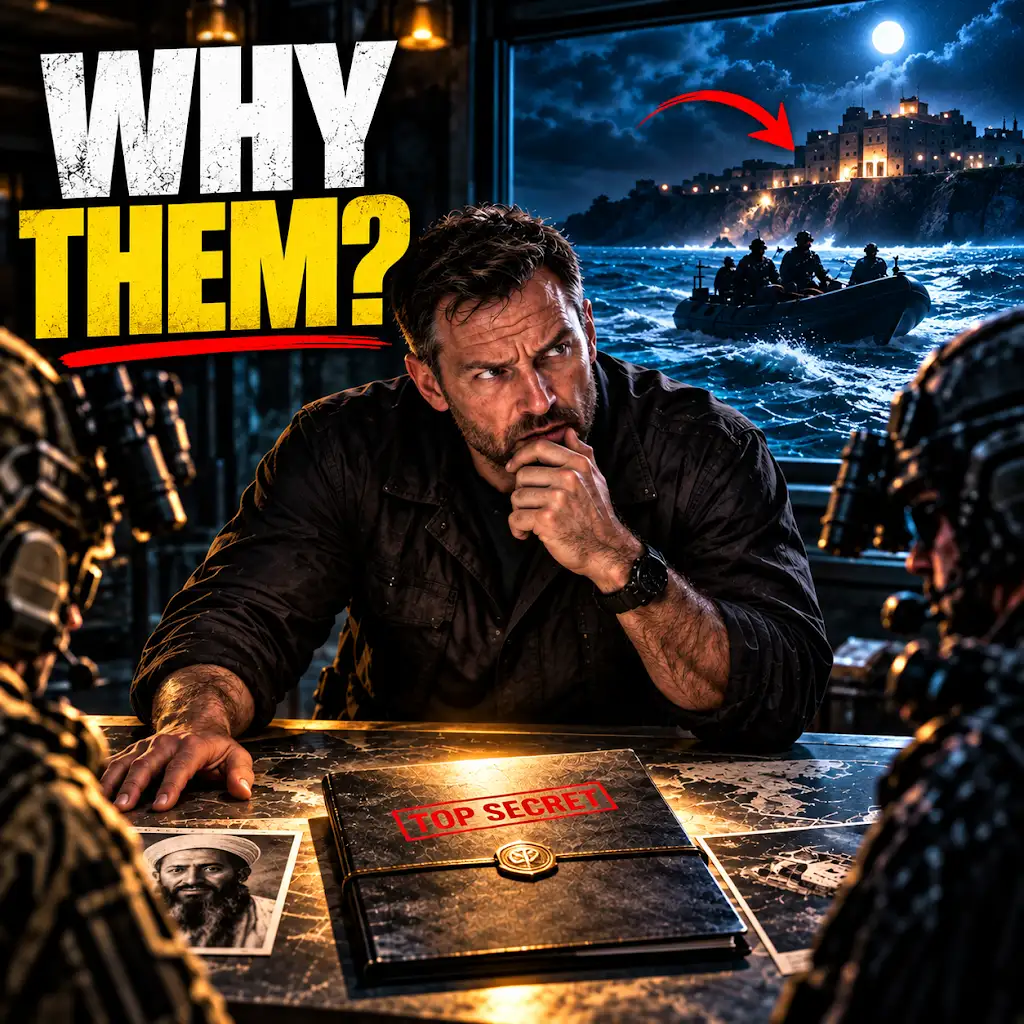
Why SEAL Team Six Got the Bin Laden Raid — Not Delta Force
FAQs
What is Delta Force and SEAL Team Six?
Delta Force and SEAL Team Six are elite special operations forces within the United States military. They are highly trained and specialized units that conduct high-risk missions, including counterterrorism operations and hostage rescues.
What are the main differences between Delta Force and SEAL Team Six?
Delta Force is part of the U.S. Army Special Operations Command, while SEAL Team Six is part of the U.S. Navy Special Warfare Development Group. Delta Force primarily focuses on counterterrorism and direct action missions, while SEAL Team Six specializes in counterterrorism, hostage rescue, and reconnaissance.
How are operators selected for Delta Force and SEAL Team Six?
Operators for Delta Force and SEAL Team Six are selected from the ranks of the U.S. Army and U.S. Navy, respectively. Candidates undergo a rigorous selection process that includes physical fitness tests, psychological evaluations, and specialized training. Only the most highly qualified and skilled individuals are chosen to become members of these elite units.
What kind of training do Delta Force and SEAL Team Six operators undergo?
Operators in Delta Force and SEAL Team Six undergo extensive and specialized training in a wide range of skills, including marksmanship, close-quarters combat, explosives, and tactical driving. They also receive training in foreign languages, cultural awareness, and survival skills to prepare them for a variety of missions in different environments.
What types of missions do Delta Force and SEAL Team Six typically undertake?
Delta Force and SEAL Team Six are tasked with conducting a variety of high-risk missions, including hostage rescues, counterterrorism operations, reconnaissance missions, and direct action raids. They are often called upon to operate in hostile and challenging environments around the world to protect U.S. national security interests.