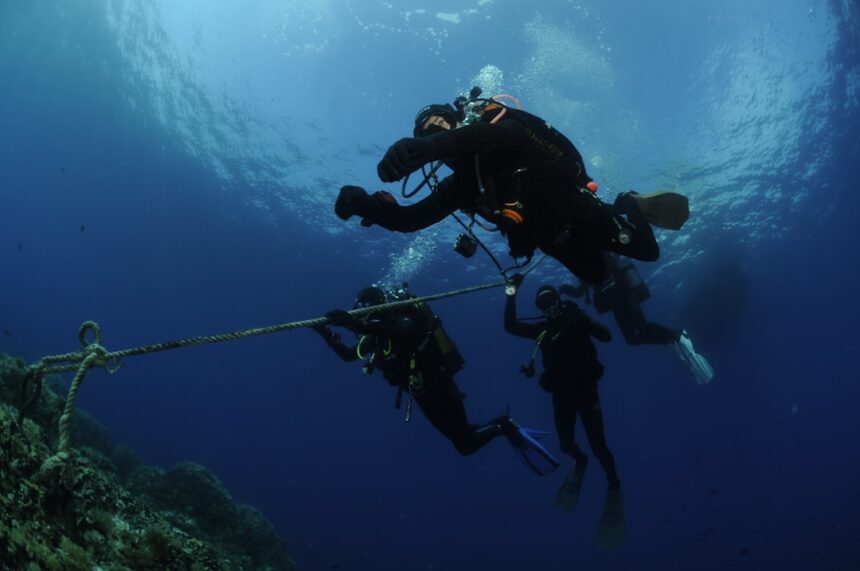
Effective underwater maintenance strategies are crucial for the longevity, safety, and operational efficiency of a vast array of submerged structures and equipment. These maintenance efforts are not merely cosmetic fixes; they are the bedrock upon which the structural integrity and functional capabilities of these submerged assets are built. Ignoring them is akin to building a house on sand – a recipe for eventual collapse. This article will delve into the multifaceted world of effective underwater maintenance, exploring the principles, methods, and considerations that underpin successful practices.
Proactive maintenance is a cornerstone of effective asset management, and its importance is amplified in the challenging and often inaccessible underwater environment. Unlike terrestrial environments where inspections and repairs can often be observed and addressed with relative ease, underwater operations present unique logistical, financial, and safety hurdles. Therefore, shifting from a reactive “fix it when it breaks” mentality to a proactive, preventative approach is not just beneficial; it is indispensable.
Understanding the Underwater Environment and its Impact
The underwater environment is a relentless adversary, constantly seeking to degrade and colonize structures. Understanding its inherent characteristics is the first step in developing robust maintenance strategies.
Factors Influencing Submerged Structures
- Corrosion: The presence of water, dissolved salts, and oxygen creates a potent electrochemical environment that drives the corrosion of metallic structures. This process can weaken materials, compromise structural integrity, and lead to catastrophic failures. The rate of corrosion is influenced by factors such as water salinity, temperature, pH, and the presence of specific dissolved substances. For instance, saltwater environments are generally more corrosive than freshwater.
- Biofouling: Marine organisms, from microscopic algae and bacteria to barnacles, mussels, and larger macrofouling species, will invariably colonize submerged surfaces. This biofouling can:
- Increase drag forces on submerged structures like pipelines and ship hulls, leading to increased energy consumption and reduced efficiency.
- Obscure inspection points, making it difficult to assess the condition of underlying materials.
- Exert physical pressure on structures, potentially causing deformation or damage.
- Create localized corrosive environments by trapping moisture and contributing to the build-up of organic matter.
- Interfere with the operation of moving parts and sensors.
- Mechanical Stress and Abrasion: Underwater structures are subjected to a variety of mechanical forces. Tidal currents, wave action, and vessel traffic can create significant stress on pipelines, pilings, and platforms. Sediment movement and the abrasive action of debris can also cause wear and tear on exposed surfaces.
- Sedimentation: The accumulation of sediment on submerged structures can reduce flow rates in pipelines, impact the performance of equipment, and obscure areas requiring inspection. In some cases, excessive sedimentation can lead to structural loading.
- Environmental Variability: Factors such as fluctuating water levels, temperature changes, and varying salinity can all influence the long-term performance and maintenance requirements of underwater assets.
The Cost of Neglect: A Financial and Safety Drain
The costs associated with neglected underwater maintenance extend far beyond immediate repair bills. They manifest as a cascade of escalating problems.
- Increased Repair Costs: Minor issues, if left unaddressed, will inevitably evolve into more significant and expensive problems. A small crack can widen into a significant structural fault, a minor leak can become a major breach, and moderate biofouling can lead to extensive material degradation.
- Reduced Operational Efficiency: Structures performing sub-optimally due to neglect, such as fouled propellers or partially obstructed pipelines, lead to increased energy consumption and reduced output, directly impacting profitability.
- Premature Asset Replacement: Failure to maintain structures adequately can significantly shorten their service life, necessitating premature and costly replacement. This represents a substantial capital expenditure that could have been avoided or at least deferred.
- Safety Hazards: Structural failures underwater can pose significant risks to personnel, the environment, and other marine activities. The collapse of a bridge pier, the rupture of an oil pipeline, or the failure of a critical mooring can have devastating consequences.
- Environmental Damage: Leaks from pipelines or storage facilities can lead to pollution, impacting marine ecosystems and incurring substantial clean-up costs and regulatory penalties.
In exploring effective underwater maintenance strategies, it is essential to consider the insights provided in the article titled “Innovative Techniques for Submarine Infrastructure” found at this link. This article delves into various methodologies and technologies that enhance the efficiency and safety of underwater maintenance operations, offering a comprehensive overview of current practices and future trends in the field. By integrating these innovative strategies, professionals can improve the longevity and reliability of underwater structures.
Strategic Planning and Risk Assessment
Effective underwater maintenance begins long before any physical intervention takes place. It is rooted in meticulous planning and a thorough understanding of the risks involved.
Developing a Comprehensive Maintenance Plan
A well-structured maintenance plan is the blueprint for ensuring the long-term health of underwater assets. It should be dynamic, adaptable, and data-driven.
Key Components of a Maintenance Plan
- Asset Inventory and Prioritization: A complete and accurate inventory of all underwater assets, along with a prioritization based on criticality, age, material, and potential impact of failure, is essential. This allows maintenance efforts to be focused where they are most needed. Critical infrastructure like port facilities, subsea pipelines for essential services, or support structures for offshore energy platforms would naturally receive higher priority.
- Inspection Schedule and Methodology: Defining the frequency and type of inspections (visual, non-destructive testing, etc.) based on the asset’s characteristics and environmental factors. This schedule should be treated as a contractual obligation, not an optional extra.
- Preventative Maintenance Tasks: Outlining specific tasks designed to prevent common issues, such as applying anti-corrosion coatings, cleaning biofouling, or performing routine checks on vital components. These tasks are the proactive shield against deterioration.
- Corrective Maintenance Procedures: Establishing protocols for addressing identified issues, including repair methods, required resources, and emergency response plans.
- Budget Allocation and Resource Management: Ensuring sufficient financial and human resources are allocated to support the maintenance plan. This includes accounting for specialized equipment, trained personnel, and contingency funds.
- Record Keeping and Data Analysis: Implementing a robust system for recording all maintenance activities, inspection findings, and repair histories. This data is invaluable for refining the maintenance plan over time and identifying trends.
Risk Assessment for Underwater Assets
Understanding and mitigating risks is paramount when dealing with the inherent dangers of the underwater realm.
Identifying Potential Failure Modes
- Structural Integrity: Assessing the likelihood and potential consequences of structural failures due to corrosion, fatigue, or impact. This involves understanding the load-bearing capacities and the environment’s cumulative effects.
- Operational Failures: Evaluating the risks associated with the malfunction of operational components, such as valves, pumps, or electrical systems, which can be more susceptible to water ingress.
- Environmental Hazards: Considering risks posed by extreme weather events, seismic activity, or accidental damage from marine traffic.
- Human Error: Recognizing the potential for mistakes during inspection or maintenance operations, and implementing procedures to minimize these risks.
Developing Mitigation Strategies
- Redundancy and Fail-Safes: Incorporating redundant systems and fail-safe mechanisms in critical underwater infrastructure to ensure continued operation even if one component fails.
- Material Selection: Choosing materials that are inherently resistant to corrosion and the harsh underwater environment for the initial construction and replacement of components.
- Protective Coatings and Systems: Applying specialized coatings, cathodic protection systems, or other protective measures to shield assets from environmental degradation.
- Regular Monitoring and Surveillance: Implementing systems for continuous or periodic monitoring of key structural and operational parameters, allowing for early detection of anomalies.
Diverse Inspection and Monitoring Techniques
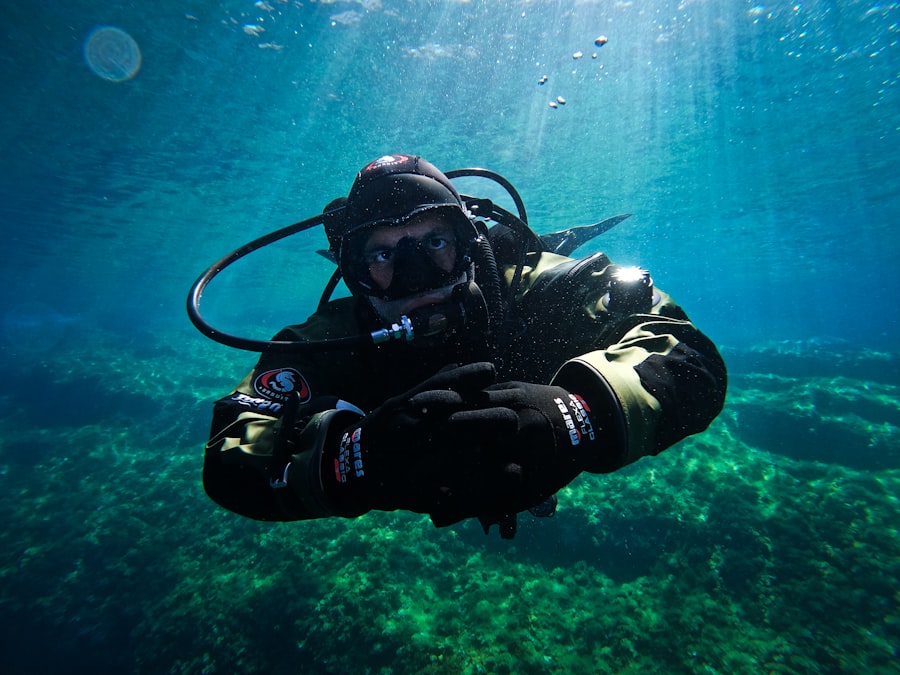
Accurate and timely assessment of an underwater asset’s condition is the foundation upon which effective maintenance decisions are made. This requires a diverse toolkit of inspection and monitoring techniques, each suited to specific purposes and environments.
Visual and Non-Destructive Testing (NDT)
These methods provide direct or indirect insights into the physical state of submerged structures.
Advanced Visual Inspection
- Remote Operated Vehicles (ROVs): These tethered, unmanned underwater vehicles equipped with cameras, lights, and manipulators are the workhorses of underwater inspection. They offer a safe and efficient way to survey large areas and access difficult-to-reach locations.
- Autonomous Underwater Vehicles (AUVs): AUVs are untethered vehicles that can navigate pre-programmed routes or adapt to their environment. They are ideal for large-scale surveys, mapping, and routine monitoring.
- Divers: While more resource-intensive and carrying inherent safety risks, human divers remain invaluable for intricate inspections, detailed assessments, and tasks requiring fine motor skills that even advanced robotics cannot replicate. Their ability to directly assess tactile qualities and make subjective judgments is often irreplaceable.
Non-Destructive Testing (NDT) Methods
- Ultrasonic Testing (UT): UT uses sound waves to detect internal flaws such as cracks, voids, and delaminations within materials. It is a widely used technique for assessing the thickness of materials and identifying internal defects without causing damage.
- Magnetic Particle Testing (MPT): Primarily used for ferromagnetic materials, MPT detects surface and near-surface cracks by magnetizing the material and applying iron particles that are attracted to any discontinuities.
- Eddy Current Testing (ECT): ECT uses electromagnetic induction to detect surface and near-surface defects in conductive materials. It is sensitive to cracks, pitting, and variations in material thickness.
- Radiographic Testing (RT): Though less common underwater due to safety concerns and the complexity of setup, RT can be used to inspect welds and detect internal flaws by passing radiation through the material and recording the absorption pattern.
- Visual NDT using Imaging Techniques: High-resolution cameras, 3D scanning, and photogrammetry can be employed to create detailed digital models of structures, allowing for precise measurements and comparisons over time, aiding in the detection of subtle changes.
Structural Health Monitoring (SHM)
Moving beyond periodic inspections, SHM involves continuous or semi-continuous monitoring of an asset’s performance and condition.
Sensor Technologies for SHM
- Strain Gauges: These sensors measure deformation in response to applied loads, providing real-time data on stress levels within the structure.
- Acoustic Emission (AE) Sensors: AE sensors detect the high-frequency stress waves generated by crack initiation and propagation, providing early warning of impending failure.
- Corrosion Monitoring Sensors: These sensors can measure the rate of corrosion, the effectiveness of cathodic protection systems, or the presence of corrosive agents in the water, acting as sentinels against material degradation.
- Tiltmeters and Accelerometers: These devices monitor movement and vibration, which can indicate structural instability or excessive loading.
- Fiber Optic Sensors: These sensors offer advantages in terms of durability, immunity to electromagnetic interference, and suitability for harsh environments, and can be used for strain, temperature, and chemical sensing.
Data Acquisition and Analysis
- Data Logging Systems: Robust systems are required to collect, store, and process the vast amounts of data generated by SHM sensors.
- Real-time Data Analysis and Alerts: Implementing algorithms and software that can analyze the data in real-time, identify anomalies, and trigger alerts when critical thresholds are breached. This allows for immediate intervention before a minor issue escalates.
Implementing Effective Preventive and Corrective Actions

Once an issue is identified, the effectiveness of the maintenance strategy hinges on the proper implementation of corrective and preventive actions.
Preventive Maintenance Strategies
These are the deliberate actions taken to avert future problems and extend the lifespan of underwater assets.
Coating and Cathodic Protection Systems
- Protective Coatings: Applying advanced marine coatings is a primary defense against corrosion and biofouling. These coatings act as a barrier, preventing corrosive elements from reaching the base material. Regular inspection and maintenance of these coatings are vital to ensure their integrity. This includes identifying areas of delamination, abrasion, or chemical attack.
- Cathodic Protection (CP): CP is an electrochemical technique that protects metallic structures from corrosion by making them the cathode of an electrochemical cell.
- Sacrificial Anodes: These are blocks of a more electrochemically active metal (e.g., zinc, aluminum, magnesium) that corrode preferentially, protecting the main structure. Periodic inspection and replacement of depleted anodes are crucial.
- Impressed Current Cathodic Protection (ICCP): ICCP systems use an external DC power source to drive current to the structure, providing protection. The performance of ICCP systems requires regular monitoring of current output and anode condition.
Biofouling Management
- Anti-fouling Coatings: Specialized coatings that release biocides or have inherent anti-fouling properties are applied to surfaces to deter the growth of marine organisms. The effectiveness of these coatings diminishes over time and requires reapplication.
- Mechanical Cleaning: Periodic cleaning of hull surfaces, propeller blades, and intakes to remove accumulated biofouling. This can be done by divers or specialized cleaning robots.
- Water Jetting: High-pressure water jets are effective in removing robust biofouling from surfaces.
- In-situ Cleaning Technologies: Development of environmentally friendly and effective on-site cleaning methods that minimize disruption to marine life.
Corrective Maintenance and Repair Procedures
When damage or deterioration is detected, swift and effective repair is necessary.
Material Repair and Restoration
- Welding and Patching: For metallic structures, welding techniques are often employed to repair cracks, holes, or corroded areas. This requires skilled divers and specialized underwater welding equipment and procedures.
- Composite Repairs: For pipelines and other structures, composite materials can be used to create strong, durable repairs that reinforce damaged sections. These often involve wrapping or sleeving the damaged area.
- Concrete Repair: If concrete structures like pilings or piers are damaged, repair methods can include patching, epoxy injection, or the use of specialized underwater concrete.
Component Replacement
- Modular Design: Designing underwater components with modularity in mind simplifies replacement by allowing for the removal and installation of pre-fabricated units.
- Specialized Lifting and Installation: Underwater component replacement often requires specialized barges, cranes, and lifting equipment, as well as meticulous planning to ensure safe and precise underwater placement.
In exploring effective underwater maintenance strategies, it is essential to consider the advancements in technology that enhance these efforts. A related article discusses innovative techniques and tools that are revolutionizing underwater inspections and repairs, making them more efficient and safer. For further insights, you can read more about these developments in the article found at In the War Room. This resource provides valuable information that complements the understanding of underwater maintenance practices.
The Role of Technology and Innovation
| Maintenance Strategy | Description | Typical Applications | Advantages | Challenges | Frequency |
|---|---|---|---|---|---|
| Diver Inspection and Repair | Use of professional divers to inspect and perform maintenance tasks underwater. | Offshore platforms, ship hulls, underwater pipelines. | Direct human assessment, flexible problem-solving. | Safety risks, limited depth and time underwater. | Monthly to quarterly |
| Remotely Operated Vehicles (ROVs) | Use of remotely controlled underwater robots for inspection and minor repairs. | Deepwater structures, subsea pipelines, offshore wind farms. | Access to deep or hazardous areas, reduced human risk. | Limited manipulation capabilities, high initial cost. | Quarterly to biannual |
| Autonomous Underwater Vehicles (AUVs) | Pre-programmed underwater drones for inspection and data collection. | Pipeline surveys, environmental monitoring. | Efficient large area coverage, minimal human intervention. | Limited repair capability, navigation challenges. | Biannual to annual |
| Cathodic Protection Maintenance | Techniques to prevent corrosion of underwater metal structures. | Subsea pipelines, offshore platforms, ship hulls. | Extends asset life, reduces corrosion damage. | Requires regular monitoring and adjustment. | Monthly to quarterly |
| Coating and Wrapping | Application of protective coatings or wraps to prevent corrosion and damage. | Subsea pipelines, cables, structural components. | Effective corrosion barrier, relatively low cost. | Damage during installation, requires dry conditions for some coatings. | Every 3-5 years |
| Cleaning and Debris Removal | Removal of marine growth, sediment, and debris from underwater assets. | Ship hulls, intake screens, offshore structures. | Improves efficiency, prevents damage. | Requires specialized equipment, frequent repetition. | Monthly to quarterly |
The field of underwater maintenance is continuously evolving, with technological advancements offering new and improved solutions.
Robotics and Automation
The increasing sophistication of robots is revolutionizing underwater maintenance.
Capabilities of Modern ROVs and AUVs
- Enhanced Manipulation and Dexterity: Newer generations of robots are equipped with more agile manipulators, allowing them to perform complex tasks like connector mating, valve operation, and intricate repairs.
- AI Integration: Artificial intelligence is being integrated into robotic systems for automated inspection, anomaly detection, and even decision-making during repair operations.
- Swarm Robotics: Multi-robot systems that can collaborate to cover larger areas or perform more complex tasks efficiently.
Advanced Materials and Coatings
The development of innovative materials is crucial for improving the longevity and performance of underwater assets.
Emerging Material Technologies
- Corrosion-Resistant Alloys: Research into new alloys with enhanced resistance to saltwater corrosion and other aggressive marine environments.
- Self-Healing Materials: The development of materials that can autonomously detect and repair micro-cracks, significantly extending structural life.
- Environmentally Friendly Anti-fouling Coatings: Innovations in coatings that are effective against biofouling but minimize the release of harmful biocides into the marine environment.
Digitalization and Data Management
The digital revolution is transforming how underwater maintenance is planned, executed, and monitored.
Digital Twins and Predictive Maintenance
- Digital Twins: Creating virtual replicas of physical underwater assets that are fed with real-time data from sensors. This allows for simulation, performance analysis, and predictive maintenance forecasting.
- Big Data Analytics: Utilizing advanced analytics to process large datasets from inspections, sensors, and maintenance records to identify trends, predict failures, and optimize maintenance schedules.
- Cloud-Based Platforms: Centralized platforms for storing, managing, and accessing all data related to underwater asset maintenance, facilitating collaboration and informed decision-making.
Conclusion
Effective underwater maintenance is a complex but vital discipline that underpins the safety, reliability, and economic viability of countless submerged assets. It requires a holistic approach, encompassing proactive planning, rigorous risk assessment, diverse inspection techniques, diligent preventive actions, and timely corrective interventions, all amplified by the relentless march of technological innovation. By embracing these principles and continuously seeking to improve practices, stakeholders can ensure that their underwater investments remain robust and functional for years to come, much like a well-maintained ship weathering any storm. The investment in effective underwater maintenance is not an expense; it is an investment in longevity, safety, and operational excellence.
FAQs
What is underwater maintenance?
Underwater maintenance refers to the inspection, repair, and servicing of structures and equipment located below the water surface, such as pipelines, offshore platforms, ship hulls, and underwater cables.
Why is underwater maintenance important?
Underwater maintenance is crucial to ensure the safety, functionality, and longevity of submerged infrastructure. It helps prevent failures, environmental hazards, and costly downtime in marine and offshore operations.
What are common methods used in underwater maintenance?
Common methods include diver-based inspections and repairs, remotely operated vehicles (ROVs), underwater welding, cleaning, and non-destructive testing techniques to assess structural integrity.
What challenges are associated with underwater maintenance?
Challenges include limited visibility, high pressure, strong currents, safety risks for divers, accessibility issues, and the need for specialized equipment and trained personnel.
How can underwater maintenance strategies improve efficiency?
Effective strategies involve regular inspections, use of advanced technology like ROVs and sensors, predictive maintenance based on data analysis, and proper planning to minimize downtime and reduce operational costs.